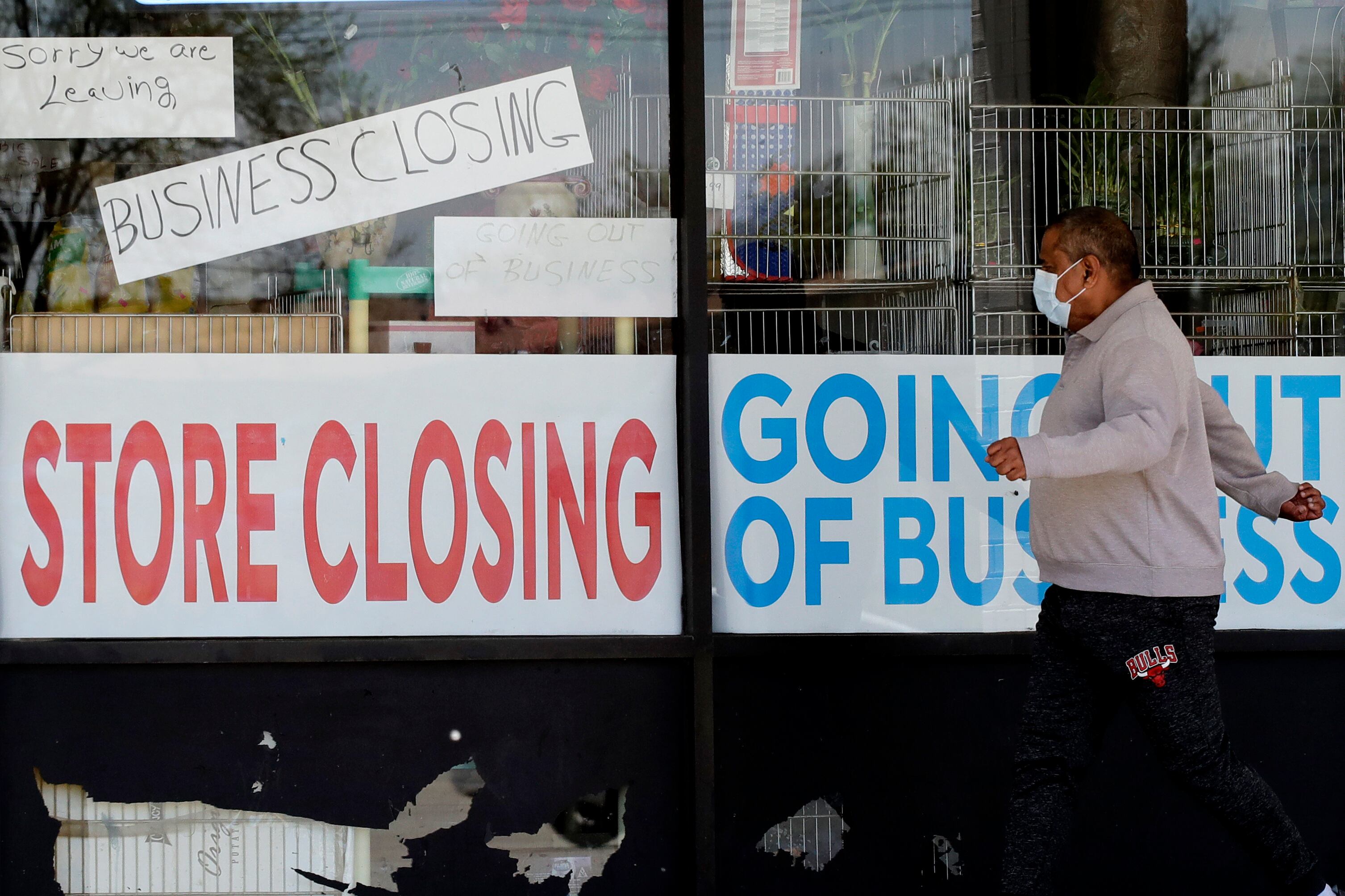
In this Thursday, May 21, 2020, file photo, a man looks at signs of a closed store due to the coronavirus pandemic, in Niles, Ill. State governments are pushing for help from Congress to fix budget gaps caused by the coronavirus pandemic and economic shutdowns. (AP Photo/Nam Y. Huh, File)
By Paul Wiseman
More than 1.4 million laid-off Americans applied for unemployment benefits last week, further evidence of the devastation the coronavirus outbreak has unleashed on the U.S. economy.
The continuing wave of job cuts is occurring against the backdrop of a spike in virus cases that has led many states to halt plans to reopen businesses and has caused millions of consumers to delay any return to traveling, shopping and other normal economic activity. Those trends have forced many businesses to cut jobs or at least delay hiring.
The Labor Department's report Thursday marked the 19th straight week that more than 1 million people have applied for unemployment benefits. Before the coronavirus hit hard in March, the number of Americans seeking unemployment checks had never exceeded 700,000 in any one week, even during the Great Recession.
All told, 17 million people are collecting traditional jobless benefits, a sign that unemployment checks are keeping many American families afloat financially at a time of big job losses and agonizing economic uncertainty.
The pain could soon intensify: An supplemental $600 in weekly federal unemployment benefits is expiring, and Congress is squabbling about extending the aid, which would probably be done at a reduced level.
A resurgence of cases in the South and the West has forced many bars, restaurants, beauty salons and other businesses to close again or reduce occupancy. Between June 21 and July 19, for example, the percentage of Texas bars that were closed shot up from 25% to 73%; likewise, 75% of California beauty shops were shuttered July 19, up from 40% just a week earlier; according to the data firm Womply.
And many states have imposed restrictions on visitors from states that have reported high levels of virus cases, thereby hurting hotels, airlines and other industries that depend on travel.
The virus and the lockdowns meant to contain it have hammered the American economy: Employers slashed a record 20.8 million jobs in April, restoring about 7.5 million of them in May and June as many states began to reopen their economies.
AP Economics Writer Christopher Rugaber in Washington and Thalia Beaty in New York contributed to this report.
BiggerPockets Money podcast is now available on Cheddar Wednesdays at 10am ET! Mindy Jensen shares how her podcast is helping people gain financial freedom.
The social video platform's future remains in doubt, as players scramble to profit from the chaos. Plus: Big oil gets bigger, DOGE downsizes, and tariffs!
Ty Young, CEO of Ty J. Young Wealth Management, joins Cheddar to discuss Trump's moves as he returns to Washington D.C. and how it may affect the U.S. economy.
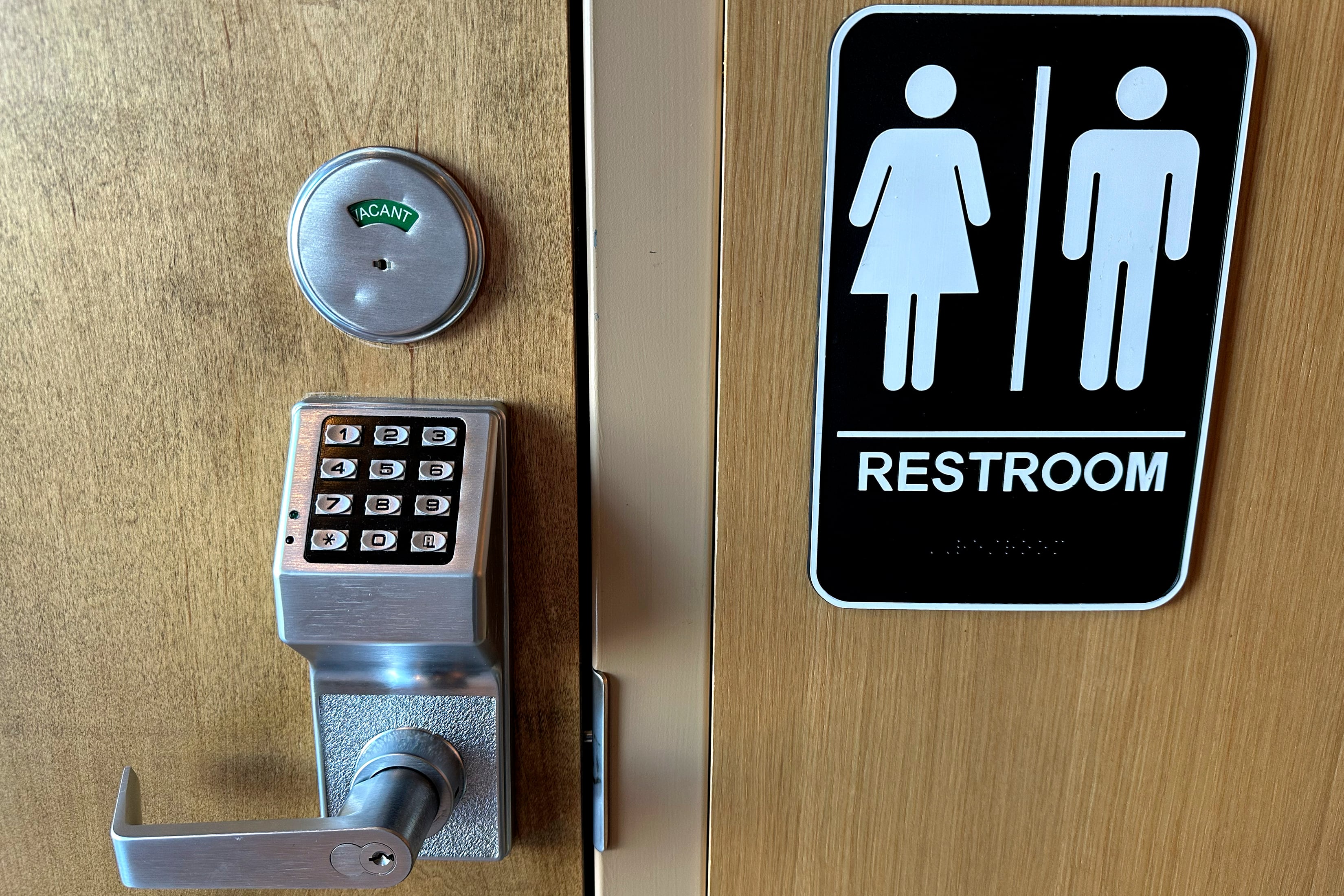
Starbucks’ decision to restrict its restrooms to paying customers has flushed out a wider problem: a patchwork of restroom use policies that varies by state and city. Starbucks announced last week a new code of conduct that says people need to make a purchase if they want to hang out or use the restroom. The coffee chain's policy change for bathroom privileges has left Americans confused and divided over who gets to go and when. The American Restroom Association, a public toilet advocacy group, was among the critics. Rules about restroom access in restaurants vary by state, city and county. The National Retail Federation says private businesses have a right to limit restroom use.
President Donald Trump is talking up a joint venture investing up to $500 billion for infrastructure tied to artificial intelligence by a new partnership formed by OpenAI, Oracle and SoftBank. The new entity, Stargate, will start building out data centers and the electricity generation needed for the further development of the fast-evolving AI in Texas, according to the White House. The initial investment is expected to be $100 billion and could reach five times that sum. While Trump has seized on similar announcements to show that his presidency is boosting the economy, there were already expectations of a massive buildout of data centers and electricity plants needed for the development of AI.
Chris Ruder, Spikeball Founder and CEO, explains how he and his friends put roundnet on the global map, plus, how Spikeball helps people "find their circle."
J.W. Roth, CEO of Venu Holding Corporation, discusses the company's IPO and plans to redefine live music entertainment with their fan founded, fan-owned model.