Millennials Are Investing in Robotics and Artificial Intelligence
Morgan Stanley is getting into the “robo-advice” business, where software manages funds instead of people. The service, Access Investing, is aimed at younger investors, and helps them put their money with the businesses they’re most interested in.
“Forty percent of our clients have chosen to invest in a theme, and the most popular ones [are] robotics and artificial intelligence,” Naureen Hassan, Chief Digital Officer for Wealth Management at Morgan Stanley, told Cheddar.
The financial firm rolled out its Access Investing division, which focuses on advising clients online, in December. Hassan says that her team has seen a lot of engagement with from people 45 and under.
Robo-advisers, or digital investment portfolios, are not very new. The field has competitors, such as Betterment or Wealthfront, that have been making strides in the sector.
But Morgan Stanley says it’s betting on its legacy to differentiate itself in the industry.
“We think it’s the Morgan Stanley investing expertise that really differentiates it,” Hassan said. “That’s why we are offering clients choice, it just isn’t only a passive portfolio, we believe in a mix of assets.”
Last Sunday, one of Uber's self-driving cars struck and killed a pedestrian in Tempe, Arizona. The police said Uber was likely not at fault because the accident would have been hard to avoid, even for a human driver. However, reports have surfaced that uber's driverless technology was faltering well before the crash. Daisuke Wakabayashi, Reporter at the New York Times, breaks down the root of Uber's self-driving problems.
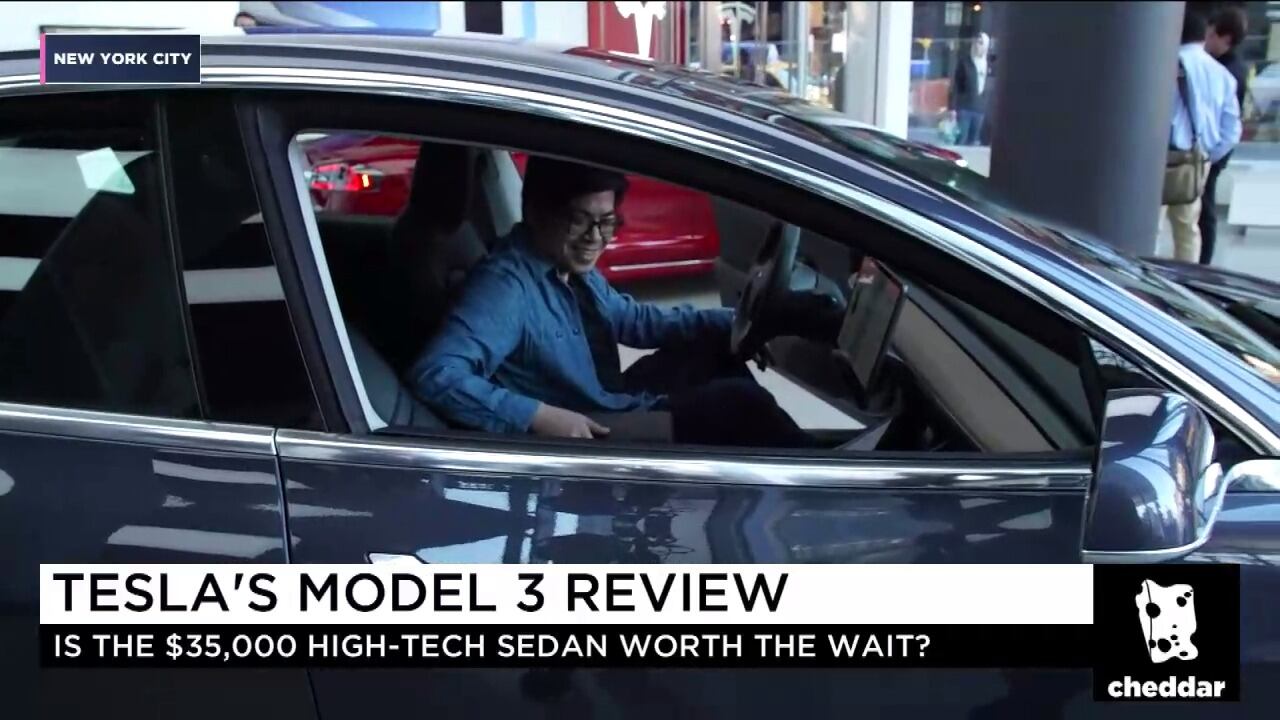
Tesla's new, mass-market car has done away with most controls on the dashboard and allows for panoramic views. Cheddar's Hope King got a look at one with a long-time waitlisted buyer.
In a rush to catch up with rivals, Uber plunged into the self-driving space in 2016. But its tests have failed even its own internal expectations, says Daisuke Wakabayashi, reporter at The New York Times.
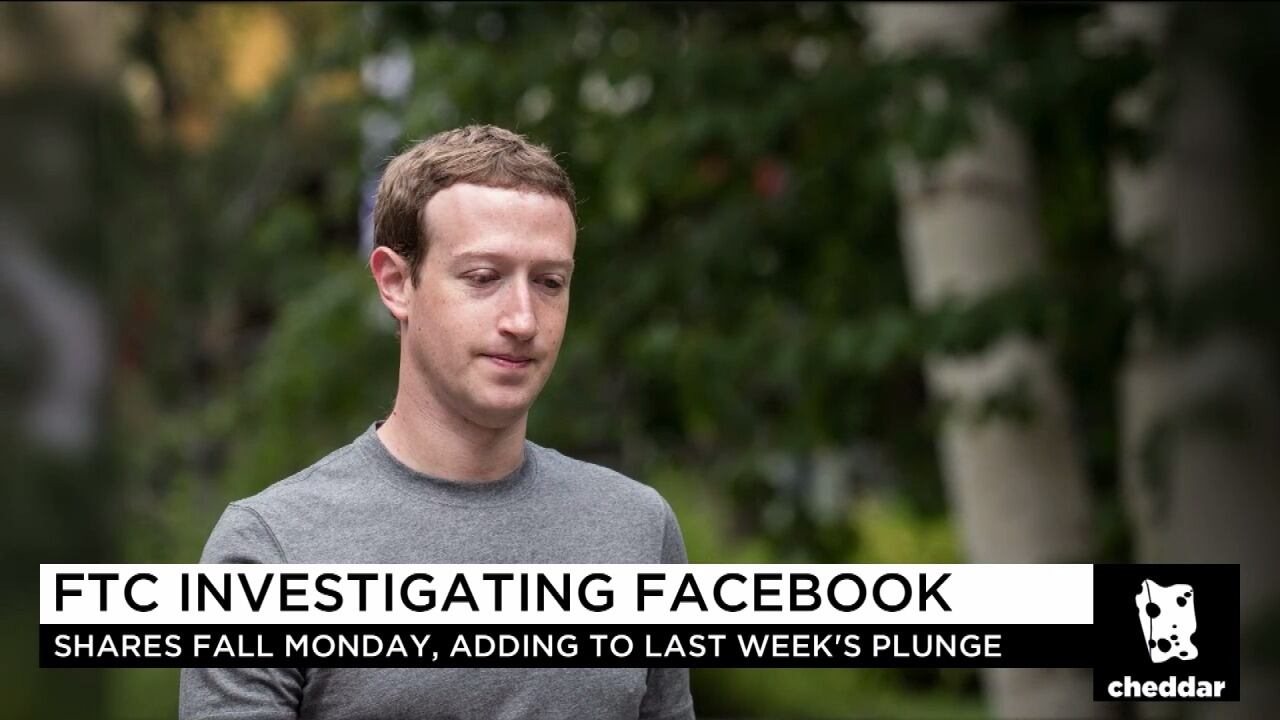
Early Monday, the FTC confirmed it is investigating Facebook's data practices. Specifically, the FTC will look into whether the incident with Cambridge Analytica "is violating a previous agreement" with the FTC in 2011, says Kim Hart, managing editor at Axios.
Facebook shares continued to fall Monday after the FTC officially announced it was investigating the social media company over its privacy practices. Cheddar reached out to Facebook for a comment on the FTC probe and received the following statement from Deputy Chief Privacy Officer Rob Sherman:
“We remain strongly committed to protecting people’s information. We appreciate the opportunity to answer questions the FTC may have.”
Chad Morganlander, Portfolio Manager at Washington Crossing Advisors, weighs in on recent market volatility we've been experiencing. He also discusses Dropbox's public debut and whether the company can keep up momentum while so many other tech stocks are tanking. As far as what to expect from the markets moving forward, Morganlander says "put your seatbelt on, put your helmet on, and just ride out the volatility."
Bonnie Fuller, editor-in-chief at Hollywood Life, joins us to recap the biggest moments from the March For Our Lives rally in Washington over the weekend. Fuller says one of the most powerful moments was when Parkland student Emma Gonzalez remained silent for several minutes to represent how many minutes the shooting lasted. The students are planning another national school walkout next month to keep up the pressure on lawmakers to pass gun legislation.
Waymo has been taking a more "slow and steady approach" to self-driving tech than Uber and has racked up more miles of testing, says Alex Roy, Founder of The Human Driving Association. Uber took heat this week after one of its autonomous vehicles struck and killed a woman in Tempe, Ariz.
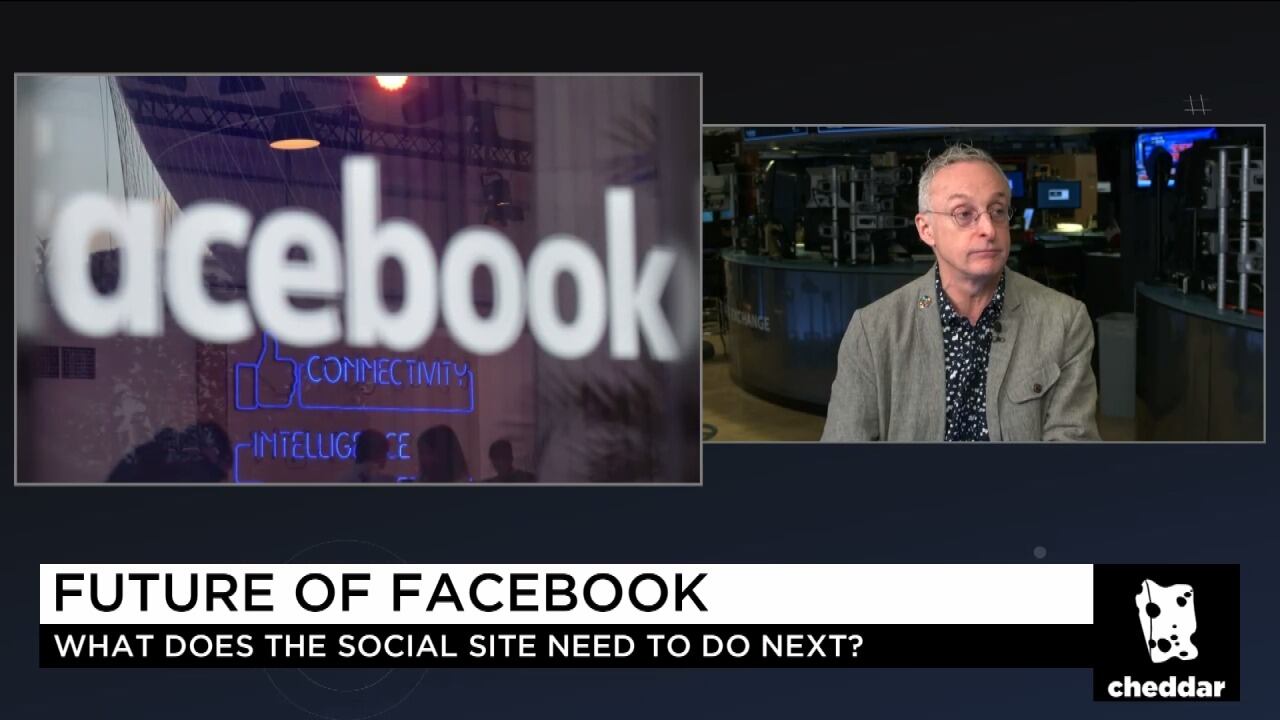
The problem with regulating Facebook is that the social media network operates in over 190 countries in a multitude of languages. On top of that "governments themselves are abusing it," making it an extremely complex company to rein in, says David Kirkpatrick, author of "The Facebook Effect: The Inside Story of the Company That is Connecting the World."
President Trump's proposed tariffs on Chinese imports and Facebook's privacy scandal both weighed down markets Thursday, said Daniel Ives, Chief Strategy Officer at GBH Insights. The Dow ended the day more than 700 points lower.
On Wednesday night, the Facebook CEO sat down with four media outlets to discuss the Cambridge Analytica scandal that has engulfed the company for the past week. While he hit the right tone and talking points, he didn't really address most users' concerns, says Ina Fried, Chief Technology Correspondent at Axios.
Many know Roku for its hardware. But it's focusing on content distribution and streaming, and CEO Anthony Wood says on that basis, it would be the third largest cable operator in the U.S.