Morgan Stanley is getting into the “robo-advice” business, where software manages funds instead of people. The service, Access Investing, is aimed at younger investors, and helps them put their money with the businesses they’re most interested in.
“Forty percent of our clients have chosen to invest in a theme, and the most popular ones [are] robotics and artificial intelligence,” Naureen Hassan, Chief Digital Officer for Wealth Management at Morgan Stanley, told Cheddar.
The financial firm rolled out its Access Investing division, which focuses on advising clients online, in December. Hassan says that her team has seen a lot of engagement with from people 45 and under.
Robo-advisers, or digital investment portfolios, are not very new. The field has competitors, such as Betterment or Wealthfront, that have been making strides in the sector.
But Morgan Stanley says it’s betting on its legacy to differentiate itself in the industry.
“We think it’s the Morgan Stanley investing expertise that really differentiates it,” Hassan said. “That’s why we are offering clients choice, it just isn’t only a passive portfolio, we believe in a mix of assets.”
The tech giant showed that even weaker-than-expected iPhone sales can't slow the technology giant down. The company reported strong second-quarter earnings Tuesday, with more than $61 billion in revenue.
The social media company couldn't recover from the backlash over its redesign, posting a miss on both revenue and user growth.
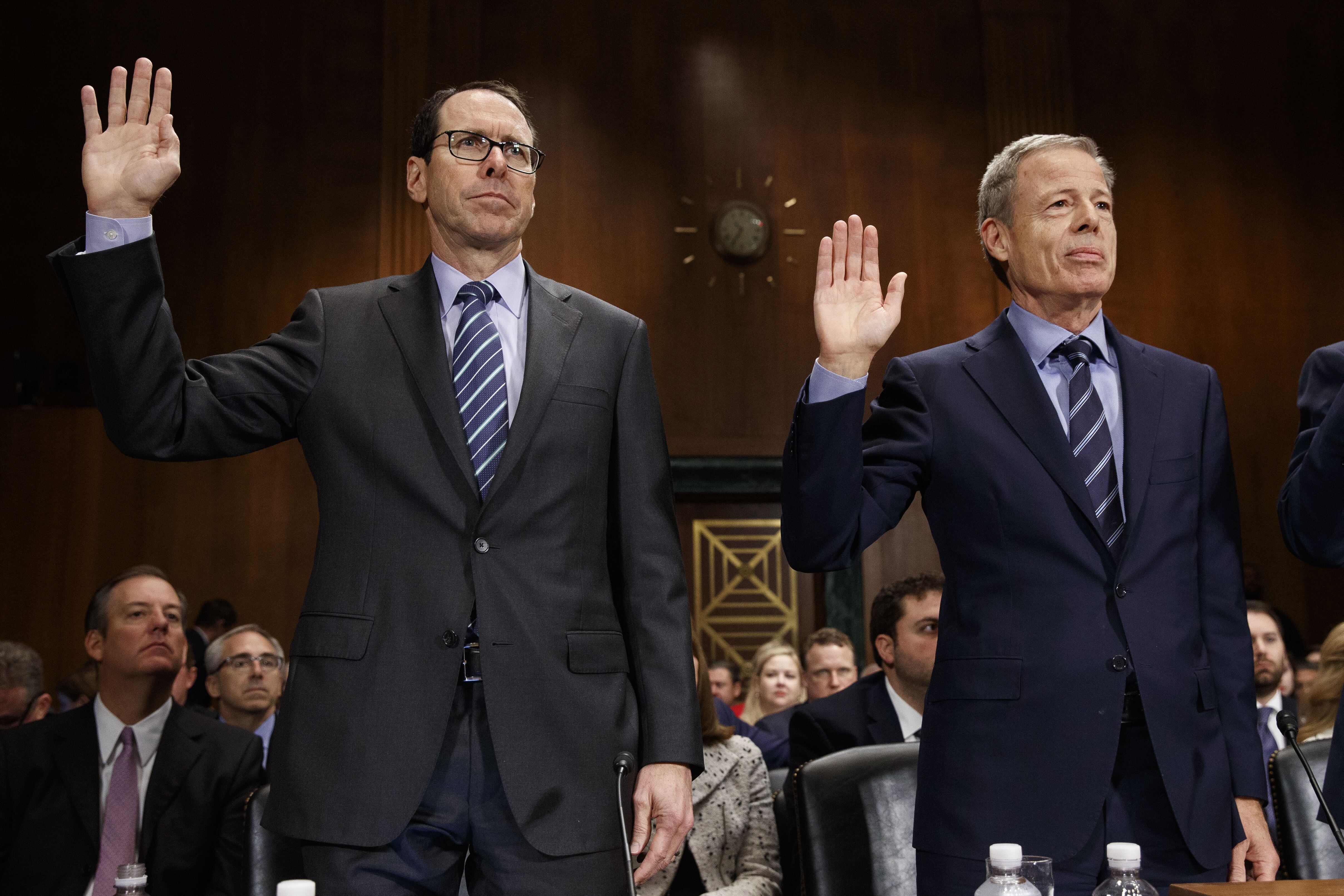
A federal judge heard closing arguments this week about the merger and its potential impact on consumers. If the two companies are given the green light to join forces, it could smooth the way for other mergers, including the Sprint/T-Mobile partnership, said Dan Primack, business editor at Axios.
The VR company's latest mid-range product doesn't need to be tethered to another device, and it can sync up with TV apps or personal photos.
President Trump is delaying a decision on whether to impose tariffs on the EU, Canada, and Mexico by 30 days. The EU slammed this decision, saying "we will not negotiate under threat." Back in March, the Trump administration announced plans to impose tariffs on steel and aluminum imports from other countries.
The co-founder of WhatsApp is leaving the company and the board of Facebook. Jan Koum reportedly clashed with the social media giant over its data privacy policies. Facebook bought WhatsApp in 2014 for roughly $19 billion.
We're joined by James Reinhart, the CEO of thredUP, to discuss the growth potential in the resale retail market. His company thredUP is an online platform where people can buy and sell used clothing. Reinhart tells us how he's looking to expand thredUP into brick and mortar stores.
The former Microsoft CEO and owner of the L.A. Clippers says the sports industry needs to create arenas where video gamers can compete. "A lot of it is virtual but some of it has a physical aspect to it," he told Cheddar's Jon Steinberg. Ballmer is looking to redesign the Clippers arena in a way that integrates concerts and eSports under one roof.
The start-up is trying to be like Stitch Fix for second-hand clothing, offering users a box of consignment shop items they can either keep or return. "There are a lot of women who are looking for stuff that might be less expensive, that are more of a closet staple," says CEO James Reinhart.
The former Microsoft CEO says that regulating how tech companies use data will provide a framework in which to work and actually enable growth. "When you're in a time of uncertainty, and you don't know what the rules are, that's when it's toughest to innovate," Ballmer tells Cheddar's Jon Steinberg.
The social media company announced Monday that it will almost double the amount of video content available on its platform. This will help TV networks "boost the ratings by slowly diversifying," says Kerry Flynn, a media reporter for Digiday.
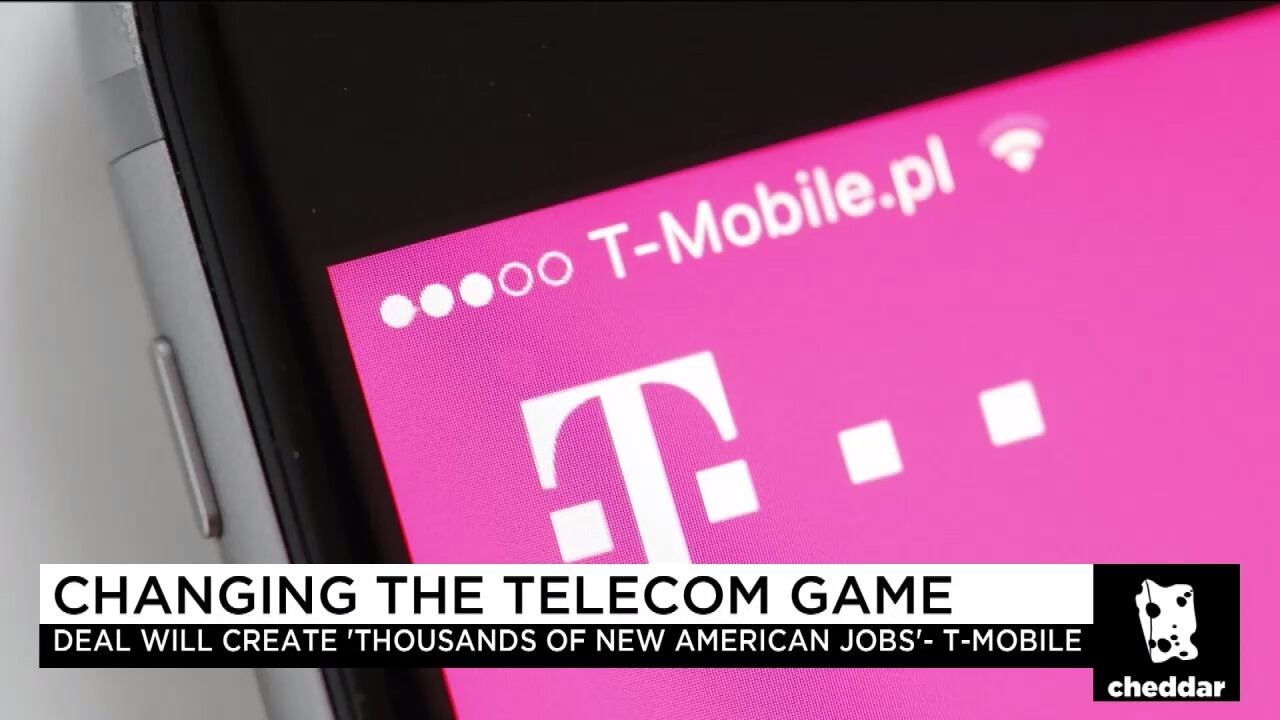
The two companies tout their deal as necessary for innovation and claim that it doesn't decrease competition in the field. Those arguments will be difficult to prove, says Eleanor Fox, an antitrust expert at NYU Law School. The third and fourth largest mobile networks in the U.S. announced a $26.5 billion merger Sunday that they claim will help develop a 5G network and create jobs. The deal still needs approval from regulators, who have expressed antitrust concerns in the past.