Millennials Are Investing in Robotics and Artificial Intelligence
Morgan Stanley is getting into the “robo-advice” business, where software manages funds instead of people. The service, Access Investing, is aimed at younger investors, and helps them put their money with the businesses they’re most interested in.
“Forty percent of our clients have chosen to invest in a theme, and the most popular ones [are] robotics and artificial intelligence,” Naureen Hassan, Chief Digital Officer for Wealth Management at Morgan Stanley, told Cheddar.
The financial firm rolled out its Access Investing division, which focuses on advising clients online, in December. Hassan says that her team has seen a lot of engagement with from people 45 and under.
Robo-advisers, or digital investment portfolios, are not very new. The field has competitors, such as Betterment or Wealthfront, that have been making strides in the sector.
But Morgan Stanley says it’s betting on its legacy to differentiate itself in the industry.
“We think it’s the Morgan Stanley investing expertise that really differentiates it,” Hassan said. “That’s why we are offering clients choice, it just isn’t only a passive portfolio, we believe in a mix of assets.”
The social media app said Drew Vollero would resign his position, effective May 15, and be replace by Amazon's Tim Stone, who'd been with the e-commerce giant since 1998.
The modern consumer "wants the right product, at the right time, in the right way,” says Christine Hunsicker, CEO of Gwynnie Bee, a subscription clothing rental service.
Future retail outlets will integrate artificial intelligence, virtual reality, and voice technology. "This idea of going to a 2D kind of screen and punching in, that's not the future," said Marc Lore, Walmart’s U.S. e-commerce president and CEO.
The wedding registry platform, which recently raised $100 million in fresh funding, is looking to expanding into every step of the wedding planning process "from engagement through to the first year of marraige," says CEO Shan-Lyn Ma.
Warren Buffett isn't betting on bitcoin anytime soon. Over the weekend at the Berkshire Hathaway annual shareholders meeting, Buffett said the digital currency is "probably rat poison squared." Buffett has long been skeptical about cryptocurrencies. At the conference, Buffett also made headlines when he said he regretted not investing in Amazon and Alphabet.
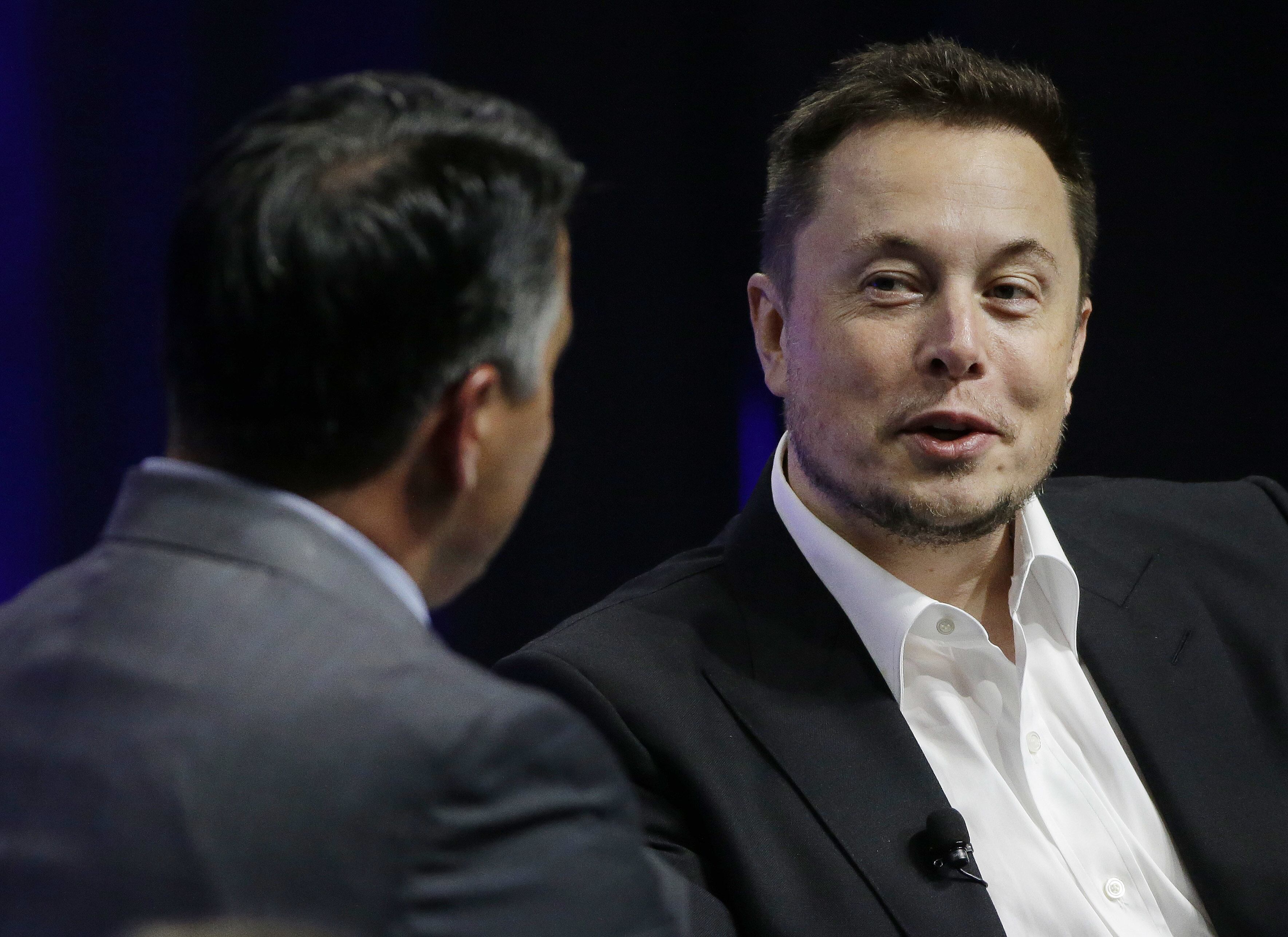
Starting Monday, Tesla will start kicking out contract workers unless a fulltime employee can vouch for them. In an email to employees, Elon Musk said Tesla employees will need to send HR a note affirming the character of the contractor, or else that person will be denied access to Tesla's facilities. Tesla employs around 40,000 people worldwide.
And we speak to Shan-Lyn Ma, co-founder and CEO of Zola, about the company's latest funding round. Zola has worked on improving the wedding registry process for couples. With this new funding, Ma says Zola will work to ensure every part of the wedding planning process is seamless, from budgeting to the honeymoon.
Zachariah Reitano's Roman Health is using the treatment of erectile dysfunction to save lives by helping men discover the sometimes very serious underlying causes of the condition.
David Klein, CFO of Constellation Brands, the owner of Corona, Modelo, and Pacifica, says Cinco De Mayo is not just great for sales, but allows the company to win the retail floor straight through summer.
Brian Deagon, senior reporter at Investor's Business Daily, says he understands why the Tesla CEO would be agitated by short sellers and hearing the same questions about production and cash flow every quarter.
The on-demand app that connects patients with doctors has seen rapid growth in the past few years, particularly in mental health services, and recently raised an additional $74 million in funding. "Not only does it make access to a doctor much, much easier, it also addresses a lot of the stigma associated with mental health," says CEO Hill Ferguson.
Ujo Music's co-founder Jesse Grushack says the music industry is broken, because artists can't get paid fairly or accurately for the music they create on all the platforms where it might appear. He says blockchain technology can help fix this going forward.