Morgan Stanley is getting into the “robo-advice” business, where software manages funds instead of people. The service, Access Investing, is aimed at younger investors, and helps them put their money with the businesses they’re most interested in.
“Forty percent of our clients have chosen to invest in a theme, and the most popular ones [are] robotics and artificial intelligence,” Naureen Hassan, Chief Digital Officer for Wealth Management at Morgan Stanley, told Cheddar.
The financial firm rolled out its Access Investing division, which focuses on advising clients online, in December. Hassan says that her team has seen a lot of engagement with from people 45 and under.
Robo-advisers, or digital investment portfolios, are not very new. The field has competitors, such as Betterment or Wealthfront, that have been making strides in the sector.
But Morgan Stanley says it’s betting on its legacy to differentiate itself in the industry.
“We think it’s the Morgan Stanley investing expertise that really differentiates it,” Hassan said. “That’s why we are offering clients choice, it just isn’t only a passive portfolio, we believe in a mix of assets.”
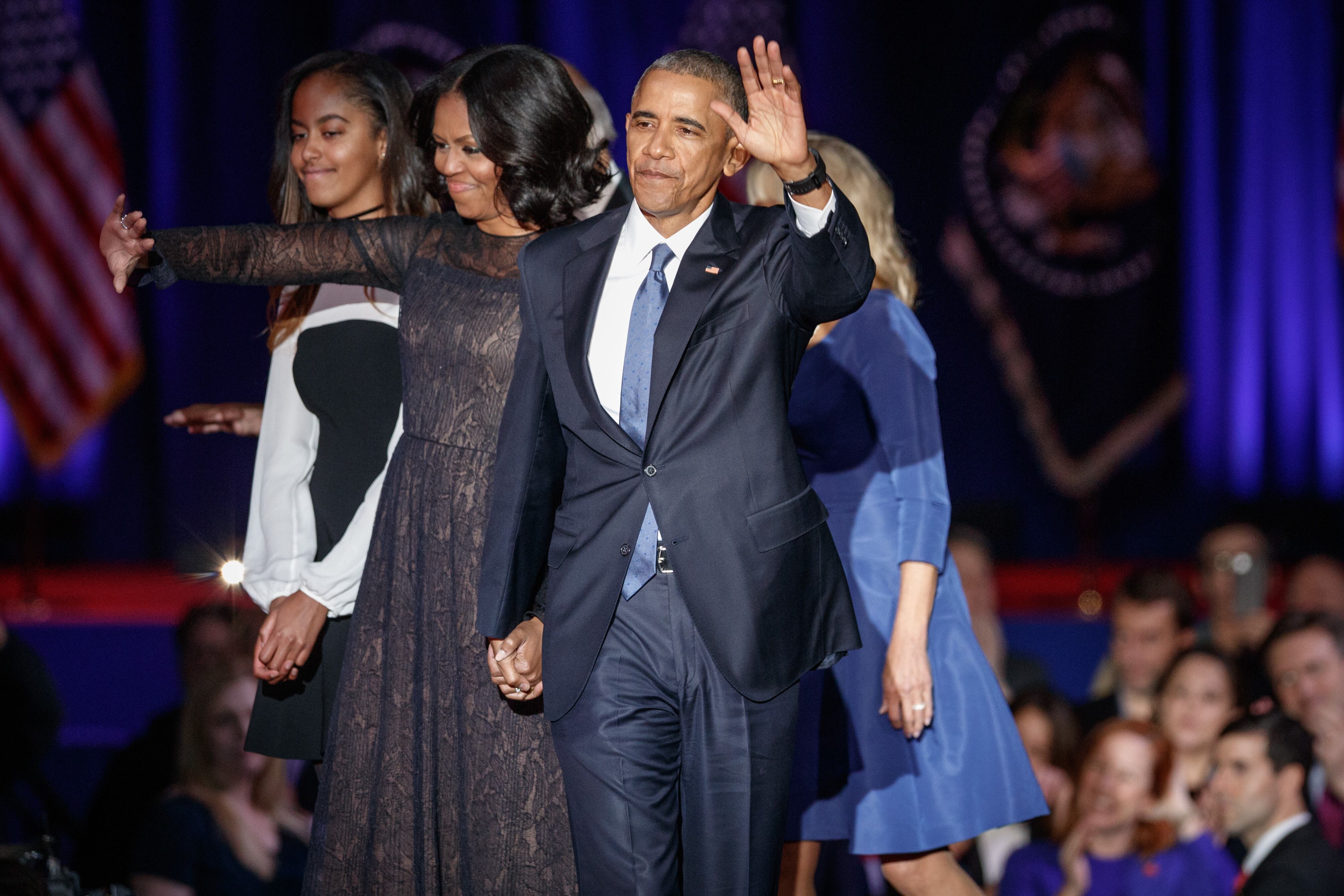
The streaming platform will give the former president and first lady a global platform to focus on issues important to them. But they need to be mindful of making that content available to communities that don't have access to high-speed internet or Netflix, says Alexander Heffner, the host of "The Open Mind" on PBS.
The food, travel, and lifestyle-focused platform has grown into a global brand with more than 200 million monthly viewers. Most of that expansion can be credited to data, says Oren Katzeff, head of programming.
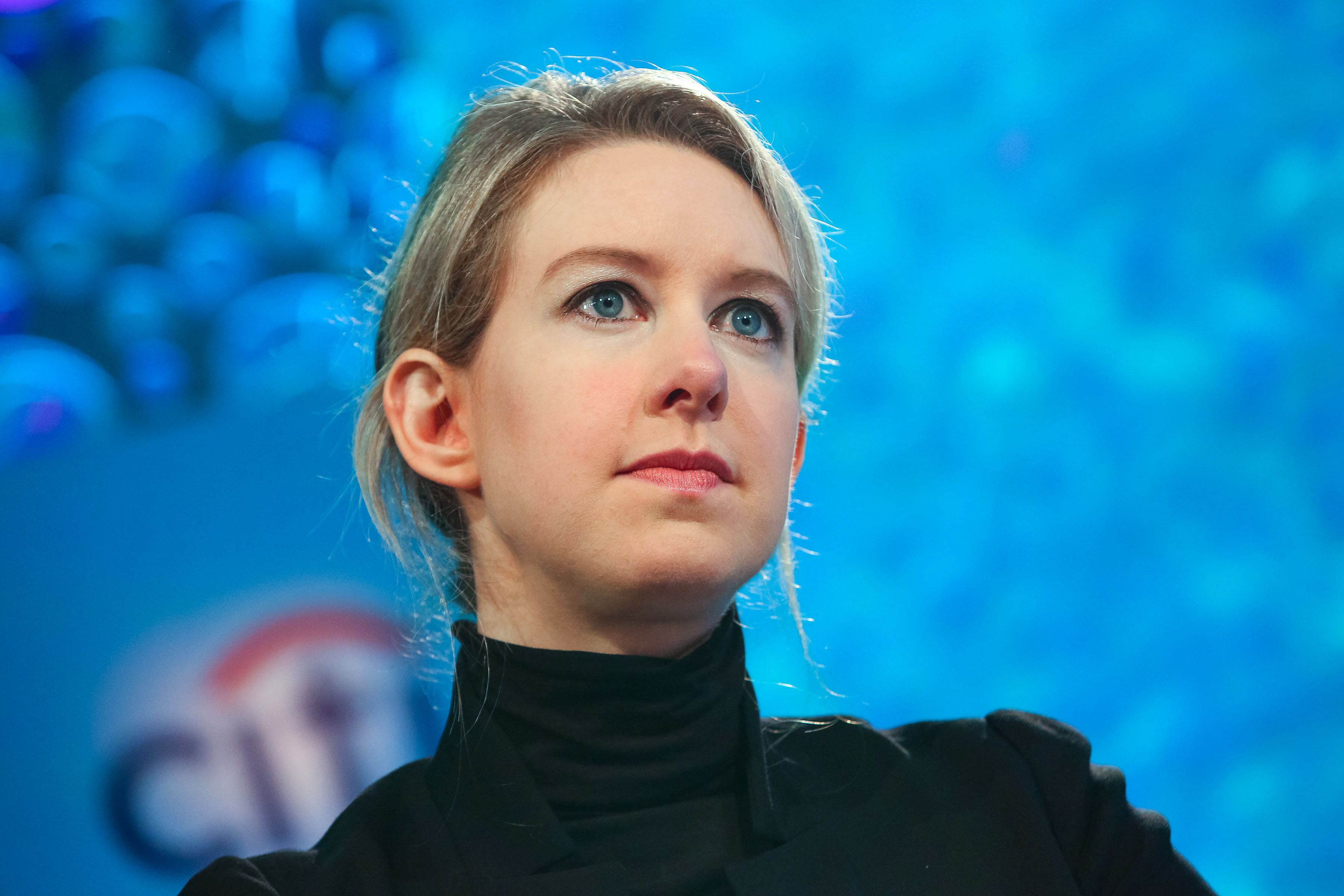
The scandal over the blood-testing start-up Theranos shows why Silicon Valley investors should be wary of putting too much unchecked power in the hands of young founders, says John Carreyrou, the Wall Street Journal reporter who first raised a red flag about the company. He's out with a new book, "Bad Blood: Secrets and Lies in a Silicon Valley Startup."
Google's demo of the A.I powered Duplex voice assistant stunned the world in how it interacted with a real human. But now evidence suggests it may be fake.
Stocks kick off the week with a rally after Treasury Secretary Steven Mnuchin said the prospect of a trade war was "on hold" following an agreement to suspend tariff threats. Tesla CEO Elon Musk unveils details of the souped-up Model 3. President Trump is going after the FBI. Fortnite is launching on Android phones this summer.
Elon Musk said that offering the $78,000 high-performance version of the Tesla Model 3, equipped with faster acceleration and longer battery range, before the base version was actually ready, would help the electric carmaker meet demand. Tesla has struggled to hit production targets for the mass-market Model 3, advertised as a $35,000 car, but with an actual price closer to $50,000.
Schmidt's Naturals is allowing consumers to buy its deodorants online using Bitcoin, the first Unilever brand to dip its toes into cryptocurrency. So far, up to 10 percent of sales online were made in Bitcoin, says Michael Cammarata, a co-founder and the chief executive of Schmidt's Naturals.
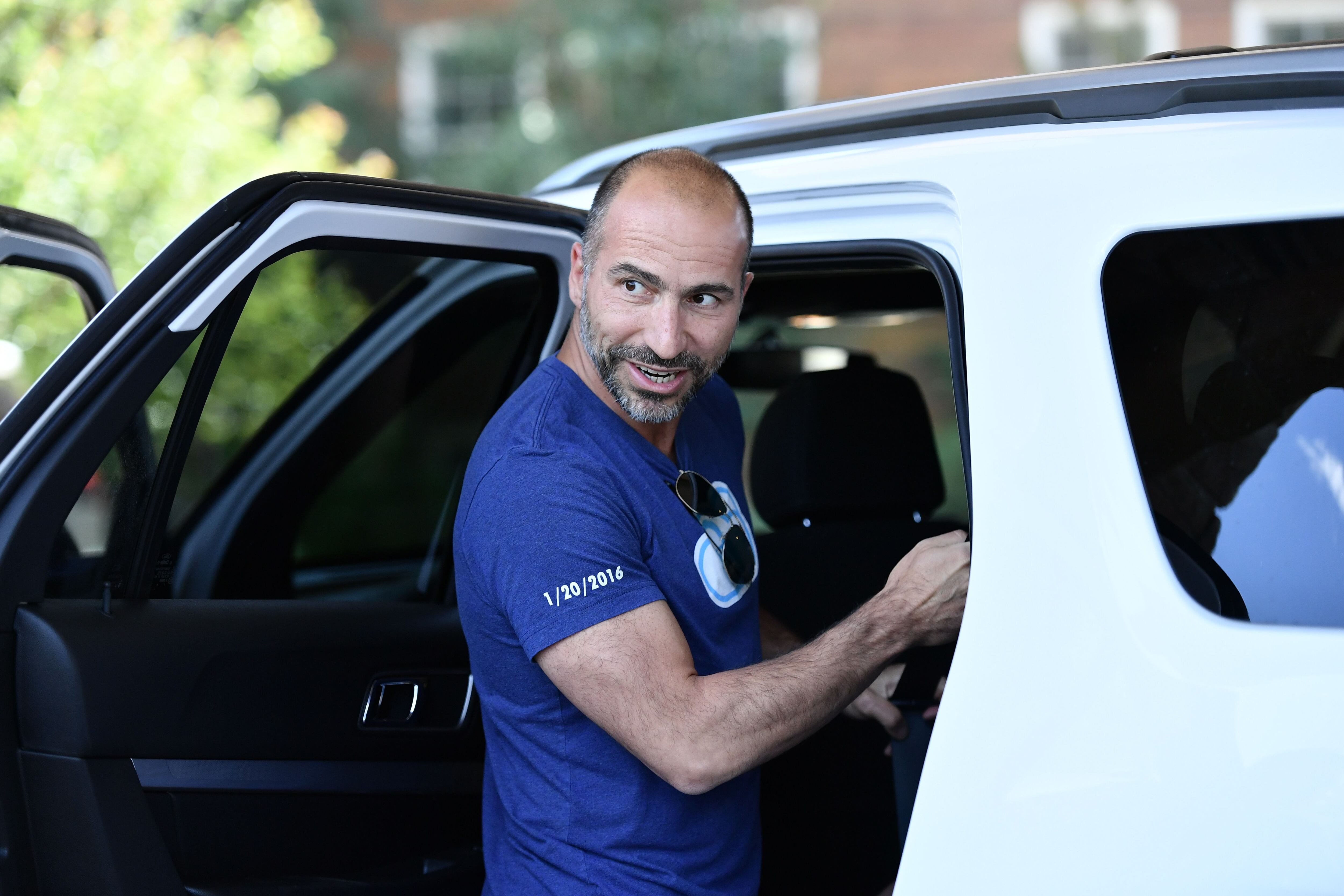
Uber's recently released national TV ad, featuring its new CEO Dara Khosrowshahi, attempts to hit refresh for a company that has been hit by years of negative coverage. Meanwhile Facebook's new ad is more reactive to the recent Cambridge Analytica crisis, says Jon Swartz, a senior reporter at Barron's.
The hedge fund is investing $500 million in blockchain technology, focusing on converting traditional paper equity into tokens, a move that could help regulators, says Anthony Pompliano, a partner at Morgan Creek Blockchain Capital.
A deadly school shooting in Texas, and Elon Musk's plans for LA traffic. Plus the CIA gets its first female director, a one-time, online-only bedding store goes brick-and-mortar, and we get ready for the Royal Wedding.