Millennials Are Investing in Robotics and Artificial Intelligence
Morgan Stanley is getting into the “robo-advice” business, where software manages funds instead of people. The service, Access Investing, is aimed at younger investors, and helps them put their money with the businesses they’re most interested in.
“Forty percent of our clients have chosen to invest in a theme, and the most popular ones [are] robotics and artificial intelligence,” Naureen Hassan, Chief Digital Officer for Wealth Management at Morgan Stanley, told Cheddar.
The financial firm rolled out its Access Investing division, which focuses on advising clients online, in December. Hassan says that her team has seen a lot of engagement with from people 45 and under.
Robo-advisers, or digital investment portfolios, are not very new. The field has competitors, such as Betterment or Wealthfront, that have been making strides in the sector.
But Morgan Stanley says it’s betting on its legacy to differentiate itself in the industry.
“We think it’s the Morgan Stanley investing expertise that really differentiates it,” Hassan said. “That’s why we are offering clients choice, it just isn’t only a passive portfolio, we believe in a mix of assets.”
Catriona Campbell, CTIO, UK and Ireland, EY, joins Cheddar News to discuss how business leaders can bridge the gap between their technology investments and their aspirations, and breaks down the human aspects of A.I.
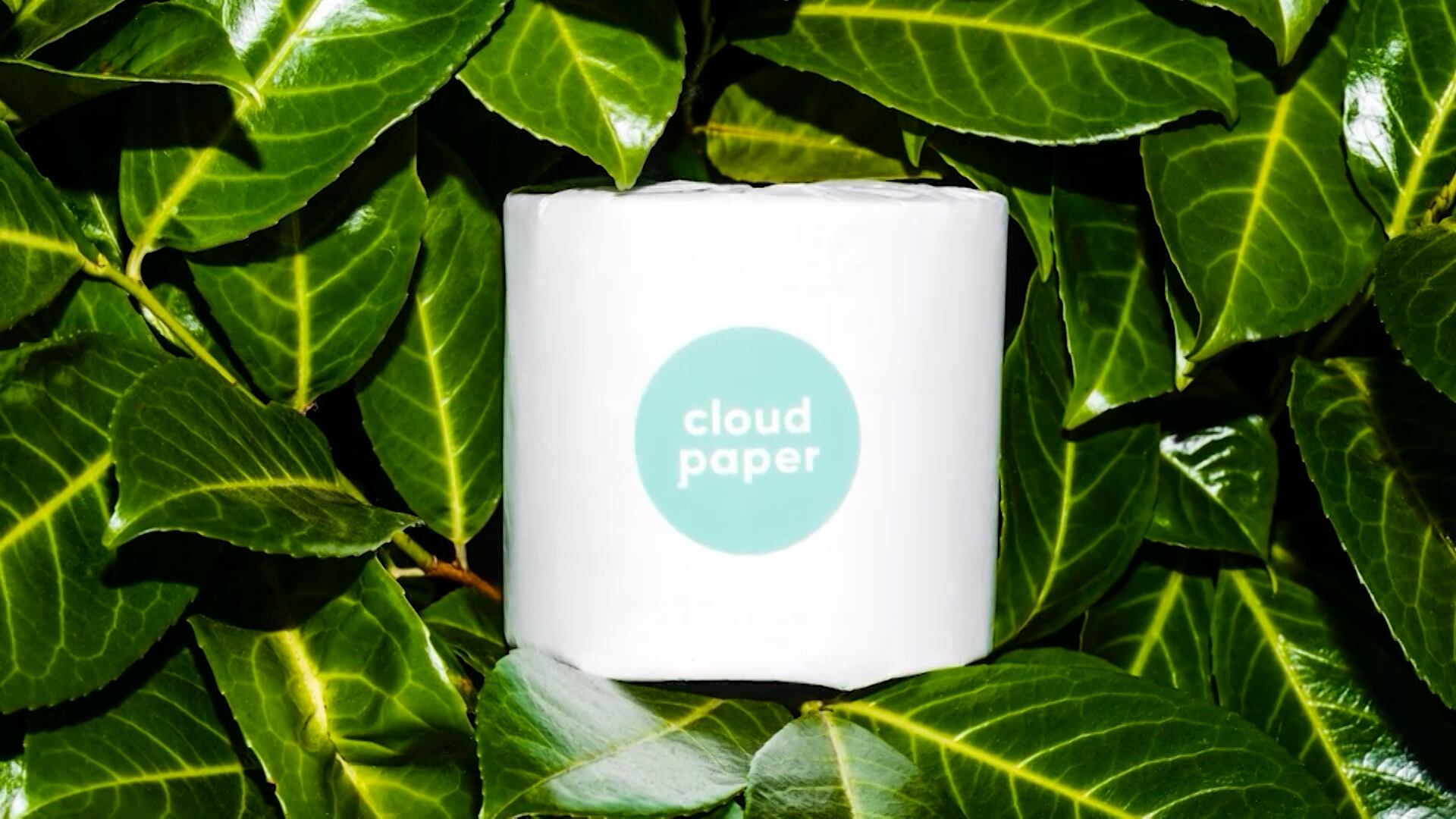
Bamboo-based toilet paper company Cloud Paper raised $5 million in a recent funding round. Its product is a bamboo-based alternative to traditional toilet paper made from trees, and its mission is to end the deforestation caused by traditional paper products. Cloud Paper says the raise will allow it to make significant investments in its supply chain, product development, and hiring. Ryan Fritsch, a co-founder of Cloud Paper, joined Cheddar News' Closing Bell to discuss.
The Biden Administration has now issued new guidelines when it comes to carbon capture. The new guidelines handed down this week encouraged the widespread use of climate attacks that traps and stores carbon emissions. The goal here is the process would help keep carbon out of the atmosphere without requiring a whole lot of change by big companies and manufacturing plants. Several scientists say that this method would be crucial to help us decrease the use of carbon emissions by the year 2050. Professor of Civil and Environmental Engineering at Stanford University, Mark Jacobson, joined Cheddar to discuss more.