Millennials Are House Hunting Virtually to Save Time
The days of homebuyers going from one house to another, looking for the perfect fit, may be over. Real estate agents now want to bring listings to you!
Bill Brown, the CEO of virtual and 3D camera company Matterport, says that millennials welcome the added convenience.
“People can go and see 20 or 30 properties in the time that it’ll take them to drive and see 1 or 2 properties,” Brown said. “It makes the process that much more efficient, you don’t waste a lot of time going and walking through properties that you could’ve easily eliminated upfront.”
Matterport’s technology allows homebuyers to digitally tour and explore a home they might want to move into through headsets, tablets, or other devices.
The trend is catching on. Real estate firm [Redfin](https://www.redfin.com/) says that 1 in 3 people buy homes they have not seen in real life. And the number of people making offers on properties they’ve only visited virtually grew 19 percent in 2017.
Millennials particularly are jumping on board. Redfin says the demographic is three times more likely than Baby Boomers to bid on a home, sight unseen.
For full interview [click here](https://cheddar.com/videos/the-reality-of-real-estate).
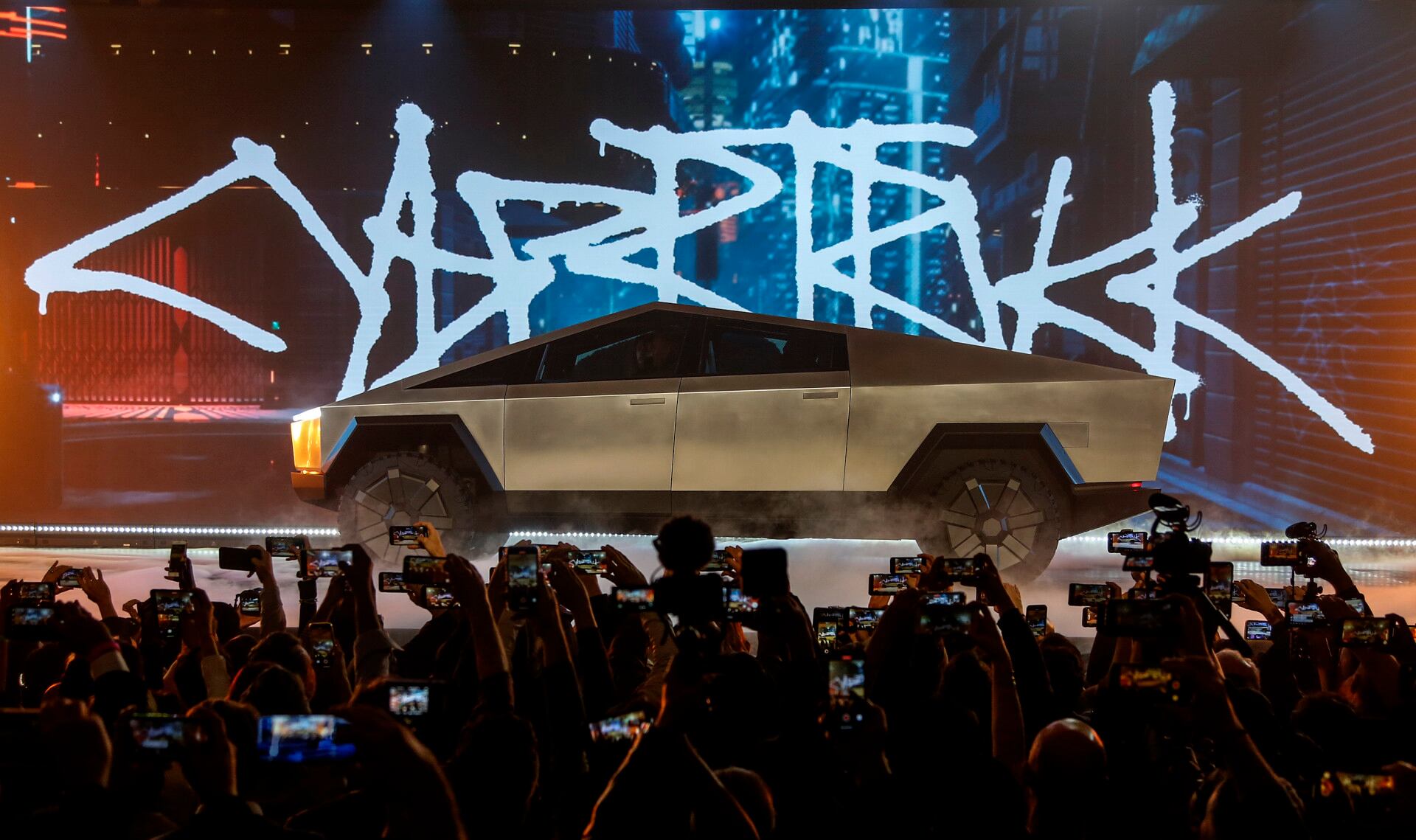
Fed Chair Jerome Powell weighed in on interest rates, some of Tesla's cybertrucks have been delivered, Apple and Paramount have reportedly discussed bundling their streaming services together and Panera Bread has reportedly filed to go public.
Build-A-Bear Workshop has been one of the most recognizable and beloved toy brands in the world since opening in 1997. Sharon Price John, CEO of Build-A-Bear Workshop, spoke with Cheddar News about its plans for the holiday season this year as well as the company's first animated feature film.
Stocks were generally flat after the opening bell on Friday ahead of Federal Reserve Chair Jerome Powell's comments in a speech at Spelman College later. Investors are growing optimistic that the central bank is done raising rates and may start cutting next year.
The network of nearly 4,800 fake accounts was attempting to build an audience when it was identified and eliminated by the tech company, which owns Facebook and Instagram.
Someone in China created thousands of fake social media accounts designed to appear to be from Americans and used them to spread polarizing political content in an apparent effort to divide the U.S. ahead of next year's elections, Meta said Thursday.