Microsoft is reportedly considering a $10 billion investment in San Francisco-based startup OpenAI, which owns ChatGPT.
The artificial intelligence-based chatbot became available to the public in November and quickly garnered both praise and criticism for its ability to churn out reams of human-sounding text based on a few simple prompts.
The chatbot is so convincing that schools across the United States are banning it from classrooms to prevent students from using it to cheat on assignments, and venture capital firms are looking into ways to use the tech in their daily operations.
Microsoft is apparently a fan of the technology. The company invested $1 billion worth of cash and cloud credits into OpenAI in 2019, and now it could be looking to increase its stake. So what is it exactly, and why is one of the biggest tech companies in the world interested?
ChatGPT uses what's called a "large language model" to read and translate text from a database and then predict future words in a sequence. This is similar to how Google Docs is able to predict the end of a sentence that you're writing, but ChatGPT is writing the entire sentence. The end result is something that sounds a lot like intelligent speech, but it's actually just a series of probabilities rapidly generated and then spit out for your reading pleasure (or displeasure).
While ChatGPT can approximate human speech, oftentimes the actual content doesn't make sense. Just scan social media for examples of how silly ChatGPT's output can be. As one critic recently argued in The Atlantic, it currently functions more as a toy than a tool.
OpenAI CEO Sam Altman also recognized that the technology has serious limits.
"ChatGPT is incredibly limited, but good enough at some things to create a misleading impression of greatness," he tweeted in December. "It's a mistake to be relying on it for anything important right now."
That said, Altman is banking on continual improvements, which could explain why Microsoft is interested.
Markets opened higher on the first trading day of the new year as investors continue to watch inflation and the rapid spread of the omicron variant in the U.S. Frances Newton Stacy, Optimal Capital Dir. of Strategy/Market Analyst joined Cheddar's Opening Bell to discuss.
Markets opened higher as investors react to positive data on the labor front, with weekly jobless claims falling to 198,000 for the week ending December 25. Ross Mayfield, investment strategy analyst at Baird joined Cheddar's Opening Bell to discuss the market open.
Sky Harbour, a company developing private aviation infrastructure, is gearing up to land on Wall Street. The company announced plans to go public through a SPAC deal with Yellowstone Acquisition Company, valuing the combined venture at $777 million. The company will trade on the New York Stock Exchange as $SKYH.
Dish Network is reportedly in discussions to merge with DirecTV. According to the NY Post, the two sides are currently 'trying to iron out the details.' The competitors have had talks in the past -- over the course of the past 20 years, but those talks been halted by the DOJ over antitrust concerns. Lydia Moynihan, Business Reporter, NY Post joined Cheddar's Opening Bell to discuss.
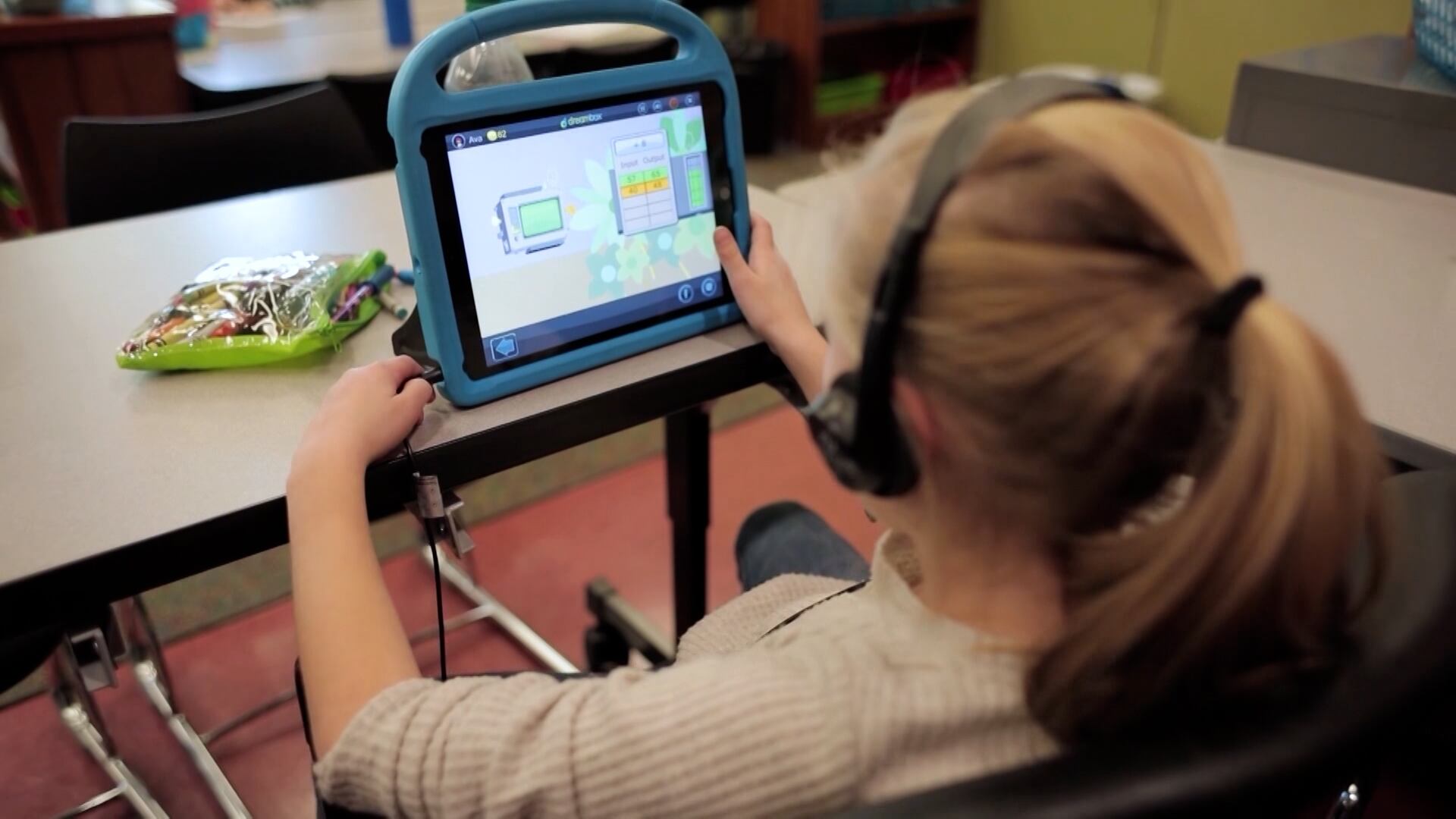
Jessie Woolley-Wilson, President and CEO of DreamBox Learning, joins ChedHER to discuss how technology is transforming the way the world learns, and her career journey as a leading woman of color in the tech industry.
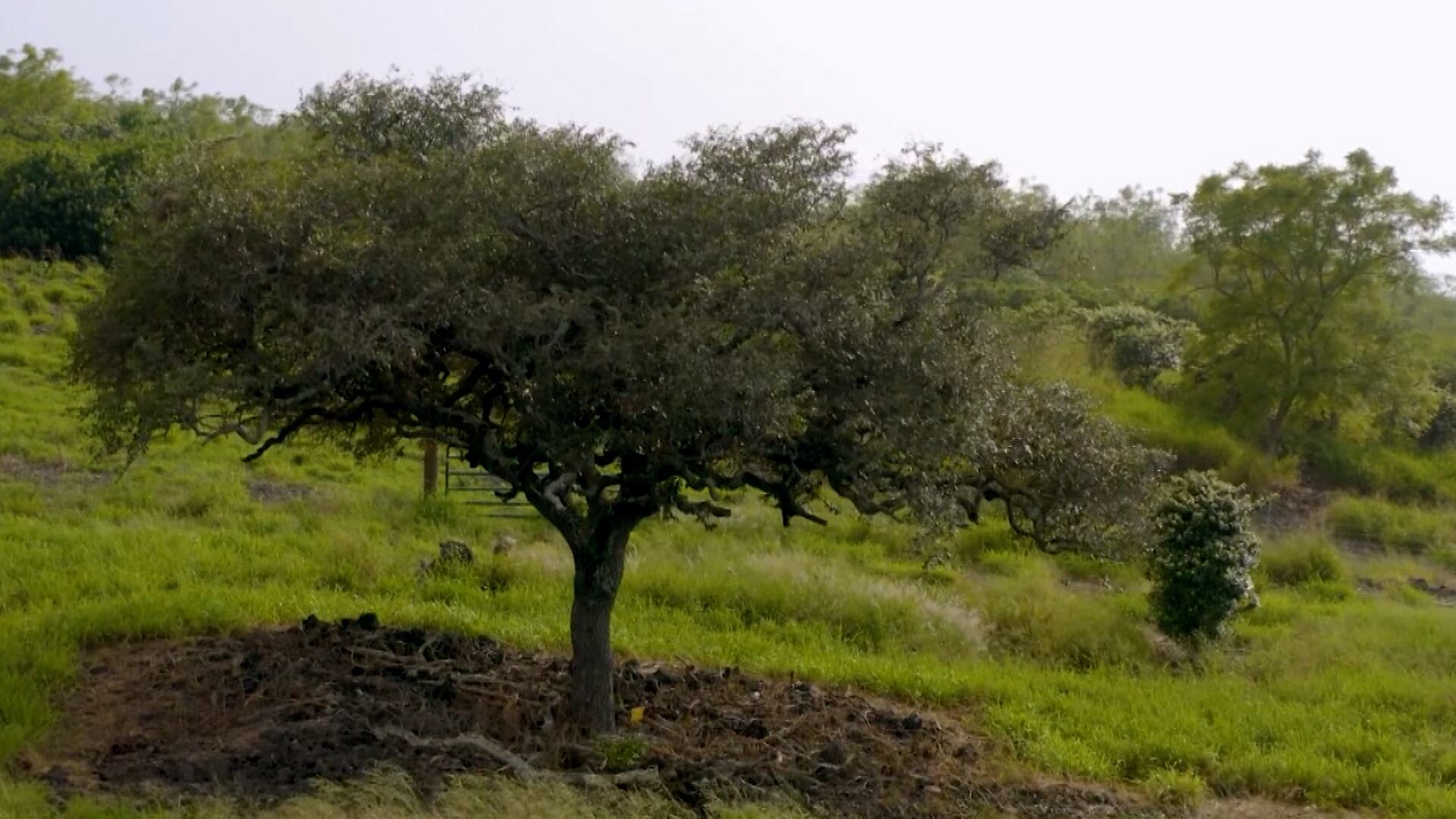
One startup is working to reverse climate change one seed at a time. Terraformation is a global forest accelerator that provides tools, training, financing, and business support to help scale forest restoration projects worldwide. Forests naturally absorb carbon and Terraformation says that reforestation is a safe, low-cost, and scalable solution to the climate crisis. Yee Lee, VP of growth at Terraformation, joins Cheddar Climate to discuss.
Back in February 2021, Twitter announced its three-year plan to double development velocity, to reach 315 million monetizable users, and double its total annual revenue. Chief Customer Officer Sarah Personette, joined Cheddar to discuss where the social media giant stands now a year after the announcement. "The progress against all three of those pillars has been substantial, and we'll continue to drive that over the course of the next year and beyond," she said. Personette also discussed the leadership of Twitter's CEO Parag Agrawal who took over for founder Jack Dorsey late in 2021.
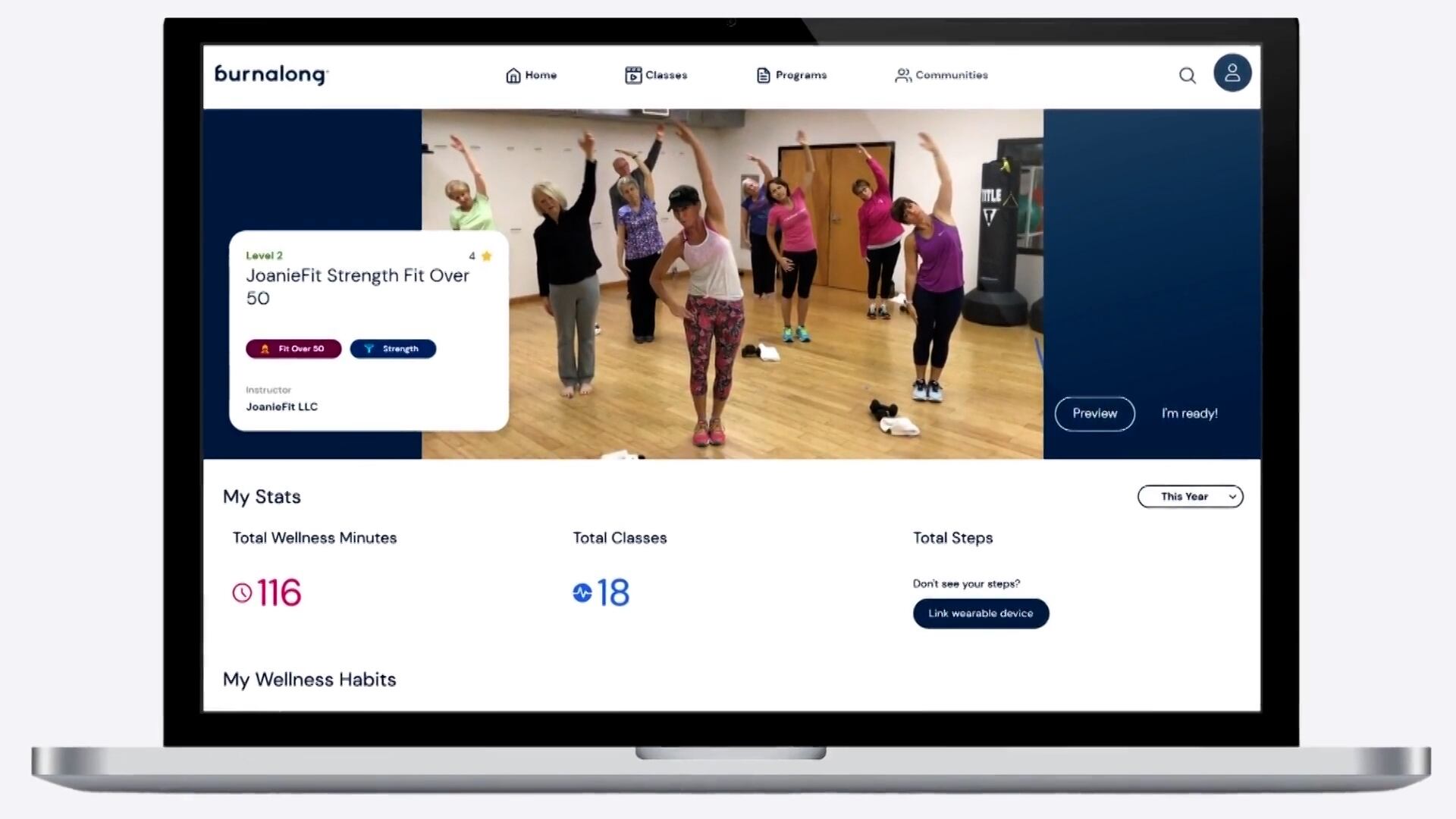
Daniel Freedman, co-CEO of Burnalong, joins Cheddar News to talk about how Burnalong is helping companies support its staff and prevent workplace burnout.