Microsoft is reportedly considering a $10 billion investment in San Francisco-based startup OpenAI, which owns ChatGPT.
The artificial intelligence-based chatbot became available to the public in November and quickly garnered both praise and criticism for its ability to churn out reams of human-sounding text based on a few simple prompts.
The chatbot is so convincing that schools across the United States are banning it from classrooms to prevent students from using it to cheat on assignments, and venture capital firms are looking into ways to use the tech in their daily operations.
Microsoft is apparently a fan of the technology. The company invested $1 billion worth of cash and cloud credits into OpenAI in 2019, and now it could be looking to increase its stake. So what is it exactly, and why is one of the biggest tech companies in the world interested?
ChatGPT uses what's called a "large language model" to read and translate text from a database and then predict future words in a sequence. This is similar to how Google Docs is able to predict the end of a sentence that you're writing, but ChatGPT is writing the entire sentence. The end result is something that sounds a lot like intelligent speech, but it's actually just a series of probabilities rapidly generated and then spit out for your reading pleasure (or displeasure).
While ChatGPT can approximate human speech, oftentimes the actual content doesn't make sense. Just scan social media for examples of how silly ChatGPT's output can be. As one critic recently argued in The Atlantic, it currently functions more as a toy than a tool.
OpenAI CEO Sam Altman also recognized that the technology has serious limits.
"ChatGPT is incredibly limited, but good enough at some things to create a misleading impression of greatness," he tweeted in December. "It's a mistake to be relying on it for anything important right now."
That said, Altman is banking on continual improvements, which could explain why Microsoft is interested.
Amazon warehouse workers in Alabama are set to begin voting to unionize for a second time after workers at the facility in the town of Bessemer overwhelmingly voted against forming a union during an election early last year; but in November, the National Labor Relations Board overturned the vote, upholding a union challenge of the results which argued that Amazon undermined the conditions for a fair election. Another round of ballots will now be mailed out to works at the warehouse for a so-called re-run election. Director of Labor and Employment Studies at San Francisco State University John Logan and National Field Director for Our Revolution Mike Oles joined Cheddar News' Closing Bell to discuss.
February 8 is Safer Internet Day, and Google has partnered with online education organization Khan Academy to release a courseload focused on internet safety. The partnership includes a $5 million donation towards content development from Google, with modules to be made available in various languages throughout 2022. Founder of Khan Academy, Sal Khan, joined Cheddar News to discuss the partnership. "We need to get to a world where everyone of all ages has a chance to learn and practice and feel good that they can navigate the internet in a safe way,” said Khan.
Big tech companies such as Amazon and Google are garnering criticism for failing at their proposed climate pledges, most of which rely on carbon offsets — a potential loophole where companies pay others to address their omissions. Gilles Dufrasne, policy officer at Carbon Market Watch, joined Cheddar News to explain the organization's negative evaluation. "The objective here is not to bash companies and say everybody is doing the wrong thing," he said. "The objective is to also provide lessons, and there are some companies that are doing the right thing."
U.S. markets opened lower as disappointing Meta earnings dragged down the tech-heavy Nasdaq. Today, investors will be watching for Amazon's Q4 earnings report set for release after the market close. Greg Swenson, Founding Partner, Brigg Macadam joined Cheddar's Opening Bell to discuss.
Markets opened mostly higher led by gains in the tech sector on strong Q4 earnings. It comes after a tumultuous January which saw stocks suffer one of their worst months since the early days of the pandemic. Jim Worden, Chief Investment Officer, Wealth Consulting Group joined Cheddar's Opening Bell to discuss early market activity.
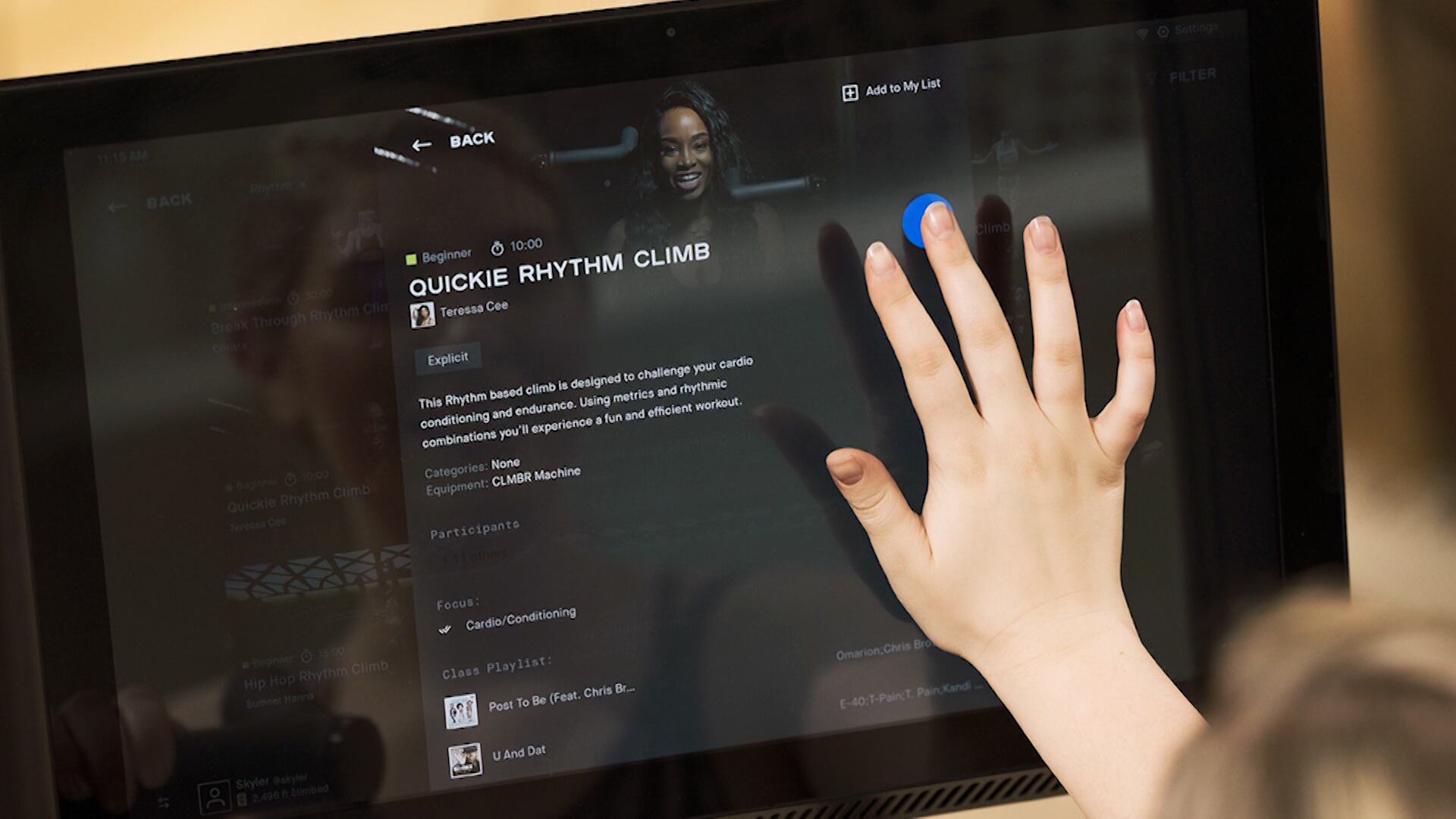
CLMBR is hoping to become the next big thing in connected fitness. The brand offers a high intensity, low impact workout with on-demand, instructor-led classes. Avrum Elmakis, CLMBR's CEO and founder, joined Cheddar to discuss where the company is heading next.