Microsoft is reportedly considering a $10 billion investment in San Francisco-based startup OpenAI, which owns ChatGPT.
The artificial intelligence-based chatbot became available to the public in November and quickly garnered both praise and criticism for its ability to churn out reams of human-sounding text based on a few simple prompts.
The chatbot is so convincing that schools across the United States are banning it from classrooms to prevent students from using it to cheat on assignments, and venture capital firms are looking into ways to use the tech in their daily operations.
Microsoft is apparently a fan of the technology. The company invested $1 billion worth of cash and cloud credits into OpenAI in 2019, and now it could be looking to increase its stake. So what is it exactly, and why is one of the biggest tech companies in the world interested?
ChatGPT uses what's called a "large language model" to read and translate text from a database and then predict future words in a sequence. This is similar to how Google Docs is able to predict the end of a sentence that you're writing, but ChatGPT is writing the entire sentence. The end result is something that sounds a lot like intelligent speech, but it's actually just a series of probabilities rapidly generated and then spit out for your reading pleasure (or displeasure).
While ChatGPT can approximate human speech, oftentimes the actual content doesn't make sense. Just scan social media for examples of how silly ChatGPT's output can be. As one critic recently argued in The Atlantic, it currently functions more as a toy than a tool.
OpenAI CEO Sam Altman also recognized that the technology has serious limits.
"ChatGPT is incredibly limited, but good enough at some things to create a misleading impression of greatness," he tweeted in December. "It's a mistake to be relying on it for anything important right now."
That said, Altman is banking on continual improvements, which could explain why Microsoft is interested.
Energy Impact Partners is a VC firm committed to helping the world move toward a more sustainable future. The tech-focused fund aims to reach $350 million for its Deep Decarbonization Frontier Fund,' which aims to support early-stage companies working on innovative solutions. Energy Impact Partners' Managing Director Andy Lubershane joined Cheddar Climate to discuss.
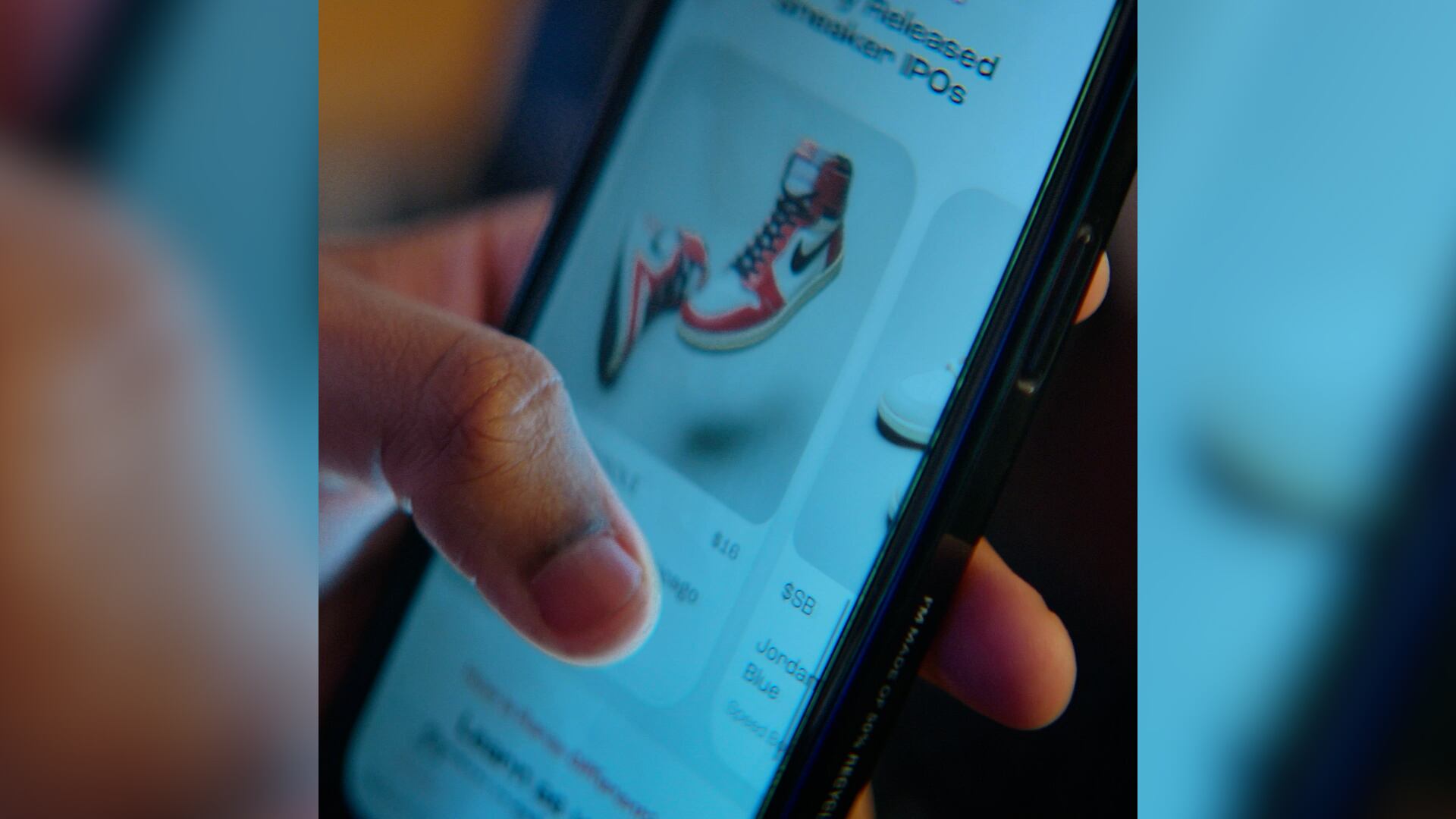
Over the years we have heard a number of ways people can invest. However, have you thought about how you could invest in sneakers? Well, one platform says you can do that and more.RARE is an investment platform for sneakers that allows users to easily invest in the sneaker culture by giving them the opportunity to buy and trade shares of rare shoes and letting users own some of the most sought-after kicks at a fractional level. Rare says the goal is to empower the communities who made sneakers what they are today and give everyone a piece of the pie. CEO of RARES, Gerome Sapp, joined Cheddar to discuss more.
Crypto is increasingly becoming a hotspot for criminals and fraud with cryptocurrency crime reaching a record-breaking high. reports show scammers took $14 billion worth of crypto in 2021 alone. The latest crypto scam is aimed at investors in Binance. Ben Armstrong, the founder of Bitboy Crypto, joins Cheddar News to discuss.
SES Holdings, a leader in production of high-performance hybrid lithium-metal rechargeable batteries for electric vehicles, has arrived on Wall Street. The company went public via SPAC deal and now trades on the New York Stock Exchange under the ticker 'SES.' Qichao Hu, founder & CEO, joined Cheddar Movers to discuss the debut as well as what lies ahead for the company.
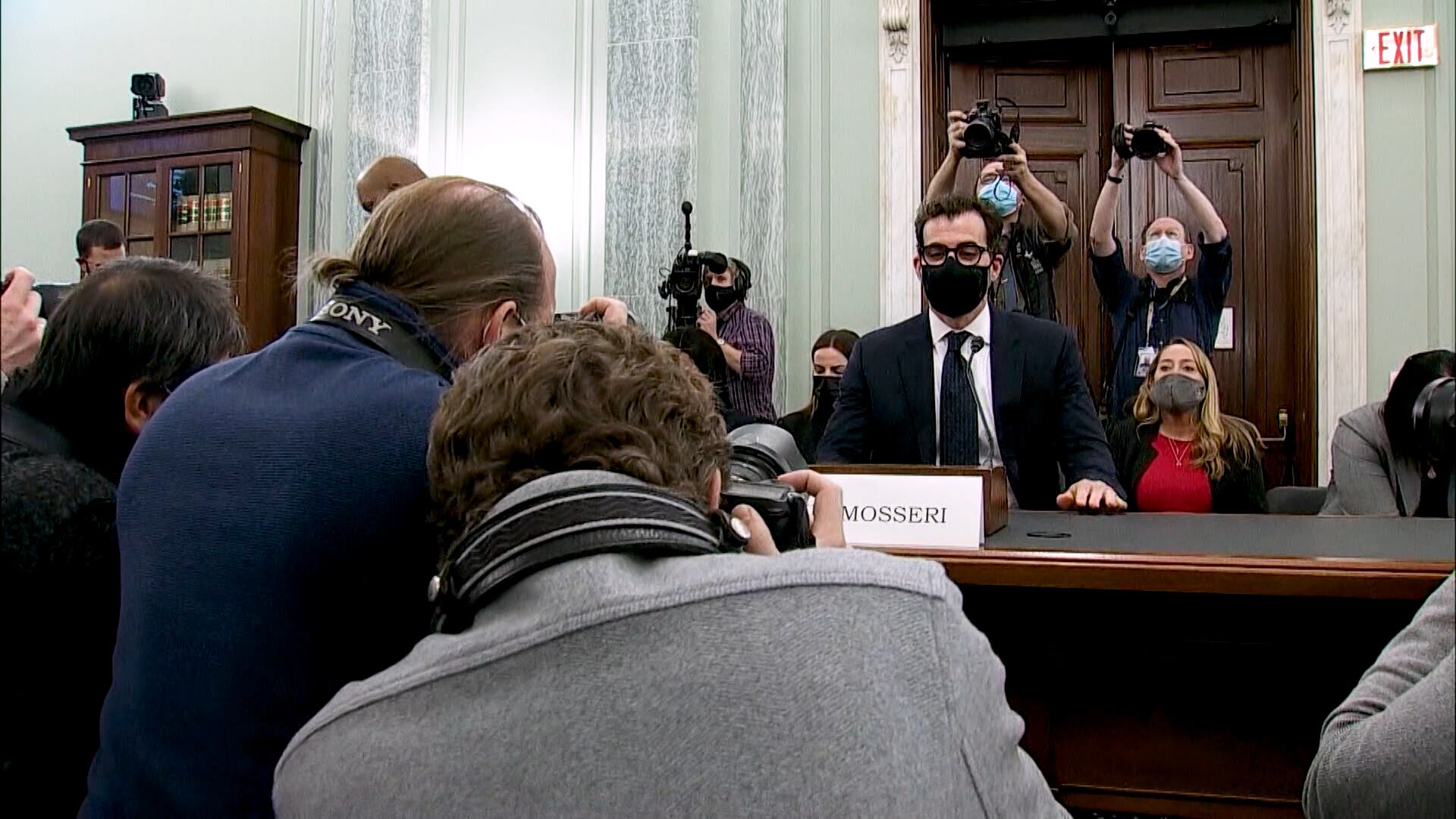
More than 70 religious leaders have come together to sign a letter to urge Mark Zuckerberg and Meta to halt plans for Instagram for Kids. The signers claim that this new platform, currently on pause, could cause spiritual harm to young people. Lucy Kidwell, the screen-free week coordinator for the nonprofit that organized the letter, Fairplay, joined Cheddar News to discuss the issue on Safer Internet Day. "It's not necessarily the content, even, that's on these platforms, but more the structure of the app itself," she said. "It's all focused on comparison, promoting yourself, putting forward this image of perfection and this beautiful life that's really harmful to kids who can't really separate what's real and what's fake and who may not be emotionally mature enough to handle something so complicated."