Microsoft is reportedly considering a $10 billion investment in San Francisco-based startup OpenAI, which owns ChatGPT.
The artificial intelligence-based chatbot became available to the public in November and quickly garnered both praise and criticism for its ability to churn out reams of human-sounding text based on a few simple prompts.
The chatbot is so convincing that schools across the United States are banning it from classrooms to prevent students from using it to cheat on assignments, and venture capital firms are looking into ways to use the tech in their daily operations.
Microsoft is apparently a fan of the technology. The company invested $1 billion worth of cash and cloud credits into OpenAI in 2019, and now it could be looking to increase its stake. So what is it exactly, and why is one of the biggest tech companies in the world interested?
ChatGPT uses what's called a "large language model" to read and translate text from a database and then predict future words in a sequence. This is similar to how Google Docs is able to predict the end of a sentence that you're writing, but ChatGPT is writing the entire sentence. The end result is something that sounds a lot like intelligent speech, but it's actually just a series of probabilities rapidly generated and then spit out for your reading pleasure (or displeasure).
While ChatGPT can approximate human speech, oftentimes the actual content doesn't make sense. Just scan social media for examples of how silly ChatGPT's output can be. As one critic recently argued in The Atlantic, it currently functions more as a toy than a tool.
OpenAI CEO Sam Altman also recognized that the technology has serious limits.
"ChatGPT is incredibly limited, but good enough at some things to create a misleading impression of greatness," he tweeted in December. "It's a mistake to be relying on it for anything important right now."
That said, Altman is banking on continual improvements, which could explain why Microsoft is interested.
The growth of the metaverse is bringing new challenges to managing safe, diverse communities. Helping Cheddar kick off Women's History Month, Tiffany Xingyu Wang, chief marketing officer for AI-powered content moderation company Spectrum Labs, joined Cheddar's Opening Bell to discuss how platforms can help create safer, more inclusive online communities in the metaverse and about her own experience as a woman in technology. "Trust is really the new digital transformation, and it should not be a siloed task solely belonging to chief security officers, to privacy officers, or the people who were given the task of trust and safety," she said. "It should be a priority for all the C suite and a whole company to rally around."
On this episode of Cheddar Innovates: Vision Marine Technologies CEO discusses how e-boats will play a role in the fight against the climate crisis; Lasso CEO breaks down how the design behind these compression socks can prevent injuries and improve performance; Cheddar gets a look at Curiosity Stream's 'The Tombs Of Egypt.'
Catriona Campbell, CTIO, UK and Ireland, EY, joins Cheddar News to discuss how business leaders can bridge the gap between their technology investments and their aspirations, and breaks down the human aspects of A.I.
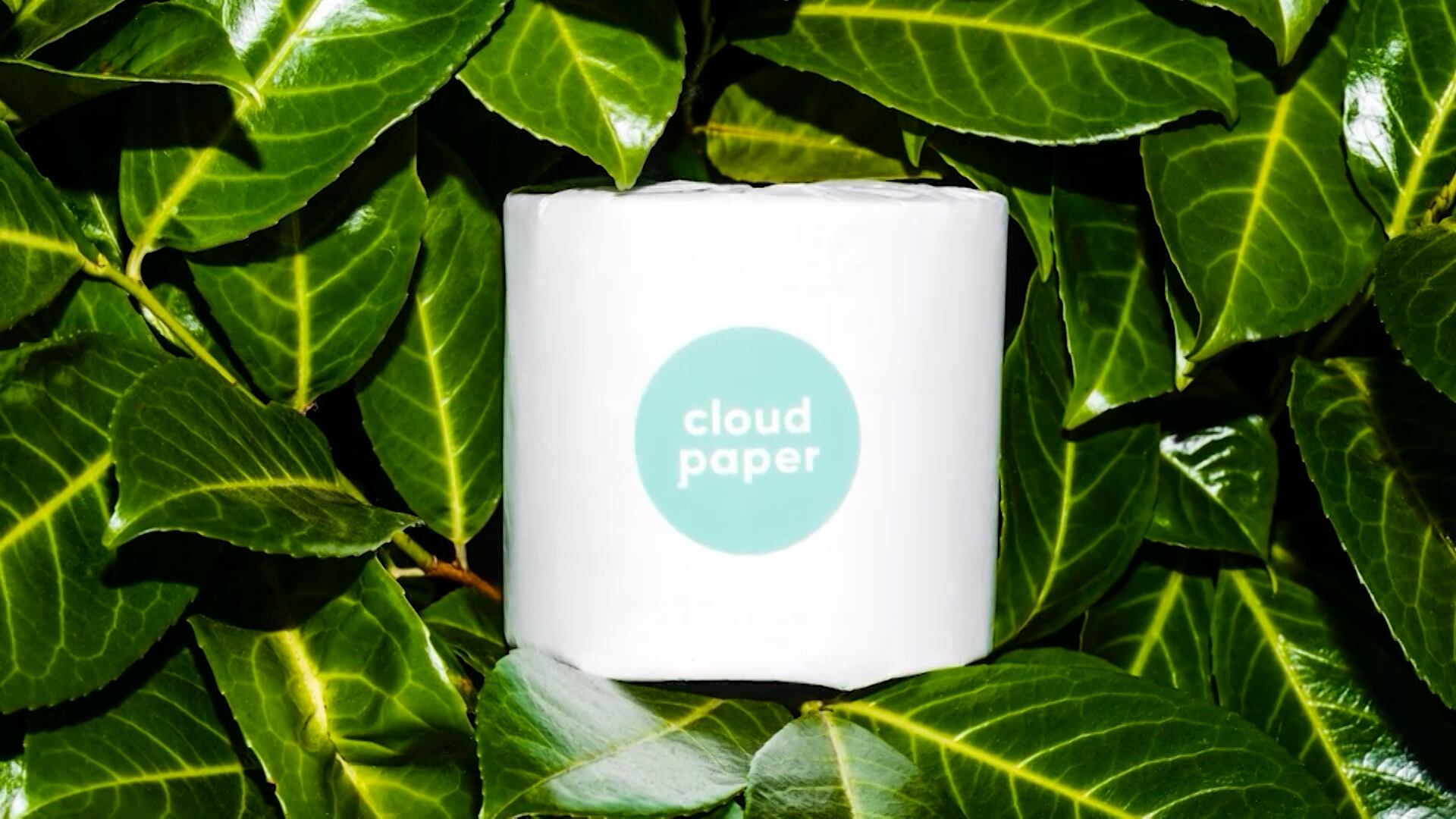
Bamboo-based toilet paper company Cloud Paper raised $5 million in a recent funding round. Its product is a bamboo-based alternative to traditional toilet paper made from trees, and its mission is to end the deforestation caused by traditional paper products. Cloud Paper says the raise will allow it to make significant investments in its supply chain, product development, and hiring. Ryan Fritsch, a co-founder of Cloud Paper, joined Cheddar News' Closing Bell to discuss.
The Biden Administration has now issued new guidelines when it comes to carbon capture. The new guidelines handed down this week encouraged the widespread use of climate attacks that traps and stores carbon emissions. The goal here is the process would help keep carbon out of the atmosphere without requiring a whole lot of change by big companies and manufacturing plants. Several scientists say that this method would be crucial to help us decrease the use of carbon emissions by the year 2050. Professor of Civil and Environmental Engineering at Stanford University, Mark Jacobson, joined Cheddar to discuss more.