Technology is rapidly changing, and Microsoft is working to make sure the education industry is keeping up. Microsoft announced new Windows devices and a mixed reality curriculum to prepare the next generation of students. Barbara Holzapfel, General Manager of Education Marketing at Microsoft, was with us to explain how the new curriculum works.
Holzapfel said the next generation of students will face a new job market that will consist of jobs that don't even exist yet. She explained how Microsoft's curriculum will develop life skills that can be applied to a wide range of jobs. Research conducted by Microsoft revealed the importance of social emotional skills and personalized learning. The company's goal is to line up technology to help enable that.
Getting their technology into schools has been a significant initiative for companies such as Microsoft and Google. Google's Chromebook has about 60% of the marketshare in U.S. classrooms K-12. Windows takes 2nd place with about 22%. Holzapfel explained how Microsoft's newest devices will help the company compete.
Paul Verna of Insider Intelligence breaks down how the company is positioned, whether they can make their streaming service profitable, and the upper limit of streaming bundle prices.
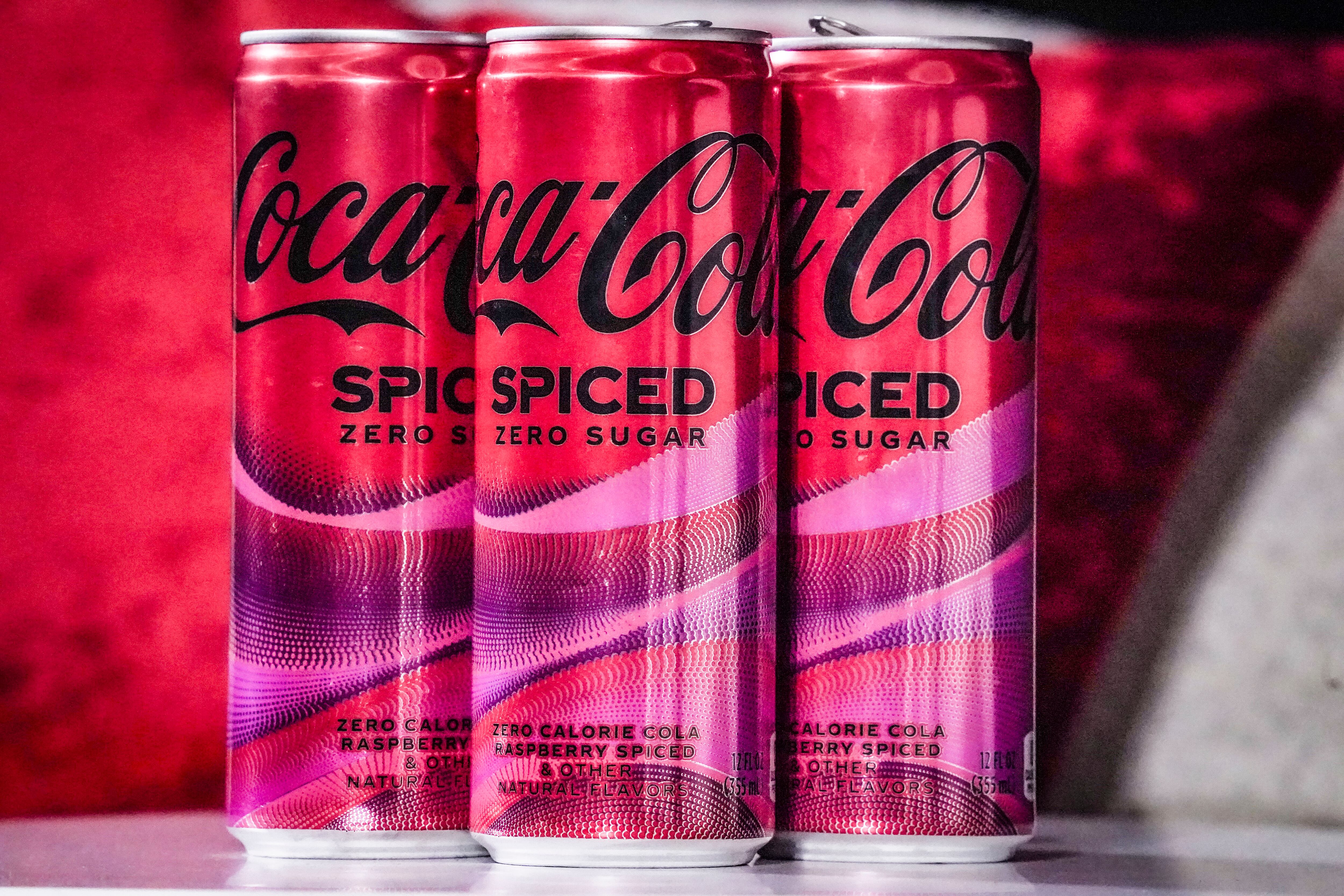
From Flamin’ Hot Cheetos to Sweet Heat Starburst, America’s snacks are getting spicier. Now, Coca-Cola wants in on the trend. The beverage giant introduced Coca-Cola Spiced, the first new permanent offering to its North American portfolio in three years.
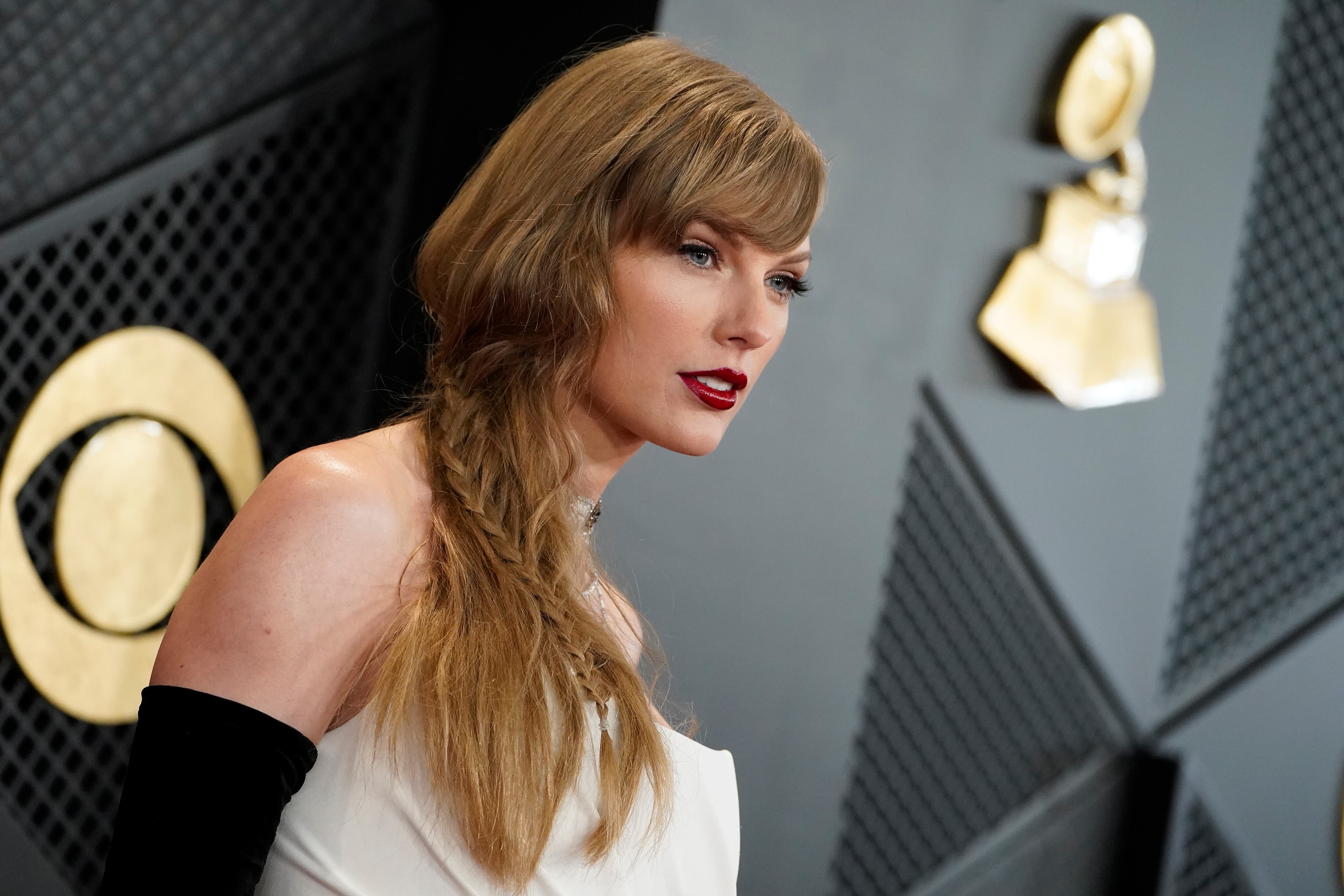
Taylor Swift’s camp is hitting Jack Sweeney, a junior at the University of Central Florida, with a cease-and-desist letter that blamed his automated tracking of her private jet for tipping off stalkers as to her location.
Surprise, surprise: tech is still the sector to watch, according to Karyn Cavanaugh, Chief Investment Officer at Carolinas Wealth Management. Learn how to properly diversify your portfolio.
Facebook and Instagram users will start seeing labels on AI-generated images in their feeds. Hopefully this will save time for everyone zooming in each picture to see how many fingers someone's hand has.