*By Carlo Versano*
A sophisticated hacking network with ties to Russian intelligence created fake versions of websites for several conservative think tank and U.S. government-affiliated groups in a spear-phishing scheme to gain control of visitors' computers, according to Microsoft's Digital Crime Unit, which announced it had uncovered and disabled the sites in a [blog post](https://blogs.microsoft.com/on-the-issues/2018/08/20/we-are-taking-new-steps-against-broadening-threats-to-democracy/) Tuesday.
There is no evidence that any successful attacks were executed using this method, Microsoft said in the post.
Among the targets by the group ー known as APT28 or Fancy Bear ー were the Hudson Institute, a conservative think tank in Washington and the State Dept-affiliated non-profit International Republican Institute (IRI). Microsoft also detected a site designed to look like one of its own pages. The other fake sites were built to appear affiliated with the U.S. Senate, Microsoft said.
The report from Microsoft appears to confirm two things: contrary to President Trump's comments in Helsinki in July, the Russian government remains actively involved in attempting to influence American politics as the midterm elections approach; and the tech industry is more committed to identifying and disabling foreign influence campaigns.
Daniel Twining, the president of IRI, [said](https://twitter.com/DCTwining/status/1031884350919458816) his group had been the target of a, "sophisticated Kremlin cyberattack. Another example of how Putin's Russia weaponizes its assault on democratic actors & institutions in the West."
Kenneth Weinstein, the president of the Hudson Institute, [tweeted](https://twitter.com/KenWeinstein/status/1031862589251379202) on Tuesday that he was "deeply proud" of the work that "got us targeted by the GRU," Russia's spy organization.
Microsoft president Brad Smith told the [New York Times](https://www.nytimes.com/2018/08/21/us/politics/russia-cyber-hack.html) that, based on the groups being targeted, the hacking seems to be an extension of Putin's effort to subvert Western democracy. Both the Hudson Institute and IRI have ties to establishment Republicans who have been openly critical of Trump.
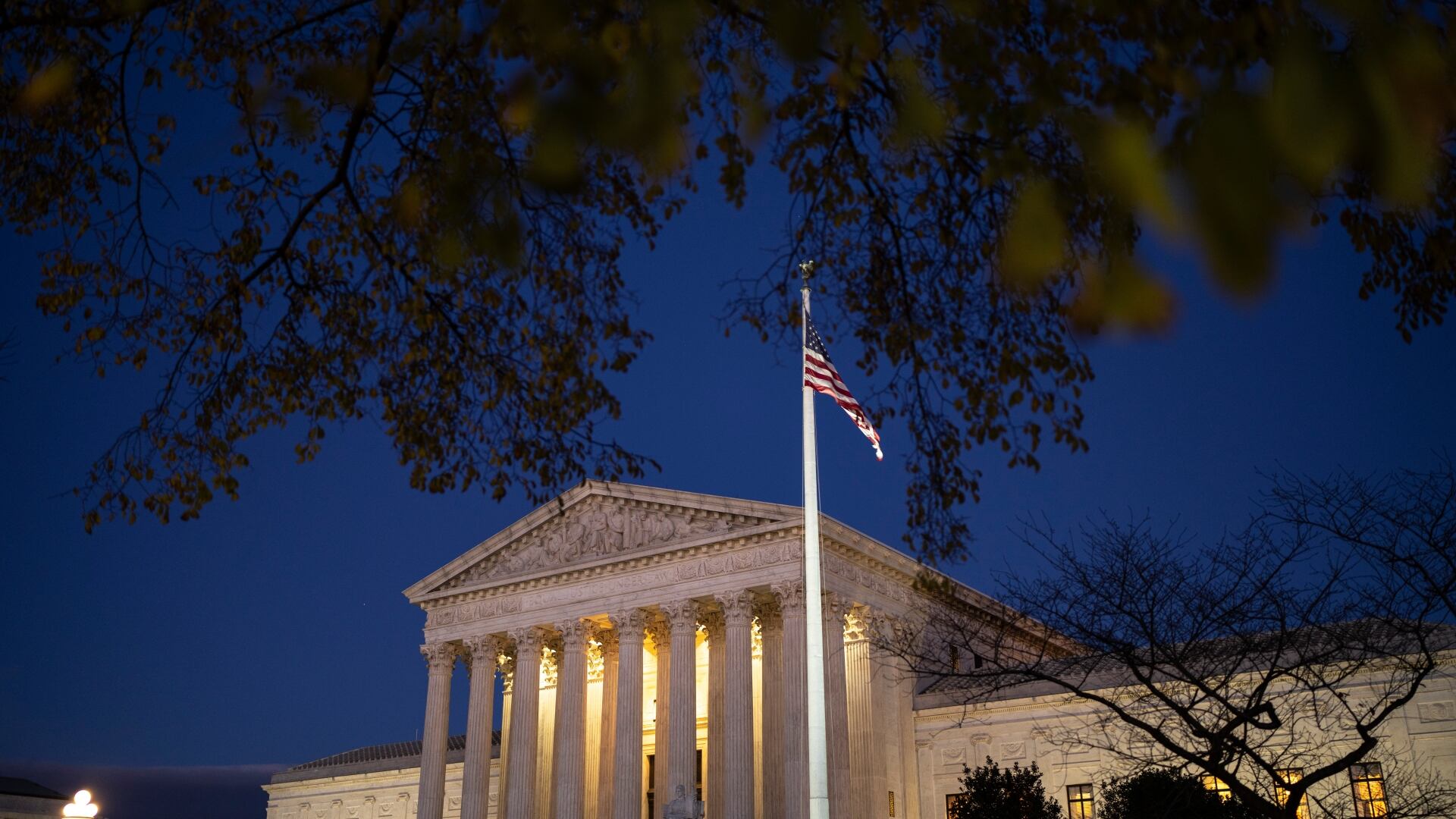
The Supreme Court appeared prepared Wednesday to uphold a Mississippi law that would ban almost all abortions after 15 weeks of pregnancy. The ruling is far from over, with Roe V. Wade at risk. Susan Rinkunas, senior reporter at Jezebel, joins Cheddar News to share the developments of the hearing.
The nine justices heard arguments Wednesday, around a Mississippi abortion law that bans the procedure after 15 weeks and appeared to lean toward upholding the law, while leaving uncertainty about the landmark precedent, Roe v. Wade. Kristin Ford, vice president of communications and research at NARAL Pro-Choice America joins Cheddar News to discuss.
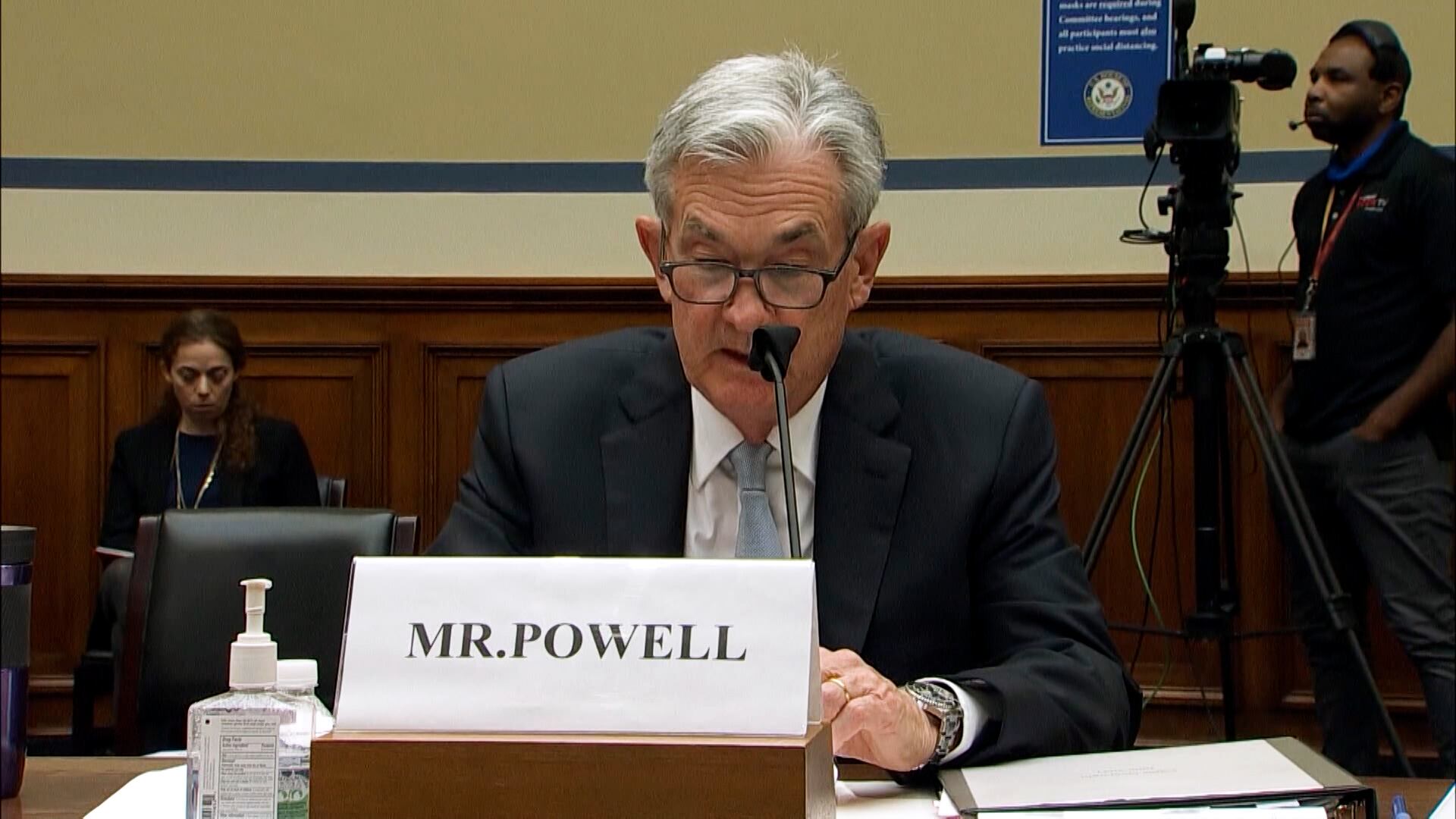
Just about a week after being re-nominated, Federal Reserve Chair Jermone Powell is changing his tune. After nearly a year of referring to inflation as 'transitory,' Powell said he will retire the 'T' word as inflation remains elevated. Christopher Russo, Post-Graduate Research Fellow, Mercatus Center joined Cheddar's Opening Bell to discuss.
Airbnb has come under fire after an Axios report found that the rental company has properties available in China's Xinjiang region where the nation has been accused of committing genocide against Uyghur Muslims, demolishing their homes, and replacing them with tourist attractions.
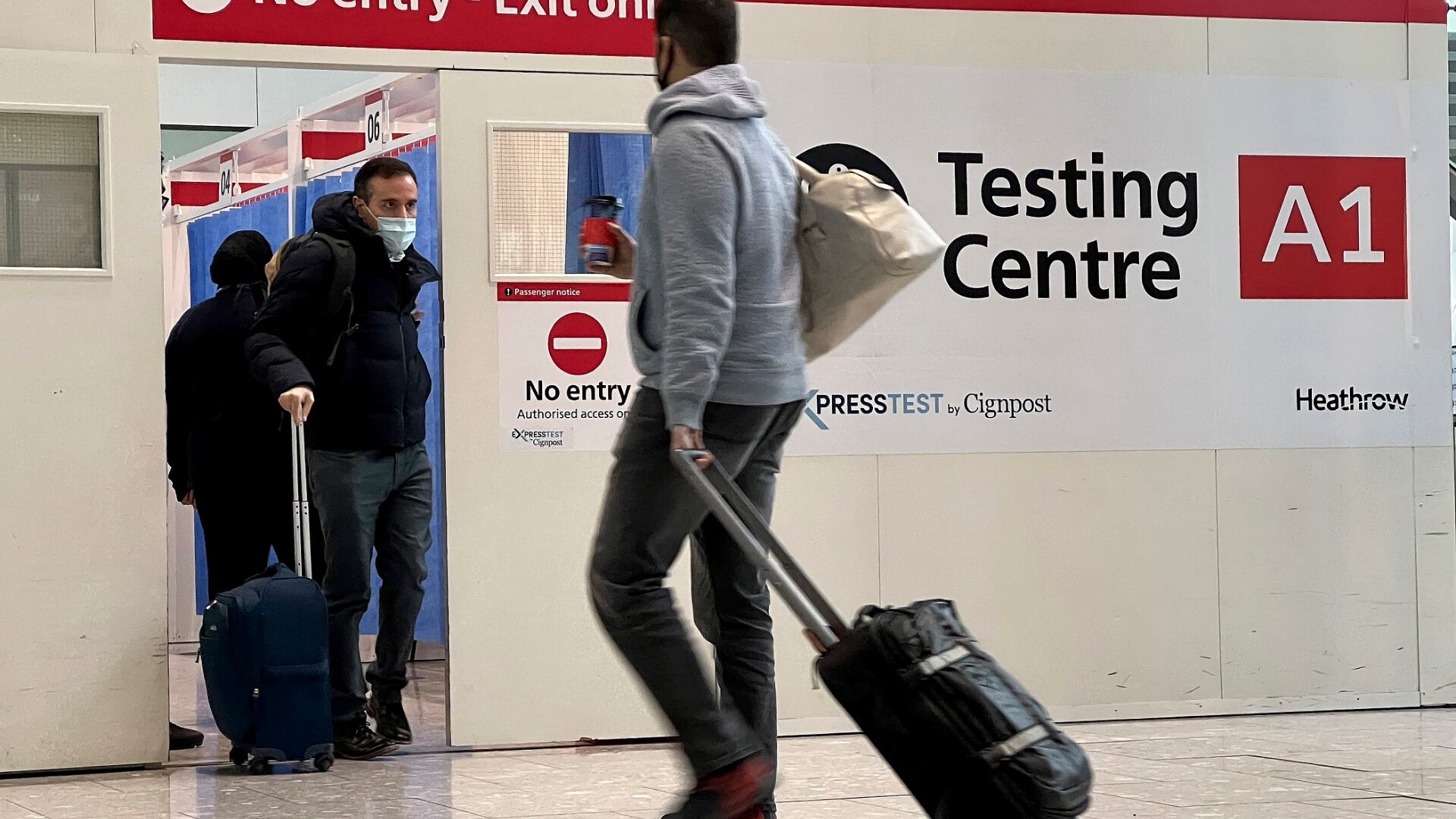
With the emergence of the omicron variant, the U.S. is considering tightening international travel guidelines. The CDC said it might reduce the window for foreign travelers to submit a negative COVID-19 test from three days prior to one day before allowing entry.
Jill and Carlo cover the latest on Omicron, another school shooting in America and more. Plus, bidding farewell to 'transitory' inflation, and the controversy surrounding 'Lovely Bones' author Alice Sebold.
Disparities in tree coverage across America is a huge issue that affects air quality, heat exposure, and ultimately determines how resilient communities are against climate change. The Build Back Better Act is allocating $2.5 billion to boost 'tree equity.' Lemir Teron, assistant professor at SUNY College of Environmental Science and Forestry, joins Cheddar News to explain why this is a priority for Democrats today.