*By Carlo Versano*
A sophisticated hacking network with ties to Russian intelligence created fake versions of websites for several conservative think tank and U.S. government-affiliated groups in a spear-phishing scheme to gain control of visitors' computers, according to Microsoft's Digital Crime Unit, which announced it had uncovered and disabled the sites in a [blog post](https://blogs.microsoft.com/on-the-issues/2018/08/20/we-are-taking-new-steps-against-broadening-threats-to-democracy/) Tuesday.
There is no evidence that any successful attacks were executed using this method, Microsoft said in the post.
Among the targets by the group ー known as APT28 or Fancy Bear ー were the Hudson Institute, a conservative think tank in Washington and the State Dept-affiliated non-profit International Republican Institute (IRI). Microsoft also detected a site designed to look like one of its own pages. The other fake sites were built to appear affiliated with the U.S. Senate, Microsoft said.
The report from Microsoft appears to confirm two things: contrary to President Trump's comments in Helsinki in July, the Russian government remains actively involved in attempting to influence American politics as the midterm elections approach; and the tech industry is more committed to identifying and disabling foreign influence campaigns.
Daniel Twining, the president of IRI, [said](https://twitter.com/DCTwining/status/1031884350919458816) his group had been the target of a, "sophisticated Kremlin cyberattack. Another example of how Putin's Russia weaponizes its assault on democratic actors & institutions in the West."
Kenneth Weinstein, the president of the Hudson Institute, [tweeted](https://twitter.com/KenWeinstein/status/1031862589251379202) on Tuesday that he was "deeply proud" of the work that "got us targeted by the GRU," Russia's spy organization.
Microsoft president Brad Smith told the [New York Times](https://www.nytimes.com/2018/08/21/us/politics/russia-cyber-hack.html) that, based on the groups being targeted, the hacking seems to be an extension of Putin's effort to subvert Western democracy. Both the Hudson Institute and IRI have ties to establishment Republicans who have been openly critical of Trump.
David Levine, elections integrity fellow with Alliance for Securing Democracy, joins Cheddar News to discuss Politico's bombshell finding revealing the RNC's plan to contest the elections.
A survey by the BMO Real Financial Progress Index found that 25 percent of Americans are pulling back on retirement contributions to offset the cost of inflation. This comes as market volatility reduced retirement savings with the S&P 500 shedding more than 12 percent this year alone.
As abortion rights take center stage in courts around the country, so do discussions about reproductive health. Signs and social media posts say things like "protect women's rights" and "her body, her choice," leaving others who need and receive abortions completely out of the picture. The potential end to Roe v. Wade would impact far more people and facilities than you may think. Cheddar News' Baker Machado breaks it all down.
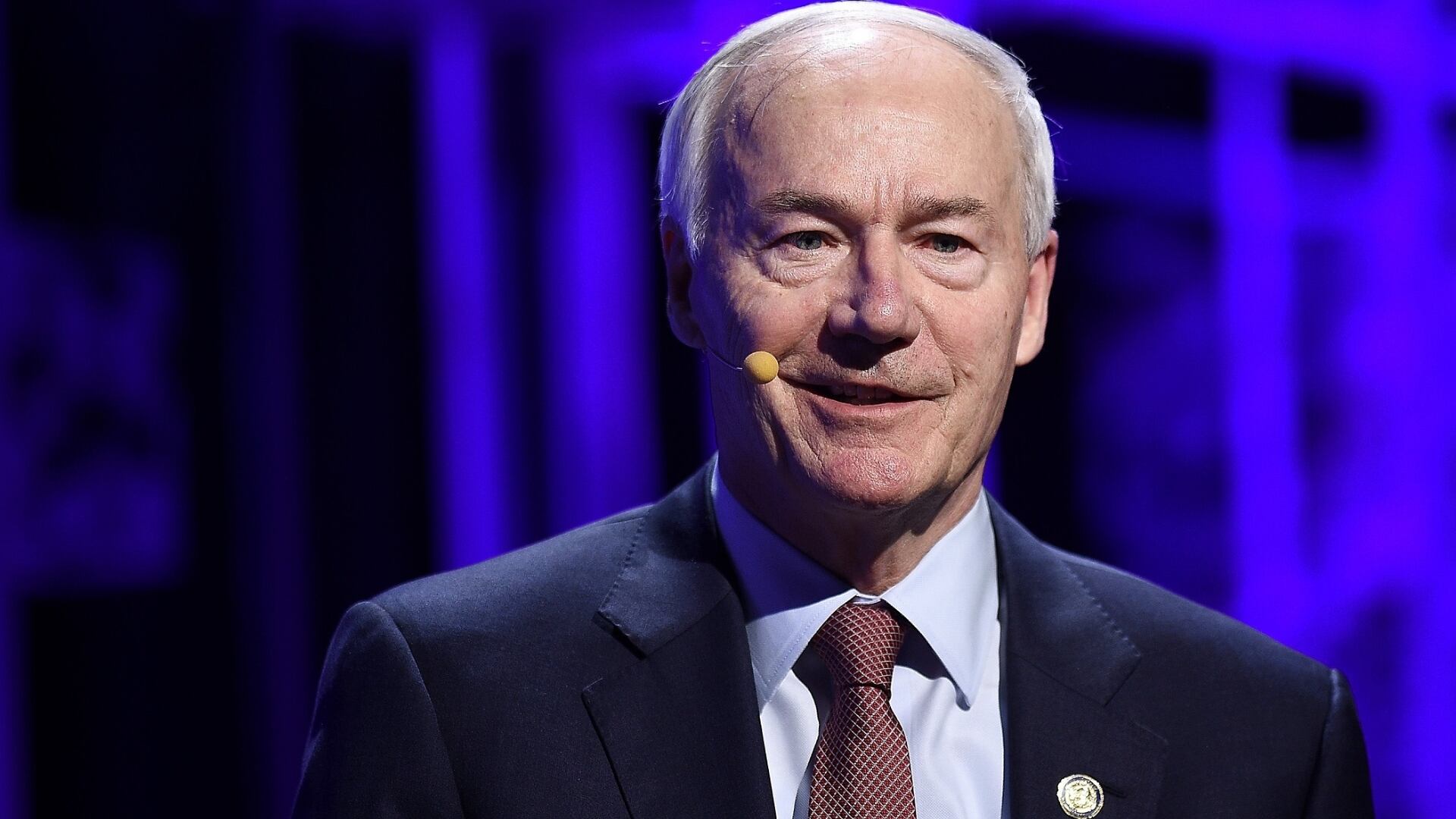
Arkansas is planning to reshape itself by putting a strong emphasis on technology through computer science in the classroom. Governor Asa Hutchinson joined Cheddar News Buffa to discuss the state's efforts to promote itself as a future tech hub. “It gives young people such a huge opportunity for success," he noted. The term-limited governor also touched on the issue of gun ownership, offering up the idea of possibly raising the age limit to obtain rifles like the AR-15 to 21 instead of 18 as it currently stands.
The dating app Bumble has sponsored bills and pushed lawmakers to criminalize the online practice of sending unsolicited nudes or “cyberflashing." Payton Iheme, Bumble's head of public policy for the Americas, joined Cheddar News to discuss why the app was going after the harassing behavior beyond its own platform. "Now, while we went to work internally in the company, and we created something called private detector to automatically blur those images so the user can decide if they want to see them, there's nothing for the rest of the internet," she said. "And so that's why we went to work with these laws."
Constituent service platform Indigov recently raised $25 million in a Series B funding round. Indigov bills itself as a constituent relationship management tool that helps elected officials improve the way they organize, respond to, and engage those they serve. The startup's services are being used by federal, state, and local governments across the country, including the U.S. House of Representatives. Alex Kouts, founder & CEO of Indigov, joins Cheddar News' Closing Bell to discuss.