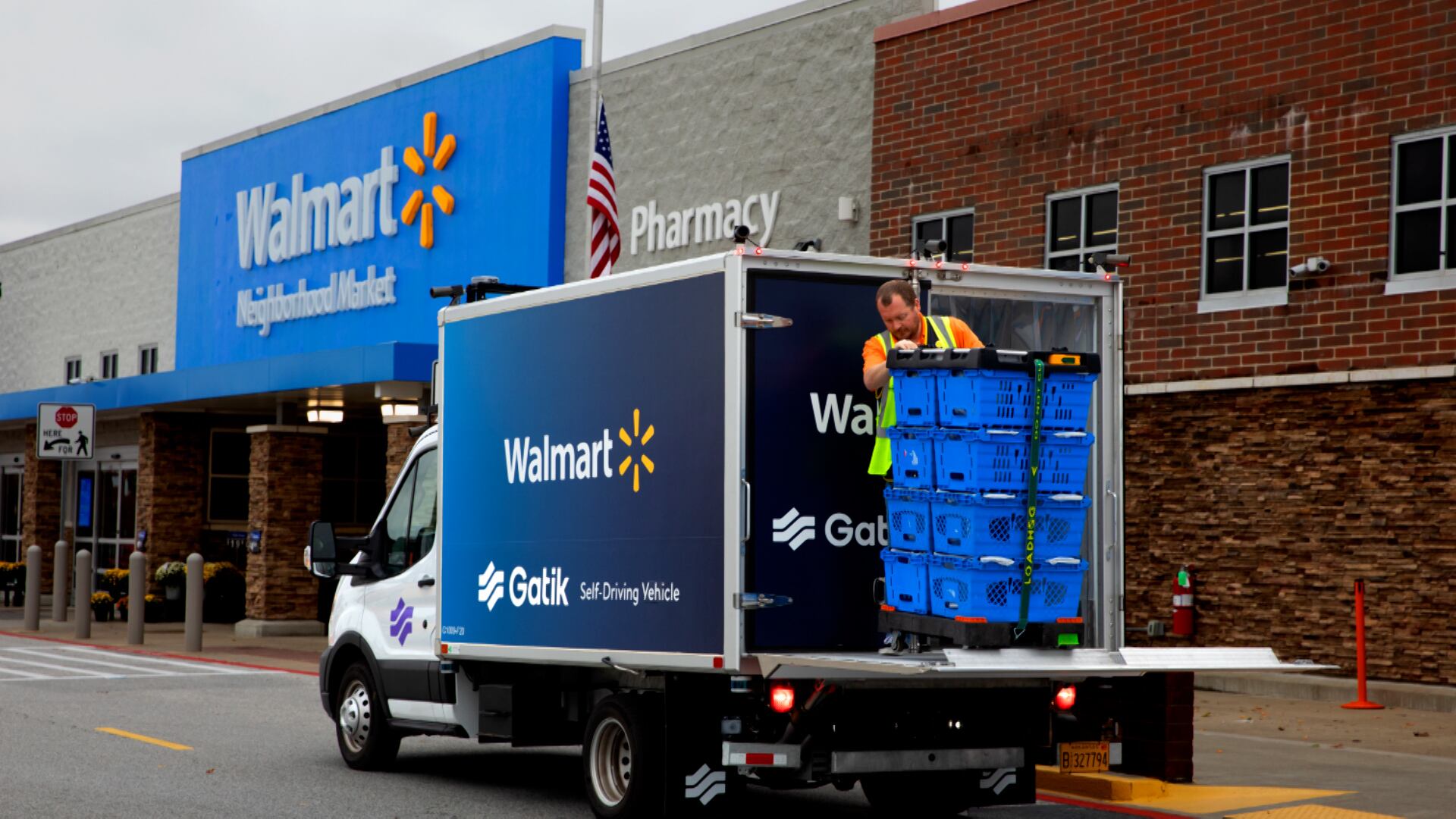
*By Alisha Haridasani* Microsoft is reportedly exploring how to automate cashless check-out at brick-and-mortar retailers in a bid to challenge Amazon not just in-store but in the cloud. The technology would track what shoppers add to their carts and bill them automatically after they walk out of a store, according to a [Reuters](https://www.reuters.com/article/us-microsoft-store-exclusive/exclusive-microsoft-takes-aim-at-amazon-with-push-for-checkout-free-retail-idUSKBN1JA0D5) report on Microsoft's plans. The tech giant is in talks with Walmart and other retailers about potential collaborations, the report said, citing people familiar with the effort. Microsoft's effort to develop a new payment model comes almost five months after Amazon opened its first [Amazon Go](https://www.nytimes.com/2018/01/21/technology/inside-amazon-go-a-store-of-the-future.html) store in Seattle, where cameras and sensors track what shoppers pick up and then bills their online account, eliminating cashiers and the long lines that snake around them. Microsoft is exploring a number of ways it can make this payment system work, including installing cameras in shopping carts instead of on shelves, as Amazon does, said Jeffrey Dastin, the Reuters technology correspondent who first reported the story. "The reason that it has looked into this is, of course, that some of the technology that Amazon Go has introduced is a bit expensive," said Dastin. "This is a reaction to retailers not being so sold on the technology that Amazon has put forth and maybe this is a go-to-market strategy that's faster." Amazon’s new technology, and the potential to put it to use in its Whole Foods stores ー the online retailer acquired the grocery chain last year ー has scared other grocers who fear the combination of online disruption of retail and in-store convenience will further eat into their business. The challenge has prompted other players, including Walmart, to innovate their [online](https://cheddar.com/videos/jetblacks-competitive-advantage-time-savings-and-a-human-touch) and [in-store](https://cheddar.com/videos/walmart-upgrades-digital-services-to-boost-in-store-experiences) operations. Microsoft's decision to develop this technology is driven by its ambitions to boost its cloud business, said Dastin. "What Microsoft essentially is doing here is becoming more than just an IT provider and becoming a strategic ally to retailers," he said. The cameras and algorithms associated with the technology would ultimately use Microsoft's cloud business, but it would also provide retailers with data on consumers that can help them stay competitive, said Dastin. "This is securing cloud revenue growth and at the same time securing long-standing relationships with a major vertical." For the full interview, [click here](https://cheddar.com/videos/microsoft-developing-cashierless-tech).