Microsoft Explores New Ways to Pay, Fighting Off Amazon In-Store and In the Cloud
*By Alisha Haridasani*
Microsoft is reportedly exploring how to automate cashless check-out at brick-and-mortar retailers in a bid to challenge Amazon not just in-store but in the cloud.
The technology would track what shoppers add to their carts and bill them automatically after they walk out of a store, according to a [Reuters](https://www.reuters.com/article/us-microsoft-store-exclusive/exclusive-microsoft-takes-aim-at-amazon-with-push-for-checkout-free-retail-idUSKBN1JA0D5) report on Microsoft's plans. The tech giant is in talks with Walmart and other retailers about potential collaborations, the report said, citing people familiar with the effort.
Microsoft's effort to develop a new payment model comes almost five months after Amazon opened its first [Amazon Go](https://www.nytimes.com/2018/01/21/technology/inside-amazon-go-a-store-of-the-future.html) store in Seattle, where cameras and sensors track what shoppers pick up and then bills their online account, eliminating cashiers and the long lines that snake around them.
Microsoft is exploring a number of ways it can make this payment system work, including installing cameras in shopping carts instead of on shelves, as Amazon does, said Jeffrey Dastin, the Reuters technology correspondent who first reported the story.
"The reason that it has looked into this is, of course, that some of the technology that Amazon Go has introduced is a bit expensive," said Dastin. "This is a reaction to retailers not being so sold on the technology that Amazon has put forth and maybe this is a go-to-market strategy that's faster."
Amazon’s new technology, and the potential to put it to use in its Whole Foods stores ー the online retailer acquired the grocery chain last year ー has scared other grocers who fear the combination of online disruption of retail and in-store convenience will further eat into their business.
The challenge has prompted other players, including Walmart, to innovate their [online](https://cheddar.com/videos/jetblacks-competitive-advantage-time-savings-and-a-human-touch) and [in-store](https://cheddar.com/videos/walmart-upgrades-digital-services-to-boost-in-store-experiences) operations.
Microsoft's decision to develop this technology is driven by its ambitions to boost its cloud business, said Dastin. "What Microsoft essentially is doing here is becoming more than just an IT provider and becoming a strategic ally to retailers," he said.
The cameras and algorithms associated with the technology would ultimately use Microsoft's cloud business, but it would also provide retailers with data on consumers that can help them stay competitive, said Dastin.
"This is securing cloud revenue growth and at the same time securing long-standing relationships with a major vertical."
For the full interview, [click here](https://cheddar.com/videos/microsoft-developing-cashierless-tech).
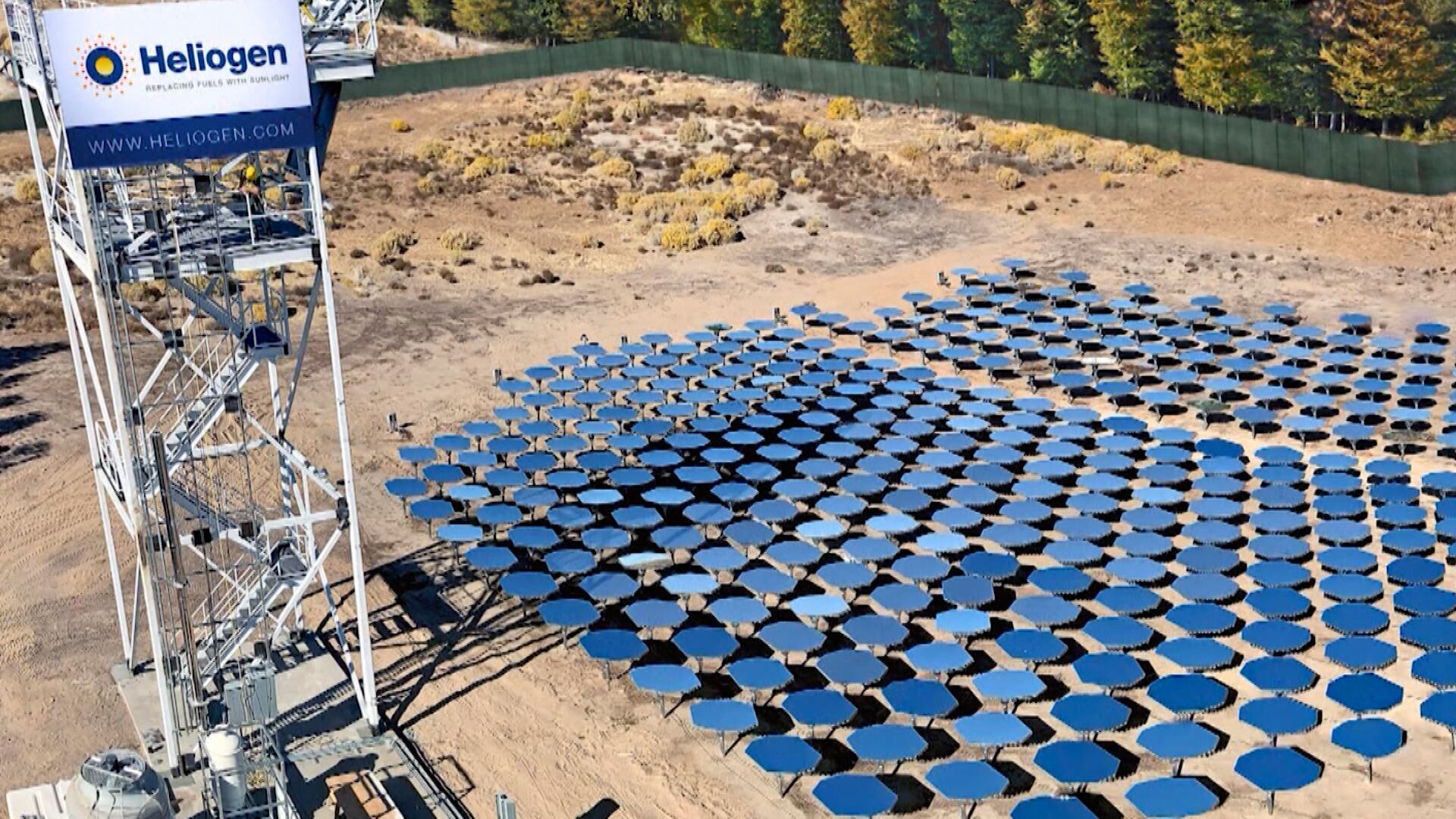
Renewable energy company Heliogen has gone public via a SPAC merger with blank check company Athena Technology Acquisition Corp. on the NYSE. Joining Cheddar, founder and CEO Bill Gross went into why he felt the end of 2021 was the best time to get into the public markets. "If you think of the Industrial Revolution and the digital revolution, this renewable revolution is probably going to be as big or larger than that," he said. "So we're going to use this capital to scale our business, to meet more customer demand, to do more projects in parallel, and to scale our research and development to continue to drive down the price to be competitive with fossil fuels."
Carl "The Moon" Runefelt, a Bitcoin investment expert, recently made a hefty purchase of a $2 million Bugatti sports car at a Dubai dealership. The Swedish crypto evangelist joined Cheddar to talk about how he made the big acquisition of a luxury item he had long had his eye on and why he chose the dealership, The Car Vault, to make the unprecedented transaction. "They accepted crypto directly, and that was important to me," he said. "I am not going to go to any car dealership that don't accept crypto, and that's kind of a principle I have today."
2021 proved that crypto currency is here to stay. This year saw more and more adoptions of crypto, from top athletes looking to be paid in bitcoin, to Elon Musk even experimenting with bitcoin and dogecoin payments for a bit over at Tesla. And it wasn't all bitcoin either - other cryptos like Cardano and Solana saw some action in 2021 as well. Patrick McConlogue, CEO of Overline and former Citadel Investment Group Engineer explains why 2021 was such a good year for crypto, and what to expect in 2022.
2021 saw markets continue to be impacted by the onslaught of the coronavirus pandemic -most recently in the form of the Omicron variant- in addition to the global supply chain shortage, and increased inflation. But it wasn't all bad news, as crypto soared throughout the year, and meme stocks continued to have a moment. With the year coming to a close, investors are keeping an eye out to see if they should expect more of the same in the new year. Chris Vecchio, Senior Analyst, at DailyFX tells us what market trends to be on the watch for in 2022.
2021 proved to be yet another formidable year for Tesla. In a year that saw electric vehicles carve out their own space in the transportation world, the company made further strides, keeping its spot on top even as new companies threatened competition. Tesla was able to hit the trillion dollar valuation mark, increase vehicle deliveries even as the world grappled with supply chain and delivery issues and sign a major deal with Hertz this year. And of course, you can't talk about Tesla without talking about Elon Musk, CEO and founder of the company, richest man in the world and Time Magazine Person of the Year, who saw plenty of successes in 2021 as well. Al Root, Senior Writer at Barron’s, explains just how good a year it was for Tesla.
David Ewalt, Editor-in-Chief at Gizmodo joins Cheddar News to discuss a TikTok moderator suing the platform over mental trauma caused by graphic videos