As part of its long-term sustainability goals, Microsoft has announced plans to drastically reduce the amount of waste it produces and eliminate single-use plastics in its packaging by 2025.
"The plastics problem is just part of a broader waste problem," Lucas Joppa, chief environmental officer for Microsoft, told Cheddar. "The world creates too much waste. Microsoft creates too much waste, and we need to fix that."
This is the third major announcement in 2020 from the tech giant detailing its sustainability plan. In January, Microsoft announced its goal to become carbon negative by 2030. Then in July, it released the details of that plan, which includes switching its data centers to renewable energy, issuing a request for proposals for carbon removal solutions, and developing a de-carbonization playbook that it plans to share with other firms to help catalyze the corporate sector.
While waste reduction is just one component of Microsoft's efforts to fight climate change, Joppa stressed that it's an important one.
"Last year, 11 billion tons of waste was sent to the landfill," he said. "We went from, in 1950, producing one and a half million tons of plastics to last year producing 300 million tons of plastic as a society, and over half of that was intended for single-use."
For Microsoft consumers, this initiative means more of their tech purchases will be recyclable, from the packaging that products arrive in, to the devices themselves once they've outlived their use.
"We want the packaging itself to have zero single-use plastic," Joppa said. "We also want the device that's hopefully coming in that package to be recyclable as well."
Microsoft is also building what it calls "Circular Centers" to control the flow of waste out of its 160 data centers across the globe. These centers will sort and decommission parts used for servers, which currently last on average about five years, and then recycle or repurpose them.
In the process, the company hopes to learn more about its products and work to extend their life cycle and reduce e-waste.
Microsoft has already tested this concept in Amsterdam and shown that it increases the availability of server and network parts for reuse or buy-back from suppliers. The goal is to increase the reuse of components by up to 90 percent by 2025.
"What we're really looking to do is do everything we possibly can to divert waste from landfills," Joppa said.
Super Group, the company behind leading global online sports betting and gaming businesses Betway and Spin, has landed on Wall Street. The company went public via SPAC with Sports Entertainment Acquisition Corp., and now lists on the NYSE under the ticker symbol 'SGHC.' This debut comes as the U.S. sports betting market continues to heat up with more and more states legalizing the practice. Eric Grubman, chairman of Super Group, joined Cheddar to discuss.
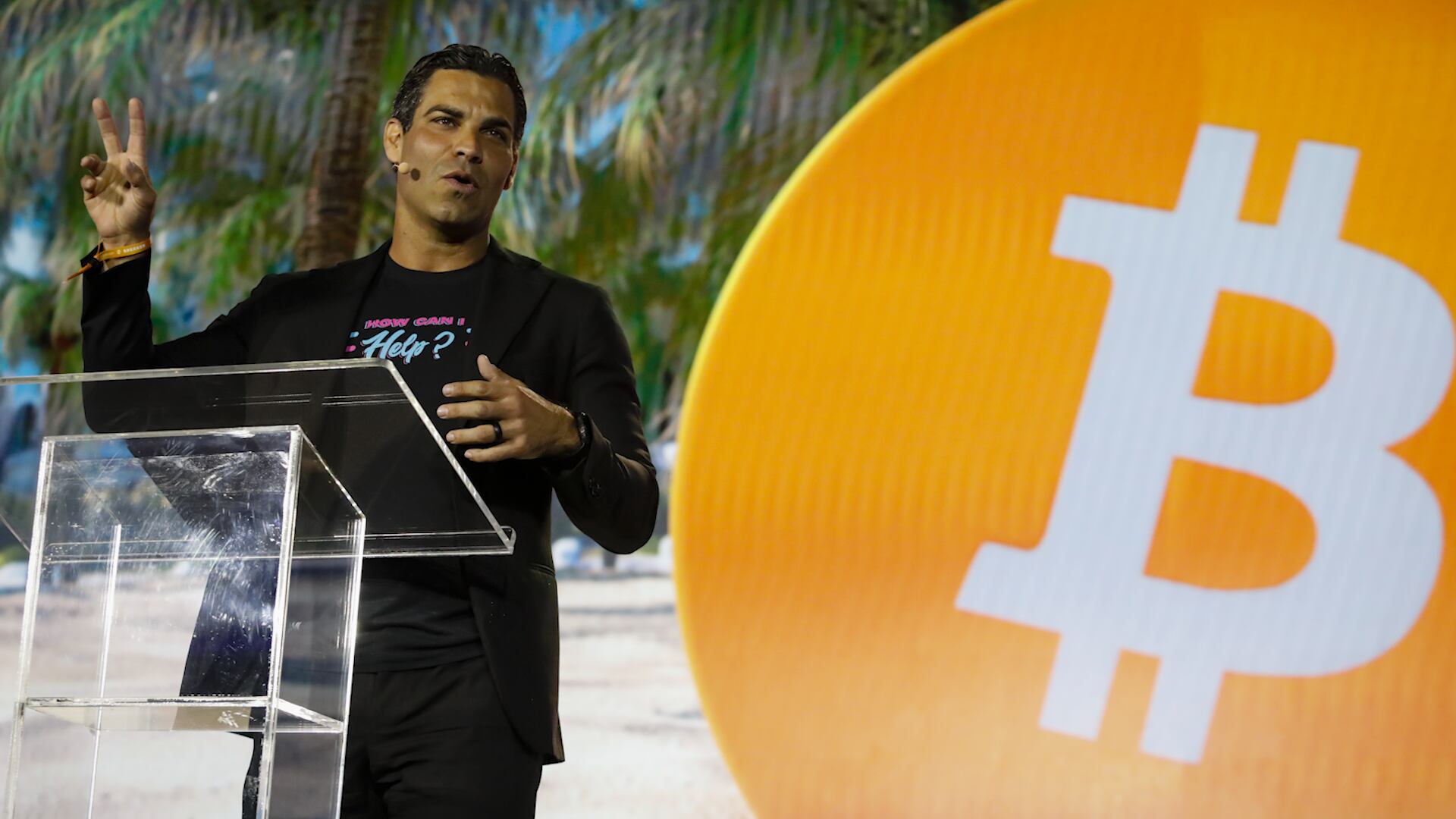
Miami wants to be the crypto capital of the world. Mayor Francis Suarez has gone all in on the blockchain, even accepting one of his first paychecks in Bitcoin, hosting one of the world's largest digital cryptocurrency conferences, and marketing Miami as a great place for tech experts to work. Maja Vujinovic, managing director of OGroupLLC, joined Cheddar's Fast Forward to discuss Miami's enthusiasm toward crypto, some of the potential risks that entails, and where the city might be heading when it comes to the crypto takeover.
Hinge users who have children can opt-in to a $100 stipend up to $25,000 for childcare. Logan Ury, the director of relationship science for the online dating platform, noted the issue as an obstacle for single parents who want to go out on dates. "We have heard that singles with children have a hard time going on dates for one of the reasons being that it's just hard to find childcare and it's hard to be able to afford it," she said. Ury also said that the hot topic among Hinge's users is mental health and the prioritizing of mental health.
On this episode of Cheddar Innovates: CEO of HereAfter AI discusses how artificial intelligence can be used to preserve family history and stories, and allow you to 'talk' to loved ones that have passed; Creator of the board game 'Travel Explore Discover' explains how she came up with the idea for this informative and educational board game, and how she's using the proceeds to give back to her community; Cheddar gets a look at Curiosity Stream's 'The Humboldt Current.'
James Vlahos, Co-Founder and CEO of HereAfter AI, joins Cheddar Innovates to discuss how artificial intelligence can be used to preserve family history and stories, and allow you to 'talk' to loved ones that have passed.
Facebook parent Meta’s miss on Q4 earnings raised alarm bells amongst investors. The tech giant lost users for the first time as it invests a lot into the metaverse, its virtual realm, in the hopes that consumers will move their social media consumption there. The stock dropped around 25 percent on the report, and CEO Mark Zuckerberg chalked it up to people flocking toward apps like TikTok, even as his own platform attempts to make a big pivot to the metaverse future. "It's gonna take a long time to develop and it's gonna take a long time to bring to fruition," Rebecca Walser, president of Walser Wealth Management told Cheddar. "In the meantime, the world is moving on. We have a very short attention span, especially on social media, and we want the short little videos. And Tiktok has just taken off."