As part of its long-term sustainability goals, Microsoft has announced plans to drastically reduce the amount of waste it produces and eliminate single-use plastics in its packaging by 2025.
"The plastics problem is just part of a broader waste problem," Lucas Joppa, chief environmental officer for Microsoft, told Cheddar. "The world creates too much waste. Microsoft creates too much waste, and we need to fix that."
This is the third major announcement in 2020 from the tech giant detailing its sustainability plan. In January, Microsoft announced its goal to become carbon negative by 2030. Then in July, it released the details of that plan, which includes switching its data centers to renewable energy, issuing a request for proposals for carbon removal solutions, and developing a de-carbonization playbook that it plans to share with other firms to help catalyze the corporate sector.
While waste reduction is just one component of Microsoft's efforts to fight climate change, Joppa stressed that it's an important one.
"Last year, 11 billion tons of waste was sent to the landfill," he said. "We went from, in 1950, producing one and a half million tons of plastics to last year producing 300 million tons of plastic as a society, and over half of that was intended for single-use."
For Microsoft consumers, this initiative means more of their tech purchases will be recyclable, from the packaging that products arrive in, to the devices themselves once they've outlived their use.
"We want the packaging itself to have zero single-use plastic," Joppa said. "We also want the device that's hopefully coming in that package to be recyclable as well."
Microsoft is also building what it calls "Circular Centers" to control the flow of waste out of its 160 data centers across the globe. These centers will sort and decommission parts used for servers, which currently last on average about five years, and then recycle or repurpose them.
In the process, the company hopes to learn more about its products and work to extend their life cycle and reduce e-waste.
Microsoft has already tested this concept in Amsterdam and shown that it increases the availability of server and network parts for reuse or buy-back from suppliers. The goal is to increase the reuse of components by up to 90 percent by 2025.
"What we're really looking to do is do everything we possibly can to divert waste from landfills," Joppa said.
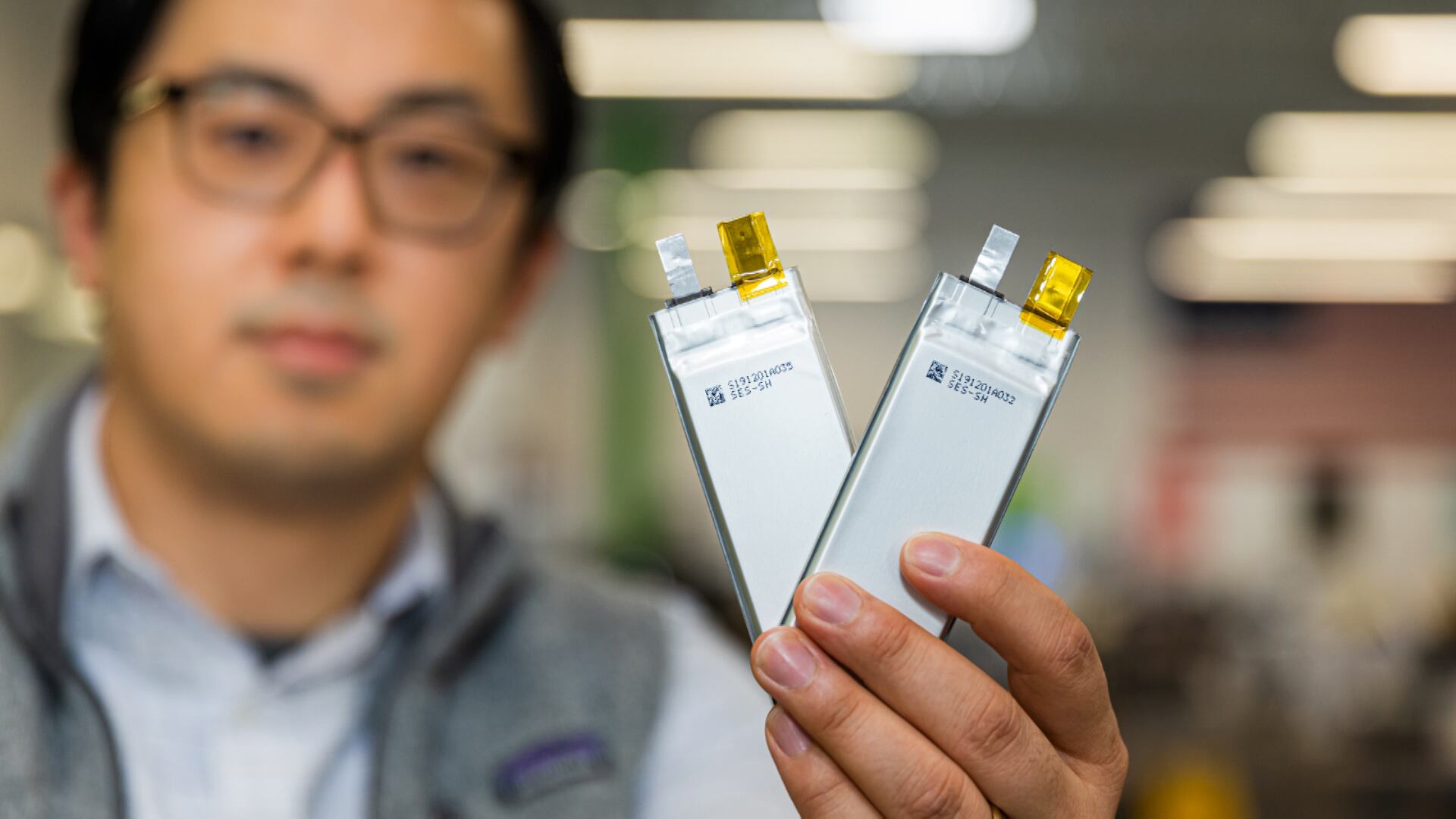
SES Holdings, a leader in production of high-performance hybrid lithium-metal rechargeable batteries for electric vehicles, has arrived on Wall Street. The company went public via SPAC deal and now trades on the New York Stock Exchange under the ticker 'SES.' Qichao Hu, founder & CEO, joined Cheddar Movers to discuss the debut as well as what lies ahead for the company.
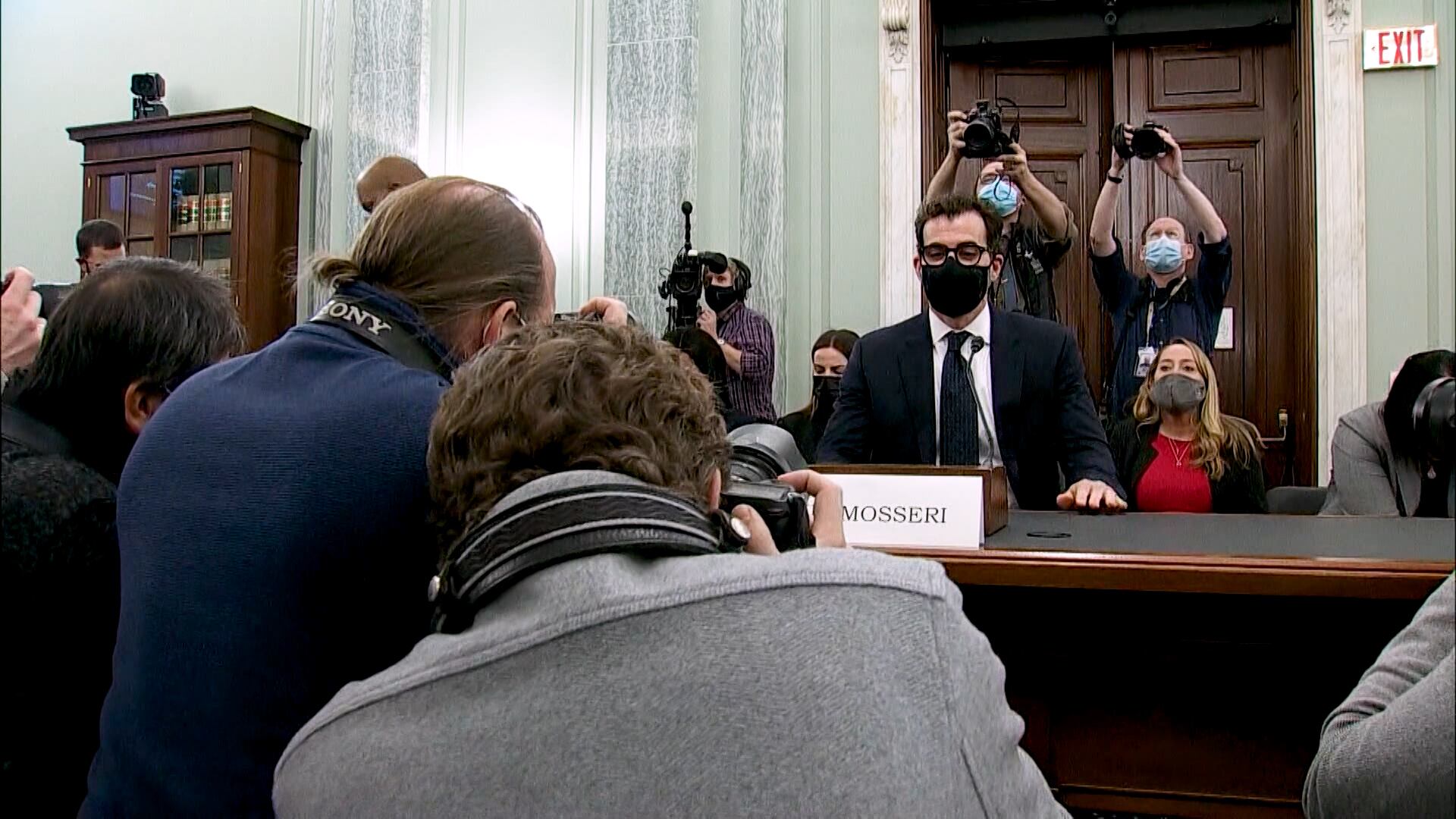
More than 70 religious leaders have come together to sign a letter to urge Mark Zuckerberg and Meta to halt plans for Instagram for Kids. The signers claim that this new platform, currently on pause, could cause spiritual harm to young people. Lucy Kidwell, the screen-free week coordinator for the nonprofit that organized the letter, Fairplay, joined Cheddar News to discuss the issue on Safer Internet Day. "It's not necessarily the content, even, that's on these platforms, but more the structure of the app itself," she said. "It's all focused on comparison, promoting yourself, putting forward this image of perfection and this beautiful life that's really harmful to kids who can't really separate what's real and what's fake and who may not be emotionally mature enough to handle something so complicated."
Amazon warehouse workers in Alabama are set to begin voting to unionize for a second time after workers at the facility in the town of Bessemer overwhelmingly voted against forming a union during an election early last year; but in November, the National Labor Relations Board overturned the vote, upholding a union challenge of the results which argued that Amazon undermined the conditions for a fair election. Another round of ballots will now be mailed out to works at the warehouse for a so-called re-run election. Director of Labor and Employment Studies at San Francisco State University John Logan and National Field Director for Our Revolution Mike Oles joined Cheddar News' Closing Bell to discuss.
February 8 is Safer Internet Day, and Google has partnered with online education organization Khan Academy to release a courseload focused on internet safety. The partnership includes a $5 million donation towards content development from Google, with modules to be made available in various languages throughout 2022. Founder of Khan Academy, Sal Khan, joined Cheddar News to discuss the partnership. "We need to get to a world where everyone of all ages has a chance to learn and practice and feel good that they can navigate the internet in a safe way,” said Khan.
Big tech companies such as Amazon and Google are garnering criticism for failing at their proposed climate pledges, most of which rely on carbon offsets — a potential loophole where companies pay others to address their omissions. Gilles Dufrasne, policy officer at Carbon Market Watch, joined Cheddar News to explain the organization's negative evaluation. "The objective here is not to bash companies and say everybody is doing the wrong thing," he said. "The objective is to also provide lessons, and there are some companies that are doing the right thing."