As part of its long-term sustainability goals, Microsoft has announced plans to drastically reduce the amount of waste it produces and eliminate single-use plastics in its packaging by 2025.
"The plastics problem is just part of a broader waste problem," Lucas Joppa, chief environmental officer for Microsoft, told Cheddar. "The world creates too much waste. Microsoft creates too much waste, and we need to fix that."
This is the third major announcement in 2020 from the tech giant detailing its sustainability plan. In January, Microsoft announced its goal to become carbon negative by 2030. Then in July, it released the details of that plan, which includes switching its data centers to renewable energy, issuing a request for proposals for carbon removal solutions, and developing a de-carbonization playbook that it plans to share with other firms to help catalyze the corporate sector.
While waste reduction is just one component of Microsoft's efforts to fight climate change, Joppa stressed that it's an important one.
"Last year, 11 billion tons of waste was sent to the landfill," he said. "We went from, in 1950, producing one and a half million tons of plastics to last year producing 300 million tons of plastic as a society, and over half of that was intended for single-use."
For Microsoft consumers, this initiative means more of their tech purchases will be recyclable, from the packaging that products arrive in, to the devices themselves once they've outlived their use.
"We want the packaging itself to have zero single-use plastic," Joppa said. "We also want the device that's hopefully coming in that package to be recyclable as well."
Microsoft is also building what it calls "Circular Centers" to control the flow of waste out of its 160 data centers across the globe. These centers will sort and decommission parts used for servers, which currently last on average about five years, and then recycle or repurpose them.
In the process, the company hopes to learn more about its products and work to extend their life cycle and reduce e-waste.
Microsoft has already tested this concept in Amsterdam and shown that it increases the availability of server and network parts for reuse or buy-back from suppliers. The goal is to increase the reuse of components by up to 90 percent by 2025.
"What we're really looking to do is do everything we possibly can to divert waste from landfills," Joppa said.
The Super Bowl is only a few days away, and the game is currently tracking to be the most expensive one ever.
Gametime, a website and app for last-minute tickets, says the average ticket price for the NFL's championship game is $9,502.50, with the most expensive seats costing nearly $38,000. That's a far cry away from the average ticket price of the first-ever Super Bowl in 1967, which was only $12. The average ticket price increased by more than $8,000 in just the past decade. Matt Rados, Senior Operations Manager at Gametime, joins Cheddar News' Closing Bell to discuss.
Earlier this week, digital investment advisor Betterment announced that it has hired Makara, a company known for its management of cryptocurrency portfolios. Sarah Levy, CEO of Betterment, joins Cheddar News' Closing Bell, where she explains why crypto represents such a promising long-term play and how her company stands to benefit from this latest move.
At-home medical labs company Getlabs raised $20 million in a Series A round, led by Emerson Collective and the Minderoo Foundation. Getlabs aims to be the boots-on-the-ground partner to telehealth. The company says more than 70% of medical decisions still require collecting diagnostic tests in person, and that it fills that void by delivering health care directly to their patients' homes. Founder & CEO of Getlabs Kyle Michelson joined Cheddar News' Closing Bell to discuss.
The White House laid out plans for a $5 billion investment into a national network of charging stations to ease EV driving anxiety. Bruce Brimacombe, CEO of EV infrastructure GOe3 joined Cheddar News to discuss how much needs to be done for drivers to get over the fear of running out of energy. "People need to be able to do what they're doing now," he said. "But that is the way that if you're going to buy an electric car, you got to feel like you're not changing your world." Brimacombe noted that building out the infrastructure between cities was GOe3's own focus.
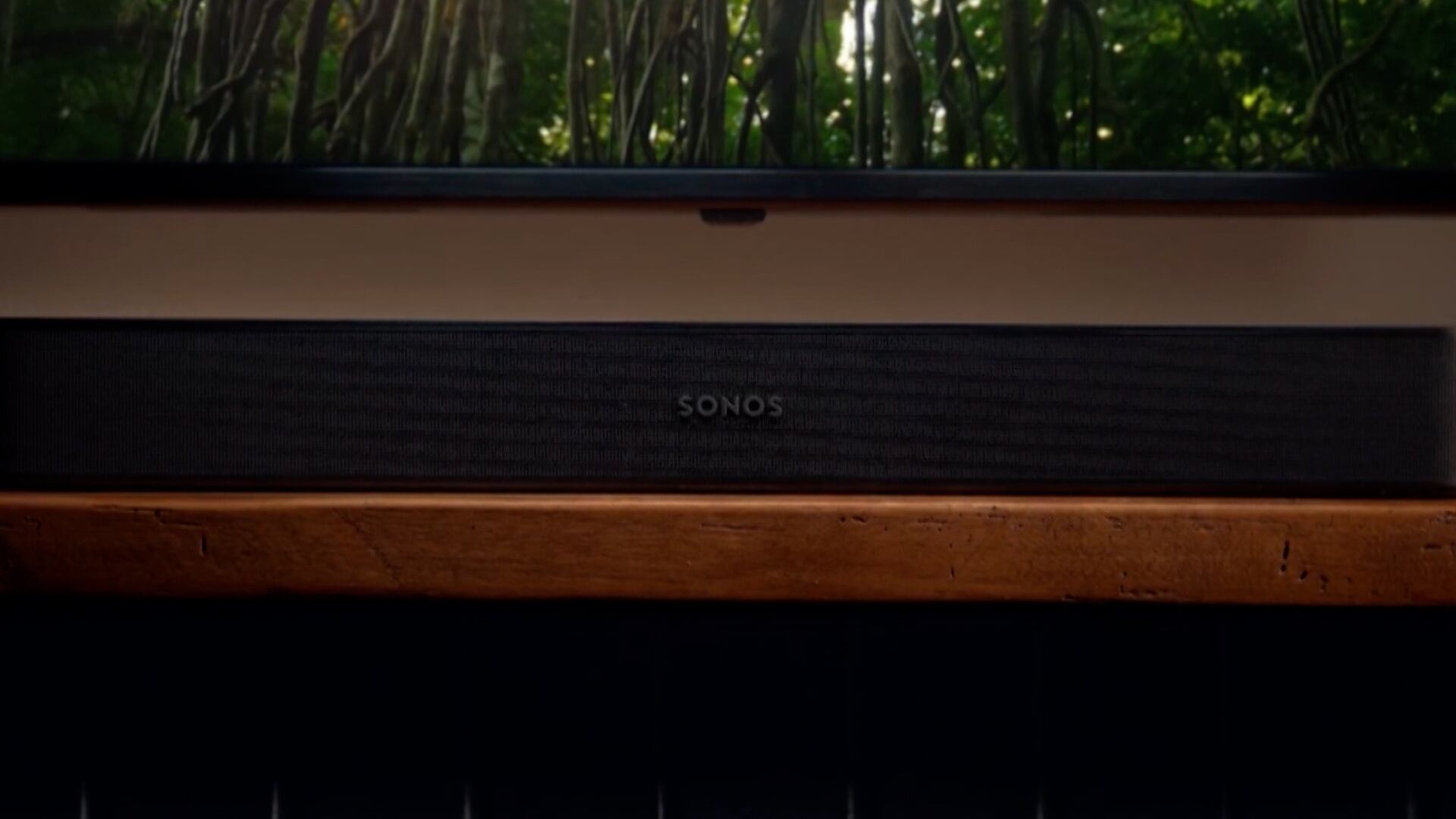
Sonos reported better than expected Q1 earnings amid chip shortage with the release of its Roam product. CFO Brittany Bagley joined Cheddar News to discuss the smart speaker maker's successful report and its plans to hit its 2024 targets as people leave their homes as pandemic restrictions ease. "Even as people head out in the world, it doesn't mean they don't like to listen to music at home or watch a streaming movie at home," she said. "So there's still a real role for us and our products in peoples lives, sort of, no matter what else they're doing."
Kalle Marsal, Chief Operating Officer at PetDx, joins Cheddar Innovates to discuss how next-generation sequencing technology is being used to detect cancer in pets early.
Ashleigh Hinde, Founder and CEO of WALDO, joins Cheddar Innovates to discuss why now is a good time to make eyecare a priority, and how they are democratizing access to eyecare for all.