As part of its long-term sustainability goals, Microsoft has announced plans to drastically reduce the amount of waste it produces and eliminate single-use plastics in its packaging by 2025.
"The plastics problem is just part of a broader waste problem," Lucas Joppa, chief environmental officer for Microsoft, told Cheddar. "The world creates too much waste. Microsoft creates too much waste, and we need to fix that."
This is the third major announcement in 2020 from the tech giant detailing its sustainability plan. In January, Microsoft announced its goal to become carbon negative by 2030. Then in July, it released the details of that plan, which includes switching its data centers to renewable energy, issuing a request for proposals for carbon removal solutions, and developing a de-carbonization playbook that it plans to share with other firms to help catalyze the corporate sector.
While waste reduction is just one component of Microsoft's efforts to fight climate change, Joppa stressed that it's an important one.
"Last year, 11 billion tons of waste was sent to the landfill," he said. "We went from, in 1950, producing one and a half million tons of plastics to last year producing 300 million tons of plastic as a society, and over half of that was intended for single-use."
For Microsoft consumers, this initiative means more of their tech purchases will be recyclable, from the packaging that products arrive in, to the devices themselves once they've outlived their use.
"We want the packaging itself to have zero single-use plastic," Joppa said. "We also want the device that's hopefully coming in that package to be recyclable as well."
Microsoft is also building what it calls "Circular Centers" to control the flow of waste out of its 160 data centers across the globe. These centers will sort and decommission parts used for servers, which currently last on average about five years, and then recycle or repurpose them.
In the process, the company hopes to learn more about its products and work to extend their life cycle and reduce e-waste.
Microsoft has already tested this concept in Amsterdam and shown that it increases the availability of server and network parts for reuse or buy-back from suppliers. The goal is to increase the reuse of components by up to 90 percent by 2025.
"What we're really looking to do is do everything we possibly can to divert waste from landfills," Joppa said.
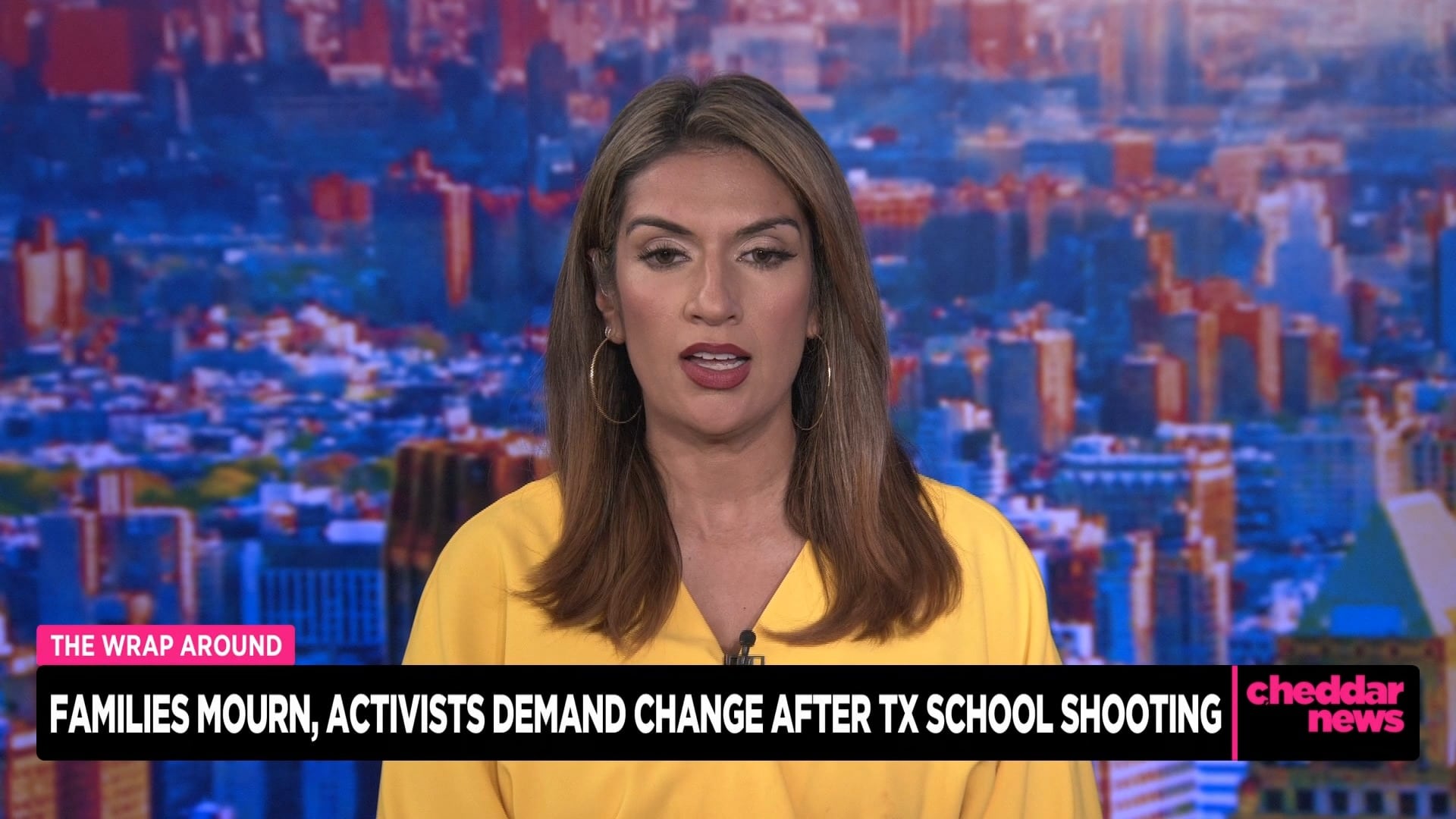
After learning that the suspect in the Uvalde school shooting posted about his intentions on Facebook, activists are urging social networks to make changes. Lena Derhally, a licensed psychotherapist and author of "The Facebook Narcissist," joined Cheddar News to discuss the role social media plays in school shootings. "They're not really invested in taking down hateful content," she said about social platforms."In regards to the shooting, it was 15 minutes before that actual threat. It would be pretty hard for a social media company to trace that threat that quickly. But what they can do better is take down threats and hateful content much faster and more than they're doing now."
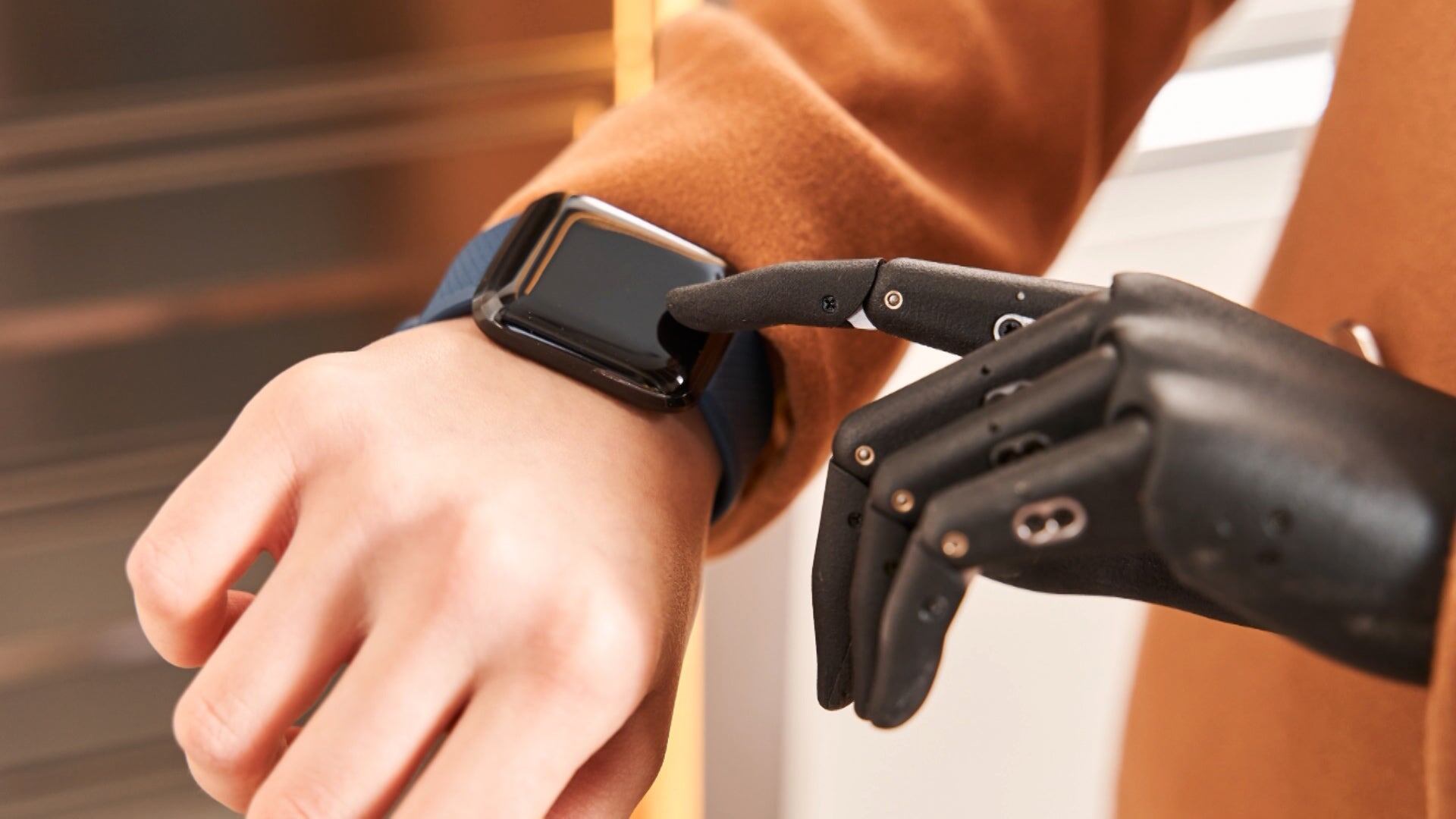
Esper Bionics CEO Dima Gazda breaks down how they're creating a mind-controlled bionic hand that guest smarter the more you use it, and what this innovation means for the future of the prosthetics industry.
On this episode of Cheddar Innovates: Brightseed Co-Founder breaks down what plant bioactives are, and how they're using the latest technology to study human's biological connections with plants; Esper Bionics CEO breaks down how they re creating a mind-controlled bionic hand that guest smarter the more you use it; Cheddar gets a look at Curiosity Stream's 'Capturing A Black Hole In Our Milky Way.'
The crypto industry is still reeling from Terra's recent crash. The company's blockchain was temporarily halted earlier this month after the collapse of its cryptocurrency Luna (LUNA) and its stablecoin TerraUSD (UST), which led to almost $45 billion being wiped from the tokens' market caps within a week. Now, many are left wondering what Terra's struggles mean for the broader crypto market. Reeve Collins, CEO of the NFT platform BLOCKv, joins Cheddar News' Closing Bell from Davos 2022 to discuss.
China's largest ride-hailing company will no longer be listed on the world's largest stock exchange. Didi shareholders voted on Monday to delist from the New York Stock Exchange, less than a year after launching a $4.4 billion IPO with the most significant U.S. share offering by a Chinese company since Alibaba debuted in 2014. Since going public in June of last year, around $70 billion has been wiped from Didi's market value and shares of the company have dropped nearly 90%. Now, Didi is expected to begin preparations to list in Hong Kong. Kevin T. Carter, founder and Chief Investment Officer of EMQQ Global, joins Cheddar News' Closing Bell to discuss.