As part of its long-term sustainability goals, Microsoft has announced plans to drastically reduce the amount of waste it produces and eliminate single-use plastics in its packaging by 2025.
"The plastics problem is just part of a broader waste problem," Lucas Joppa, chief environmental officer for Microsoft, told Cheddar. "The world creates too much waste. Microsoft creates too much waste, and we need to fix that."
This is the third major announcement in 2020 from the tech giant detailing its sustainability plan. In January, Microsoft announced its goal to become carbon negative by 2030. Then in July, it released the details of that plan, which includes switching its data centers to renewable energy, issuing a request for proposals for carbon removal solutions, and developing a de-carbonization playbook that it plans to share with other firms to help catalyze the corporate sector.
While waste reduction is just one component of Microsoft's efforts to fight climate change, Joppa stressed that it's an important one.
"Last year, 11 billion tons of waste was sent to the landfill," he said. "We went from, in 1950, producing one and a half million tons of plastics to last year producing 300 million tons of plastic as a society, and over half of that was intended for single-use."
For Microsoft consumers, this initiative means more of their tech purchases will be recyclable, from the packaging that products arrive in, to the devices themselves once they've outlived their use.
"We want the packaging itself to have zero single-use plastic," Joppa said. "We also want the device that's hopefully coming in that package to be recyclable as well."
Microsoft is also building what it calls "Circular Centers" to control the flow of waste out of its 160 data centers across the globe. These centers will sort and decommission parts used for servers, which currently last on average about five years, and then recycle or repurpose them.
In the process, the company hopes to learn more about its products and work to extend their life cycle and reduce e-waste.
Microsoft has already tested this concept in Amsterdam and shown that it increases the availability of server and network parts for reuse or buy-back from suppliers. The goal is to increase the reuse of components by up to 90 percent by 2025.
"What we're really looking to do is do everything we possibly can to divert waste from landfills," Joppa said.
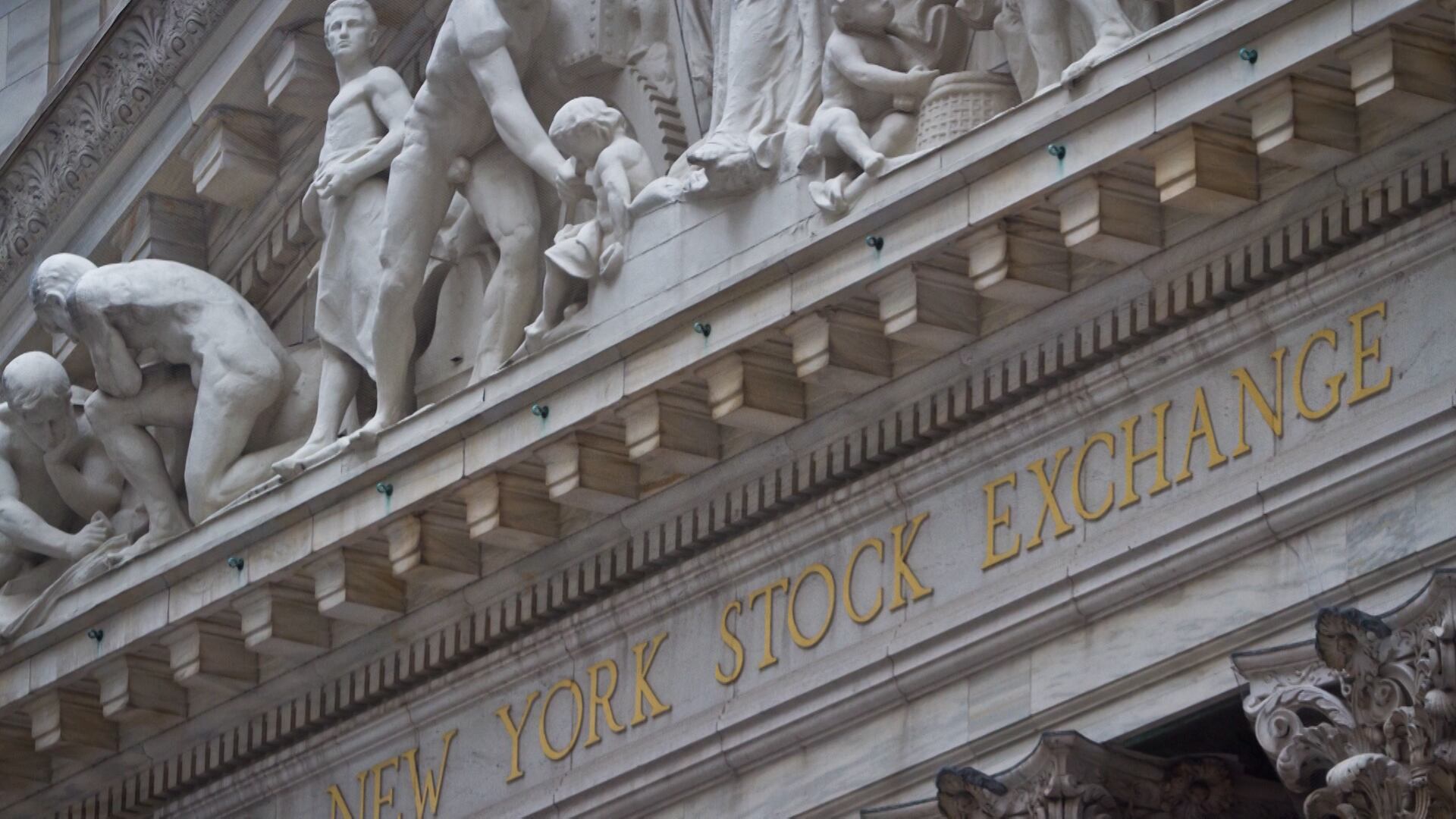
U.S. stocks closed Thursday at their lowest levels of the trading day, as investors continue to eye inflation ahead of the May CPI report out Friday. Art Hogan, Chief Market Strategist for National Holdings, joins Cheddar News' Closing Bell to discuss.
U.S. markets opened sharply lower on Friday on hotter-than-expected inflation data. The May CPI showed an 8.6% jump in consumer prices year-over-year, higher the expected 8.3%. Mark Howard, Senior Multi-Asset Specialist at BNP Paribas joined Cheddar's Opening Bell to discuss.
U.S. stocks closed Friday at session lows after May CPI data showed inflation in the U.S. has not peaked and is still rising rapidly. For the week, the S&P fell 5.06%, the Dow lost 4.58%, and the Nasdaq dropped 5.60%, marking the worst week since January for all three major indexes. Mike Zigmont, Head of Trading and Research at Harvest Volatility Management, joins Cheddar News' Closing Bell to discuss.
Benefits brokerage, Nava Benefits, raised $40 million in a Series B round. Nava says it's on a mission to fix healthcare, one benefits plan at a time. The startup is working to bring benefits to small business that are normally available to only Fortune 500 companies. Brandon Weber, Co-Founder and CEO of Nava Benefits, joined Cheddar News' Closing Bell to discuss.
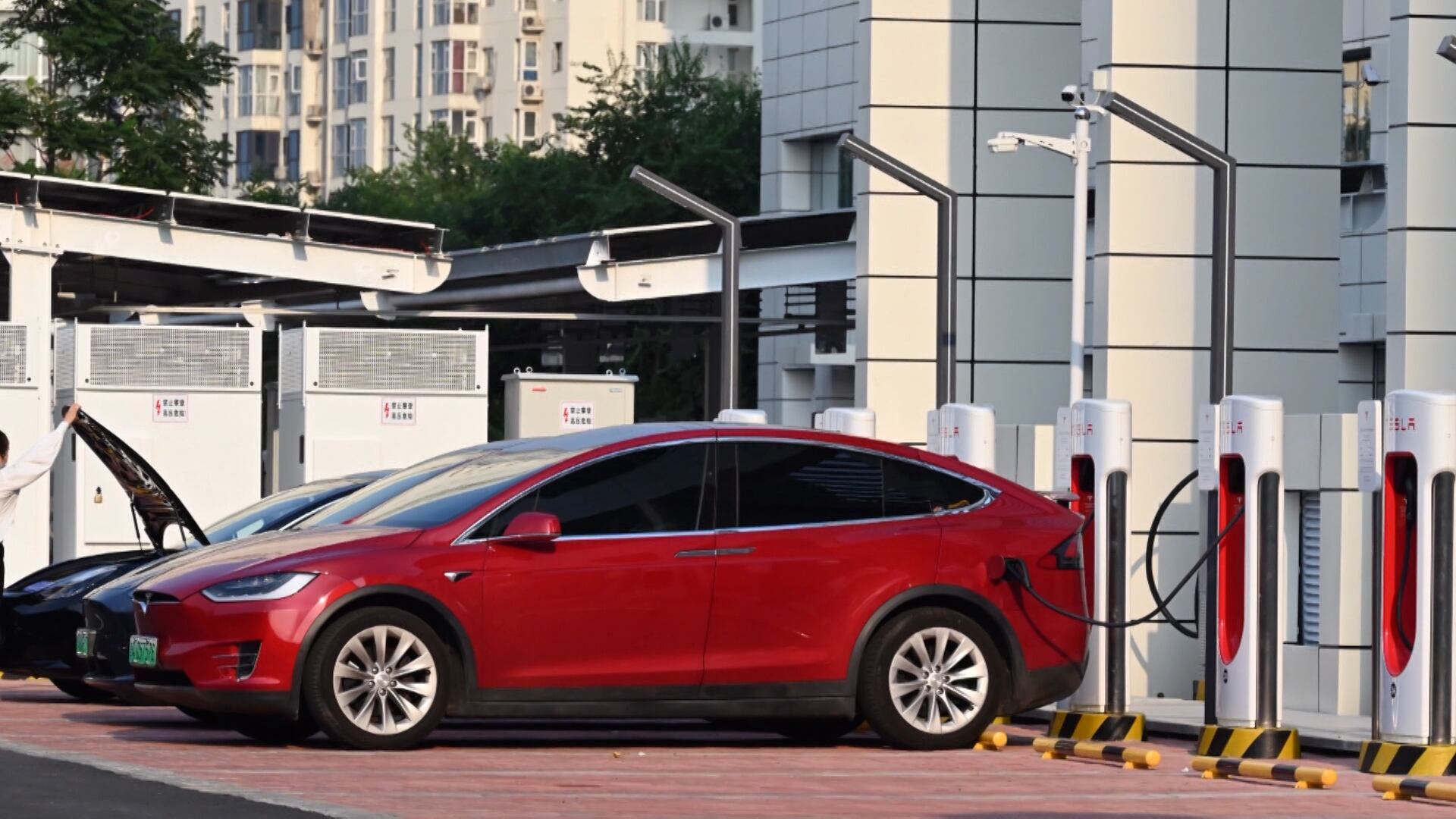
The electric vehicle maker filed a proposal for a three-for-one stock split, increasing the accessibility of shares for investors for a stock trading at around $700 a share. The move comes not long after tech giant Amazon announced a 20-for-one split. The number of authorized shares rises from two billion to six billion. It was also revealed that board member Larry Ellison does not intend to stand for reelection as it pertains to Tesla.
President Biden proposed a new rule that would add 500,000 chargers for electric vehicles nationwide. The proposal comes amid the rapid shift to EVs with dozens of automakers announcing plans for all-electric fleets within the next decade. But with the new surge will the U.S. have the proper infrastructure to keep up? Scott Painter, founder and CEO of Autonomy.com joined Cheddar's Opening Bell to discuss. "I really think the idea of standardization is a big deal. Standardization certainly makes it much better for everybody to be able to get a charge when they need one," he said.