By Ed White
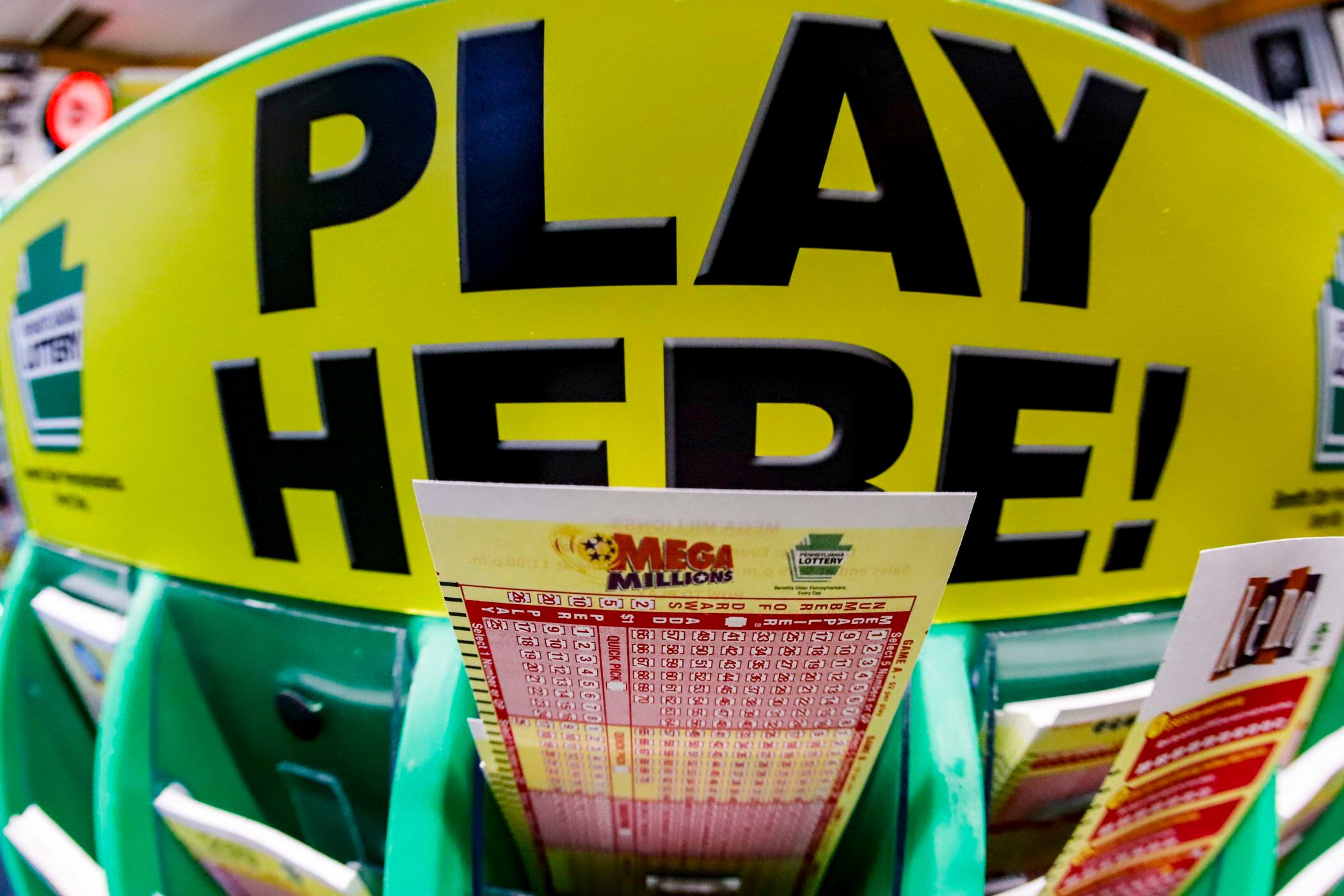
Someone in Michigan bought the winning ticket for the $1.05 billion Mega Millions jackpot, which is the third-largest lottery prize in U.S. history.
The winning numbers for Friday night’s drawing were 4, 26, 42, 50, and 60, with a Mega Ball of 24. The winning ticket was purchased at a Kroger store in the Detroit suburb of Novi, the Michigan Lottery said.
“Someone in Michigan woke up to life-changing news this morning, and Kroger Michigan congratulates the newest Michigan multimillionaire,” said Rachel Hurst, a regional spokeswoman for the grocery chain. She declined to comment further.
The Mega Millions top prize had been growing since Sept. 15, when a winning ticket was sold in Wisconsin. The lottery's next estimated jackpot is $20 million.
Friday night's drawing came just two days after a ticket sold in Maryland matched all six numbers drawn and won a $731.1 million Powerball jackpot.
The jackpot figures refer to amounts if a winner opts for an annuity, paid in 30 annual installments. Most winners choose a cash prize, which for the Mega Millions game would be $776.6 million before taxes and $557 million after taxes, Michigan Lottery spokesman Jake Harris said.
“No way!” Ryan Gabrielli told The Detroit News after shopping Saturday at the lucky Kroger. “We meant to play the lottery but forgot to.”
Harris said the ticket holder should sign the back and keep it in a safe place.
“I wouldn't be surprised if the winning ticket holder held onto that ticket for a little bit, got their affairs in order, put together a financial plan, and then reached out to contact us,” he said.
Only two lottery prizes in the U.S. have been larger than Friday's jackpot. Three tickets for a $1.586 billion Powerball jackpot were sold in January 2016, and one winning ticket sold for a $1.537 billion Mega Millions jackpot in October 2018.
In Grosse Ile, a suburb south of Detroit, 126 people bought more than 600 tickets for the Friday drawing but didn't win the jackpot. They hoped to win enough money to replace a publicly owned bridge on their island in the Detroit River that has been closed indefinitely for major repairs. The only other transportation option for the island's 10,000 residents is a privately owned toll bridge.
“We used this to lift our spirits and dream a little bit,” said organizer Kyle de Beausset. “Of course we're open to any help with the bridge, but I can't imagine the winner would want to finance it.”
The odds of winning a Mega Millions jackpot were incredibly steep, at one in 302.5 million.
The game is played in 45 states as well as Washington, D.C., and the U.S. Virgin Islands.
___
Associated Press writer Julie Walker in New York City contributed to this report.