A Mega Millions playslip for those players preferring to choose the numbers they want to play is among the stacks of other lottery game playslips on display at a Smoker Friendly store, Friday, Jan. 22, 2021, in Cranberry Township, Pa. (AP Photo/Keith Srakocic)
By Ed White
Someone in Michigan bought the winning ticket for the $1.05 billion Mega Millions jackpot, which is the third-largest lottery prize in U.S. history.
The winning numbers for Friday night’s drawing were 4, 26, 42, 50, and 60, with a Mega Ball of 24. The winning ticket was purchased at a Kroger store in the Detroit suburb of Novi, the Michigan Lottery said.
“Someone in Michigan woke up to life-changing news this morning, and Kroger Michigan congratulates the newest Michigan multimillionaire,” said Rachel Hurst, a regional spokeswoman for the grocery chain. She declined to comment further.
The Mega Millions top prize had been growing since Sept. 15, when a winning ticket was sold in Wisconsin. The lottery's next estimated jackpot is $20 million.
Friday night's drawing came just two days after a ticket sold in Maryland matched all six numbers drawn and won a $731.1 million Powerball jackpot.
The jackpot figures refer to amounts if a winner opts for an annuity, paid in 30 annual installments. Most winners choose a cash prize, which for the Mega Millions game would be $776.6 million before taxes and $557 million after taxes, Michigan Lottery spokesman Jake Harris said.
“No way!” Ryan Gabrielli told The Detroit News after shopping Saturday at the lucky Kroger. “We meant to play the lottery but forgot to.”
Harris said the ticket holder should sign the back and keep it in a safe place.
“I wouldn't be surprised if the winning ticket holder held onto that ticket for a little bit, got their affairs in order, put together a financial plan, and then reached out to contact us,” he said.
Only two lottery prizes in the U.S. have been larger than Friday's jackpot. Three tickets for a $1.586 billion Powerball jackpot were sold in January 2016, and one winning ticket sold for a $1.537 billion Mega Millions jackpot in October 2018.
In Grosse Ile, a suburb south of Detroit, 126 people bought more than 600 tickets for the Friday drawing but didn't win the jackpot. They hoped to win enough money to replace a publicly owned bridge on their island in the Detroit River that has been closed indefinitely for major repairs. The only other transportation option for the island's 10,000 residents is a privately owned toll bridge.
“We used this to lift our spirits and dream a little bit,” said organizer Kyle de Beausset. “Of course we're open to any help with the bridge, but I can't imagine the winner would want to finance it.”
The odds of winning a Mega Millions jackpot were incredibly steep, at one in 302.5 million.
The game is played in 45 states as well as Washington, D.C., and the U.S. Virgin Islands.
___
Associated Press writer Julie Walker in New York City contributed to this report.
Rob Dongoski, EY Food and Agriculture Leader, joins Cheddar News to discuss what advancements in tech will shape the future of food, and how we are going to see more and more personalization in the food system.
It's no secret tech giant Amazon has a mission of becoming a major player in sports media, and the company is poised to make progress on that goal in 2022. Amazon Prime Video will be the exclusive home to Thursday Night Football for the 2022-23 NFL season. In December, the New York Post reported that Amazon is in the beginning stages of developing studio sports programs, and hopes to soon have a full daily lineup of sports shows. Front Office Sports senior reporter A.J. Perez joined Cheddar News' Closing Bell to discuss.
Digital mental health company Little Otter recently announced it closed a $22 million Series A round. Little Otter was founded in 2020 by a mother-daughter team, which based the company on the idea that a child's mental health can only be addressed by treating the whole family through technology available to everyone. Little Otter CEO and co-founder Rebecca Egger and her mother, Little Otter Chief Medical and Scientific Officer and co-founder Dr. Helen Egger joined Cheddar News' Closing Bell to discuss.
Adi Robertson, senior reporter at The Verge, joins Cheddar News to break down the battle between two NFT collections by Phunky Ape Yacht Club and PHAYC that are selling plagiarized Bored Ape Yacht Club designs.
Covid-19 has changed the way we view wellness. Jillian Hughes, communications director of Mental Health America, joins Cheddar News to discuss breaking the stigma around mental health. Justin Davis, CEO and co-founder of Spectrum Labs, weighs in on how social media impacts our wellbeing. Lastly, Precision Nutrition CEO Timothy Jones advices us on what trends to watch in 2022.
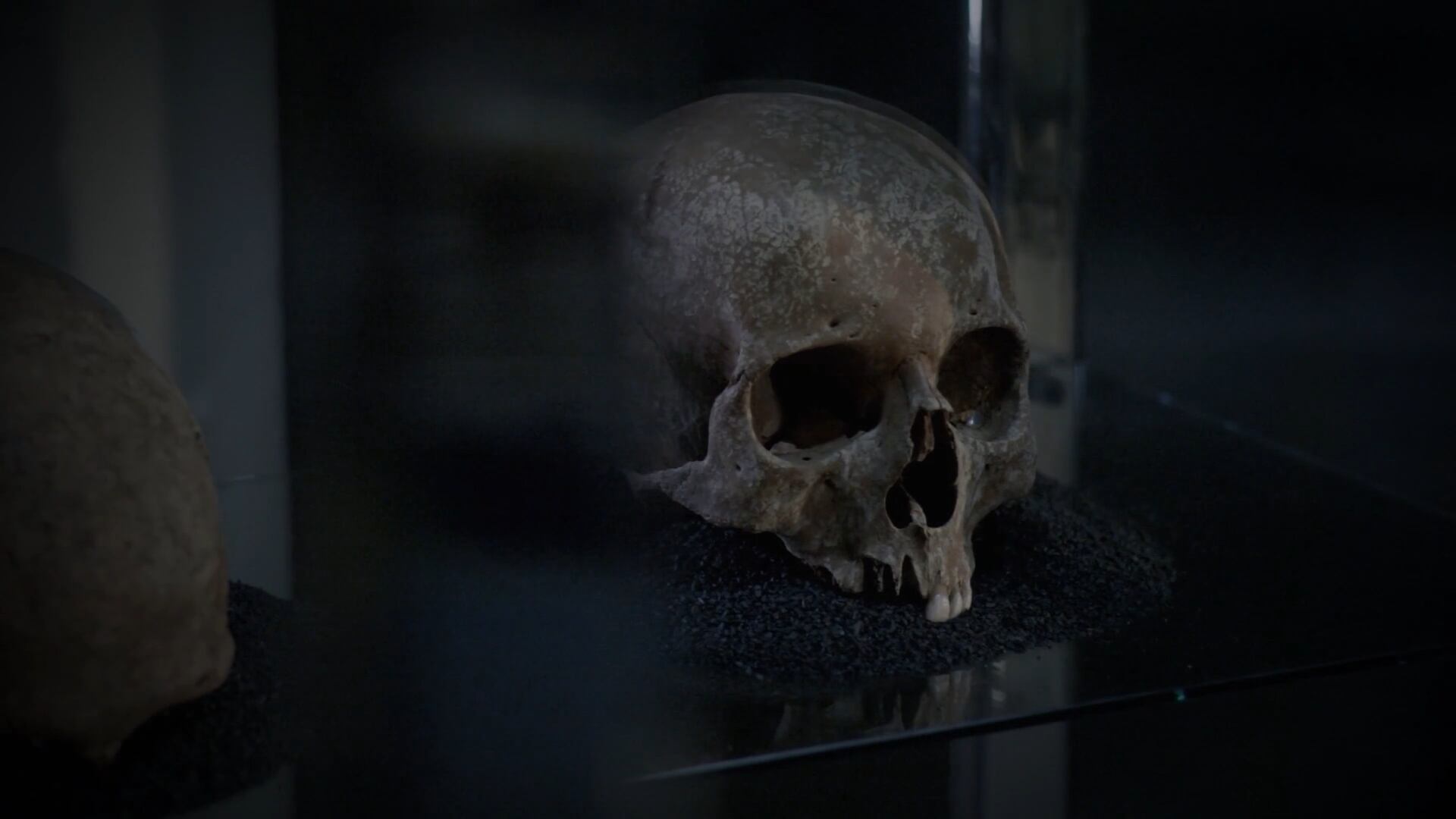
On this episode of Cheddar Innovates: Founder of Unlimited Tomorrow breaks down how he is creating completely 3D printed prosthetics to make them more affordable, customizable, and accessible; Chief Technology Officer of Zebra Technologies explains what the future of collaboration between robots and humans may look like; A look at Curiosity Stream's 'Mystery of the Roman Skulls.'
According to a recent analysis from ProPublica and the Wall Street Journal an analysis of Facebook posts, internal company documents, and interviews reveal key evidence about the social media giant's role in January 6 insurrection. National Reporter at ProPublica Craig Silverman, joined Cheddar to discuss more.