*By Max Godnick*
It's been one year to the day since The New York Times published its [Pulitzer Prize-winning exposé](https://www.nytimes.com/2017/10/05/us/harvey-weinstein-harassment-allegations.html) detailing allegations of sexual harassment against Hollywood mogul Harvey Weinstein.
And in that time, the #MeToo movement that sprang from those claims has become much more than a hashtag. Its influence has stretched into nearly every industry ー and it's even inspired the creation of another cause, Time's Up.
That organization was [launched](https://www.nytimes.com/2018/01/01/movies/times-up-hollywood-women-sexual-harassment.html) by over 300 powerful women in entertainment who called for equal pay, anti-harassment legislation, and the creation of a multi-million dollar legal defense fund.
"There's never been an effort like this before," Sharyn Tejani, the director of the Time's Up Legal Defense Fund, said Friday in an interview on Cheddar.
Tejani credits the Weinstein allegations with creating necessary momentum and shifting international focus to harassment in the workplace. The accusations also allowed Time's Up to grow as powerful as it is today.
"I've been doing civil rights work and women's rights work for 20 years," she said. "If you had told me at any point in that time that we would have an organization like this one that's focused on low-wage workers and focused on sex harassment, I would have told you that's simply impossible."
The Time's Up Legal Defense Fund is focused on four key missions: matching victims of sexual discrimination in the workplace with attorneys, funding cases, helping victims find public relations and media assistance, and educating workers about their rights.
Since its founding, the fund has fielded requests from 3,557 workers from all 50 states. It has amassed a network of 782 attorneys and has committed to funding 51 cases so far.
Tejani described some of the cases Time's Up has taken on, including one of a 15-year-old McDonald's employee who was harassed while working her first-ever job and that of a retail worker whose sexual harassment increased after she became pregnant.
"They're heart-rending, and they're so important," Tejani said of her clients' stories.
Despite its founding under the stewardship of Hollywood A-listers like Reese Witherspoon and Salma Hayek, the Time's Up Legal Defense Fund is focused on fighting for the rights of a much less celebrated sector of the workforce: low-wage workers.
Tejani said that the demographic is uniquely vulnerable to harassment, which can cause depression, PTSD, and lead to a fear of going to work.
The few who do come forward are often punished by their employers ー losing shifts, having their pay cut, being pushed off projects, or simply getting fired.
"We're really pleased that we're reaching the people that we hoped we'd be reaching," Tejani said.
For full interview [click here](https://cheddar.com/videos/the-times-up-legal-defense-fund-looks-back-at-one-year-of-metoo).
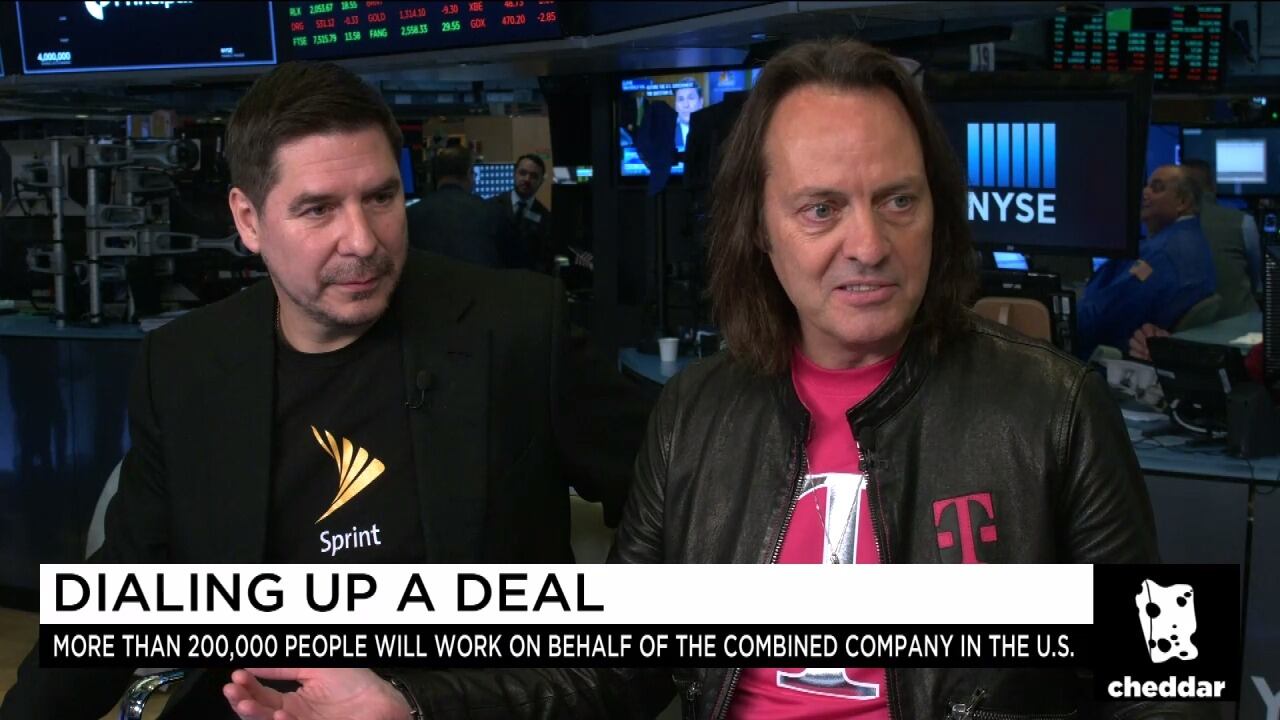
The two companies tout their deal as necessary for innovation and claim that it doesn't decrease competition in the field. Those arguments will be difficult to prove, says Eleanor Fox, an antitrust expert at NYU Law School. The third and fourth largest mobile networks in the U.S. announced a $26.5 billion merger Sunday that they claim will help develop a 5G network and create jobs. The deal still needs approval from regulators, who have expressed antitrust concerns in the past.
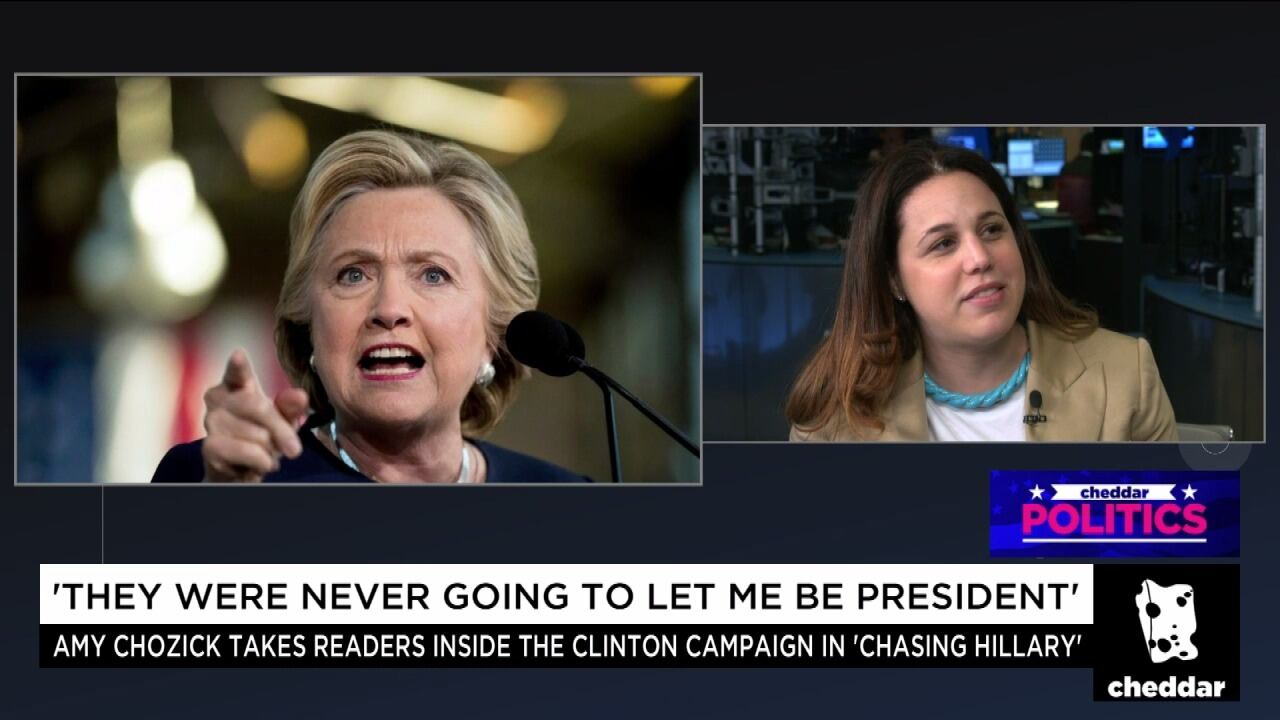
Rather than exiting the political fray, the former Secretary of State is campaigning for Democrats in this year's midterm elections and reaching out to women's groups. "I think she's earned the right to do whatever the hell she wants," says Amy Chozick, a writer-at-large for The New York Times and author of "Chasing Hillary."
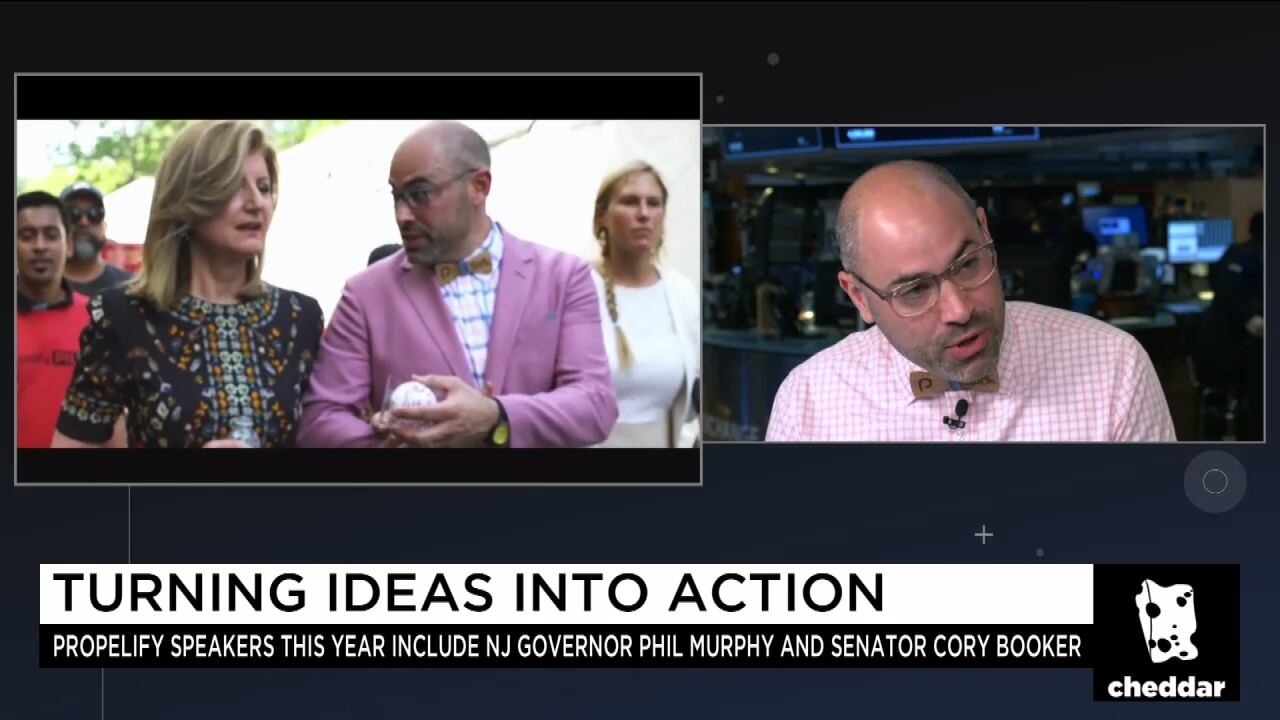
New Jersey could become home to more innovation with hands-on support from lawmakers, says Aaron Price, founder and CEO of Propelify, an innovation festival in Hoboken, NJ.
The White House Correspondents' Association responded to the annual event saying, "the entertainer's monologue was not in the spirit" of the group's mission. However, it's actually the journalists insulted by her jokes who are "not doing their jobs," says Emma Vigeland, a host and producer of the TYT Politics Show on The Young Turks.
The agreed merger of T-Mobile and Sprint aligns with President Trump's policy priorities, the T-Mobile CEO John Legere says in an interview with Cheddar's Hope King. He says the president's tax policies have "added a great amount of value in this deal," and the merged company can help create a fast 5G network vital to the country's digital infrastructure, another priority for Trump.
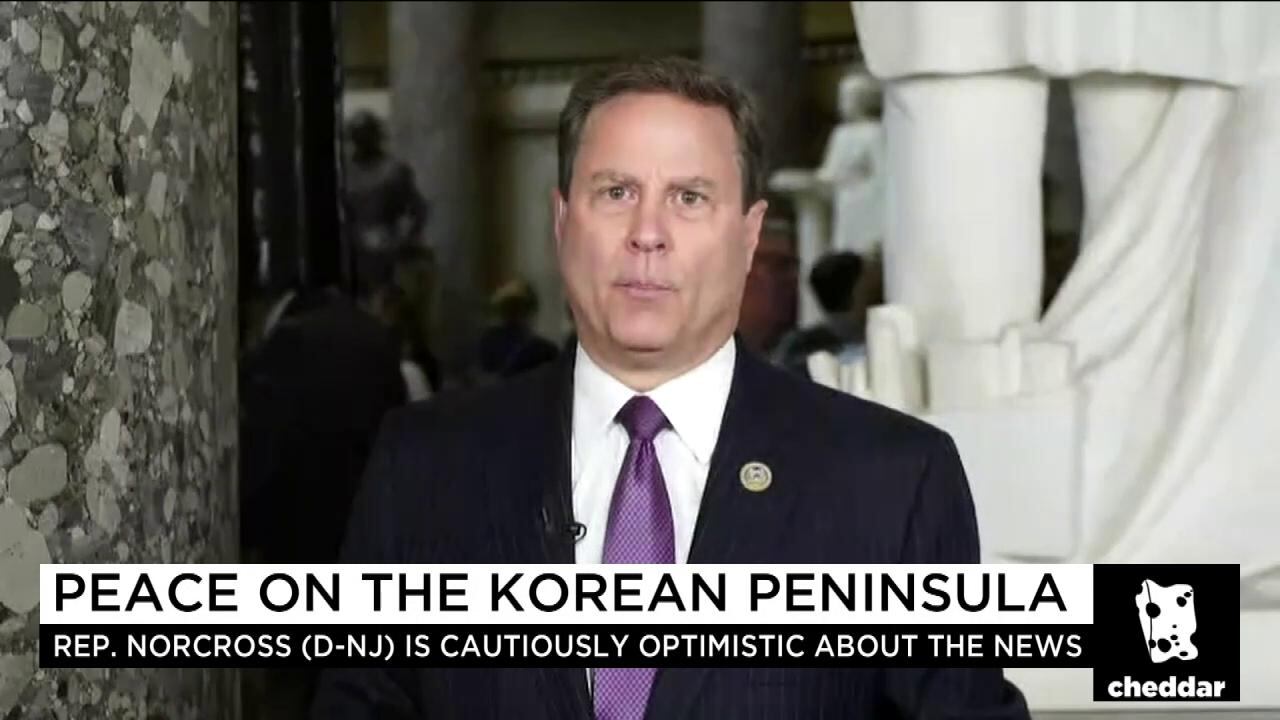
The congressman said that, though the historic summit between the two Koreas was a positive, the U.S. should take North Korea's denuclearization promises with a grain of salt. "As President Reagan used to say, trust, but we need to verify," he told Cheddar.
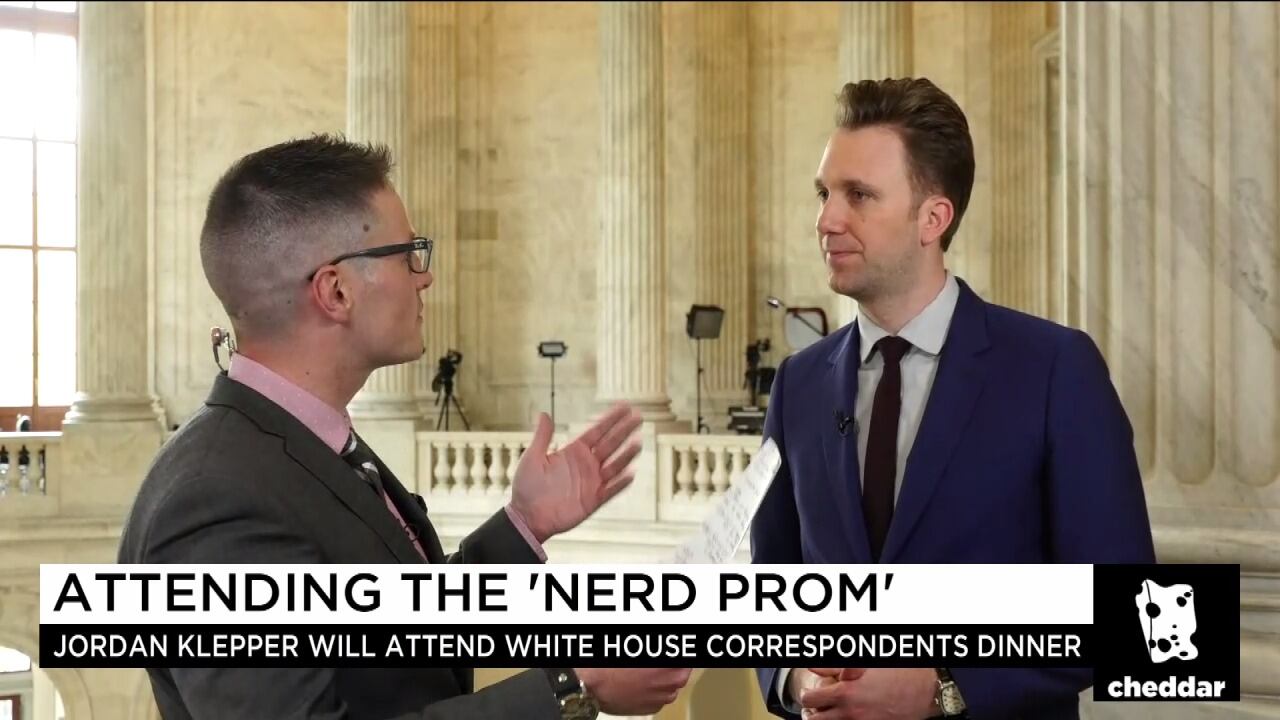
The comedian, who plays a right-wing commentator on his Comedy Central show "The Opposition," has high hopes for this year's "Nerd Prom" thanks to host Michelle Wolf. "I'm just excited to sit back and watch her kill it," Klepper told Cheddar. The White House Correspondent's Dinner takes place on Saturday, and President Trump has decided to skip the event for the second year in a row.
Maintaining diplomatic momentum after the historic meeting Friday between the North Korean leader Kim Jung-un and President Moon Jae-in of South Korea will likely fall on the shoulders of President Trump, who will have his own summit with Kim next month.
Former White House Communications Director Anthony Scaramucci tells Cheddar that, since he was fired last year, he has spoken to President Trump about a dozen times to talk about both political and personal issues.
Anthony Scaramucci, who only lasted 11 days as the White House Communications Director, tells Cheddar one of his biggest accomplishments last year was letting cameras back into White House briefings. That, and hiring a hair and makeup artist.