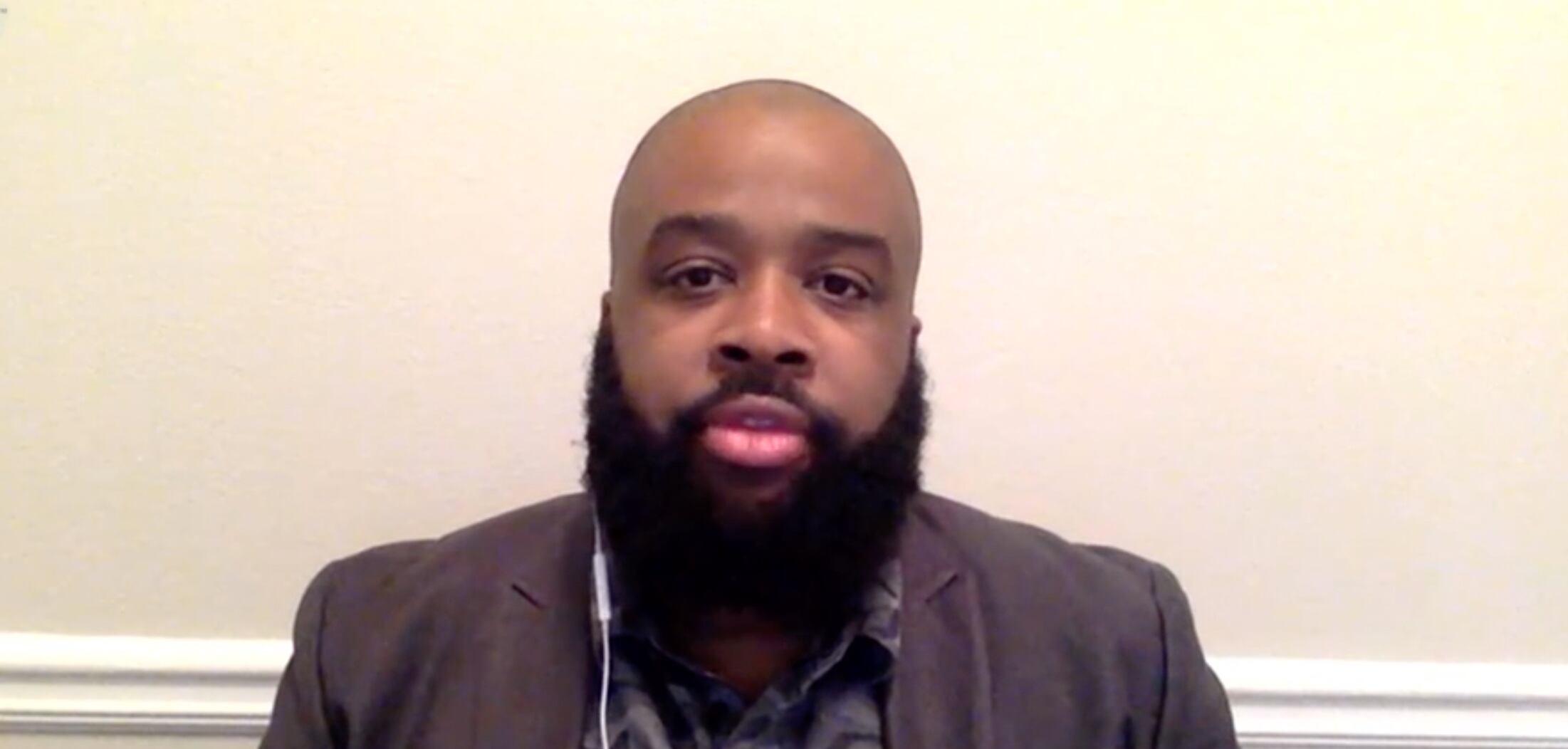
*By Max Godnick* It's been one year to the day since The New York Times published its [Pulitzer Prize-winning exposé](https://www.nytimes.com/2017/10/05/us/harvey-weinstein-harassment-allegations.html) detailing allegations of sexual harassment against Hollywood mogul Harvey Weinstein. And in that time, the #MeToo movement that sprang from those claims has become much more than a hashtag. Its influence has stretched into nearly every industry ー and it's even inspired the creation of another cause, Time's Up. That organization was [launched](https://www.nytimes.com/2018/01/01/movies/times-up-hollywood-women-sexual-harassment.html) by over 300 powerful women in entertainment who called for equal pay, anti-harassment legislation, and the creation of a multi-million dollar legal defense fund. "There's never been an effort like this before," Sharyn Tejani, the director of the Time's Up Legal Defense Fund, said Friday in an interview on Cheddar. Tejani credits the Weinstein allegations with creating necessary momentum and shifting international focus to harassment in the workplace. The accusations also allowed Time's Up to grow as powerful as it is today. "I've been doing civil rights work and women's rights work for 20 years," she said. "If you had told me at any point in that time that we would have an organization like this one that's focused on low-wage workers and focused on sex harassment, I would have told you that's simply impossible." The Time's Up Legal Defense Fund is focused on four key missions: matching victims of sexual discrimination in the workplace with attorneys, funding cases, helping victims find public relations and media assistance, and educating workers about their rights. Since its founding, the fund has fielded requests from 3,557 workers from all 50 states. It has amassed a network of 782 attorneys and has committed to funding 51 cases so far. Tejani described some of the cases Time's Up has taken on, including one of a 15-year-old McDonald's employee who was harassed while working her first-ever job and that of a retail worker whose sexual harassment increased after she became pregnant. "They're heart-rending, and they're so important," Tejani said of her clients' stories. Despite its founding under the stewardship of Hollywood A-listers like Reese Witherspoon and Salma Hayek, the Time's Up Legal Defense Fund is focused on fighting for the rights of a much less celebrated sector of the workforce: low-wage workers. Tejani said that the demographic is uniquely vulnerable to harassment, which can cause depression, PTSD, and lead to a fear of going to work. The few who do come forward are often punished by their employers ー losing shifts, having their pay cut, being pushed off projects, or simply getting fired. "We're really pleased that we're reaching the people that we hoped we'd be reaching," Tejani said. For full interview [click here](https://cheddar.com/videos/the-times-up-legal-defense-fund-looks-back-at-one-year-of-metoo).