#MeToo One Year Later: How Time's Up's Message Still Resonates
*By Max Godnick*
It's been one year to the day since The New York Times published its [Pulitzer Prize-winning exposé](https://www.nytimes.com/2017/10/05/us/harvey-weinstein-harassment-allegations.html) detailing allegations of sexual harassment against Hollywood mogul Harvey Weinstein.
And in that time, the #MeToo movement that sprang from those claims has become much more than a hashtag. Its influence has stretched into nearly every industry ー and it's even inspired the creation of another cause, Time's Up.
That organization was [launched](https://www.nytimes.com/2018/01/01/movies/times-up-hollywood-women-sexual-harassment.html) by over 300 powerful women in entertainment who called for equal pay, anti-harassment legislation, and the creation of a multi-million dollar legal defense fund.
"There's never been an effort like this before," Sharyn Tejani, the director of the Time's Up Legal Defense Fund, said Friday in an interview on Cheddar.
Tejani credits the Weinstein allegations with creating necessary momentum and shifting international focus to harassment in the workplace. The accusations also allowed Time's Up to grow as powerful as it is today.
"I've been doing civil rights work and women's rights work for 20 years," she said. "If you had told me at any point in that time that we would have an organization like this one that's focused on low-wage workers and focused on sex harassment, I would have told you that's simply impossible."
The Time's Up Legal Defense Fund is focused on four key missions: matching victims of sexual discrimination in the workplace with attorneys, funding cases, helping victims find public relations and media assistance, and educating workers about their rights.
Since its founding, the fund has fielded requests from 3,557 workers from all 50 states. It has amassed a network of 782 attorneys and has committed to funding 51 cases so far.
Tejani described some of the cases Time's Up has taken on, including one of a 15-year-old McDonald's employee who was harassed while working her first-ever job and that of a retail worker whose sexual harassment increased after she became pregnant.
"They're heart-rending, and they're so important," Tejani said of her clients' stories.
Despite its founding under the stewardship of Hollywood A-listers like Reese Witherspoon and Salma Hayek, the Time's Up Legal Defense Fund is focused on fighting for the rights of a much less celebrated sector of the workforce: low-wage workers.
Tejani said that the demographic is uniquely vulnerable to harassment, which can cause depression, PTSD, and lead to a fear of going to work.
The few who do come forward are often punished by their employers ー losing shifts, having their pay cut, being pushed off projects, or simply getting fired.
"We're really pleased that we're reaching the people that we hoped we'd be reaching," Tejani said.
For full interview [click here](https://cheddar.com/videos/the-times-up-legal-defense-fund-looks-back-at-one-year-of-metoo).
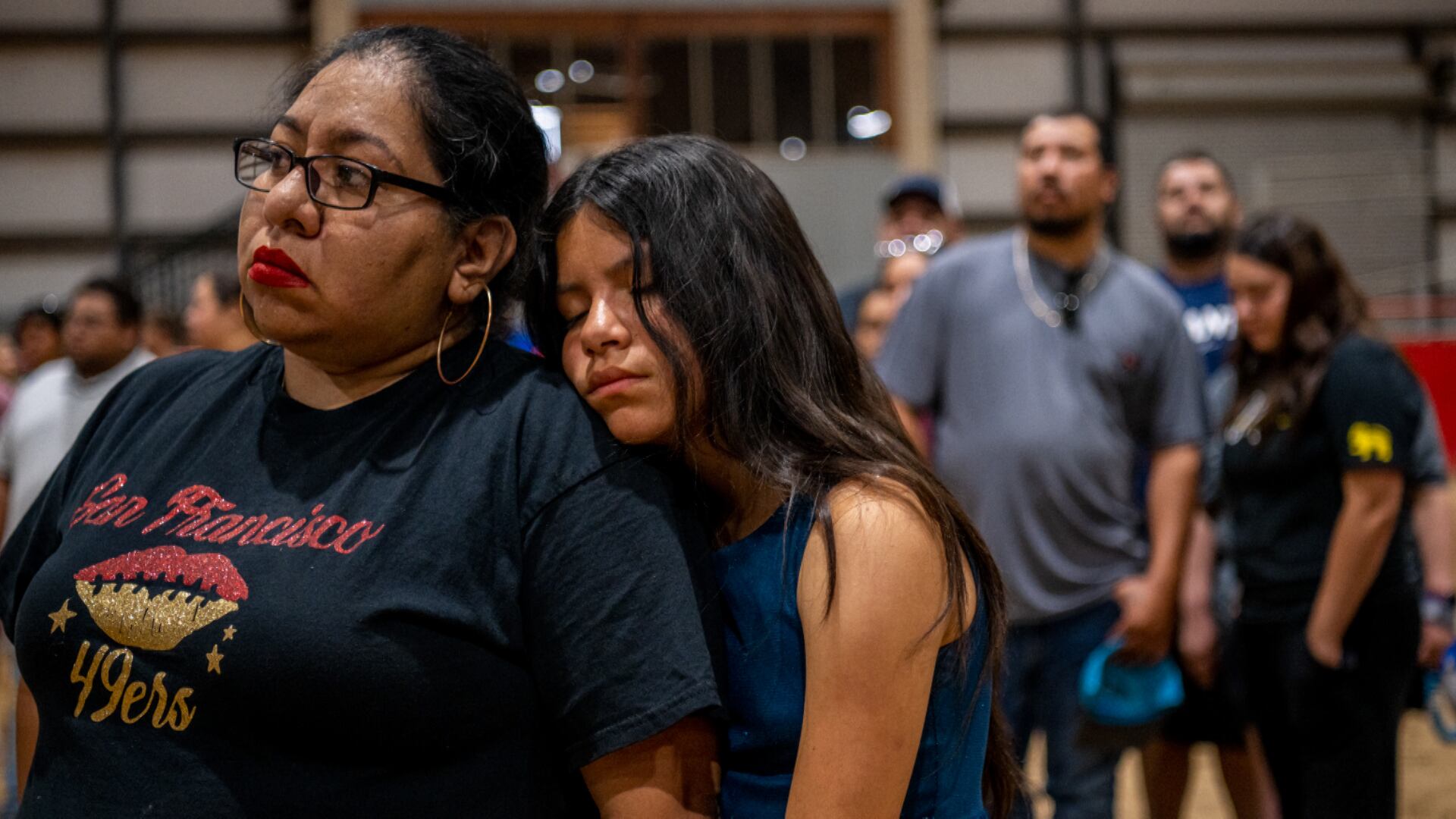
The school shooting in Texas that left 19 children and 2 teachers dead has reignited the debate over gun control.
The tragedy in Uvalde is the deadliest school shooting in nearly a decade and marks the latest in a string of mass shootings in the country. Jared Moskowitz, Broward County Commissioner and candidate for Congress in FL-23, joined Cheddar's Opening Bell to discuss why gun control measures are stalled in the Senate, and where legislation can move forward from here.
Police and detectives are still investigating the tragic school shooting in Uvalde, Texas that killed 19 children and two adults. Cheddar News was joined by Kirk Burkhalter, professor at New York Law School and former NYPD detective to gain some insight on what investigators are looking for and what comes next.
Texas authorities say the gunman who massacred 21 people at an elementary school was in the building for over an hour before he was killed by law enforcement officers.
Join Cheddar News as we break down the top headlines for Thursday, May 26 including updates on the Texas school shooting, President Joe Biden's executive order on police reform, and a recount in the Pennsylvania GOP Senate primary.
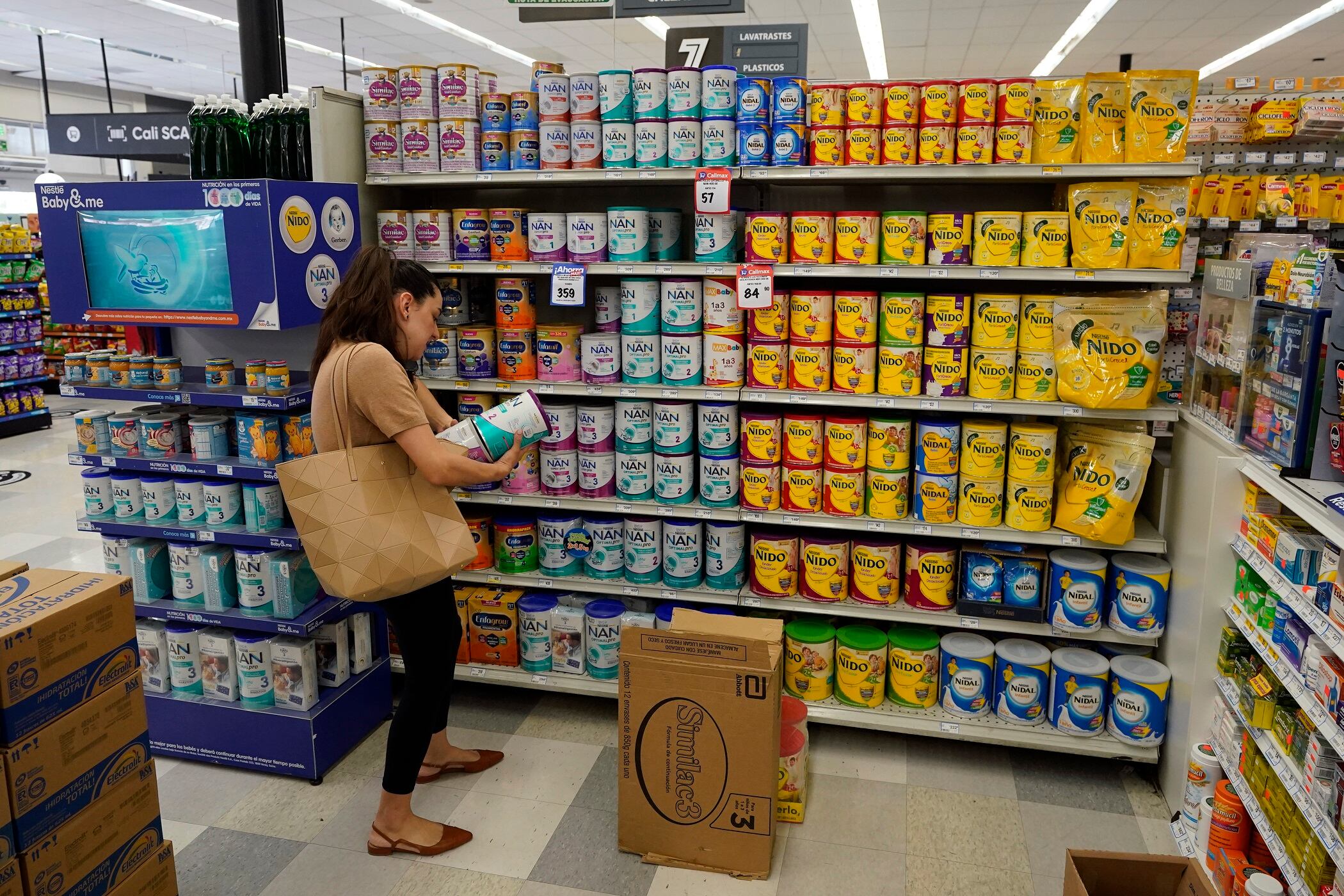
Representative Morgan Griffith of Virginia rebuked words from the FDA commissioner that could have been construed as blaming parents for stockpiling baby formula exacerbating the shortage.
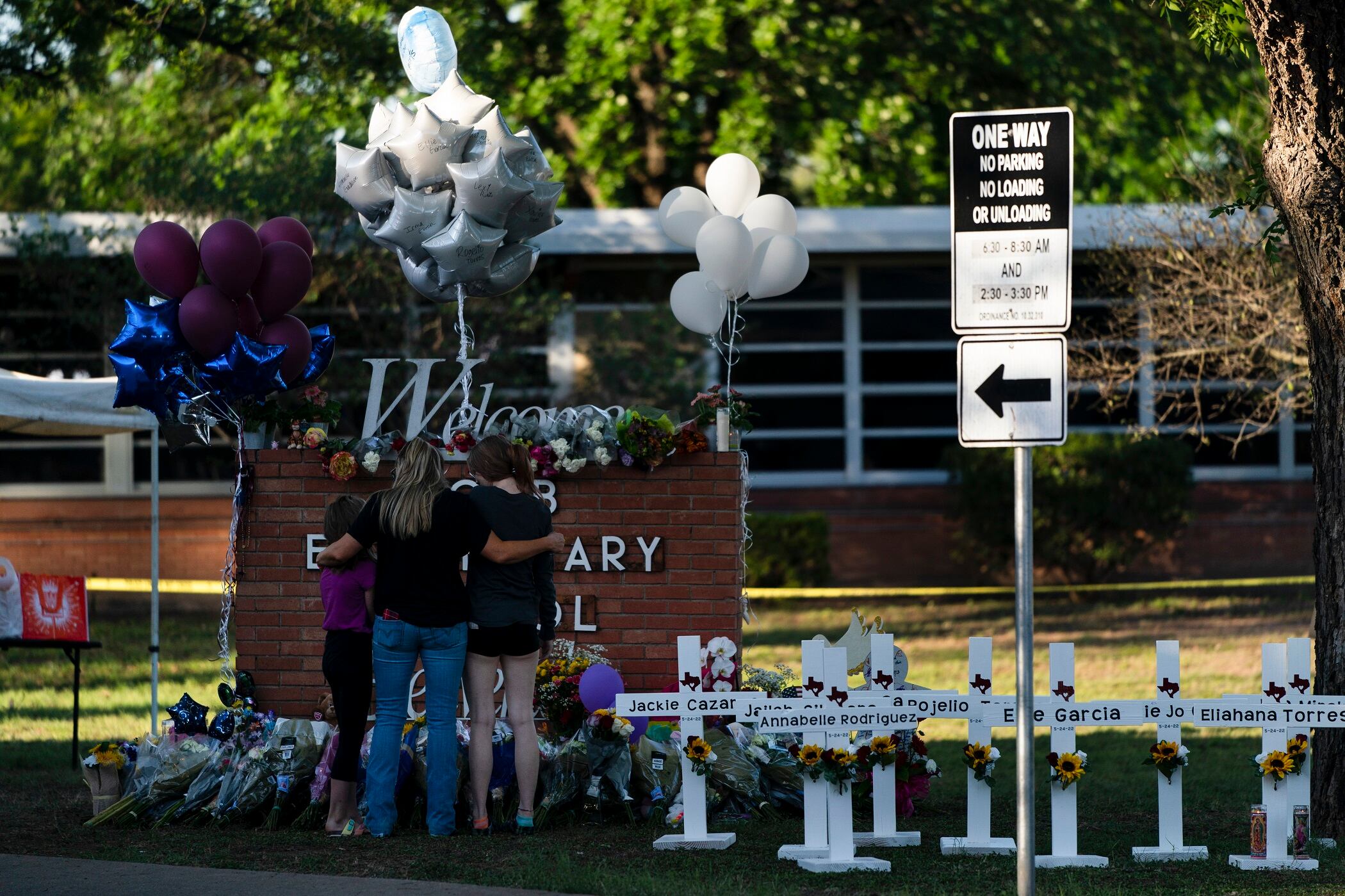
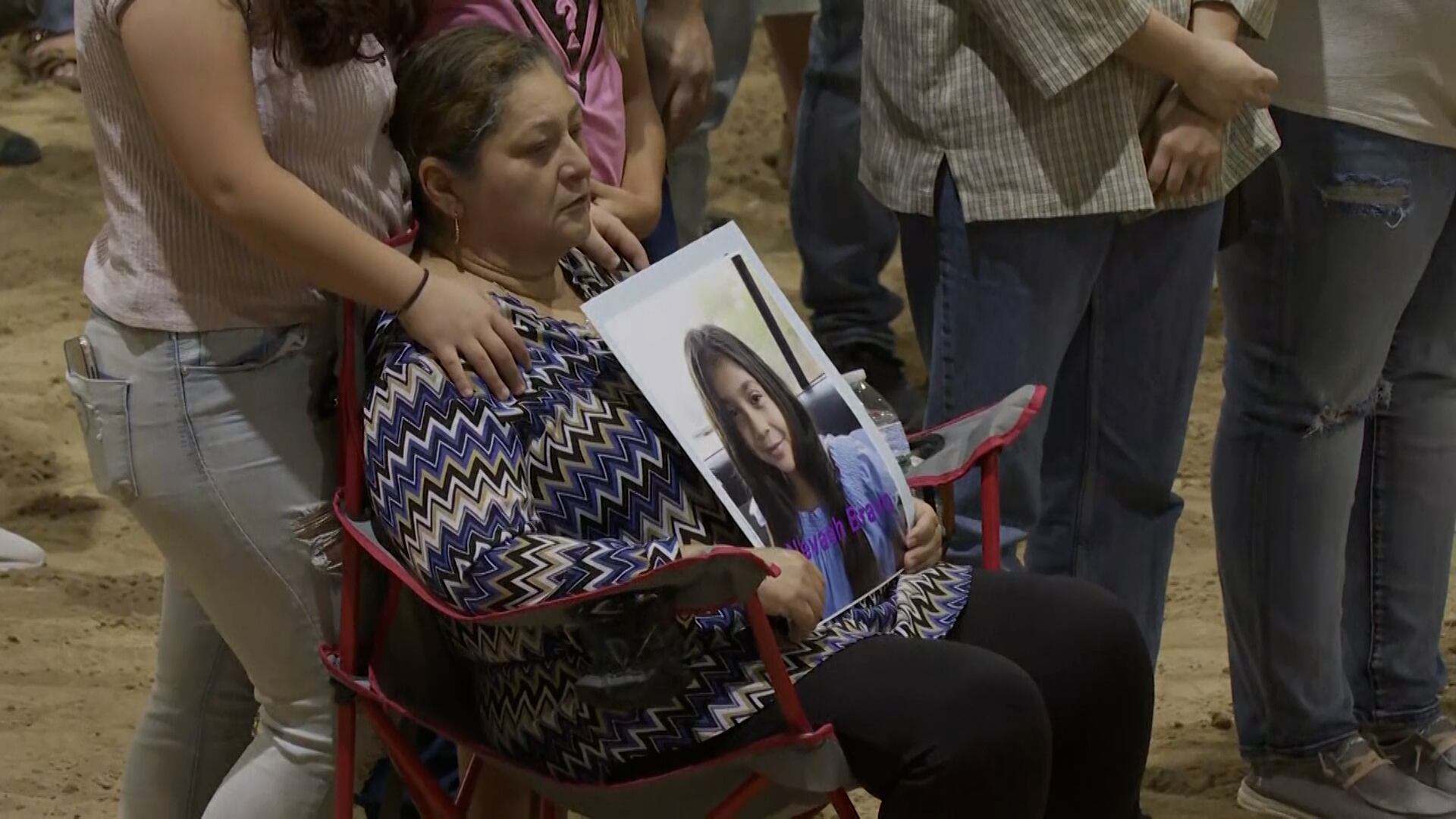
Cheddar News reporter Megan Pratz brings the latest from the scene of yesterday's horrific school shooting at a Robb Elementary School in Uvalde, Texas. Now the second-deadliest school shooting in U.S. history with 19 children and two adults killed, Pratz goes into comments by Texas Gov. Greg Abbott, details about the deceased shooter, and reactions from members of the community.
The Robb Elementary School mass shooting killing 19 children and two adults in Uvalde, Texas pm Tuesday was the deadliest school shooting since the 2012 Sandy Hook massacre in Newtown, Connecticut, and came just 10 days after the grocery store shooting in Buffalo, New York. Nelson Vergara, the founder and CEO of 360 Protective Solutions, joined Cheddar’s Opening Bell to discuss. "Right now what law enforcement is concentrating on is trying to trace his steps as to what motivated the gunman to act the way he did. What it boils down to just trying to figure out what led to his motivation to do such a horrific act.”
An recently conducted AP-NORC poll found that majorities of the Black and Hispanic populations in the U.S. still find themselves either somewhat worried or extremely worried over the pandemic, while more than half of white Americans responded with either being not too worried or not worried at all. Dr. Chris Pernell, the chief strategic integration and health equity officer at University Hospital, joined Cheddar News to talk about how perceptions of COVID-19 differ between groups of Americans. "We’re still seeing people get infected, and because of the toll of the disproportionate impact, we have concerns among the Black and brown community about whether or not they have an increased risk of exposure because of where they work, because of the use of public transportation, because they live in homes that they may not be able to safely quarantine and or isolate in, and because they have at baseline chronic health conditions that may make coronavirus more severe in those persons," she said.
Judith Enck, a former regional administrator for the EPA and the president of Beyond Plastics, joined Cheddar News to talk about the role of plastics in the climate crisis and California's investigation of ExxonMobil and other oil companies for misleading the public on the ability to recycle plastics. "The reason why petrochemical companies like Exxon have gotten away with selling more and more plastic is that they've lied to the public and told us don't worry about all those negative upstream impacts and downstream impacts of plastics. Just be sure to recycle it. Well, guess what? Plastics largely are not recycled," Enck said.