#MeToo One Year Later: How Time's Up's Message Still Resonates
*By Max Godnick*
It's been one year to the day since The New York Times published its [Pulitzer Prize-winning exposé](https://www.nytimes.com/2017/10/05/us/harvey-weinstein-harassment-allegations.html) detailing allegations of sexual harassment against Hollywood mogul Harvey Weinstein.
And in that time, the #MeToo movement that sprang from those claims has become much more than a hashtag. Its influence has stretched into nearly every industry ー and it's even inspired the creation of another cause, Time's Up.
That organization was [launched](https://www.nytimes.com/2018/01/01/movies/times-up-hollywood-women-sexual-harassment.html) by over 300 powerful women in entertainment who called for equal pay, anti-harassment legislation, and the creation of a multi-million dollar legal defense fund.
"There's never been an effort like this before," Sharyn Tejani, the director of the Time's Up Legal Defense Fund, said Friday in an interview on Cheddar.
Tejani credits the Weinstein allegations with creating necessary momentum and shifting international focus to harassment in the workplace. The accusations also allowed Time's Up to grow as powerful as it is today.
"I've been doing civil rights work and women's rights work for 20 years," she said. "If you had told me at any point in that time that we would have an organization like this one that's focused on low-wage workers and focused on sex harassment, I would have told you that's simply impossible."
The Time's Up Legal Defense Fund is focused on four key missions: matching victims of sexual discrimination in the workplace with attorneys, funding cases, helping victims find public relations and media assistance, and educating workers about their rights.
Since its founding, the fund has fielded requests from 3,557 workers from all 50 states. It has amassed a network of 782 attorneys and has committed to funding 51 cases so far.
Tejani described some of the cases Time's Up has taken on, including one of a 15-year-old McDonald's employee who was harassed while working her first-ever job and that of a retail worker whose sexual harassment increased after she became pregnant.
"They're heart-rending, and they're so important," Tejani said of her clients' stories.
Despite its founding under the stewardship of Hollywood A-listers like Reese Witherspoon and Salma Hayek, the Time's Up Legal Defense Fund is focused on fighting for the rights of a much less celebrated sector of the workforce: low-wage workers.
Tejani said that the demographic is uniquely vulnerable to harassment, which can cause depression, PTSD, and lead to a fear of going to work.
The few who do come forward are often punished by their employers ー losing shifts, having their pay cut, being pushed off projects, or simply getting fired.
"We're really pleased that we're reaching the people that we hoped we'd be reaching," Tejani said.
For full interview [click here](https://cheddar.com/videos/the-times-up-legal-defense-fund-looks-back-at-one-year-of-metoo).
A new report by the Foreign Correspondents Club of China warns that press freedom in the most populous country in the world is declining at an alarming speed. Cheddar News speaks with Steven Butler, Asia Program Coordinator at the Committee to Protect Journalists, about the hardships journalists face in China.
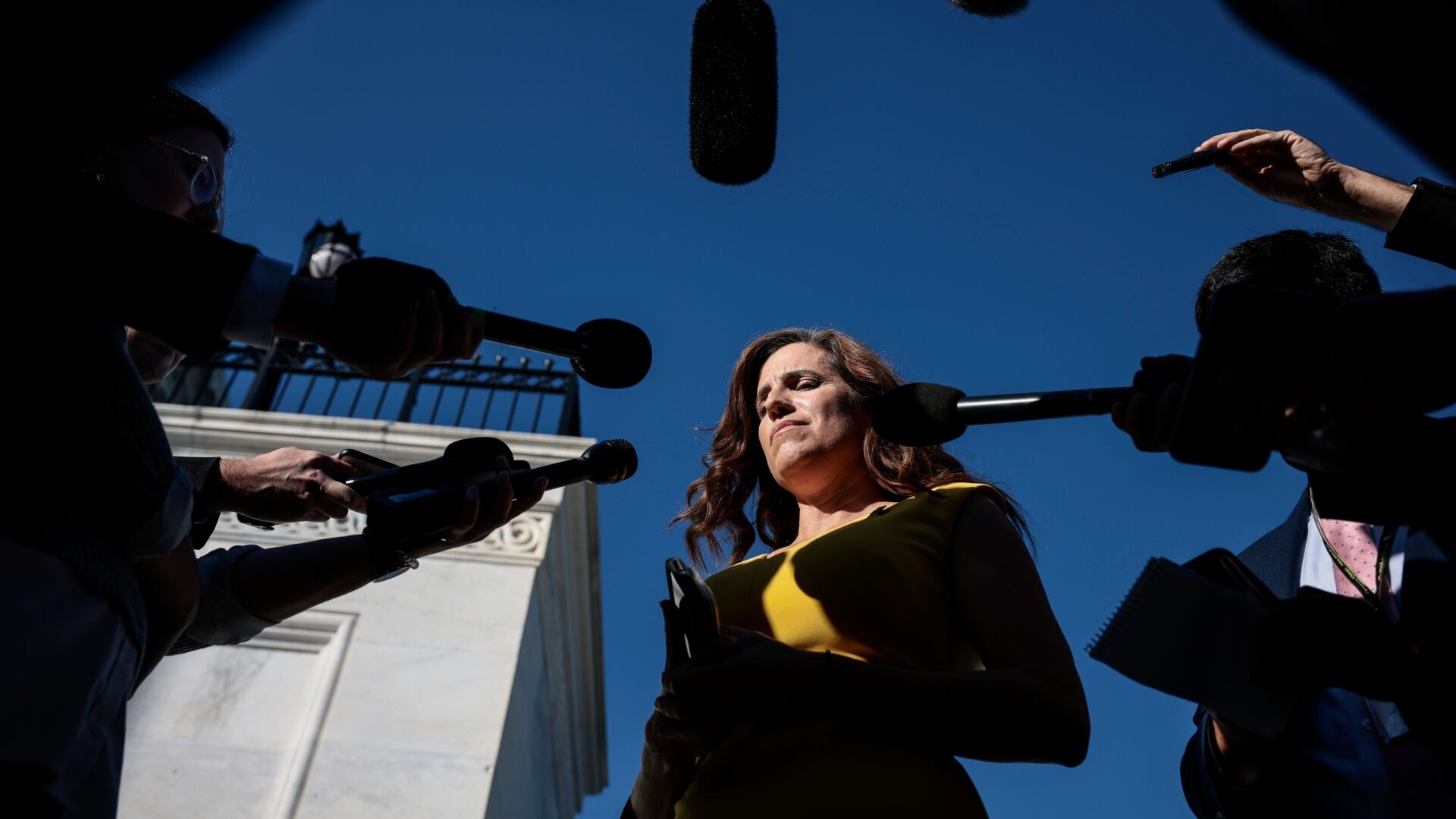
Rep. Nancy Mace (R-S.C. 1st District) joined Cheddar to discuss her cannabis legalization bill, the States Reform Act, and the prospects for gaining bipartisan support for a bill that has garnered the endorsement of e-commerce giant Amazon. This legislation is supported by businesses large and small, Amazon obviously being the most recent and largest business to support it," Mace said. "They don't want to sell pot. But what it does do is it affects their working employment pool." She stated that 10 percent of eligible new hires for Amazon are affected by restrictive marijuana laws. The representative also explained that the bill leaves equity provisions up to the states rather than mandating them on a federal level.
After a number of tragic subway incidents, the MTA is facing increased pressure to install subway platform screens to help prevent injury or death. However, according to an earlier report from the MTA, installing these prevented measures isn't feasible. New York City Council Member Keith Powers, joined Cheddar to discuss more.
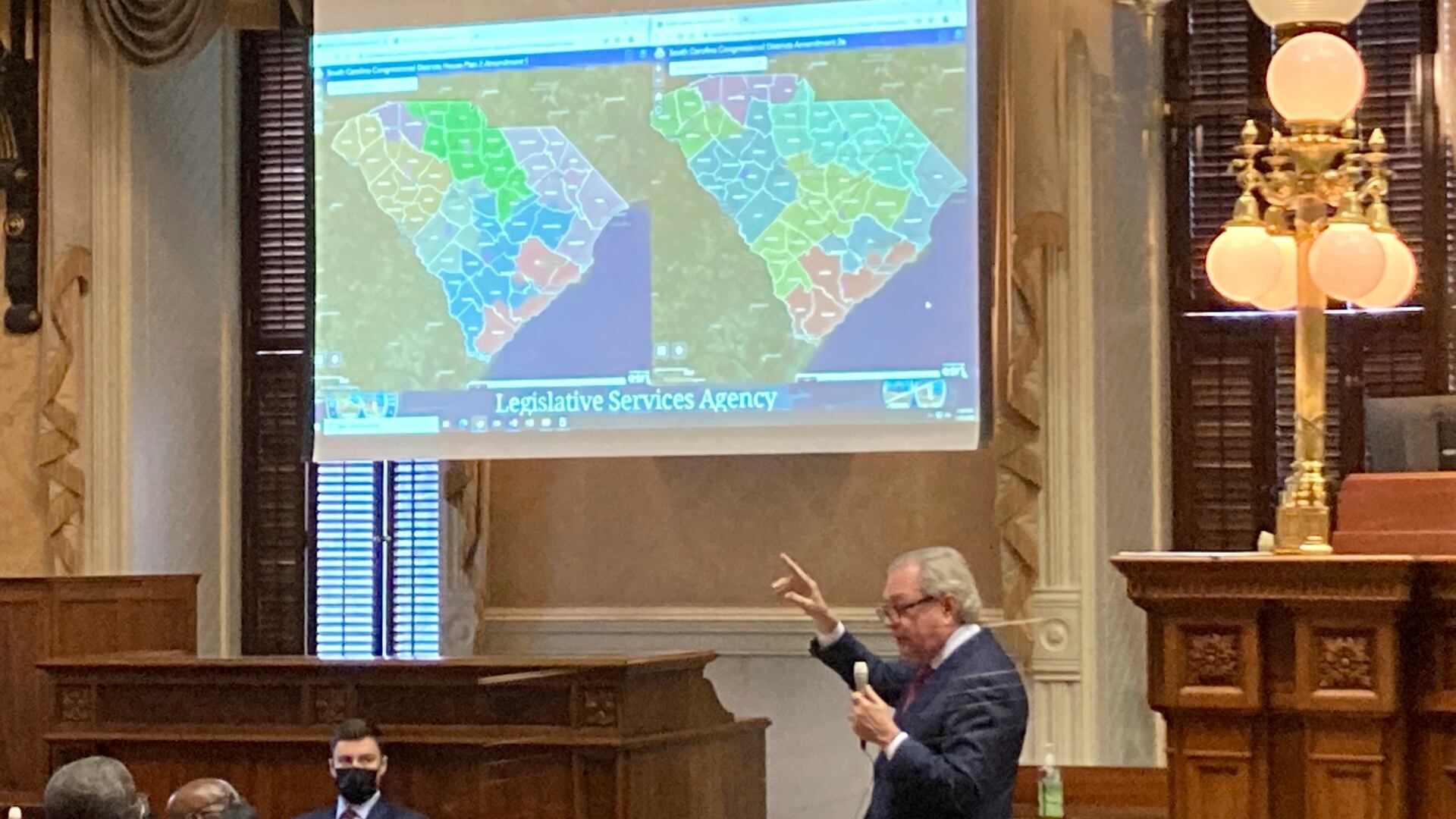
Across the country, states are working to redraw their congressional lines in what is often known as gerrymandering. These news lines are expected to determine the balance of power between Democrats and Republicans within the next decade. Senior Counsel for the Brennan Center's Democracy Program, Michael Li, joined Cheddar to discuss more.
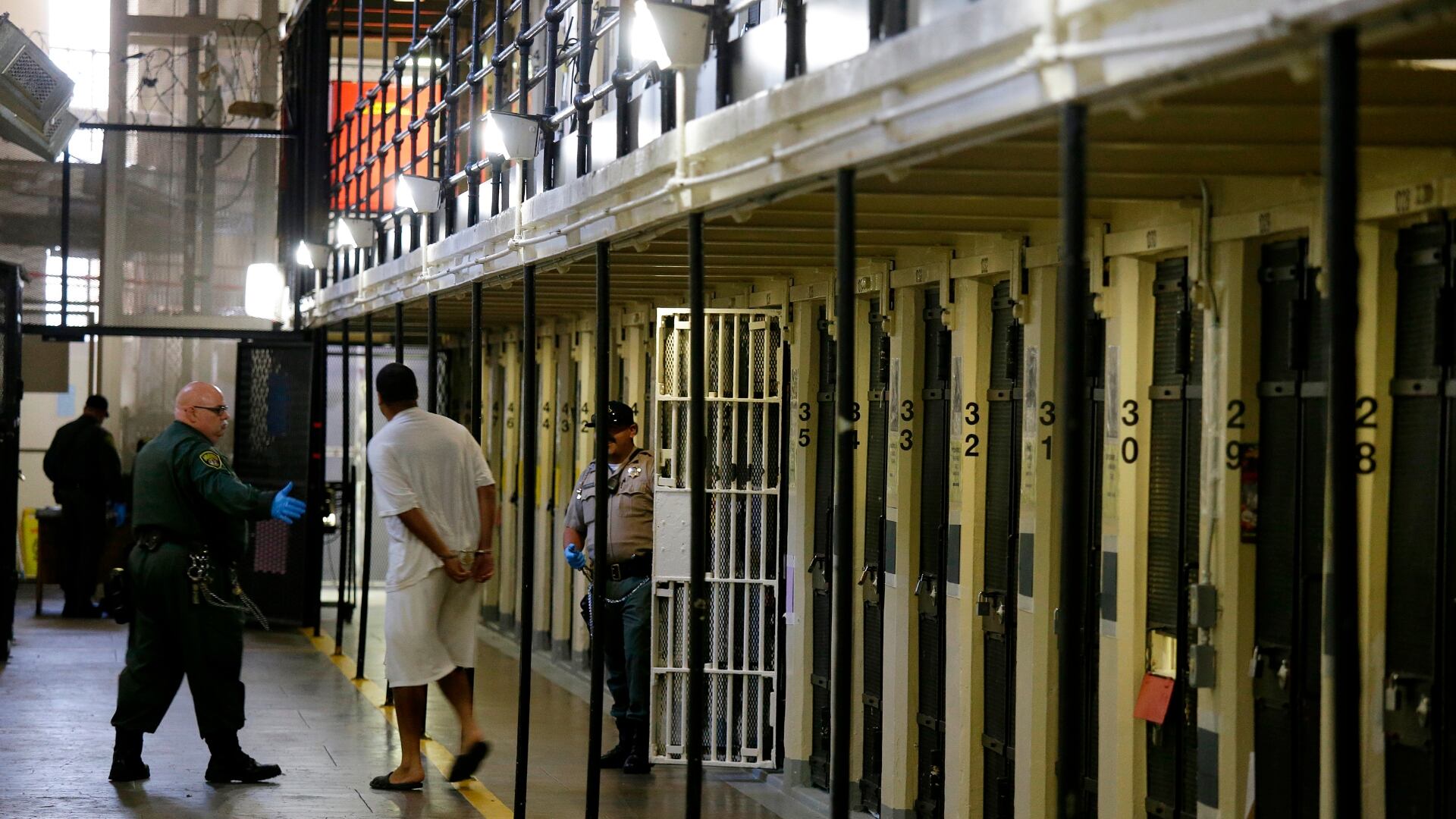
The state of California is officially planning to close its death row in the next two years. That state's governor Democrat Gavin Newsom says the plan is now to move all condemned inmates to other prisons and turn it into, as he calls it, a positive healing environment. Former U. S. Assistant Attorney and Legal Analyst, David Katz, joined Cheddar to discuss more.
Anthony Saccaro, Founder and President of Providence Financial, joins Cheddar News' Closing Bell, where he elaborates on why he is excited that the market is beginning to rebound and believes February has the potential to be a good month after a turbulent January.
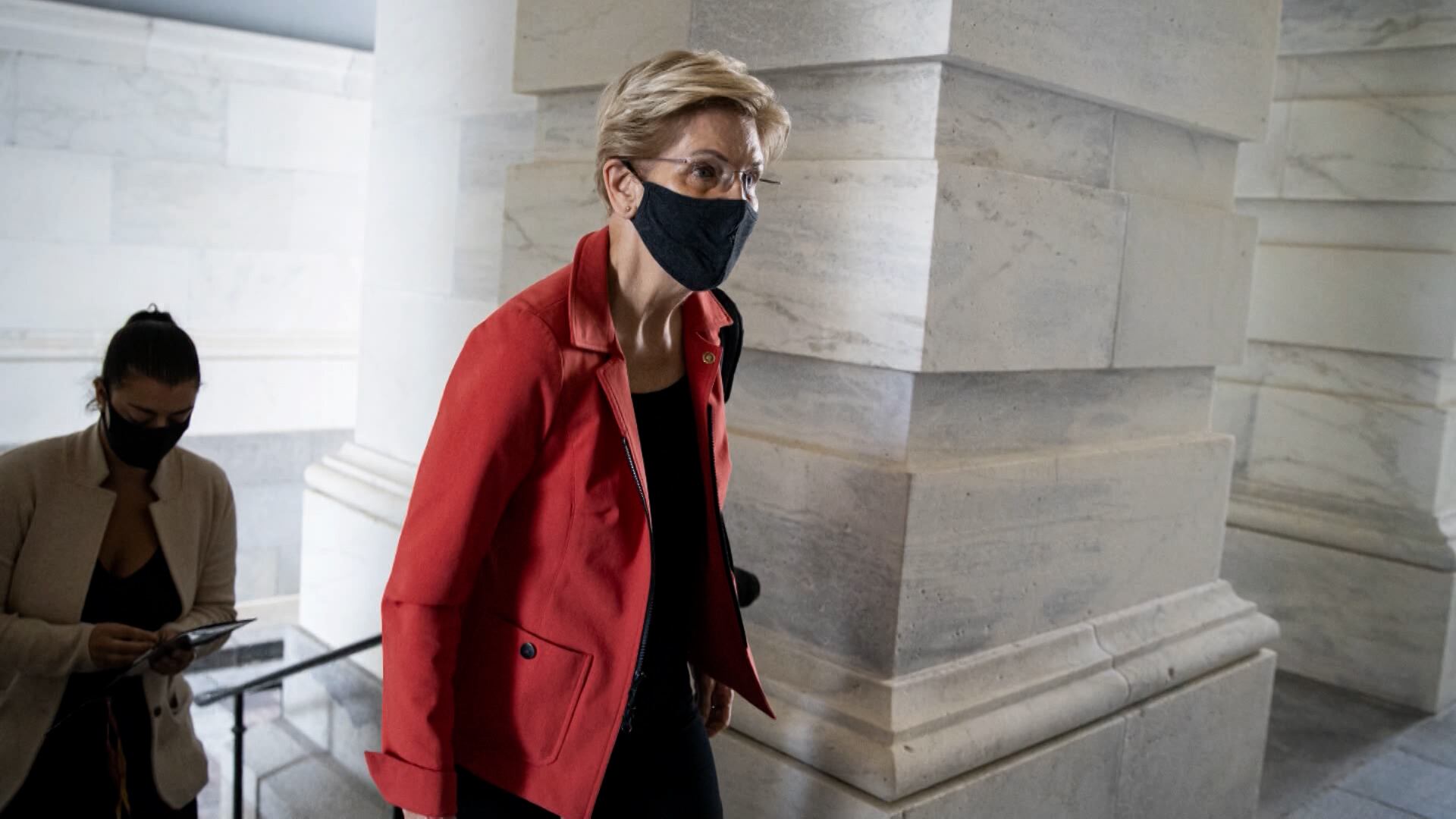
Cryptocurrency is expected to become a part of our daily lives — but what sort of environmental impact does it have? As the U.S. becomes the crypto mining capital of the world, climate advocates are worried about mining companies reopening old coal plants, using massive amounts of energy, wasteful hardware, and more. Congressional Democrats led by Senator Elizabeth Warren are demanding answers from mining firms about their electricity use and waste levels. John Belizaire, CEO of Soluna Computing, joins Cheddar Climate to discuss the congressional letters, how crypto mining can become a green industry, and more.
The Supreme Court will reconsider race-based affirmative action in college admissions. The court will examine admissions policies at Harvard University and The University of North Carolina Chapel Hill, which count the race of applicants as a factor in admissions. The court has upheld affirmative action policies in the past, saying it helps to create more diverse student bodies. However, the conservative Supreme Court could be skeptical and even possibly hostile to such policies. Nick Anderson, Higher Education Writer, Washington Post joined Cheddar's Opening Bell to discuss.