Mercari, a Japanese e-commerce company, is looking to expand the market for casual online sellers in the U.S. beyond Amazon and eBay.
"Selling has been a thing online for quite some time, but it's been quite hard for regular folks to sell online," Mercari U.S. CEO John Lagerling told Cheddar. "It's kind of hard to go on eBay and be a successful seller if you're a beginner."
Popular online marketplaces have become increasingly professionalized, he added, as more small and medium-sized businesses move online to expand their clientele. These vendors then accumulate thousands of reviews, raising the benchmark for getting customers.
With more than 45 million downloads, Mercari is making a play for more casual sellers.
"We wanted to level the playing field in a sense, compared to these platforms," Lagerling said.
This model has proven popular amid the economic downturn brought on by coronavirus. The company reported 183 percent year-over-year growth in the U.S.
While the U.S. branch is not yet profitable, gross merchandise value (GMV) has surpassed $100 million in recent months, which Lagerling said is in the range of where the company needs to be in if it chooses to prioritize profitability over investment.
Lagerling also touts the environmental benefits of a more robust resale market, noting that one-third of items are pre-owned but never used.
"Hand on heart, we all have these items that we've bought but ended up never using," he said.
Alexander Reed, CFA and CIO for Envisage Wealth, breaks down why he thinks rates could stay higher for longer and why real estate, utilities, and regional banks are sectors to avoid.
Big brands that have relied on TikTok videos to reach younger consumers do not appear to be panicking as they wait to see what happens. But they have started planning.
It's been 15 years since the last fatal crash of a U.S. airliner, but you wouldn't know that from a torrent of flight problems that made news in the last three months.
Abortion opponents want the high court to ratify a ruling from a conservative federal appeals court that would limit access to a medication called mifepristone, which was used in nearly two-thirds of abortions last year.
Annie Chechitelli, chief product officer at Turnitin, breaks down how students and teachers alike can learn from artificial intelligence – while still maintaining academic integrity.
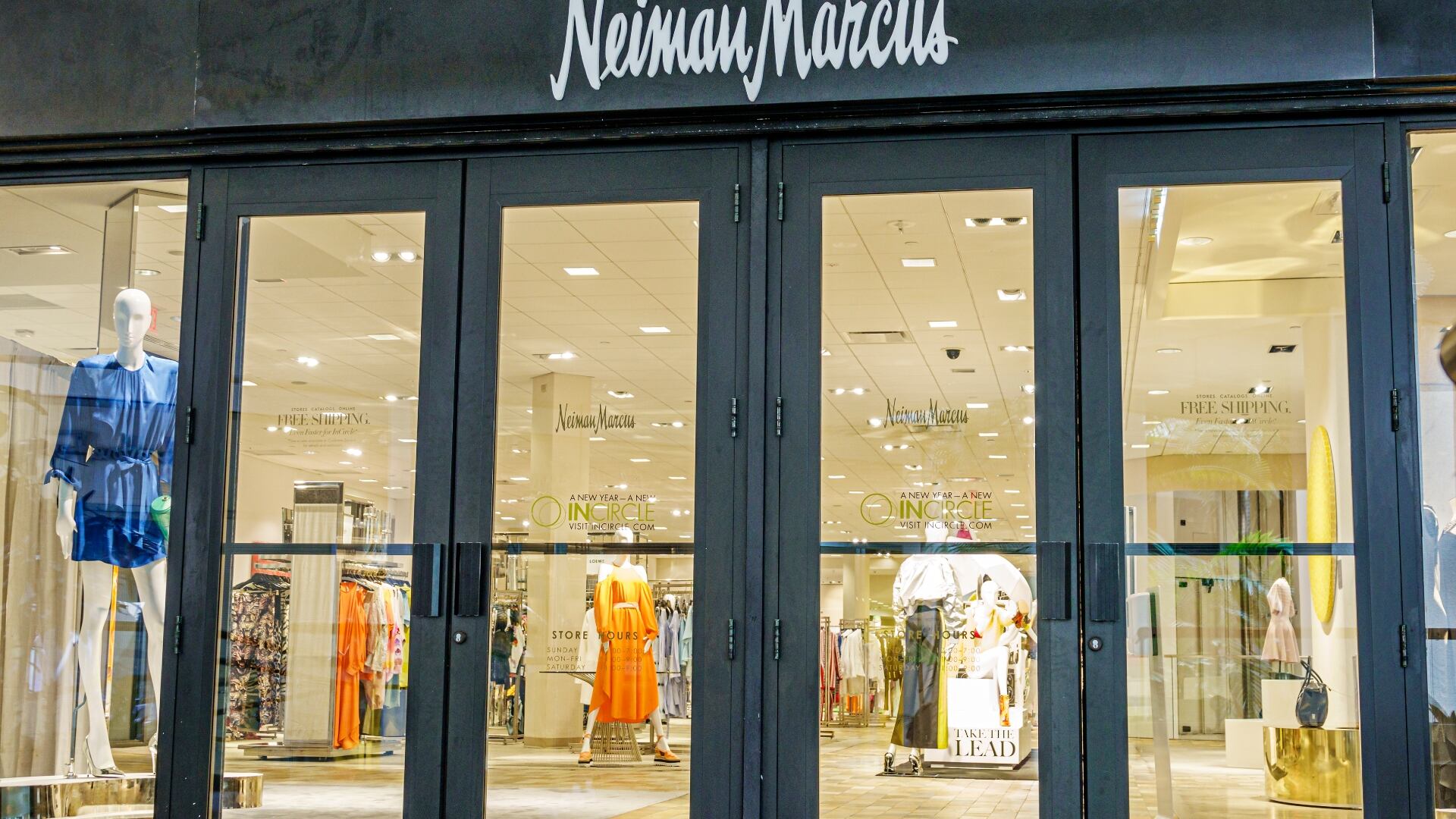
Neiman Marcus Group CEO Geoffroy van Raemdonck talks luxury shopping and TikTok, why the company prefers to be private for now, and the benefits of flexible work arrangements.
Rebecca Walser, founder and CEO of Walser Wealth Management, discusses how geopolitical conditions, the bifurcated economy, and other volatility could weigh on markets.