Once COVID-19 hit, the demand for mental health services skyrocketed, and with in-person care suspended, many turned to digital services — which led to a disturbing breach of data privacy.
The Duke Sanford School of Public Policy conducted a data brokerage study that found sensitive mental and physical health information was being collected, aggregated, bought, and sold by digital mental health service apps. And those services, in many cases, were not bound by HIPAA regulations.
The list of buyers of the personal health information is vast that includes banks and other financial institutions, US law enforcement agencies, advertising firms, insurance providers — and scammers.
Some digital health service platforms priced the health data of its customers between $200 and $5,000, while others offered subscriptions that doled out information monthly for $75,000 to $100,000.
So what's up for sale? The study found that some services were selling data on anonymous customers, others sold information that included a person's age, sex, race, postal code, and mental health status.
Earlier this month, the Federal Trade Commission filed an order with the Justice Department against GoodRx, a leader in American healthcare and operator of a telemedicine platform, for illegally sharing user information with advertising behemoths like Facebook and Google. The company has since agreed to pay a $1.5 million fine. If the suit is honored in court, it would ban GoodRx from sharing sensitive personal data with third parties.
Heavy rainfall flooded parts of Massachusetts and Rhode Island, with two communities declaring a state of emergency as water poured into homes, creating moats around their foundations and leading to boat rescues of residents. Concern about a dam listed in poor condition led to more evacuations.
The leading decongestant used by millions of Americans looking for relief from a stuffy nose is no better than a dummy pill, according to government experts who reviewed the latest research on the long-questioned drug ingredient.
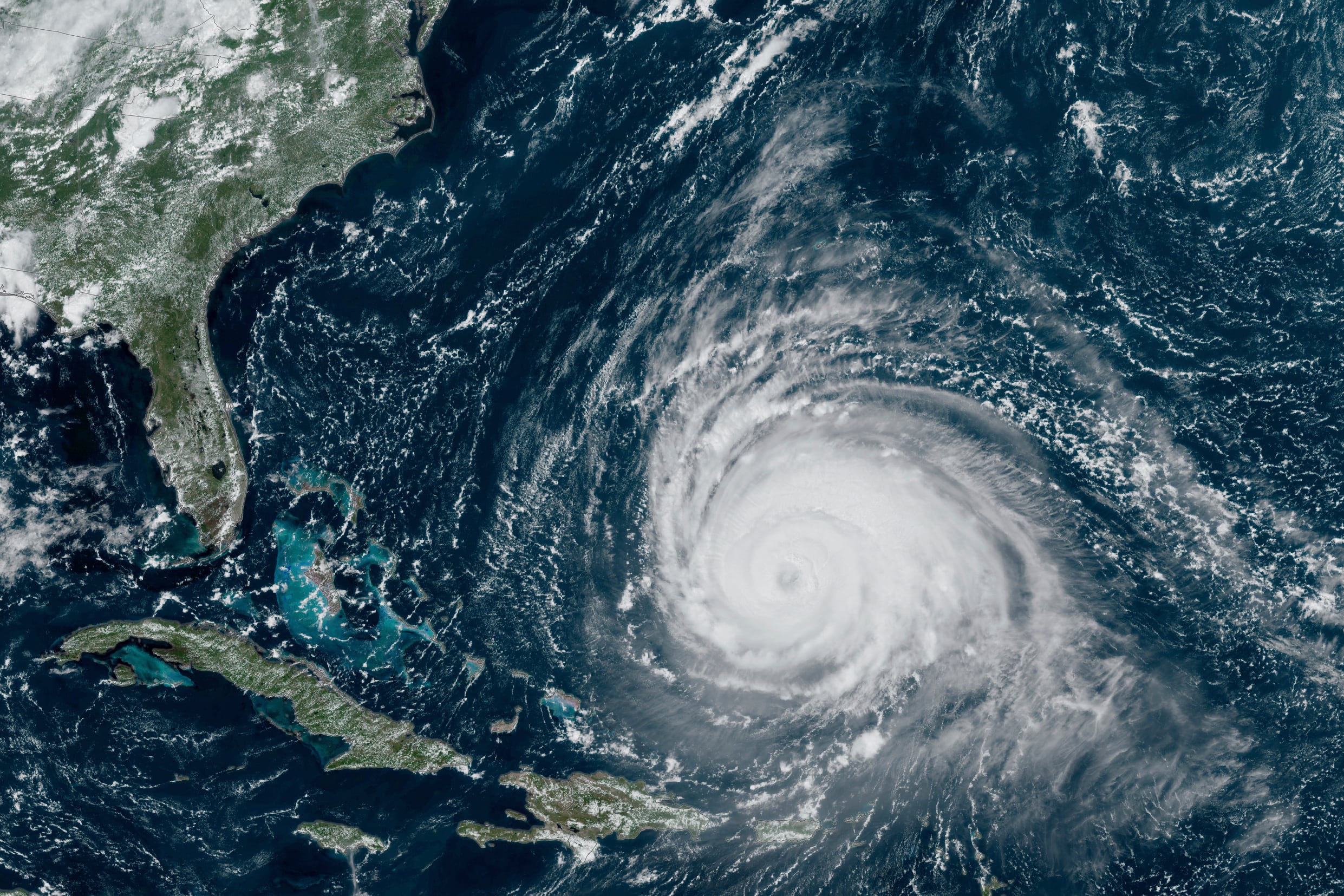
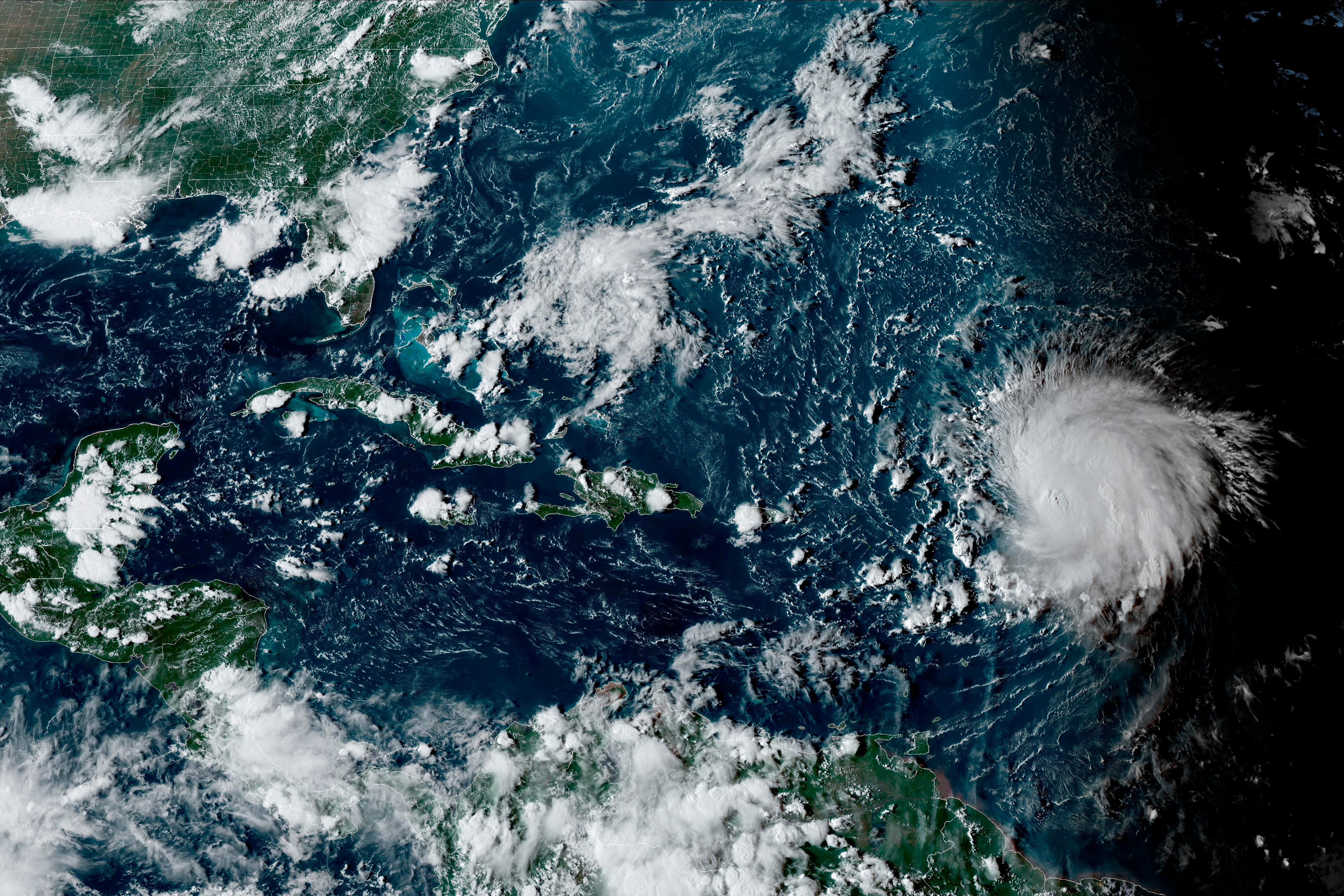
Hurricane Lee, still a Category 3 storm with winds of 115 mph, is expected to increase in size but be significantly weaker in the coming days, as it turns north to reach the U.S. East Coast, according to the National Hurricane Center.
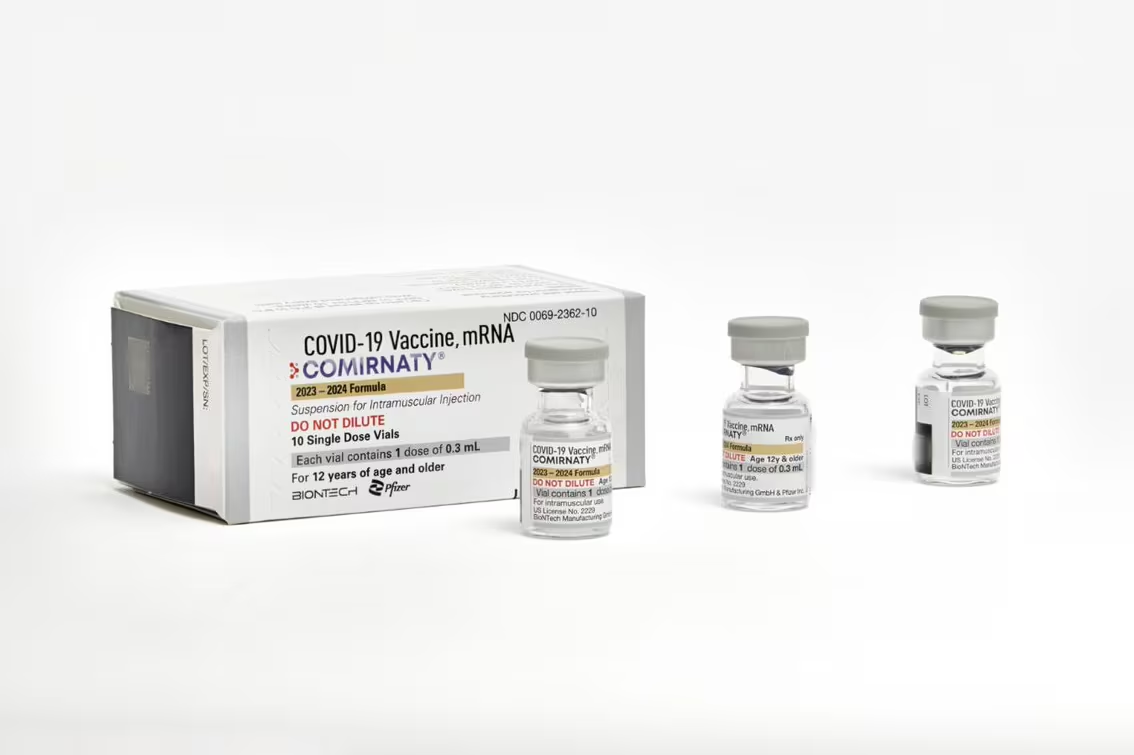
The U.S. approved updated COVID-19 vaccines Monday, hoping to rev up protection against the latest coronavirus strains and blunt any surge this fall and winter.
An earthquake has sown destruction and devastation in Morocco, where death and injury counts continue to rise as rescue crews dig out people both alive and dead in villages that were reduced to rubble.
Hurricane Lee whipped up waves of more than 15 feet (5 meters) on Monday as the Category 3 storm cranked through open waters just north of the Caribbean region.