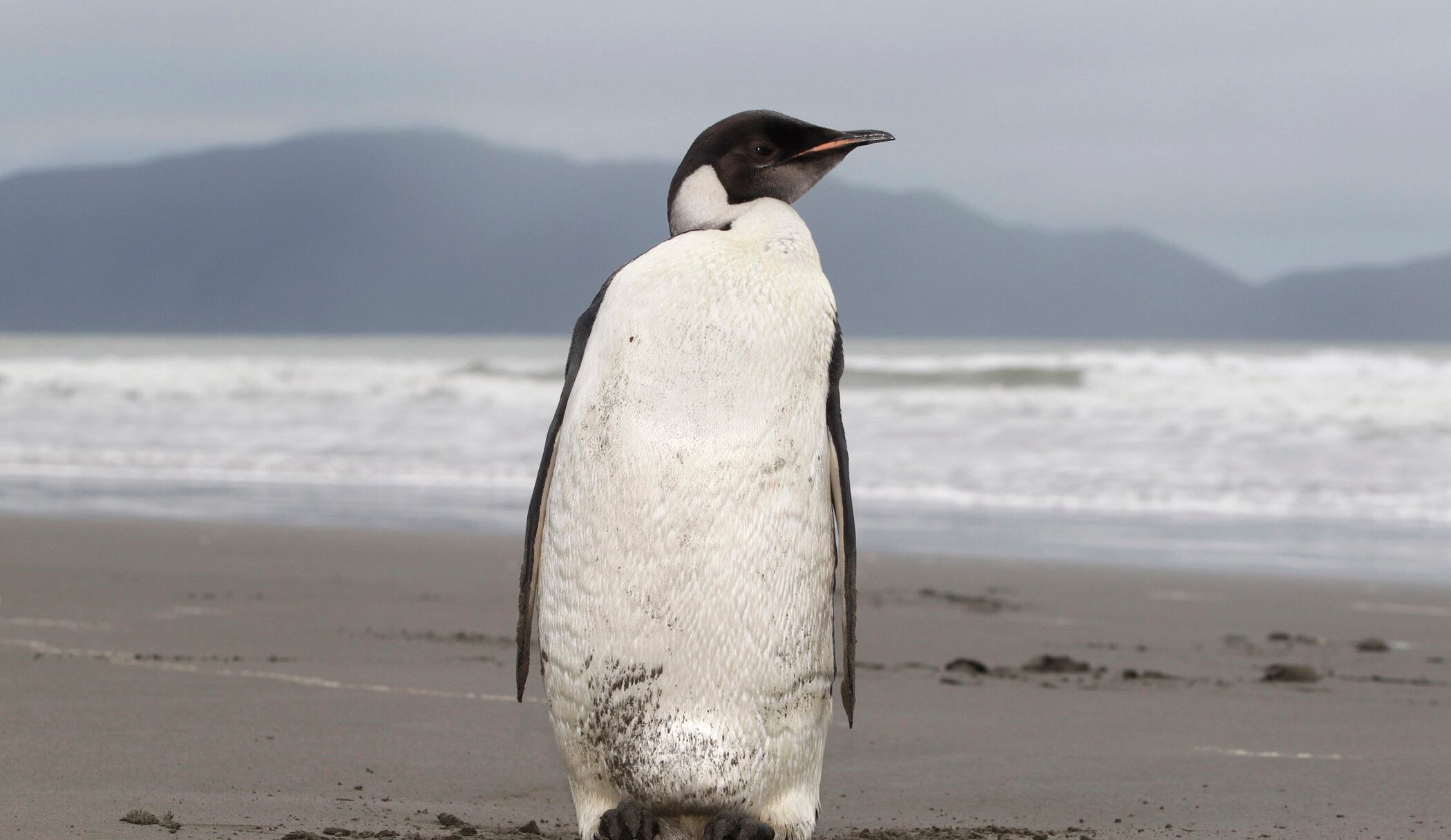
In this June 21, 2011 file photo, an Emperor penguin stands on Peka Peka Beach of the Kapiti Coast in New Zealand. With climate change threatening the sea ice habitat of Emperor penguins, the U.S. Fish and Wildlife Service on Tuesday, Aug. 3, 2021, announced a proposal to list the species as threatened under the Endangered Species Act. (Mark Mitchell/New Zealand Herald via AP, File)
By Christina Larson
With climate change threatening the sea ice habitat of Emperor penguins, the U.S. Fish and Wildlife Service on Tuesday announced a proposal to list the species as threatened under the Endangered Species Act.
“The lifecycle of Emperor penguins is tied to having stable sea ice, which they need to breed, to feed and to molt,” said Stephanie Jenouvrier, a penguin ecologist at the Woods Hole Oceanographic Institution.
Research published Tuesday in the journal Global Change Biology found that by 2100, 98% of Emperor penguin colonies may be pushed to the brink of extinction, if no changes are made to current rates of carbon emissions and climate change.
Around 70% of colonies will be in danger sooner, by 2050.
The new study looked at overall warming trends and the increasing likelihood of extreme weather fluctuations due to global warming. And it noted that extremely low levels of sea ice in 2016 led to a massive breeding failure of an Emperor penguin colony in Antarctica’s Halley Bay.
That year, seasonal sea ice broke up before penguin chicks had time to develop waterproof adult feathers, and about 10,000 baby birds drowned, Jenouvrier said. The colony did not recover afterward.
Emperor penguins breed exclusively in Antarctica during winter. They endure temperatures of minus 40 degrees Fahrenheit (minus 40 degrees Celsius) and wind speeds approaching 90 miles (144 kilometers) per hour by huddling together in groups of several thousand birds. But they can't survive without sufficient sea ice.
“These penguins are hard hit by the climate crisis, and the U.S. government is finally recognizing that threat,” said Sarah Uhlemann, international program director at the nonprofit Center for Biological Diversity.
The U.S. government has previously listed species outside the country as threatened, including the polar bear, which lives in Arctic regions and is also imperiled by climate change and sea ice loss.
Emperor penguins — the world's largest penguins — currently number about 270,000 to 280,000 breeding pairs, or 625,000 to 650,000 individuals. The proposed listing will be published in the Federal Register on Wednesday to open to a 60-day public comment period.
Listing the bird provides protections such as prohibition against importing them for commercial purposes. Potential impacts on penguins must also be evaluated by U.S. marine fisheries currently operating in Antarctica.
“Climate change, a priority challenge for this Administration, impacts a variety of species throughout the world," said Martha Williams, principal deputy director of the wildlife service. "The decisions made by policymakers today and during the next few decades will determine the fate of the Emperor penguin.”
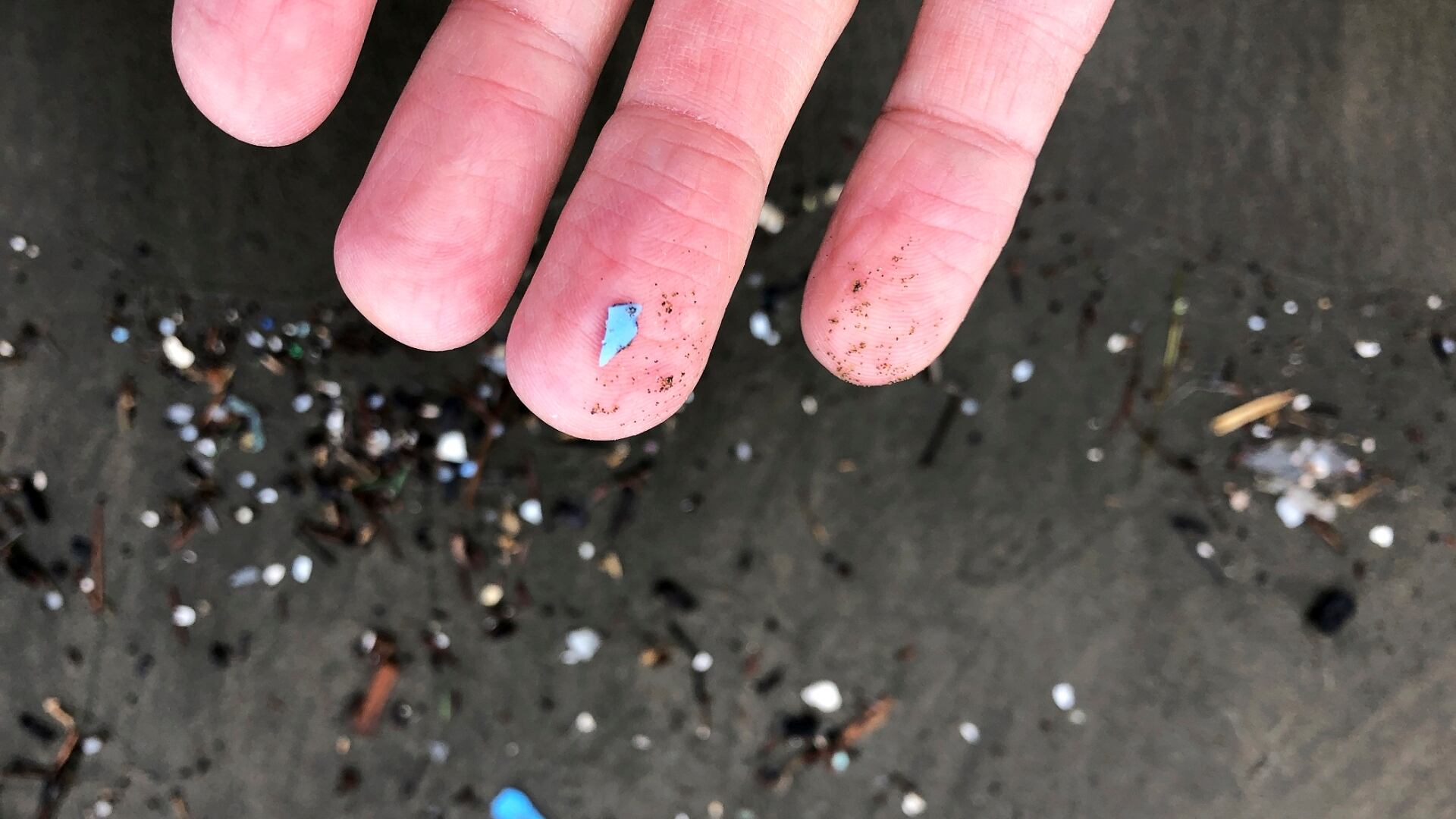
For the first time microplastics have been found deep in the lungs of living humans. The trace materials potentially came from everyday items such as plastic bottles and bags. Dr. Jessica Shepherd, the chief medical officer at Verywell Health, joined Cheddar News to talk about the report's findings and to discuss the possible risks people might face. "The study’s most important part is we need to decrease our pollution, and we need to think about different ways to consume outside of plastic," she said.
An estimated five billion people lack access to affordable and safe surgical care around the world. For World Health Day, Cheddar News spoke with Kristie Magee Porcaro of Operation Smile, a nonprofit organization assisting with cleft lip and palate surgeries, about how they work to better it around the globe.
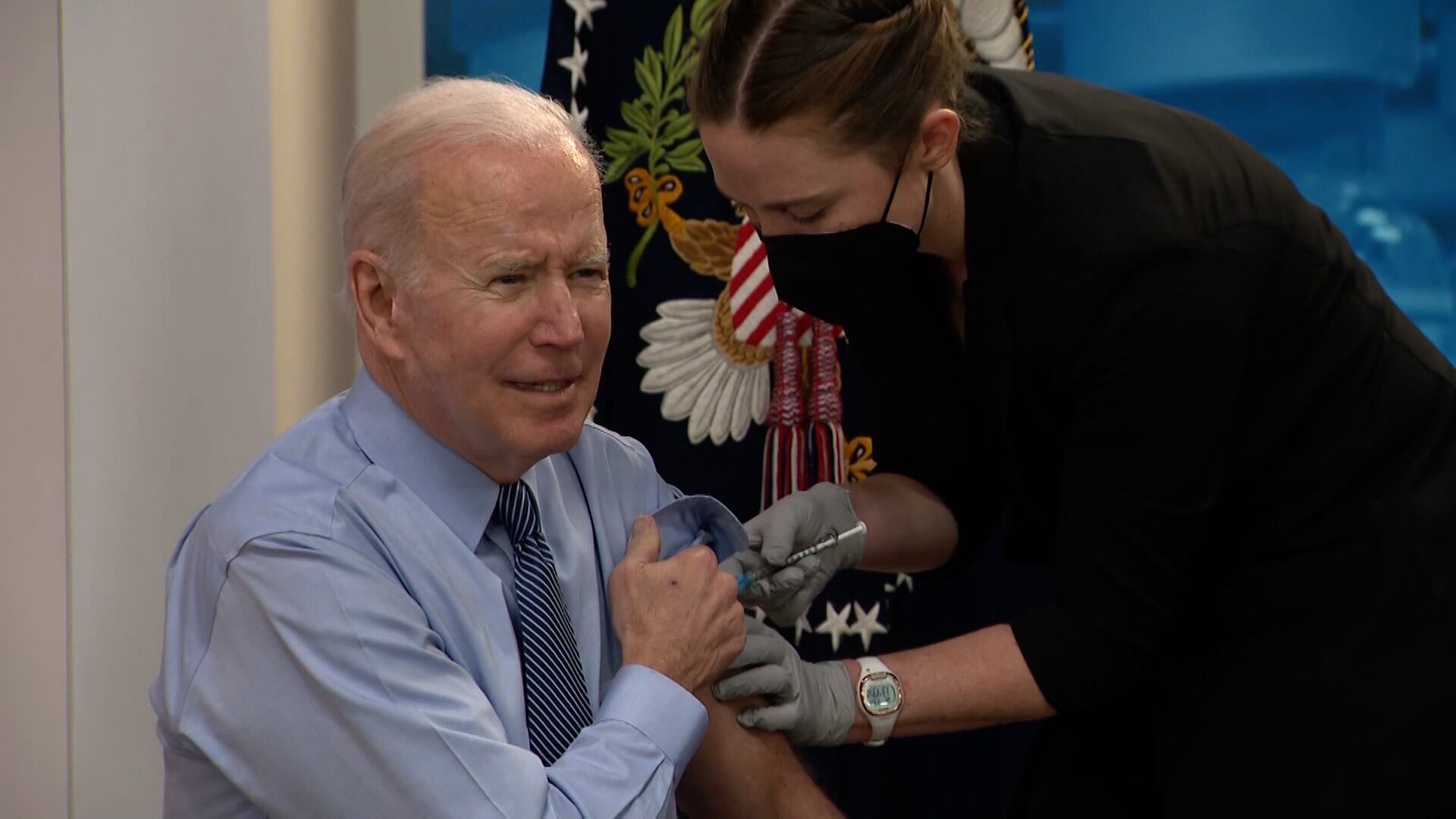
There has been notable disagreement in the medical community about a fourth COVID-19 vaccine dose. The FDA last week authorized a second booster dose for older and immunocompromised individuals, as some agency officials did not support the idea. The FDA made the decision without meeting with its advisory committee, as it had ahead of its recommendations on the previous COVID-19 vaccine doses.
The CDC followed in the footsteps of the FDA and authorized a fourth dose as well. Reports say the agency also did not discuss the move with its own advisory team of vaccine experts. Now, a growing number of doctors are speaking out against the decisions - leaving people confused about whether they should get another vaccine dose. Dr. Julie Morita, a member of the CDC's advisory committee to the director, and the executive vice president of the Robert Wood Johnson Foundation, joins Cheddar News' Closing Bell to discuss.
Talmon Marco, CEO of H2Pro, joins Cheddar Innovates to discuss how to bring environmentally friendly hydrogen to scale, and what this means for hydrogen's many use cases.
Catching you up on what you need to know on April 7, 2022, with updates on Ukraine urging NATO for military aid for their war with Russia, the SEC investigating Amazon, microplastics being found deep inside human lungs for the first time, and more.
Patients who have grown frustrated with lingering COVID-19 symptoms and unanswered questions are now not only the subjects of "long covid" research, but also partners in pushing this research forward. Harlan Krumholz, professor of medicine at Yale University, joins Cheddar News to discuss.
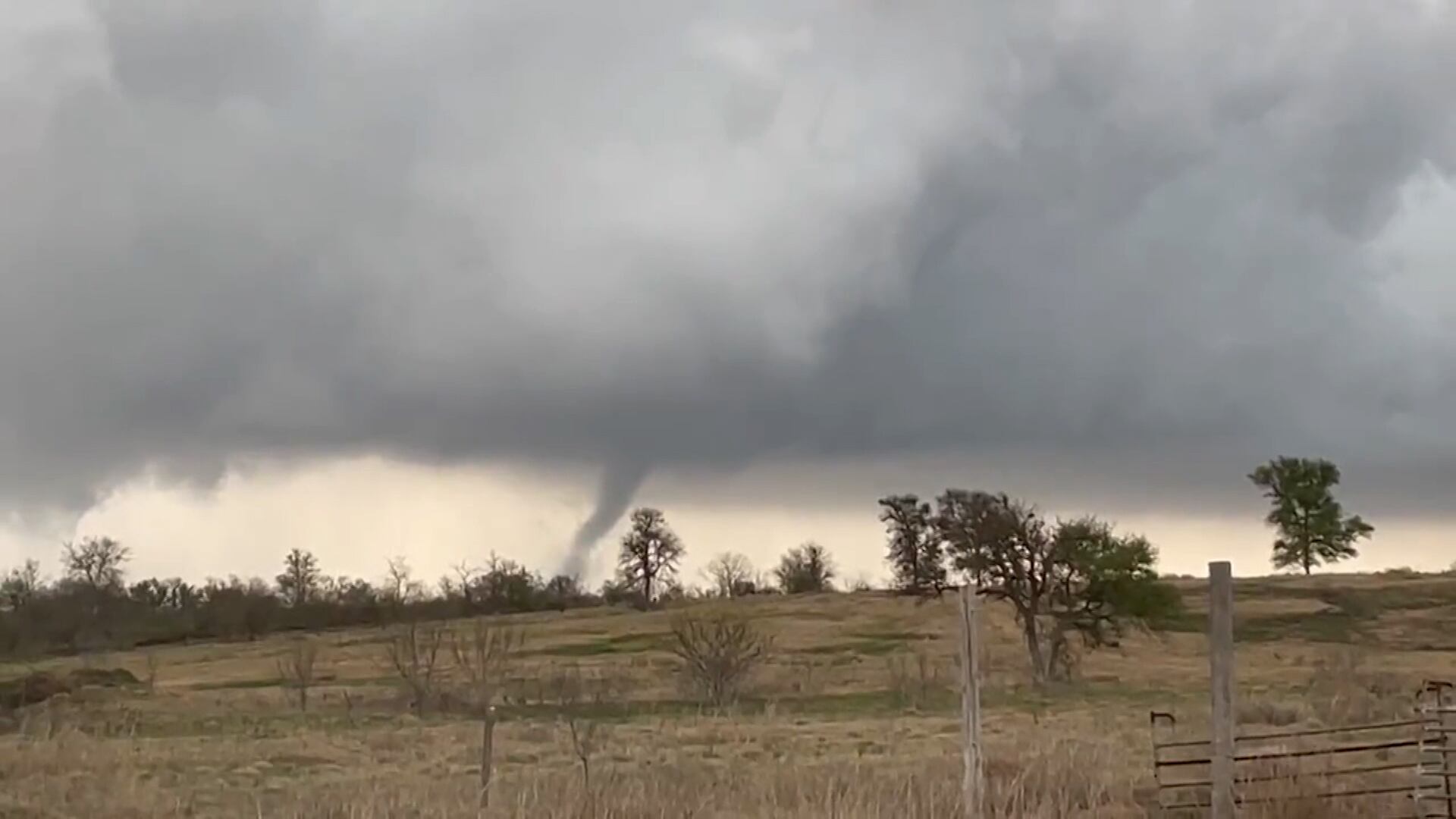
A record number of tornadoes were observed in March, topping the previous record set last year. Cheddar News speaks with NOAA’s Harold Brooks about what the implications are of an early tornado season.
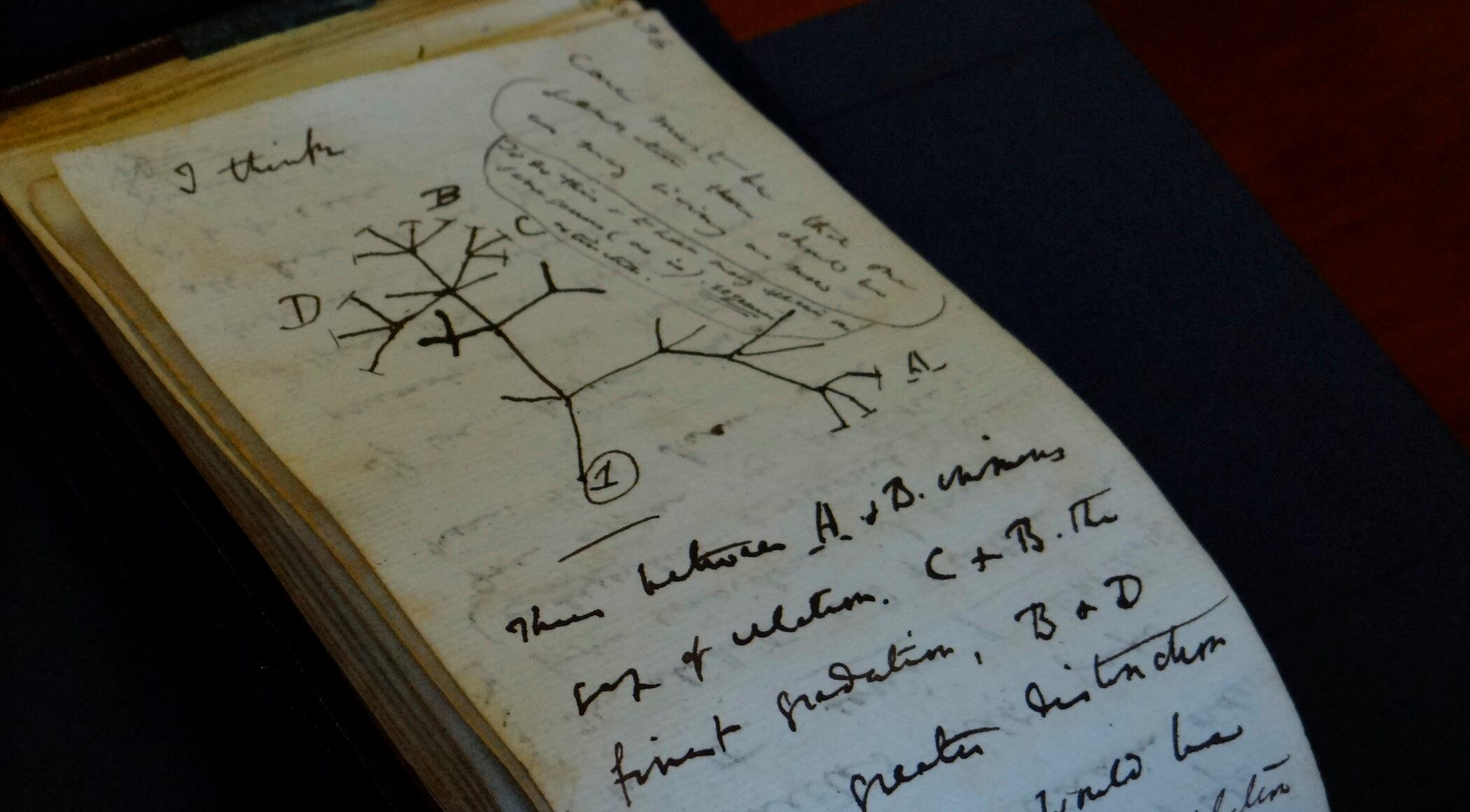
Catching you up on what you need to know on April 6, 2022, with updates on the FDA’s meeting to discuss a second COVID booster shot, more on the war in Ukraine, tornadoes on the Gulf coast, a third suspect arrested in connection to the mass shooting in California, Darwin’s lost notebooks mysteriously returned, and more.
Two of naturalist Charles Darwin’s notebooks that were reported stolen from Cambridge University have been returned, two decades after they disappeared.