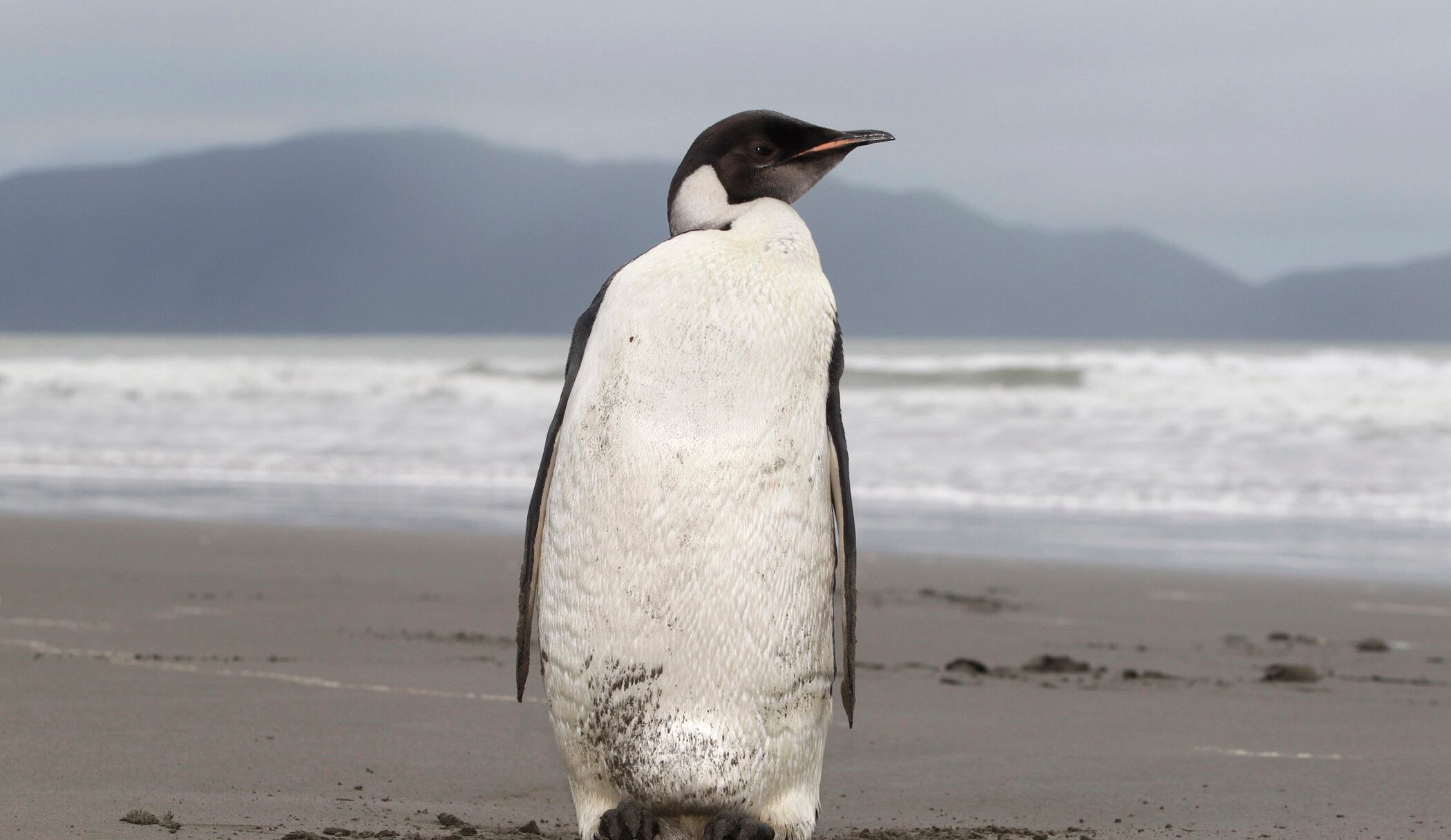
In this June 21, 2011 file photo, an Emperor penguin stands on Peka Peka Beach of the Kapiti Coast in New Zealand. With climate change threatening the sea ice habitat of Emperor penguins, the U.S. Fish and Wildlife Service on Tuesday, Aug. 3, 2021, announced a proposal to list the species as threatened under the Endangered Species Act. (Mark Mitchell/New Zealand Herald via AP, File)
By Christina Larson
With climate change threatening the sea ice habitat of Emperor penguins, the U.S. Fish and Wildlife Service on Tuesday announced a proposal to list the species as threatened under the Endangered Species Act.
“The lifecycle of Emperor penguins is tied to having stable sea ice, which they need to breed, to feed and to molt,” said Stephanie Jenouvrier, a penguin ecologist at the Woods Hole Oceanographic Institution.
Research published Tuesday in the journal Global Change Biology found that by 2100, 98% of Emperor penguin colonies may be pushed to the brink of extinction, if no changes are made to current rates of carbon emissions and climate change.
Around 70% of colonies will be in danger sooner, by 2050.
The new study looked at overall warming trends and the increasing likelihood of extreme weather fluctuations due to global warming. And it noted that extremely low levels of sea ice in 2016 led to a massive breeding failure of an Emperor penguin colony in Antarctica’s Halley Bay.
That year, seasonal sea ice broke up before penguin chicks had time to develop waterproof adult feathers, and about 10,000 baby birds drowned, Jenouvrier said. The colony did not recover afterward.
Emperor penguins breed exclusively in Antarctica during winter. They endure temperatures of minus 40 degrees Fahrenheit (minus 40 degrees Celsius) and wind speeds approaching 90 miles (144 kilometers) per hour by huddling together in groups of several thousand birds. But they can't survive without sufficient sea ice.
“These penguins are hard hit by the climate crisis, and the U.S. government is finally recognizing that threat,” said Sarah Uhlemann, international program director at the nonprofit Center for Biological Diversity.
The U.S. government has previously listed species outside the country as threatened, including the polar bear, which lives in Arctic regions and is also imperiled by climate change and sea ice loss.
Emperor penguins — the world's largest penguins — currently number about 270,000 to 280,000 breeding pairs, or 625,000 to 650,000 individuals. The proposed listing will be published in the Federal Register on Wednesday to open to a 60-day public comment period.
Listing the bird provides protections such as prohibition against importing them for commercial purposes. Potential impacts on penguins must also be evaluated by U.S. marine fisheries currently operating in Antarctica.
“Climate change, a priority challenge for this Administration, impacts a variety of species throughout the world," said Martha Williams, principal deputy director of the wildlife service. "The decisions made by policymakers today and during the next few decades will determine the fate of the Emperor penguin.”
Carlo and Baker cover the big races to watch on this off-cycle Election Day, the concrete pledges starting to come out of COP26, Jeffrey Epstein keeps causing CEOs to lose their jobs, and Ryan Murphy's TV hit that wasn't.
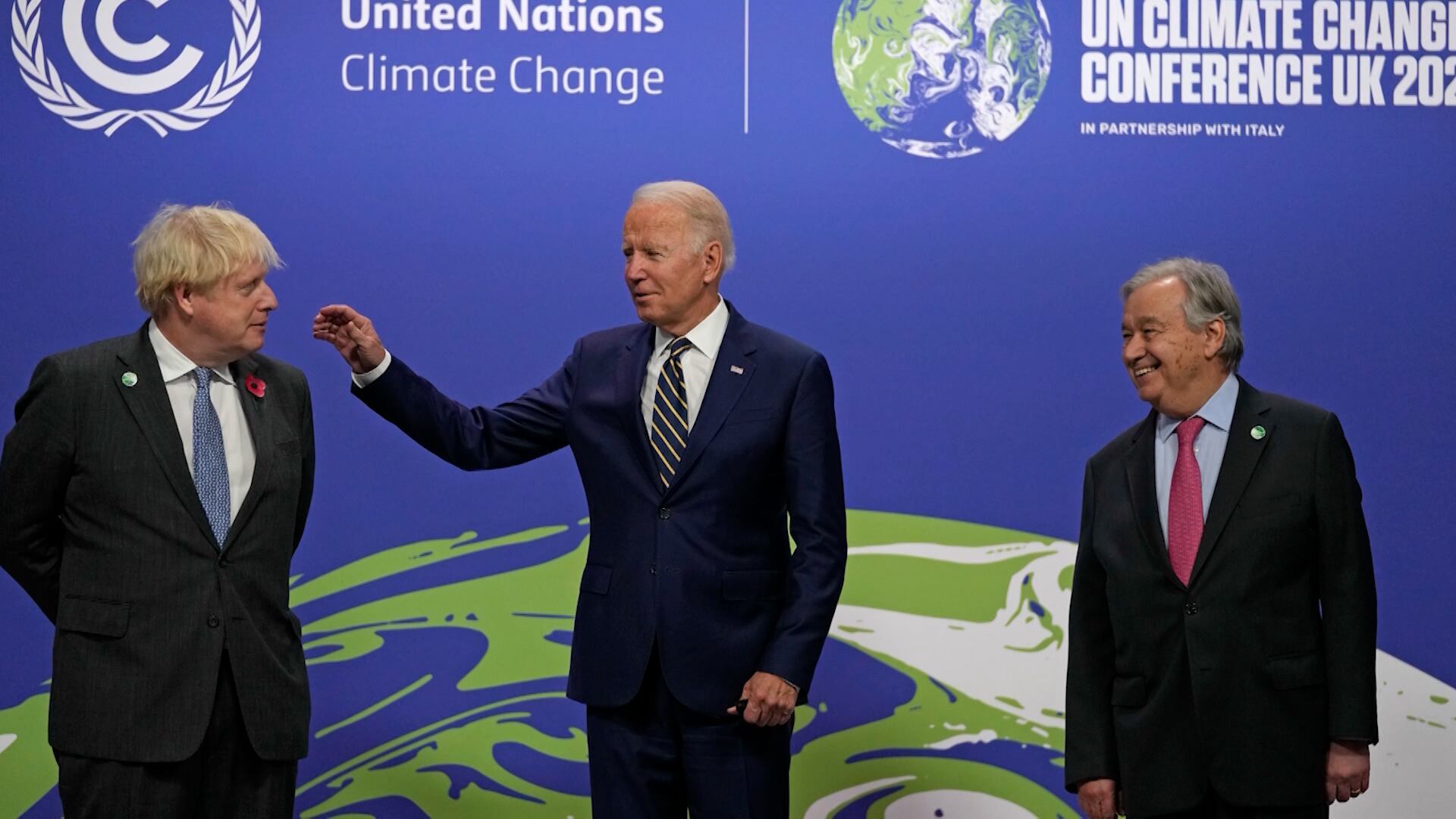
The UN climate change conference kicked off on Sunday with about 120 world leaders and delegates gathering in Glasgow, Scotland this week, as experts continue to warn about the harms of heightened emissions and the effects on climate change. The topic of ESG investing is expected to be a top priority at the summit. Jefferies global head of ESG and sustainability research Aniket Shah joined Cheddar News' Closing Bell to discuss.
Christian Kroll, CEO of Ecosia, joins 'Fast Forward' to discuss how Ecosia uses its ad revenue to plant trees, and what the company plans to do after launching a $405 million venture capital fund focused on combating the climate crisis.
Dr. Ashley McClure, co-founder of Climate Health Now, joins 'Fast Forward' to discuss why the climate crisis is the greatest threat to humanity and health, and measures we need to take to reverse course.
Clinical research company Medable has secured $304 million in Series D funding, marking its fourth round since 2020, giving the firm a valuation of just over $2 billion. Dr. Michelle Longmire, CEO and Co-founder, Medable joined Cheddar's Opening Bell to discuss the future of the company.
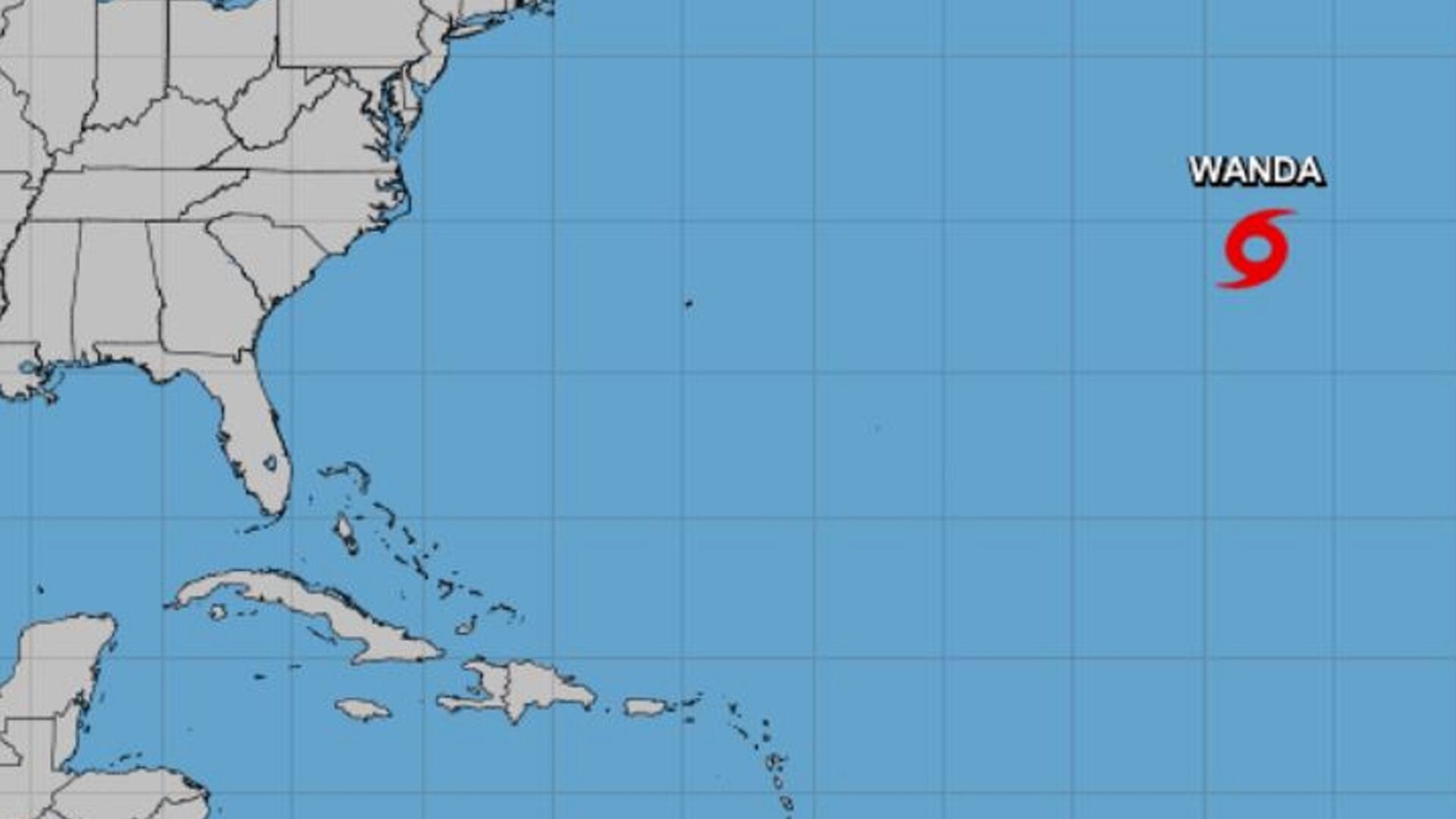
The National Hurricane Center announced that the list of storm names in 2021 has been exhausted as one of the most active hurricane seasons in history continues to stir in the Atlantic Ocean. Subtropical Storm Wanda marks only the third time in history (last year being the second) that all the names were used in a single season.
Astronomers at NASA have located what could be the first exoplanet not only outside of the solar system but outside of our own galaxy in the Messier 51 (or the Whirlpool Galaxy), 28 million light-years away. It could take astronomers up to 70 years to see if the planet passes in front of its star to verify the find.
Even with pandemic lockdowns, greenhouse gas levels reached new highs in 2020, according to the World Meteorological Organization. This report comes just a week ahead of the United Nations Climate Change Conference, otherwise known as Cop26. Shannon Osaka, climate policy and solutions reporter at Grist, joined Cheddar's Between Bells to discuss.
Oatly Chief Sustainability Officer, Ashley Allen joins Cheddar News to talk about food waste and hows its been left off the table in the upcoming COP26 agenda. Ashley will be on the ground at COP26 and advocating for this conversation to get the attention it deserves.
Carlo's flying solo today, talking COP26 and climate change, another racially charged trial gets underway, SCOTUS takes on abortion and a stunning rise in traffic deaths points to a bigger societal breakdown sparked by the pandemic.