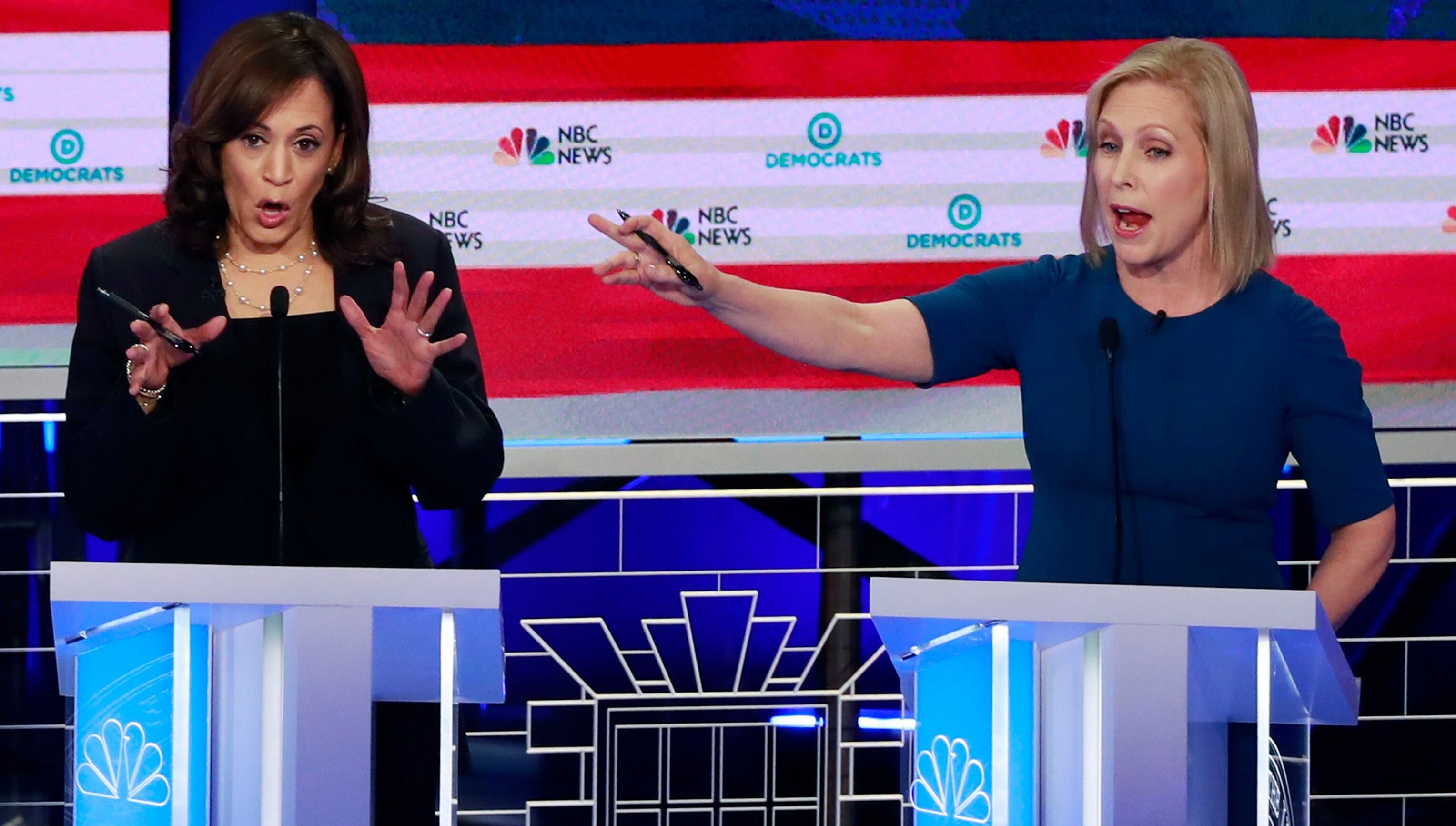
This presidential election cycle has a record number of women running for commander-in-chief. Still, these female candidates must navigate the question of "electability," a double-standard ー one former Hillary Clinton staffer says ー that they will have to beat back throughout the campaign.
"The ultimate answer is that to be electable, you have to win," said Amanda Litman, the executive director of Run for Something, a political action committee that aims to elect young Democrats. Litman previously served as the email director for Hillary Clinton's 2016 presidential campaign.
"It's important to step back and realize what we're talking about when we talk about electability. It's the understanding of what voters think that other voters wants. It is an entirely faulty premise based on racist, sexist, and classist understandings of what a president looks like."
"It is total garbage," she argues.
Litman says that in order to challenge the conception that women can't win higher elected offices, it will require support for different types of female leaders, finding ways to make voters and donors comfortable in expressing support for their favored-candidates, and building a stronger pipeline of qualified female politicians through state and local races.
"We saw Kamala Harris in the debate really take on her opponents in a way that was sort of masculine-coded leadership. We've seen Elizabeth Warren whip out plan after plan after plan. We've see Kirsten Gillibrand be aggressive with interviewers who she doesn't think are giving her a fair shake," said Litman. "Each of them is showing a different way of being a female leader."
"Over the last two years, the number of women of color in state legislatures has more than tripled. The number of women in state legislators writ large has gone up by huge numbers," added Litman. "This means, down the line, there will be more qualified women to run for Congress, for governor, and for president."
A record number of women were elected to Congress in the 2018 midterm election, and a record number of women of color were elected to the House of Representatives. Meanwhile, women hold nearly 30 percent of state legislative seats ー totaling more than more than 2,100 ー according to the Center for American Women and Politics at Rutgers.
"Women need this experience in order to be considered serious leaders," Litman said. "A woman couldn't get away with a weak resume like a man could."
She pointed out that the serious female contenders for president ー Sen. Kamala Harris, Sen. Elizabeth Warren, Sen. Kirsten Gillibrand, Sen. Amy Klobuchar, and Sen. Tulsi Gabbard ー are all current lawmakers. The exception: author and public speaker Marianne Williamson, who has qualified to participate in the second round of the Democratic debates.
Litman says that women can beat male competitors by being willing to work harder and engaging on issues like child care, health care, school, and the opioid crisis. "Mediocre women don't tend to run for office. Only excellent women do," she said.
"The ultimate answer is that to be electable, you have to win," Litman added.
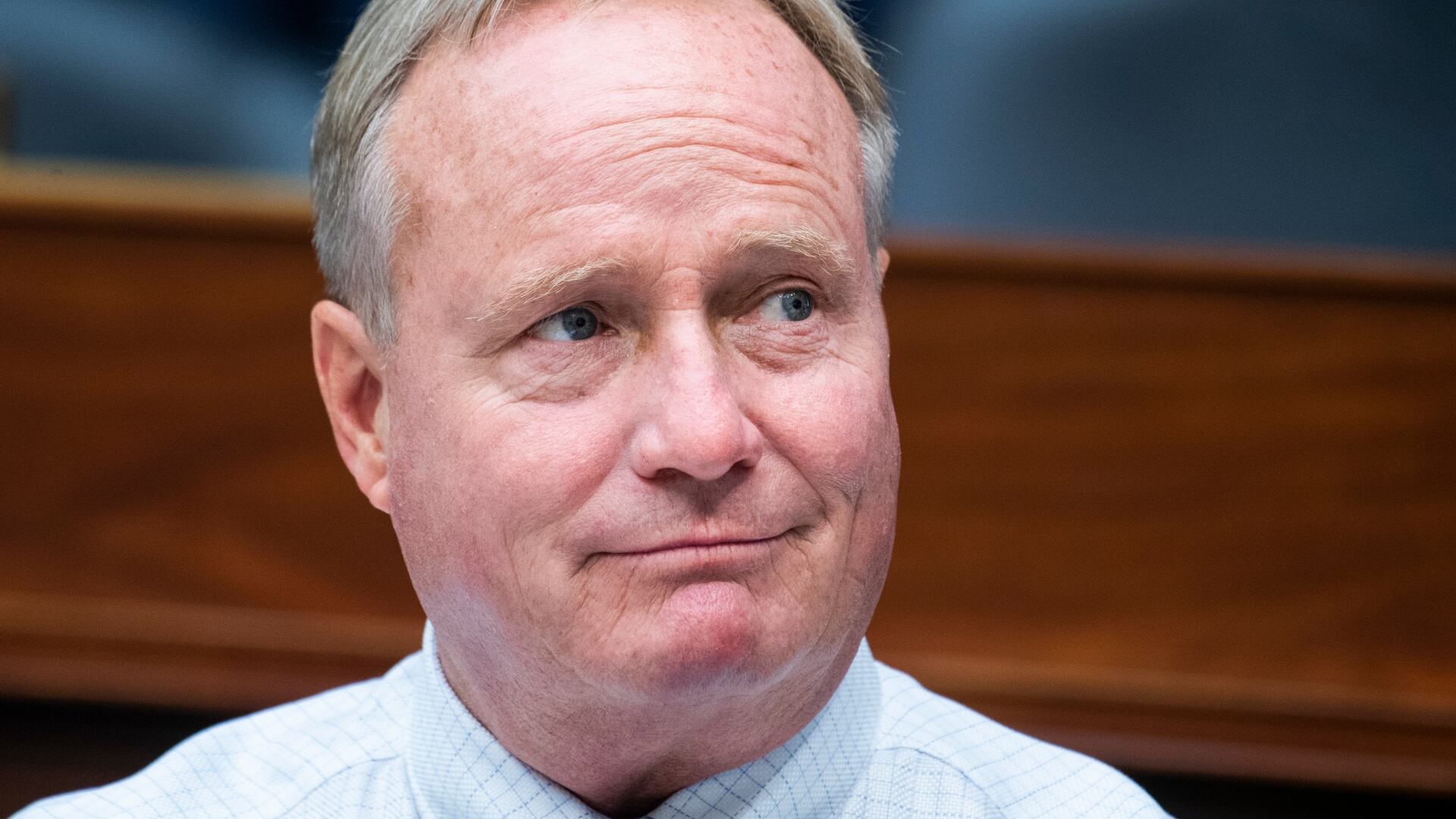
A new bill in Congress shows just how bipartisan cannabis really is. Rep. David Joyce, a Republican from Ohio, teamed up with progressive Rep. Alexandria Ocasio-Cortez on a cannabis expungement bill. Cheddar cannabis reporter Chloe Aiello spoke with the congressman about the legislation.
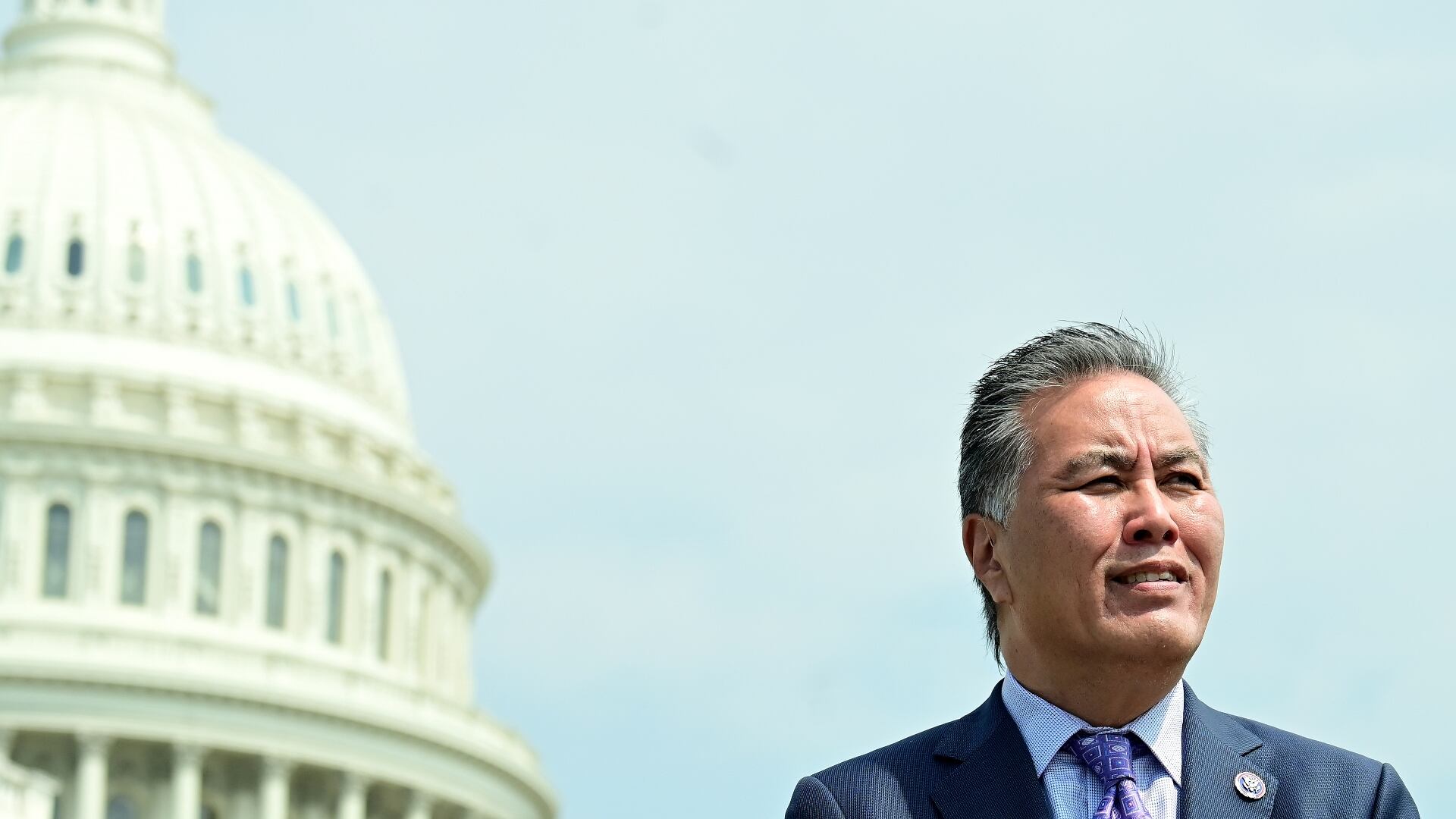
The Congressional Progressive Caucus have lined up to support the Thirty-Two Hour Workweek Act introduced by Rep. Mark Takano (D-Calif. 41st District). The representative joined Cheddar to discuss how instituting a four-day workweek in the United States can be beneficial for both employees with the need of a work-life balance and employers looking both to retain talent amid a labor shortage and improve efficiency in their workforces. "We live in a different time than 90 years ago when we established a 40-hour workweek," he said. "We've had a lot of technological changes, the American worker is exponentially more productive than previous generations, so it's time to reexamine Americans and the way in which they relate to work."
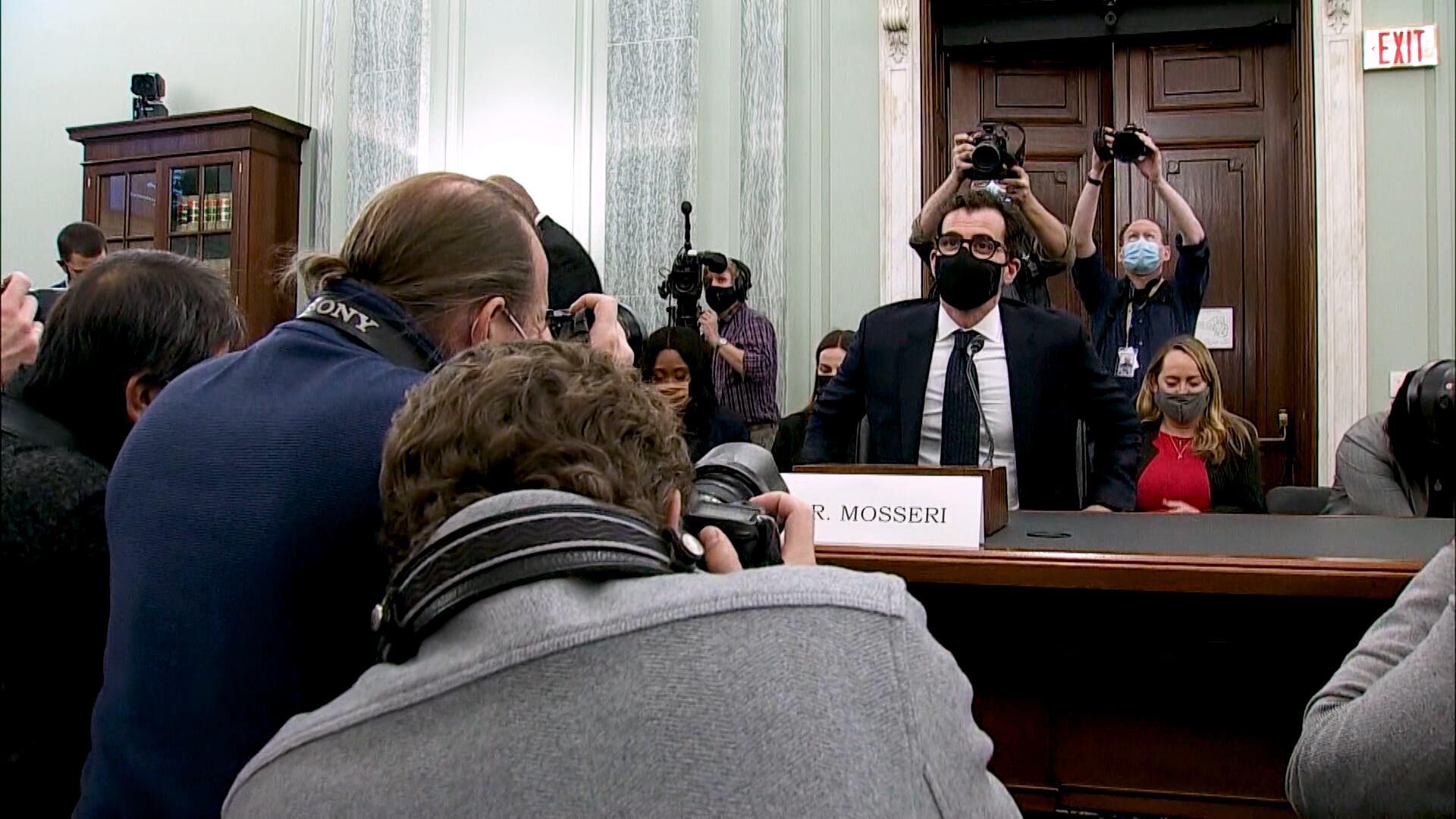
Instagram CEO Adam Mosseri faced a bipartisan Congressional grilling this week as the Senate inquired about safety practices for protecting the mental wellbeing of young people on the platform. Sen. Marsha Blackburn (R-Tenn.) joined Cheddar to talk about the hearing and how she was disappointed in Instagram coming unprepared with relevant information or documents. Blackburn also offered concern that the platform could continue with building a kids-only version despite having drawn significant opposition from the public.
The Great Resignation has shown some signs of slowing in October with the number of those who quit their jobs falling by 4.7 percent to 4.16 million. This comes as worker strikes and calls for unionization ramp up. Jane Oates, president at WorkingNation joined Cheddar's "Opening Bell" to discuss the implications.
U.S. markets opened lower despite positive jobs data, which saw weekly claims drop to a 52-year low. Kevin Nicholson, Co-CIO Global Fixed Income, RiverFront Investment Group joined Cheddar's Opening Bell to discuss the labor market, inflation, and the impact of the Omicron variant on global markets.
A packed Thursday pod: Carlo and Baker cover the latest developments in the Ghislaine Maxwell, Jussie Smollett and Elizabeth Holmes trials. Plus, Dems are losing the Hispanic vote, Boris Johnson in trouble again, and is it possible that Adele has peaked?
Jim Bruderman, Vice Chairman at 1879 Advisors, joins Cheddar News' Closing Bell, where he says investors experienced a 'panic attack' last week with the spread of the Omicron variant and the Fed's tapering plans. As a result, he says we're now seeing stocks climb due to a growing comfort level toward both developments.
Adam Mosseri, head of Instagram, faced withering questions on Capitol Hill about the reports the social media app was aware of the severe mental health impacts it was having on teenage girls. Karen Kornbluh, the director of digital innovation and democracy for the German Marshall Fund, joined Cheddar to discuss the rare show of bipartisan outrage on display at the Senate hearing. "The senators came really loaded for bear on both sides of the aisle," she said. Kornbluh explained how senators like Richard Blumenthal (D-Conn.) set up fake Instagram accounts with teen girl profiles in order to research the effects firsthand.