With 8 million lunches served in 16 cities around the world since it launched two years ago, the food delivery service MealPal has found success by cozying up to the people dishing out the food.
"You've got the challenge of an industry, the restaurant industry, that historically has really low profit margins," said Mary Biggins, MealPal's co-founder. "The average restaurant has a margin of only six percent."
That's been too tight for some Silicon Valley food-delivery startups such as Maple and Munchery to operate (both went under). Postmates struggles to find its own profit within those margins.
The difference for MealPal, Biggins said in an interview on Cheddar, was that it tied its model to restaurants' profitability from the start.
"We want every restaurant on MealPal to be able to say that MealPal is their most valuable partner," she said.
Biggins first had success with Classpass, an app that allowed users to sign up for a bunch of gym classes for an affordable fee. MealPal functions similarly, offering lunch for just $6 from some of the most popular restaurants in a city.
"You need to build something that's going to resonate with consumers, but also work for the supply side as well," she said.
For full interview, [click here](https://cheddar.com/videos/digging-into-the-world-of-apps).
The housing market shows few signs of busting out of its three-year funk after a disappointing spring season and amid a gloomy outlook for the summer and f
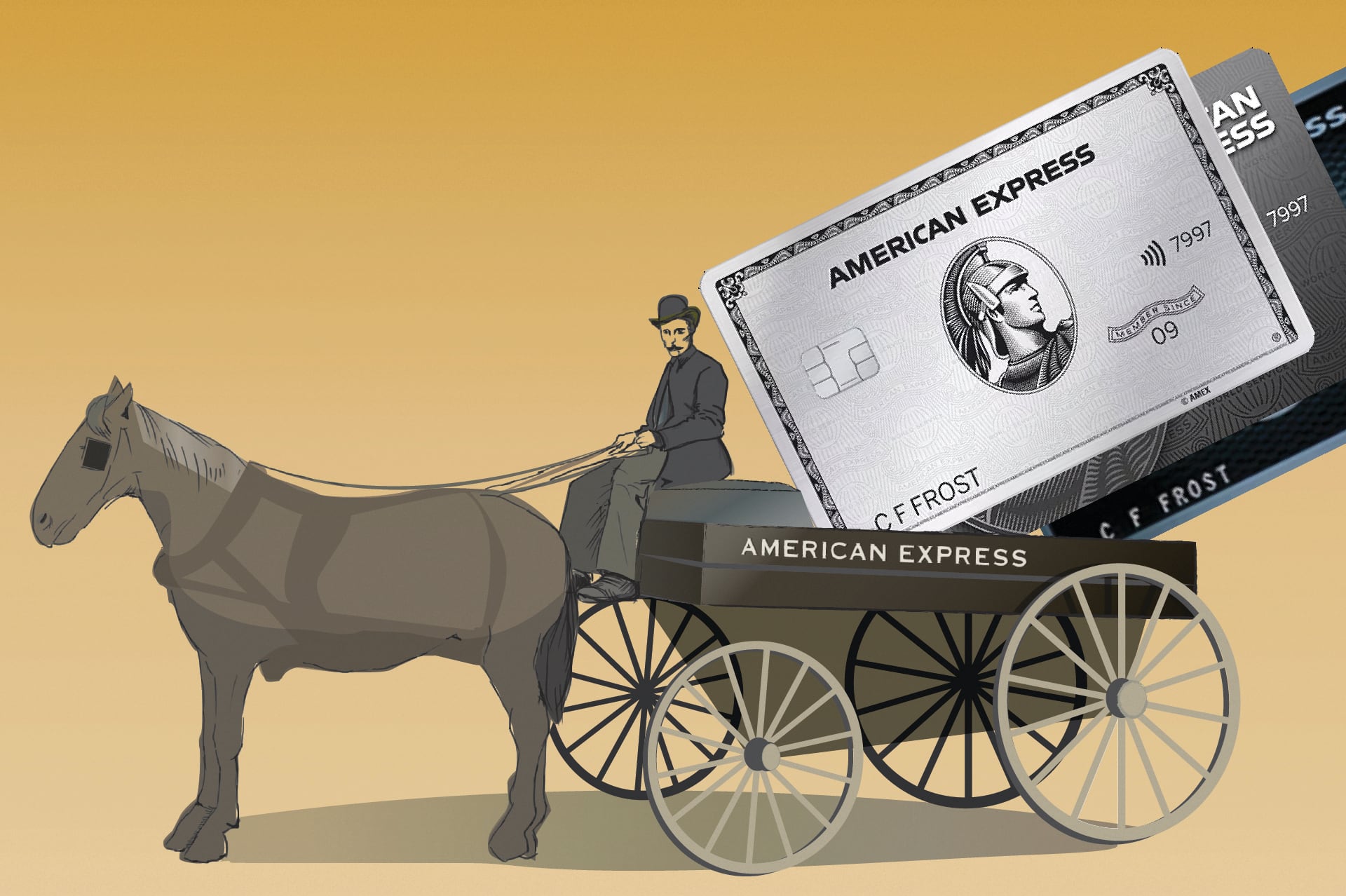
For 30 years Ira Galtman’s job has been to document how American Express went from an express stagecoach company in New York in 1850, to what it is today.
The Good Charcoal Company offers eco-friendly, chemical-free charcoal sourced from Namibian acacia wood, promoting sustainable grilling practices nationwide.
After a few months of positive data, the Fed chair says he’s in no rush to cut rates – and this analyst says inflation could stick around for the near future.