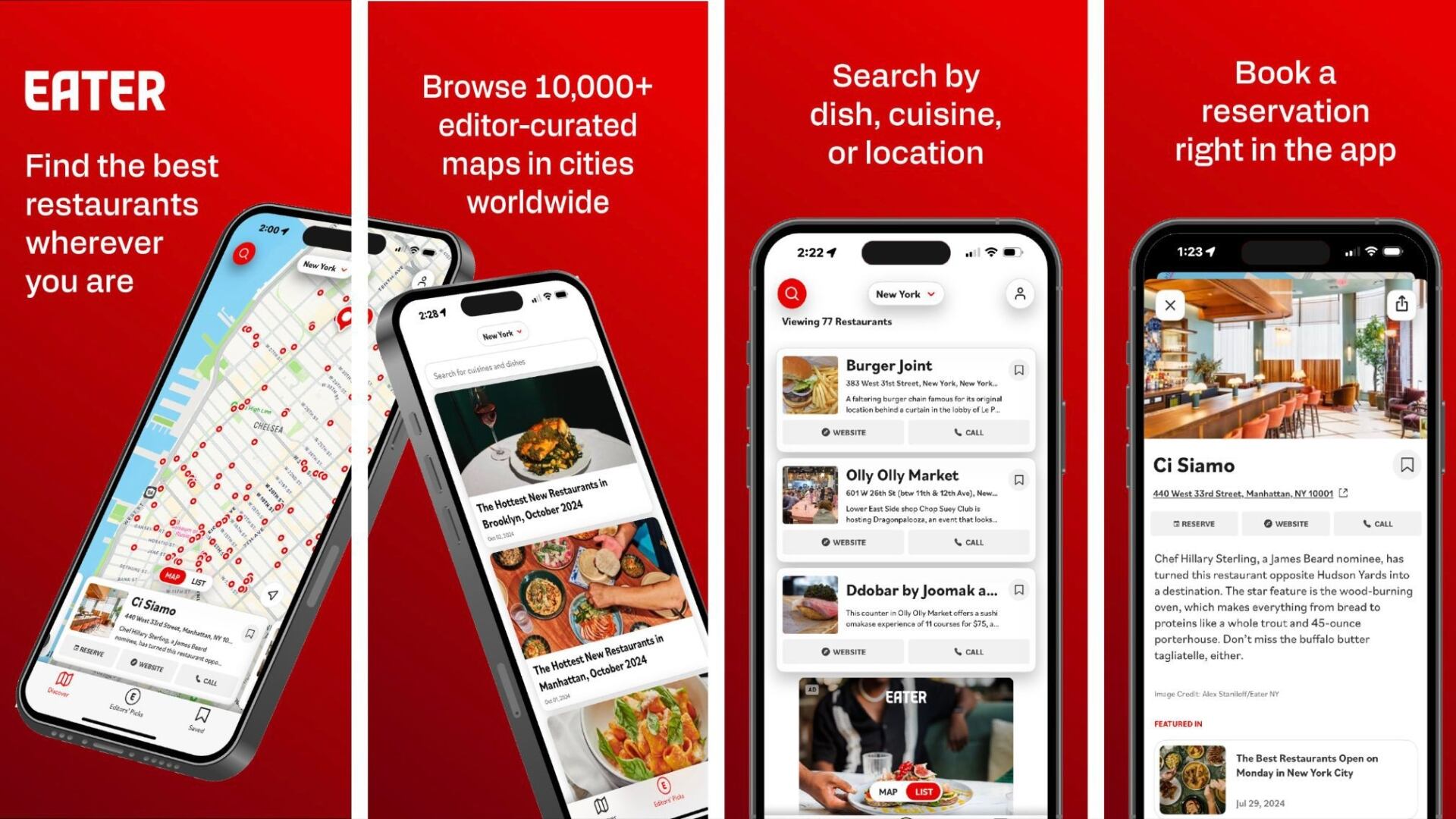
With 8 million lunches served in 16 cities around the world since it launched two years ago, the food delivery service MealPal has found success by cozying up to the people dishing out the food.
"You've got the challenge of an industry, the restaurant industry, that historically has really low profit margins," said Mary Biggins, MealPal's co-founder. "The average restaurant has a margin of only six percent."
That's been too tight for some Silicon Valley food-delivery startups such as Maple and Munchery to operate (both went under). Postmates struggles to find its own profit within those margins.
The difference for MealPal, Biggins said in an interview on Cheddar, was that it tied its model to restaurants' profitability from the start.
"We want every restaurant on MealPal to be able to say that MealPal is their most valuable partner," she said.
Biggins first had success with Classpass, an app that allowed users to sign up for a bunch of gym classes for an affordable fee. MealPal functions similarly, offering lunch for just $6 from some of the most popular restaurants in a city.
"You need to build something that's going to resonate with consumers, but also work for the supply side as well," she said.
For full interview, [click here](https://cheddar.com/videos/digging-into-the-world-of-apps).
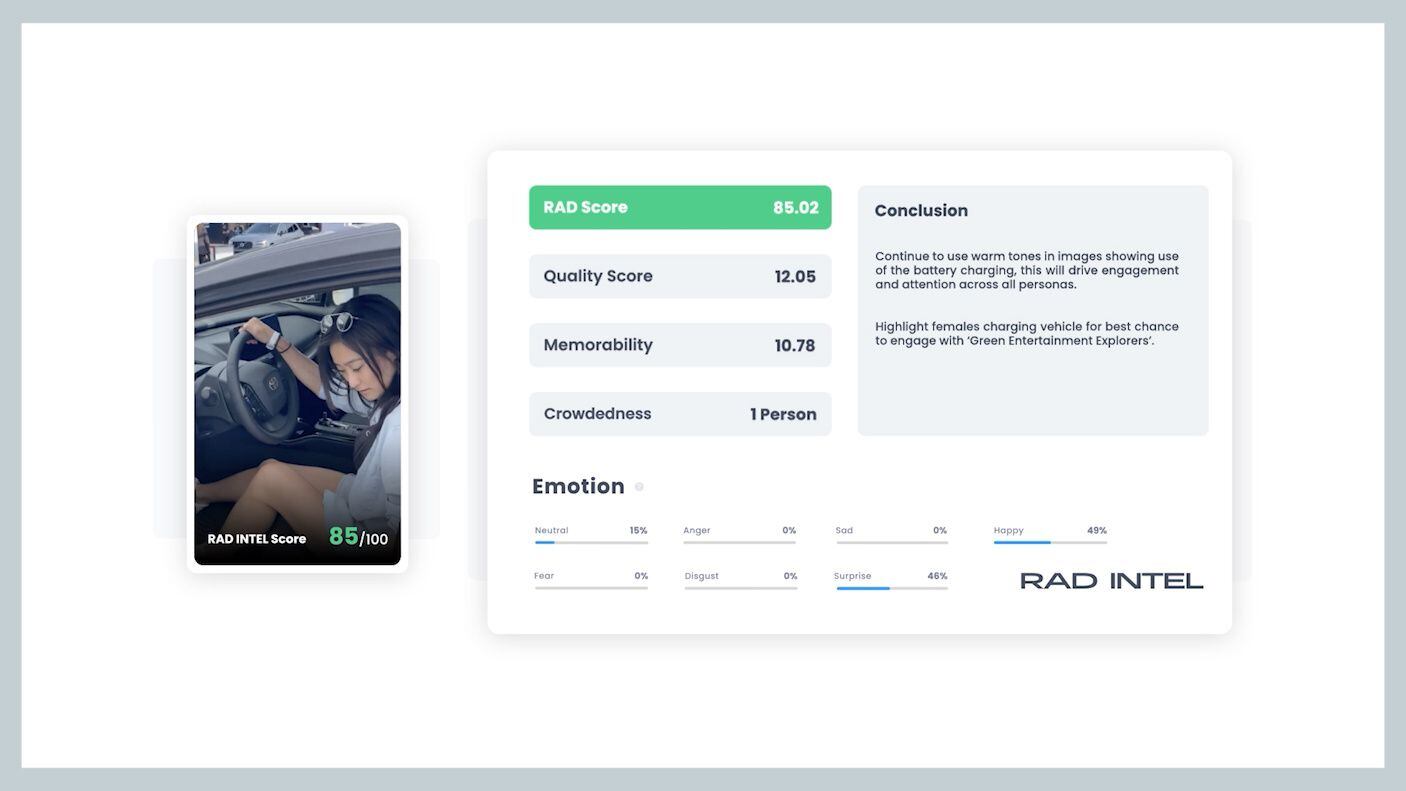
Co-founder and CEO of Rad Intel, Jeremy Barnett, joins Cheddar anchor Dave Briggs to discuss the influencer marketing space and how RAD is changing the game.
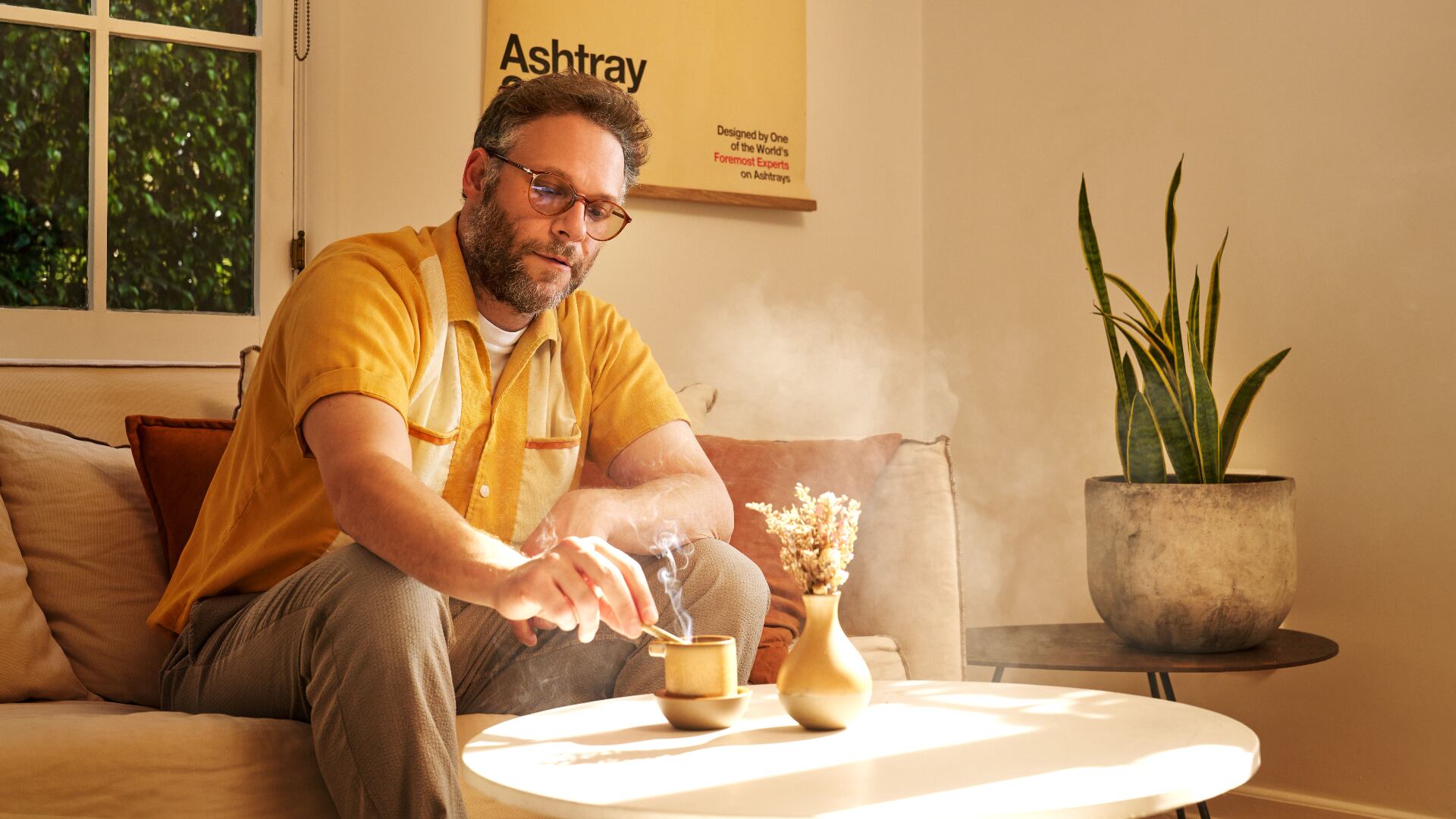
Houseplant Founders Seth Rogen and Mikey Mohr joined anchor Dave Briggs to discuss the changing culture around Cannabis and their smoke-ware brand Houseplant.
Julie Bowen joins anchor Dave Briggs to discuss the What's App ad with a few Modern Family reunions, her most recent spooky role, Xiidra, and Happy Gilmore 2.
Welcome to the new age, where Big Tech runs AI on tiny nuclear plants! Plus, banks make bank, the best kind of cancel culture and the wealth gap explained.