With 8 million lunches served in 16 cities around the world since it launched two years ago, the food delivery service MealPal has found success by cozying up to the people dishing out the food.
"You've got the challenge of an industry, the restaurant industry, that historically has really low profit margins," said Mary Biggins, MealPal's co-founder. "The average restaurant has a margin of only six percent."
That's been too tight for some Silicon Valley food-delivery startups such as Maple and Munchery to operate (both went under). Postmates struggles to find its own profit within those margins.
The difference for MealPal, Biggins said in an interview on Cheddar, was that it tied its model to restaurants' profitability from the start.
"We want every restaurant on MealPal to be able to say that MealPal is their most valuable partner," she said.
Biggins first had success with Classpass, an app that allowed users to sign up for a bunch of gym classes for an affordable fee. MealPal functions similarly, offering lunch for just $6 from some of the most popular restaurants in a city.
"You need to build something that's going to resonate with consumers, but also work for the supply side as well," she said.
For full interview, [click here](https://cheddar.com/videos/digging-into-the-world-of-apps).
Alex McGrath, Chief Investment Officer at NorthEnd Private Wealth, discusses why the A.I. hype can’t power the market forever and how to position investments in the current market.
Paul Verna of Insider Intelligence breaks down how the company is positioned, whether they can make their streaming service profitable, and the upper limit of streaming bundle prices.
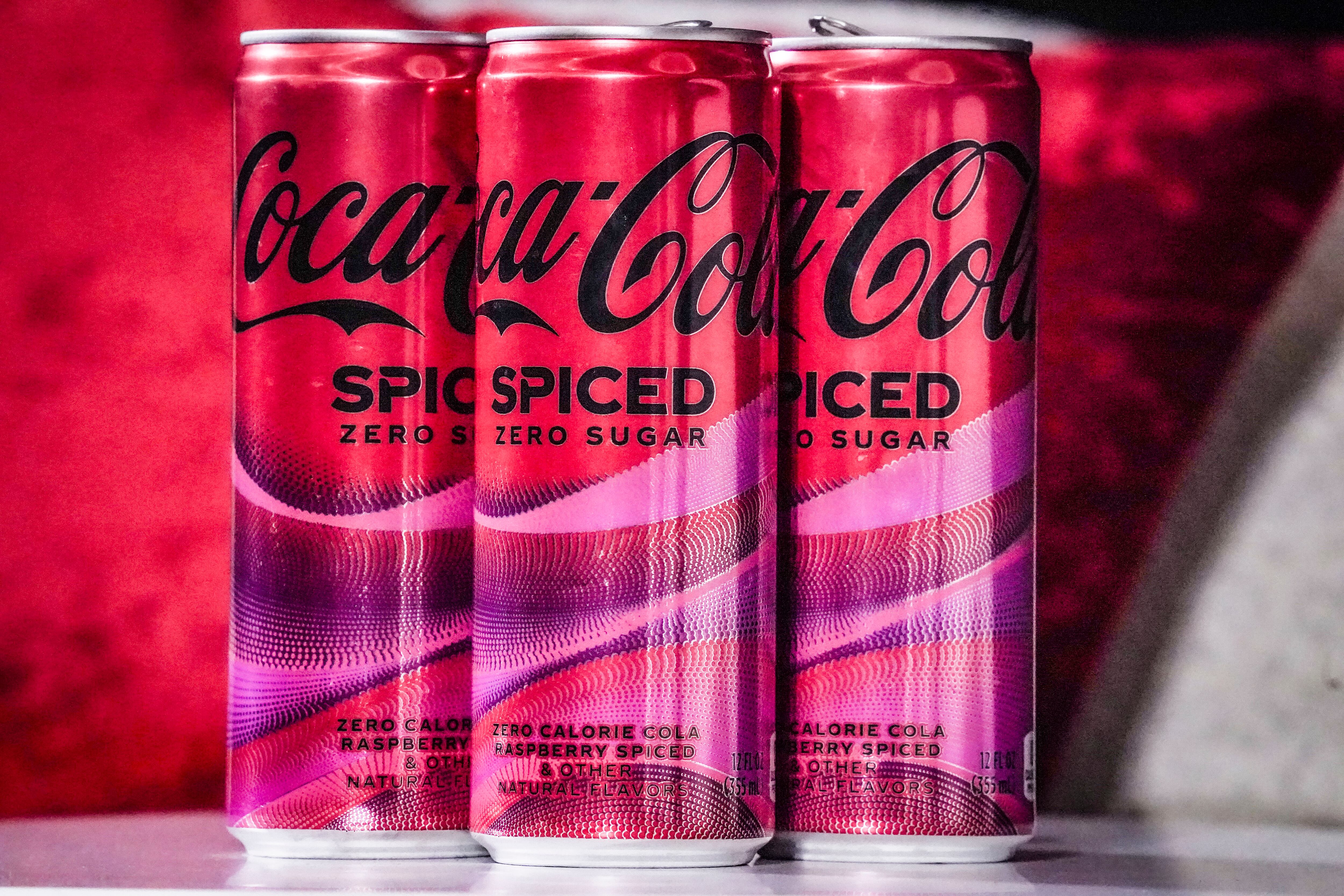
From Flamin’ Hot Cheetos to Sweet Heat Starburst, America’s snacks are getting spicier. Now, Coca-Cola wants in on the trend. The beverage giant introduced Coca-Cola Spiced, the first new permanent offering to its North American portfolio in three years.
Taylor Swift’s camp is hitting Jack Sweeney, a junior at the University of Central Florida, with a cease-and-desist letter that blamed his automated tracking of her private jet for tipping off stalkers as to her location.
Surprise, surprise: tech is still the sector to watch, according to Karyn Cavanaugh, Chief Investment Officer at Carolinas Wealth Management. Learn how to properly diversify your portfolio.
Facebook and Instagram users will start seeing labels on AI-generated images in their feeds. Hopefully this will save time for everyone zooming in each picture to see how many fingers someone's hand has.