With 8 million lunches served in 16 cities around the world since it launched two years ago, the food delivery service MealPal has found success by cozying up to the people dishing out the food.
"You've got the challenge of an industry, the restaurant industry, that historically has really low profit margins," said Mary Biggins, MealPal's co-founder. "The average restaurant has a margin of only six percent."
That's been too tight for some Silicon Valley food-delivery startups such as Maple and Munchery to operate (both went under). Postmates struggles to find its own profit within those margins.
The difference for MealPal, Biggins said in an interview on Cheddar, was that it tied its model to restaurants' profitability from the start.
"We want every restaurant on MealPal to be able to say that MealPal is their most valuable partner," she said.
Biggins first had success with Classpass, an app that allowed users to sign up for a bunch of gym classes for an affordable fee. MealPal functions similarly, offering lunch for just $6 from some of the most popular restaurants in a city.
"You need to build something that's going to resonate with consumers, but also work for the supply side as well," she said.
For full interview, [click here](https://cheddar.com/videos/digging-into-the-world-of-apps).
Big brands that have relied on TikTok videos to reach younger consumers do not appear to be panicking as they wait to see what happens. But they have started planning.
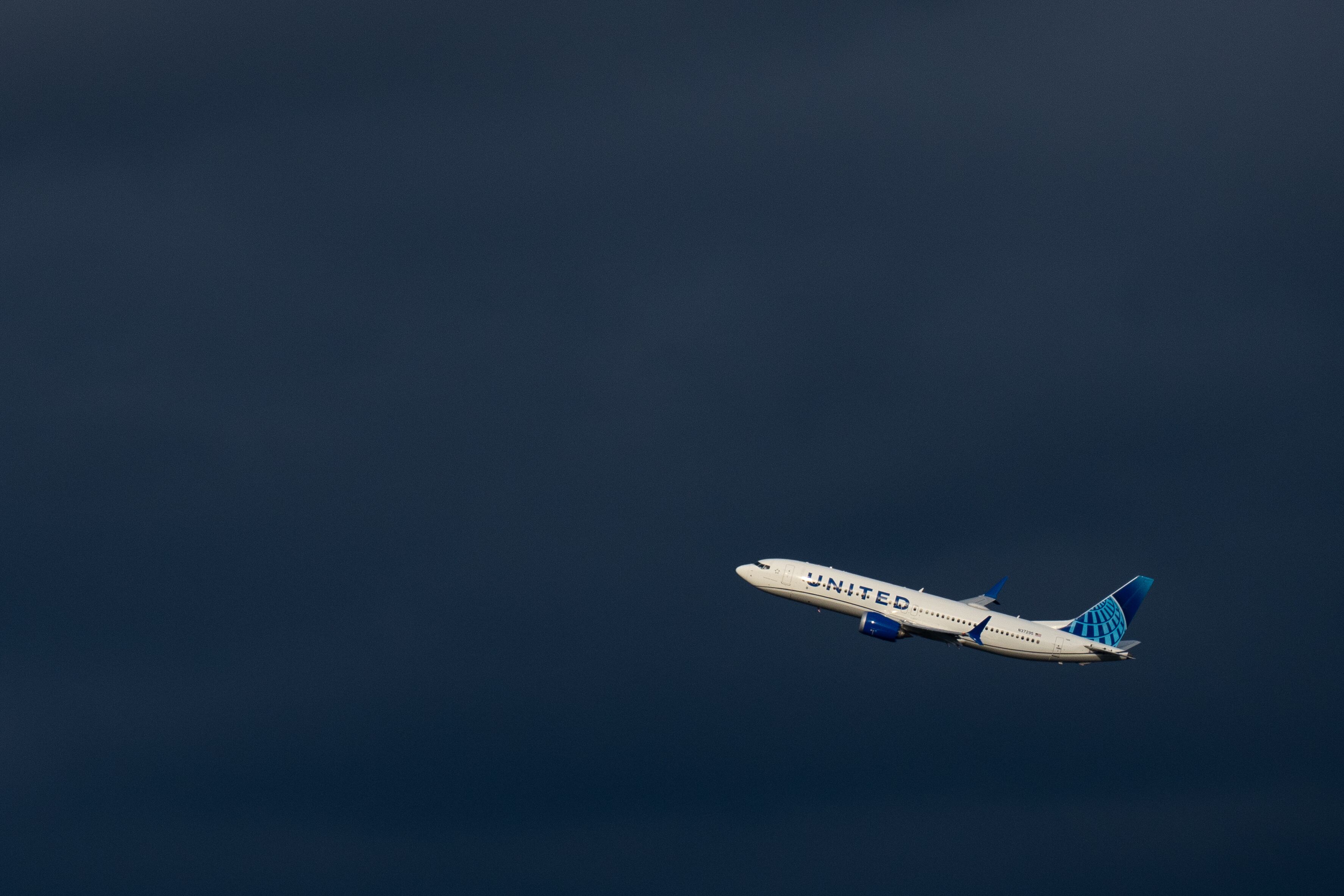
It's been 15 years since the last fatal crash of a U.S. airliner, but you wouldn't know that from a torrent of flight problems that made news in the last three months.
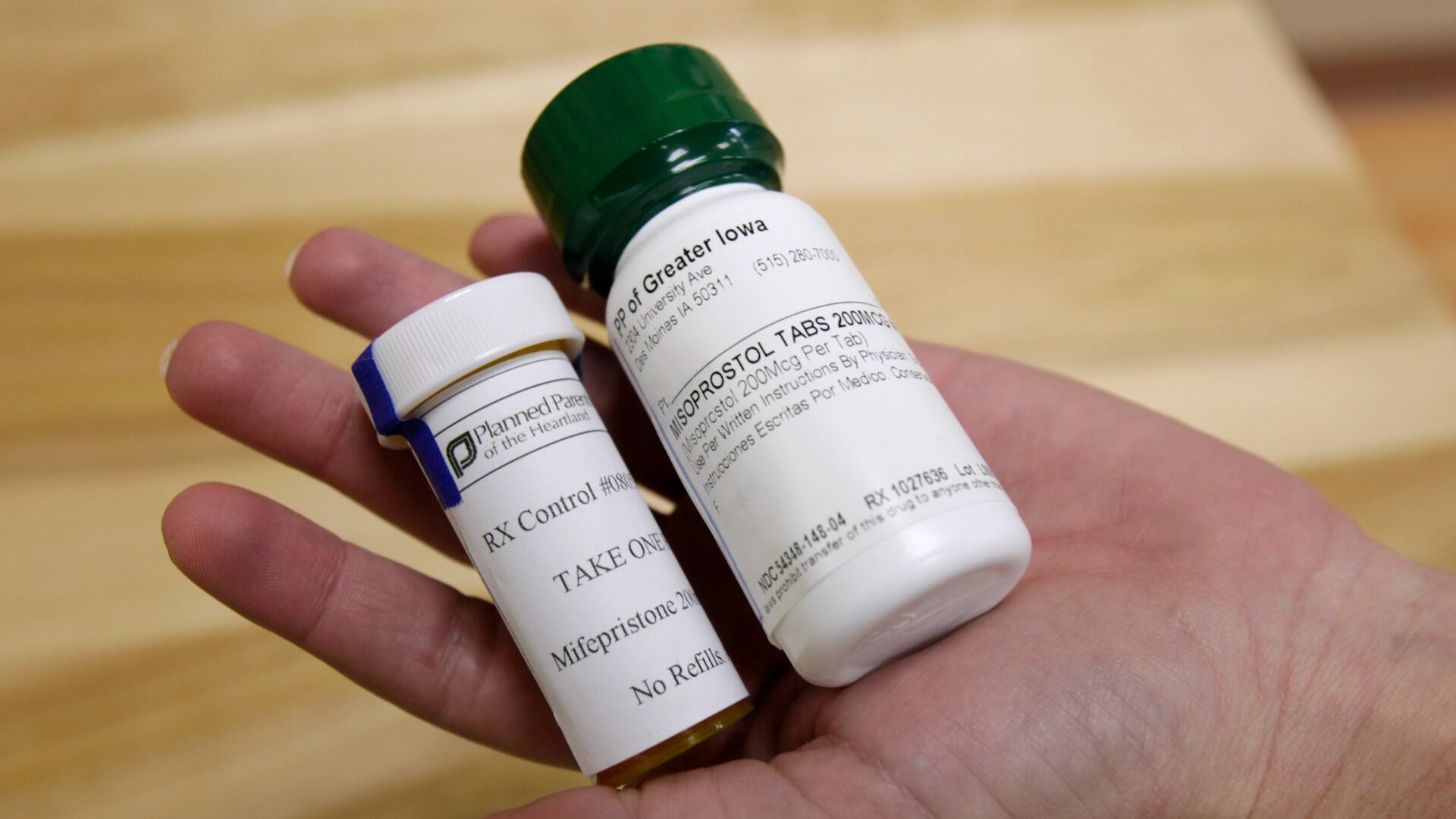
Abortion opponents want the high court to ratify a ruling from a conservative federal appeals court that would limit access to a medication called mifepristone, which was used in nearly two-thirds of abortions last year.
Annie Chechitelli, chief product officer at Turnitin, breaks down how students and teachers alike can learn from artificial intelligence – while still maintaining academic integrity.
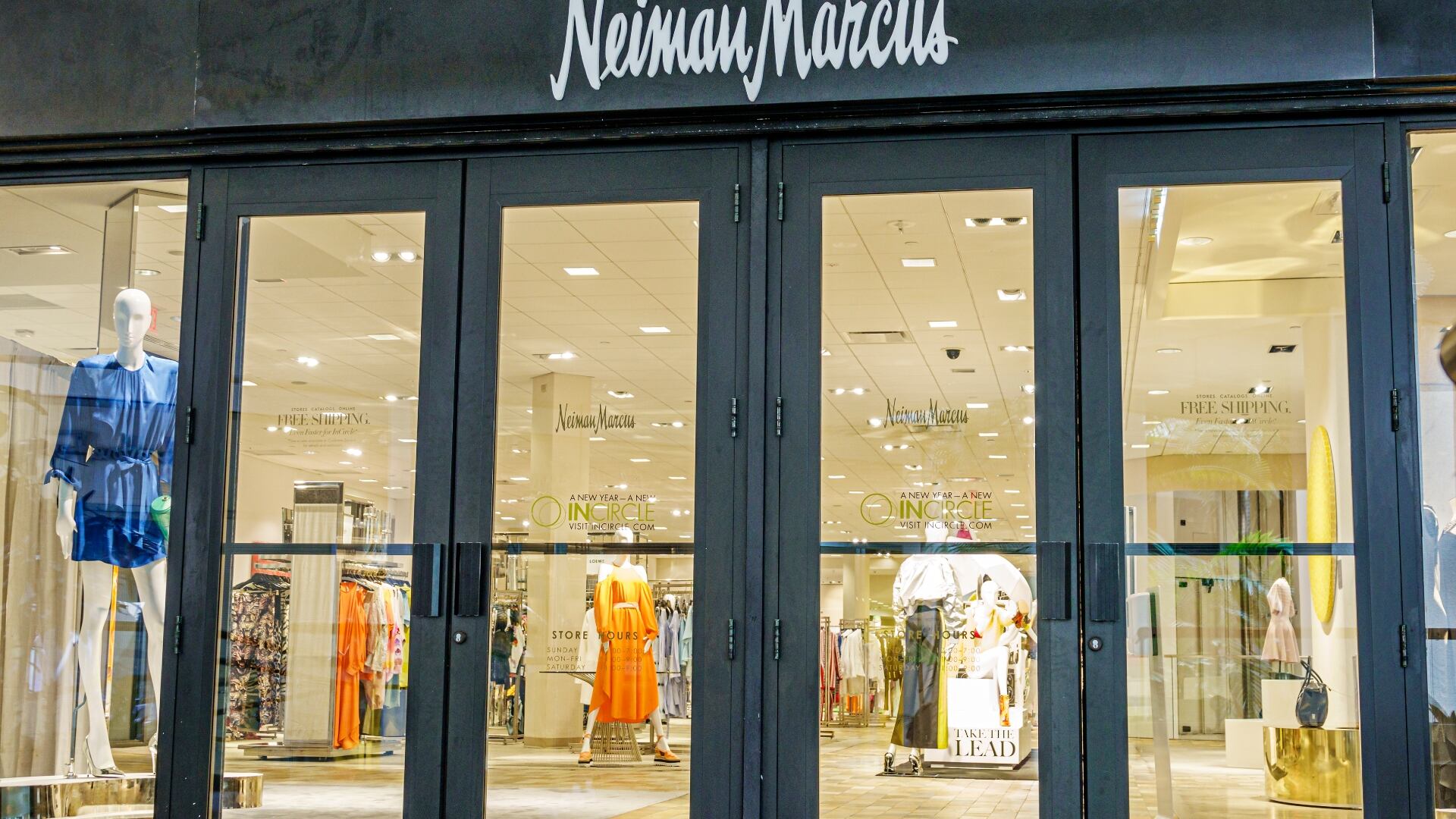
Neiman Marcus Group CEO Geoffroy van Raemdonck talks luxury shopping and TikTok, why the company prefers to be private for now, and the benefits of flexible work arrangements.
Rebecca Walser, founder and CEO of Walser Wealth Management, discusses how geopolitical conditions, the bifurcated economy, and other volatility could weigh on markets.
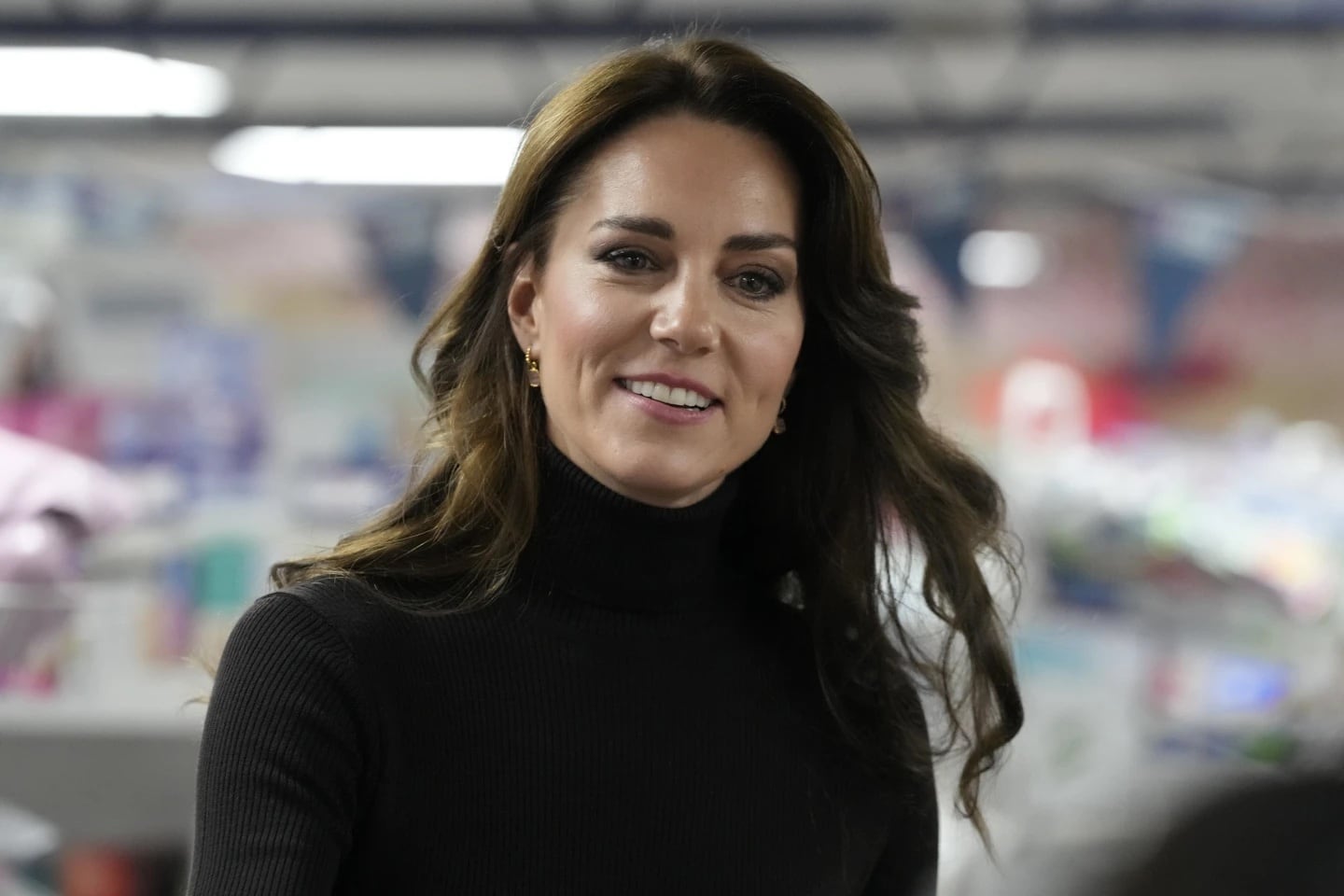
The video announcement Friday came after weeks of speculation spread on social media about her whereabouts and health since she was hospitalized in January for unspecified abdominal surgery.