By Andrew Taylor and Bruce Schreiner

Updated 3:02 pm ET

The White House is boosting its offer in up-and-down COVID-19 aid talks Friday in hopes of an agreement before Election Day, even as President Donald Trump's most powerful GOP ally in the Senate said Congress is unlikely to deliver relief by then.

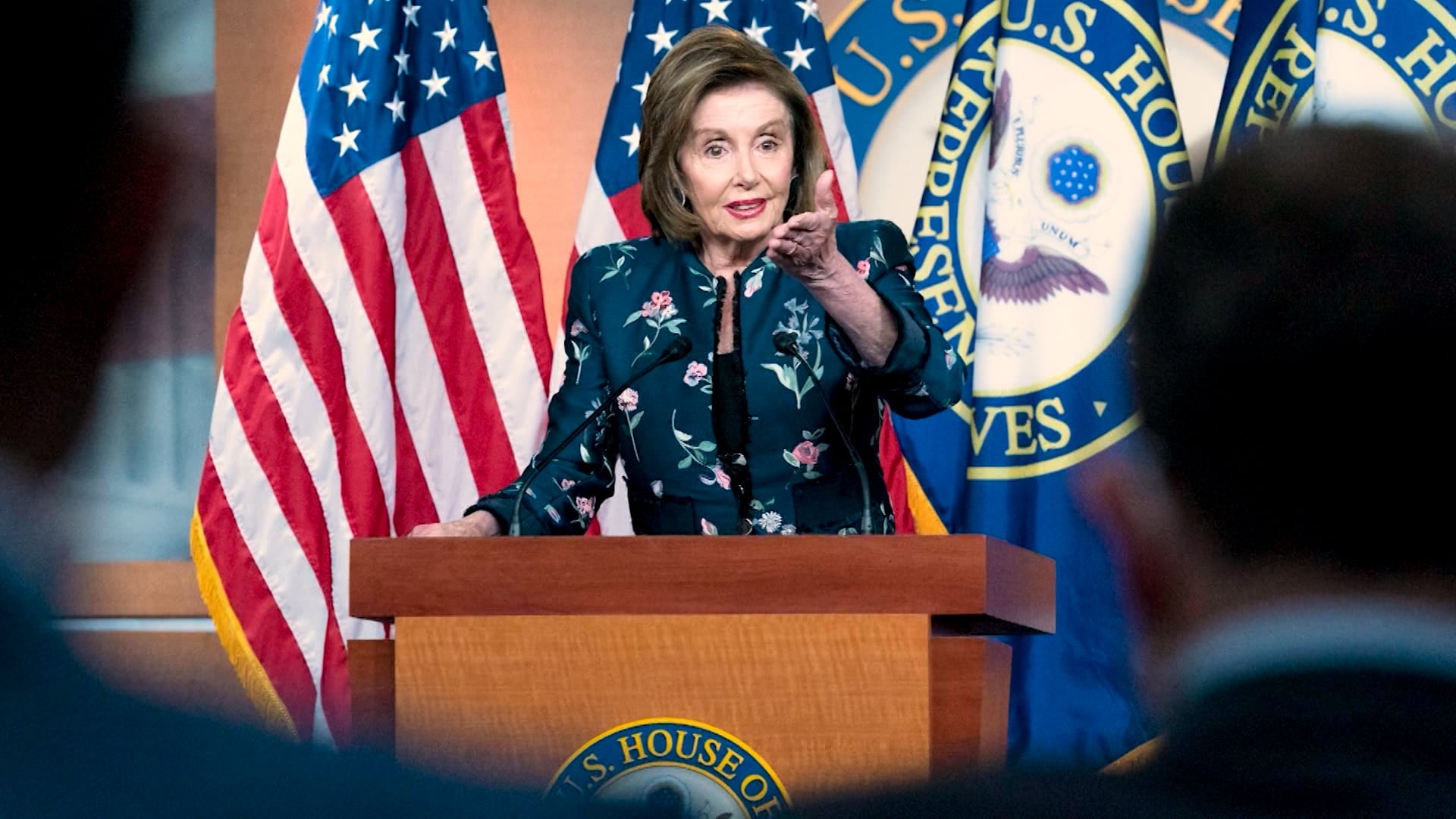
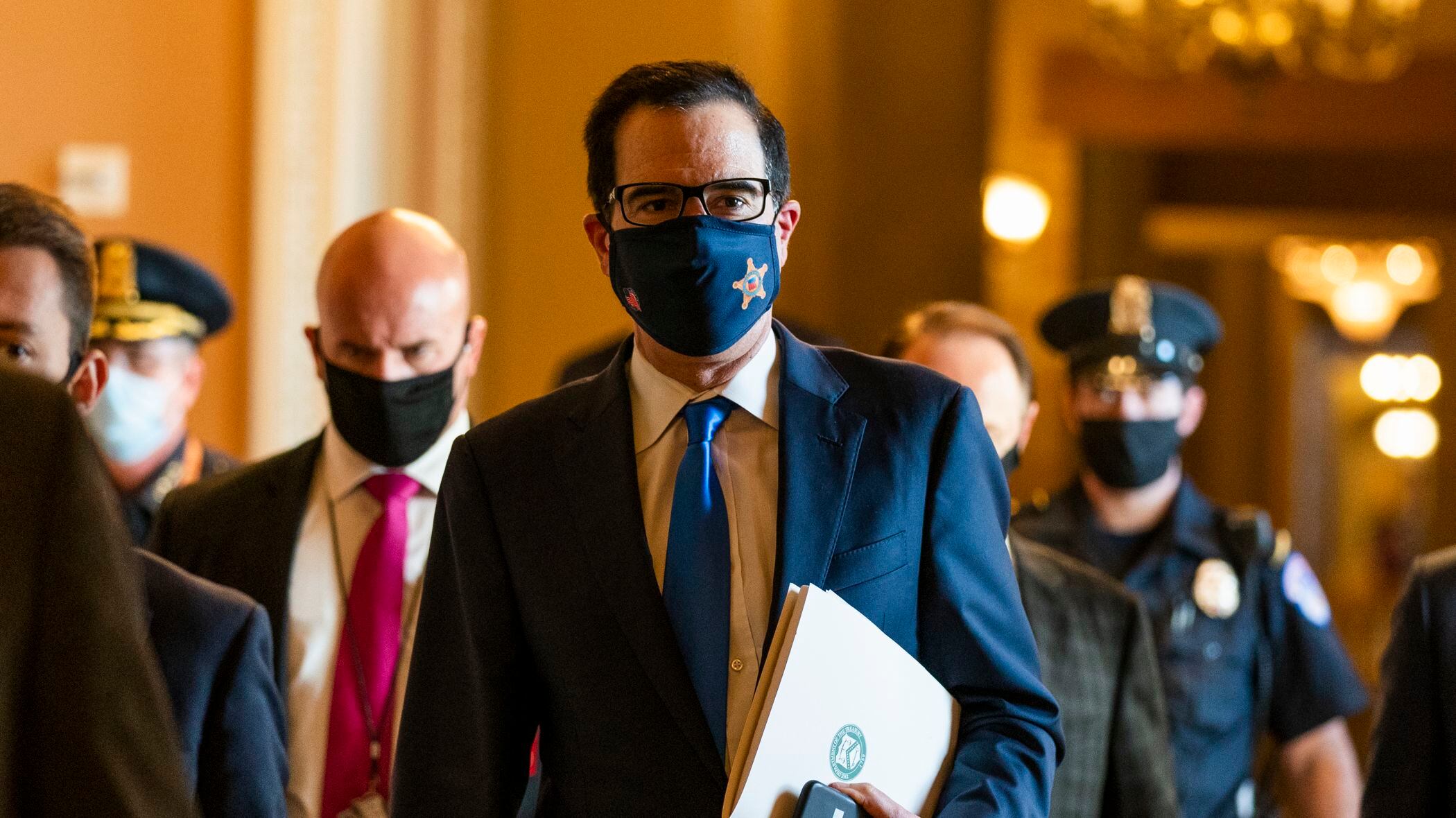
Trump on Friday took to Twitter to declare, “Covid Relief Negotiations are moving along. Go Big!” A top economic adviser said the Trump team is upping its offer in advance of a Friday conversation between Treasury Secretary Steven Mnuchin and House Speaker Nancy Pelosi. The two spoke for more than 30 minutes Friday afternoon, said Pelosi spokesman Drew Hammill.

A GOP aide familiar with the new offer said it is about $1.8 trillion, with a key state and local fiscal relief component moving from $250 billion to at least $300 billion. The White House says its most recent prior offer was about $1.6 trillion. The aide requested anonymity because the negotiations are private.

“I would like to see a bigger stimulus package than either the Democrats or Republicans are offering," Trump said on Rush Limbaugh's radio show Friday. Earlier this week, Trump lambasted Democrats for their demands on an aid bill.

Pelosi's most recent public offer was about $2.2 trillion, though that included a business tax increase that Republicans won't go for.

But GOP Senate Majority Leader Mitch McConnell told an audience in Kentucky that he doesn't see a deal coming together soon out of a “murky" situation in which the participants in the negotiations are elbowing for political advantage.

“I'd like to see us rise above that like we did in March and April but I think it's unlikely in the next three weeks," McConnell said.

He spoke after Trump apparently performed an about-face, empowering Mnuchin to resume negotiations with Pelosi, D-Calif., on a larger, comprehensive coronavirus relief package despite calling off the talks just days before.

White House economic adviser Lawrence Kudlow told reporters Friday that “developments are positive” and that “the bid and the offer have narrowed” in advance of a telephone conversation later Friday between Pelosi and Mnuchin.

McConnell remains a skeptic that a deal can come together — and he has issued private warnings that many Senate Republicans will oppose a deal in the range that Pelosi is seeking.

“We do need another rescue package," McConnell said. “But the proximity to the election and the differences about what is need at this particular juncture are pretty vast."

Later Friday, during an appearance in Tompkinsville, Kentucky, McConnell said: “I don’t know whether we’ll get another (virus-relief) package or not.”

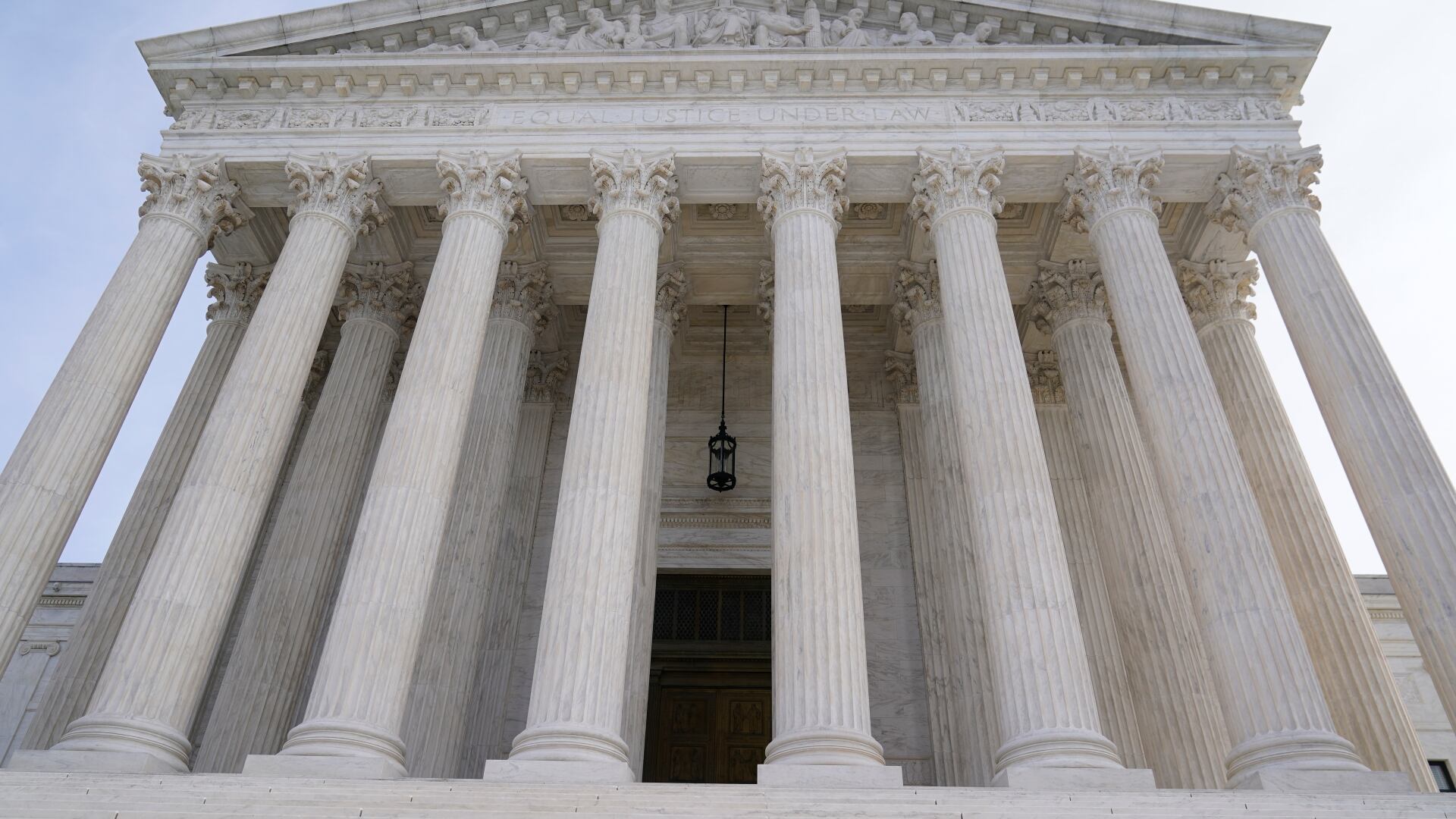
McConnell added that “the first item of priority of the Senate is the Supreme Court. We’ve got a stunningly outstanding nominee.” He later said: “We intend to put her on the Supreme Court in the next few weeks.”

McConnell's remarks capped a tumultuous week in which Trump and sent conflicting signals and made unworkable demands. On Tuesday, he ordered an end to the weekslong talks after being told that few Republicans in Congress would end up voting for a possible Pelosi-Mnuchin deal.

After taking blowback for that decision, Trump sought to revive the negotiations on Thursday. Yet even as Mnuchin was reengaging with Pelosi, staffers in the White House — working under Chief of Staff Mark Meadows, a key negotiator — were issuing demands for a smaller package stuffed with Trump's priorities.

All of this comes as Trump is sliding in the polls and is sidelined by his COVID-19 infection. The White House is short-staffed and dealing with infections among its staff. And the president and Pelosi are attacking each other's mental health.

That the talks were headed nowhere was an open secret among close observers in Washington, but both sides had been reluctant to declare them dead until Trump did so on Tuesday, making himself a magnet for blame. The talks are still unlikely to produce results in the near term because even if there was a breakthrough, it could take weeks to process.

McConnell says he is open to resuming the negotiations in a post-election lame-duck session, but that prospect is murky as well, depending on the results.

On Friday, Pelosi issued a downbeat assessment in a letter to her colleagues but expressed some optimism in an appearance on MSNBC.

“I do hope that we'll have an agreement soon," Pelosi said.

___

Schreiner contributed from Sheperdsville, Kentucky.

Share:
More In Politics
Economist Sees Six Rate Hikes in 2022 After High January PPI Number
Inflation remains hot as the January PPI has increased by 1 percent, twice what analysts had been expecting with a jump of 9.7 over the year. Beth Ann Bovino, the U.S. chief economist, for S&P Global Ratings, joined Cheddar News to discuss the rapid pace of inflation alongside higher wages, predicting the Federal Reserve will act quickly and forcefully this year. "They haven't changed their forecast, yet, that's gonna come out soon. But we expect that a March rate hike is basically pretty much baked in the cake," she said. "We think six rate hikes in total for 2022."
U.S Chamber of Commerce Hosts Virtual Event 'Developing the Black-Owned Business Ecosystem'
For black history month, Cheddar is highlighting black business leaders who are driving the need for representation forward. On February 10, the U.S. Chamber of Commerce hosted an event called 'Developing the Black-Owned Business Ecosystem.' The virtual event was organized under the lobbying group's two initiatives -- the Equality of Opportunity Initiative, and the Coalition to Back Black Businesses. The event highlighted the developments needed to develop more black-owned businesses in the U.S. Dr. Anthony Wilbon, Dean of the School of Business at Howard University, joined Cheddar News' Closing Bell to discuss his experience as a speaker at the event.
Two Democratic Senators Allege Secret CIA Spying On Americans
A newly declassified letter by senators Ron Wyden and Martin Heinrich claimed the CIA. has been conducting a Secret Surveillance Program which has been collecting a bulk of data from American citizens. The letter which was written in April of 2021 urges the CIA to come clean about the kind of data it collects and how many Americans have been impacted. According to these two senators, the program did not have the safeguards of congressional oversight.
Stocks Close Lower to Begin Week as Russia-Ukraine Tensions Weigh on Sentiment
Art Hogan, Chief Market Strategist at National Securities, joined Cheddar News' Closing Bell, where he says investors are taking a wait-and-see approach when it comes to the situation between Russia and the Ukraine and elaborates on the impact higher oil prices stemming from the conflict would have on the market.
Behind Lawmaker Concerns Over Possible CIA Data Collection on Americans
Last week, Senators Ron Wyden of Oregon and Martin Heinrich of New Mexico, Democrats on the Senate Intelligence Committee, wrote a a letter airing concerns that the CIA is collecting the data of American citizens without their consent. The lawmakers fear that the program might be exploiting private data. Morgan Wright, the chief security advisor at cybersecurity firm SentinelOne, joined Cheddar News to discuss the ramifications of the letter. "We don't have all the dots in one place to connect them," said Wright, cautioning against jumping to conclusions.
Glimpse of Hope for Diplomatic Solution Over Russia-Ukraine Tensions
As the number of Russian troops rose to 130,000 along its Ukrainian border, hopes for a diplomatic solution remain among world leaders. Jason McMann, head of geopolitical risk analysis at Morning Consult, joined Cheddar News to break down the fluid situation. "We saw signs pointing towards an increase in tensions between Ukraine and Russia, whereas today we're seeing some signs that the Russian government may be willing to continue down a path of diplomatic negotiations to try and find some sort of non-military solution," he said.
'STOCK' Act Aimed at Preventing Insider Trading Within Congress...But Does It?
Nancy Pelosi and House Democratic leaders are now planning to amend the stop trading on congressional knowledge act, otherwise known as the 'Stock' Act. This 2012 law governs how members disclose the purchase or sale of stocks and amending it would close a loophole, eliminating the trading of individual stocks by members of congress. Pelosi has consistently opposed a ban on stock trading by lawmakers and congressional staff...so what's changed? Kedric Payne, Vice President of Campaign Legal Center, joins Cheddar News to discuss.
SCOTUS Allows GOP- Drawn Alabama Map to Remain
In a 5-4 vote, the U.S. Supreme Court allowed for a controversial new version of the Alabama congressional map to remain in place. The lower court had previously ordered that the state must redraw that congressional map because it violates the Voting Rights Act by diluting the political power of Black voters. Redistricting expert Yurij Rudensky joins Cheddar News to weigh in.
Load More