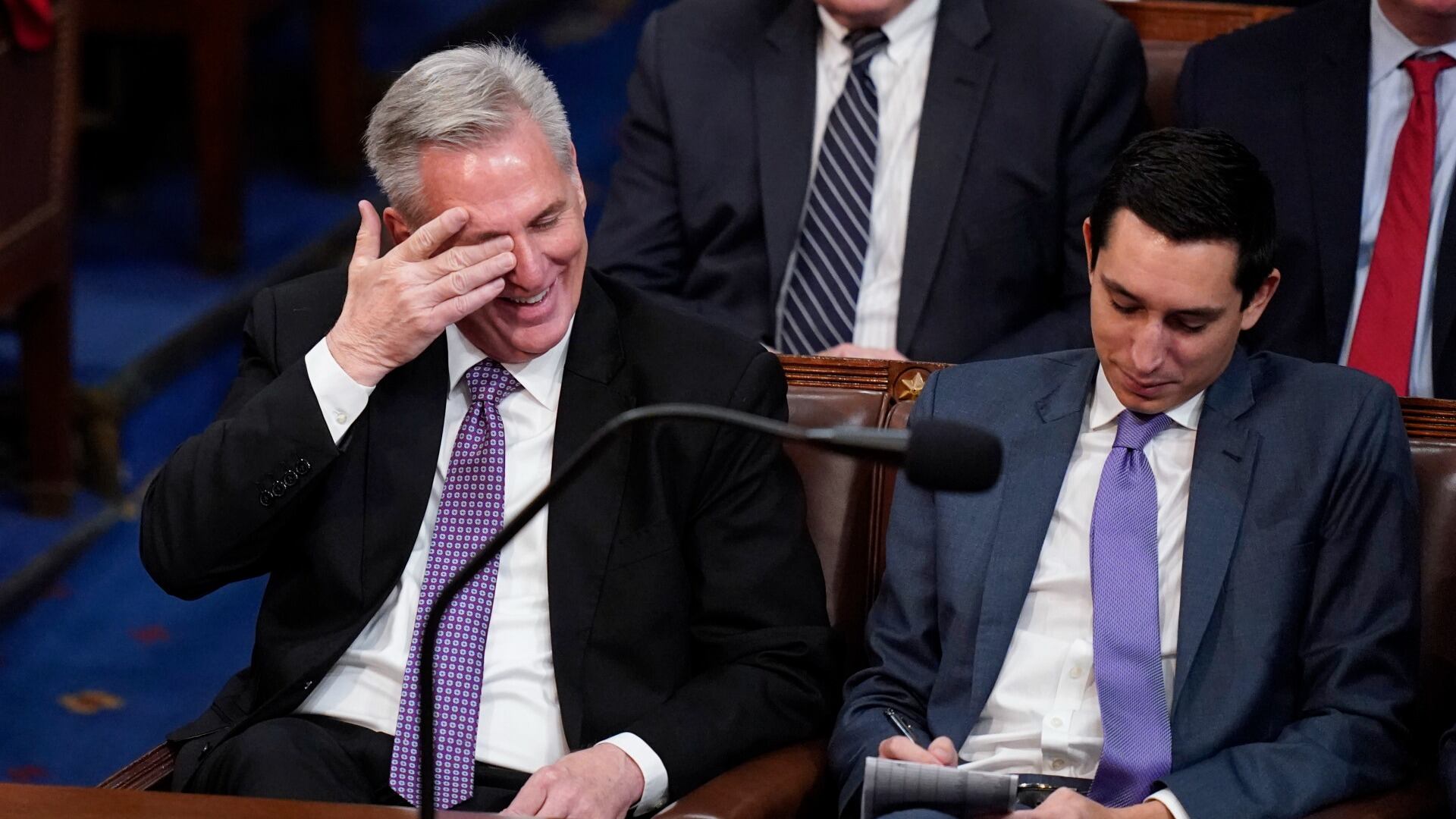
Rep. Kevin McCarthy failed to secure the House speakership position again early Wednesday afternoon, losing in a series of votes.
In order to become the next House speaker, McCarthy needs to win a simple majority of votes, or 218 if all 435 members vote. McCarthy failed to reach a majority in the first three rounds of votes Tuesday, marking a historic defeat. It was the first time in 100 years that a nominee failed to win the gavel on the first round of votes.
McCarthy headed down a similar path Wednesday afternoon, coming up short again in the fourth and fifth round of votes.
The problem for McCarthy is a group of far-right Republicans who are refusing to back him, even after McCarthy made concessions to appease them. Still, McCarthy has shown no signs of giving up his bid.
“We’re not that far away,” McCarthy told reporters last night. “We only need 11 more votes to win.”
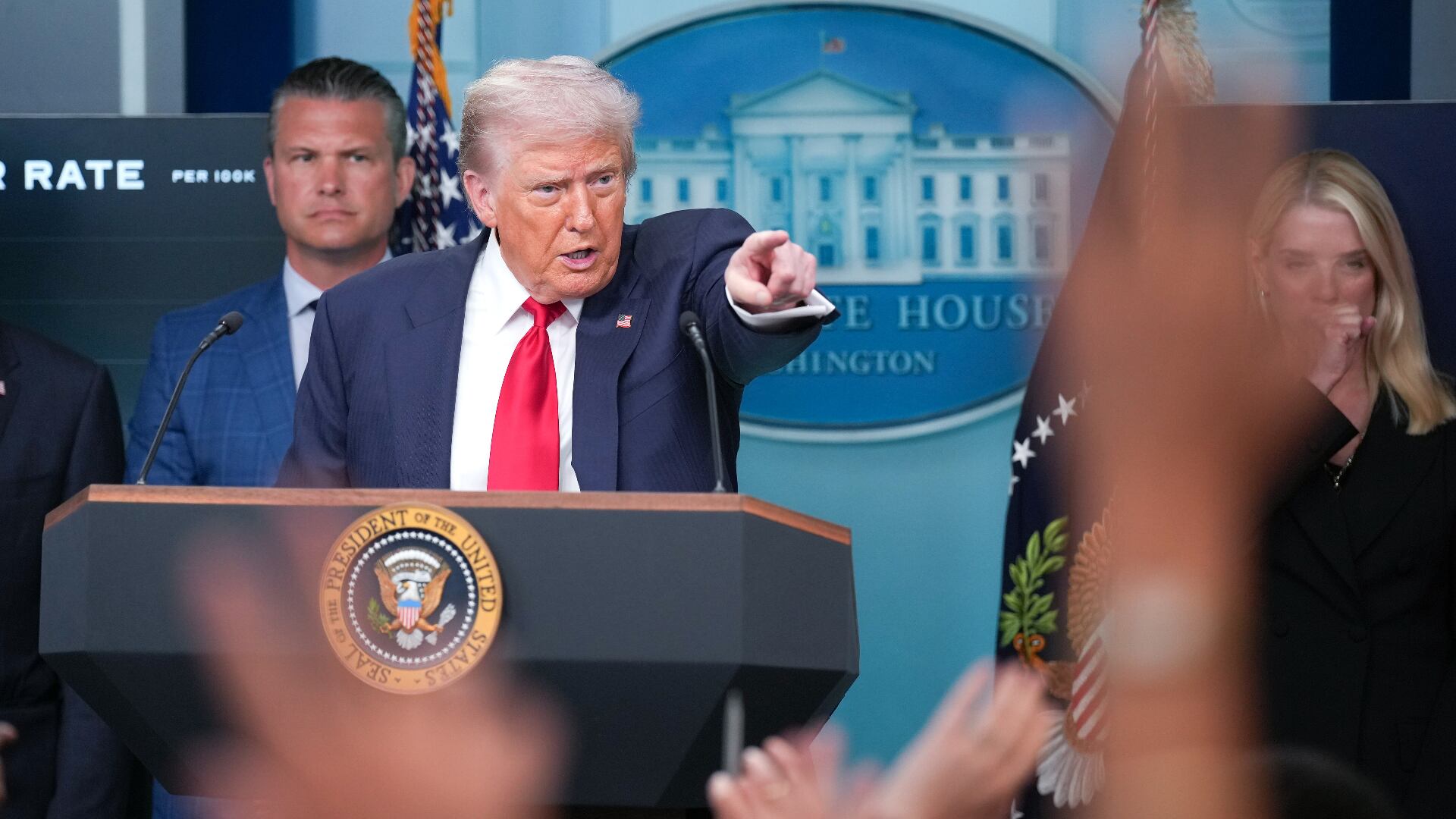
Rep. Lauren Boebert (R-Colo. 3rd District) called on former President Donald Trump to tell McCarthy, "Sir, you do not have the votes and it’s time to withdraw." Trump had earlier voiced his full support for the embattled nominee.
Voting will continue until a lawmaker receives a simple majority. Either McCarthy will be able to convince enough Republicans to support him, or to not vote for anyone and lower the threshold to reach a majority, or an alternate candidate will emerge. Until then, the House can’t swear in lawmakers, establish rules for the next two years, or pass new legislation. It remains unclear how long the process could take.
Updated with Cheddar writethrough.
The U.S. Department of Agriculture announced a nearly $11 billion investment on Tuesday to help bring affordable clean energy to rural communities throughout the country.
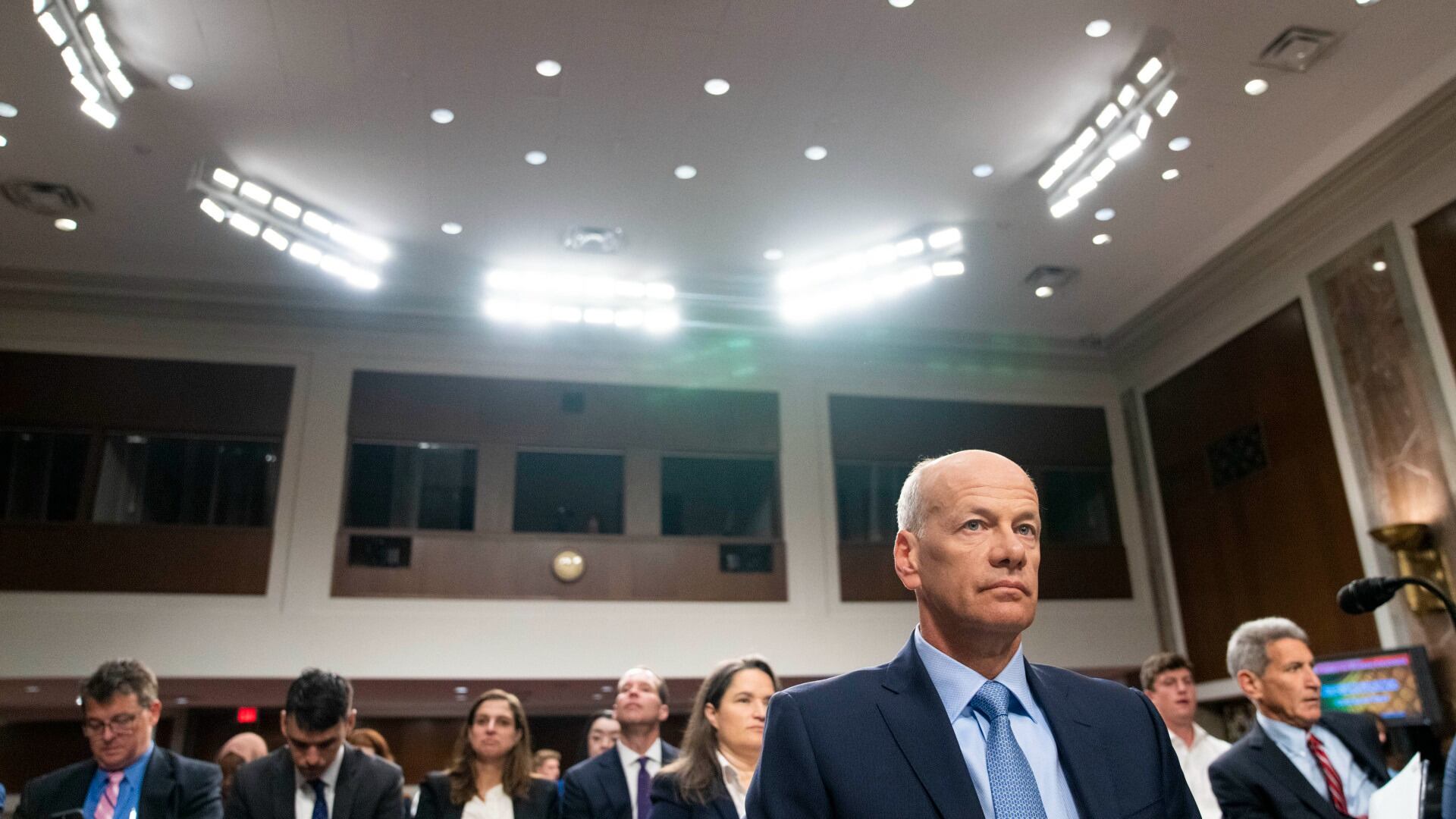
Top executives at Silicon Valley Bank and Signature Bank largely avoided taking responsibility for their banks’ dramatic failures at a Senate hearing Tuesday.
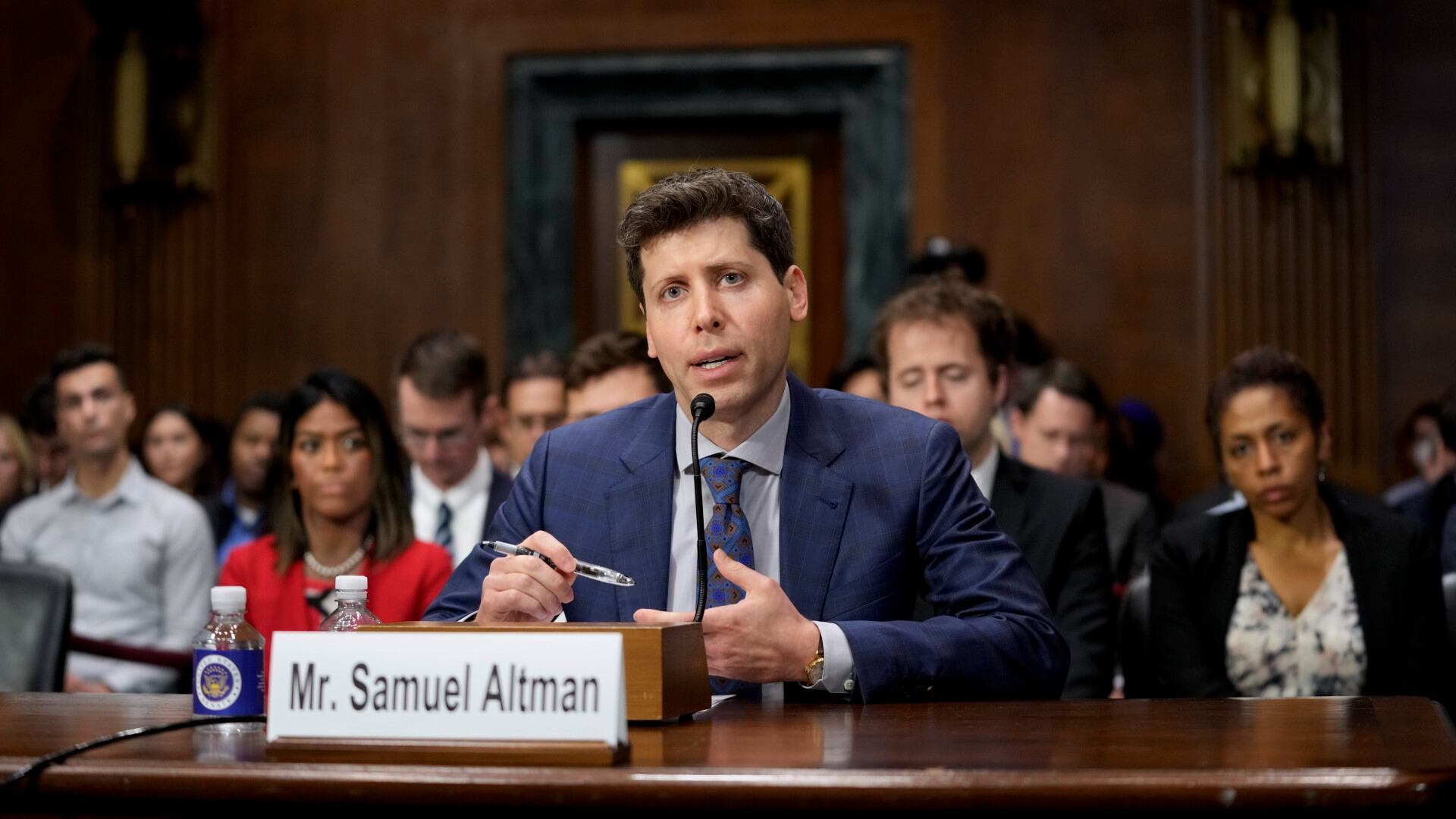
The head of the artificial intelligence company that makes ChatGPT will testify before Congress as lawmakers call for new rules to guide the rapid development of AI technology.
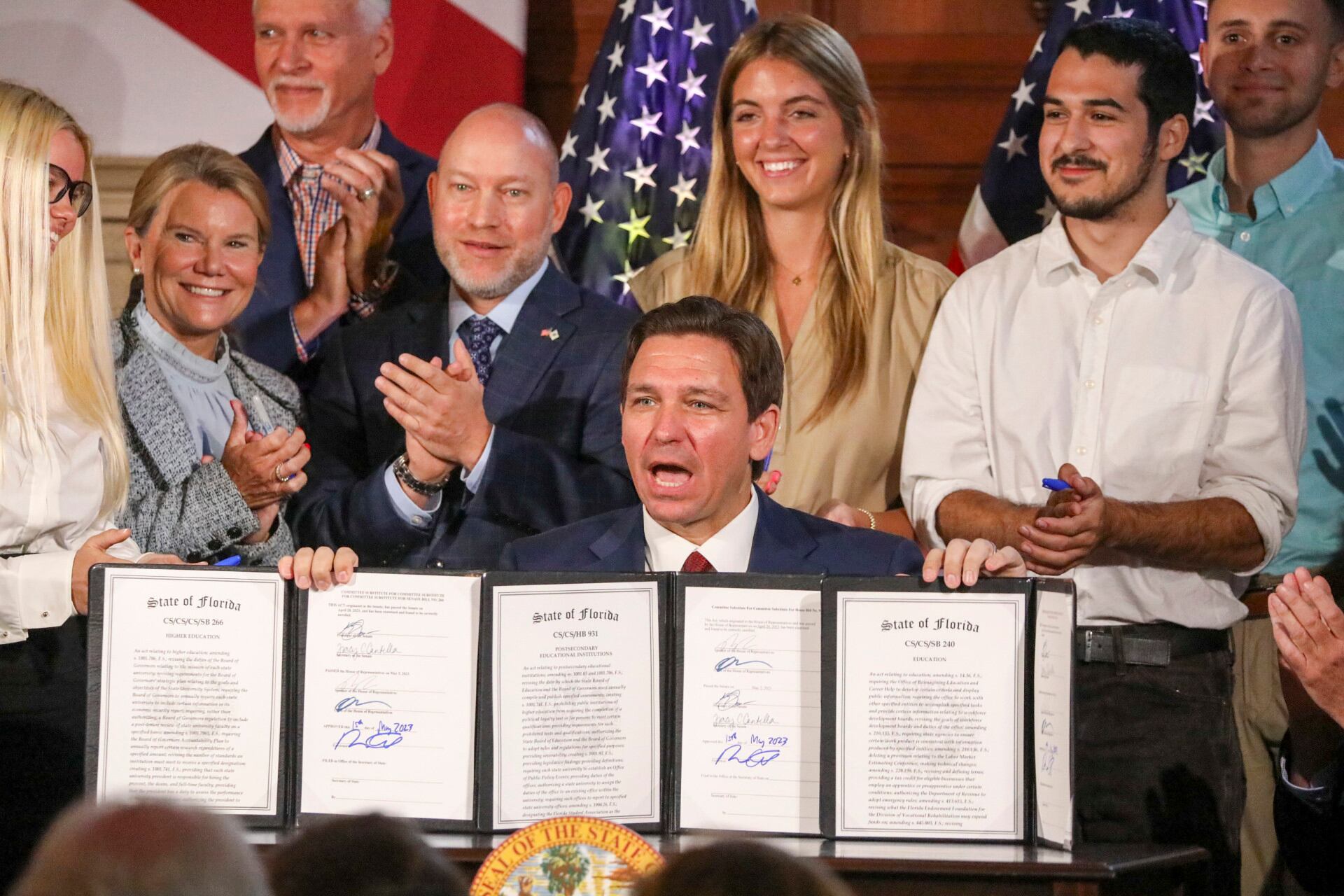
Florida Gov. Ron DeSantis on Monday signed a bill that blocks public colleges from using federal or state funding on diversity programs, addressing a concern of conservatives ahead of the Republican governor's expected presidential candidacy.
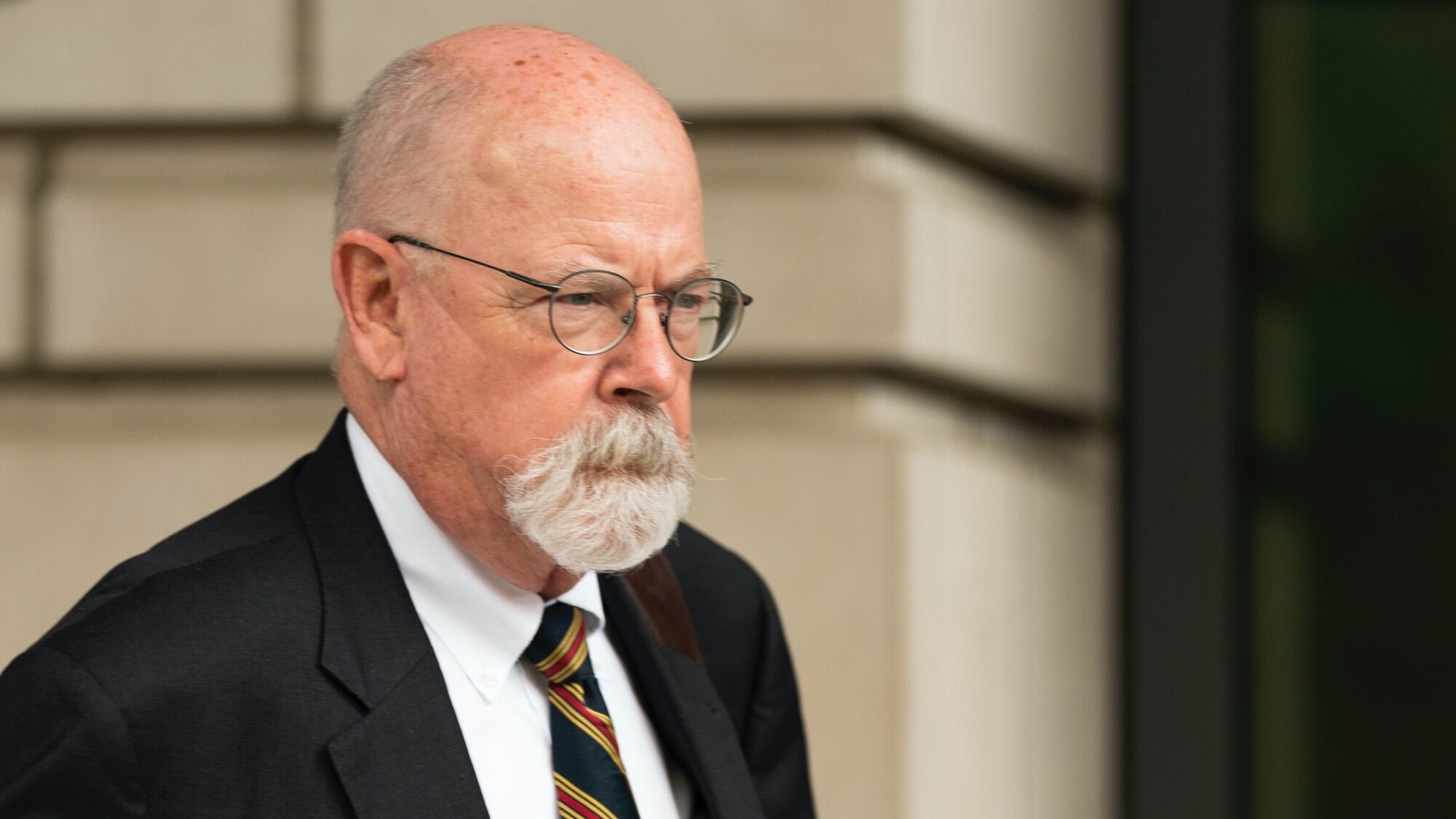
A special prosecutor found that the FBI rushed into its investigation of ties between Russia and Donald Trump's 2016 campaign and relied too much on raw and unconfirmed intelligence as he concluded a four-year probe that fell far short of the former president's prediction that the “crime of the century" would be uncovered.
North Carolina Gov. Roy Cooper vetoed a bill passed by state lawmakers that would ban most abortions after 12 weeks.
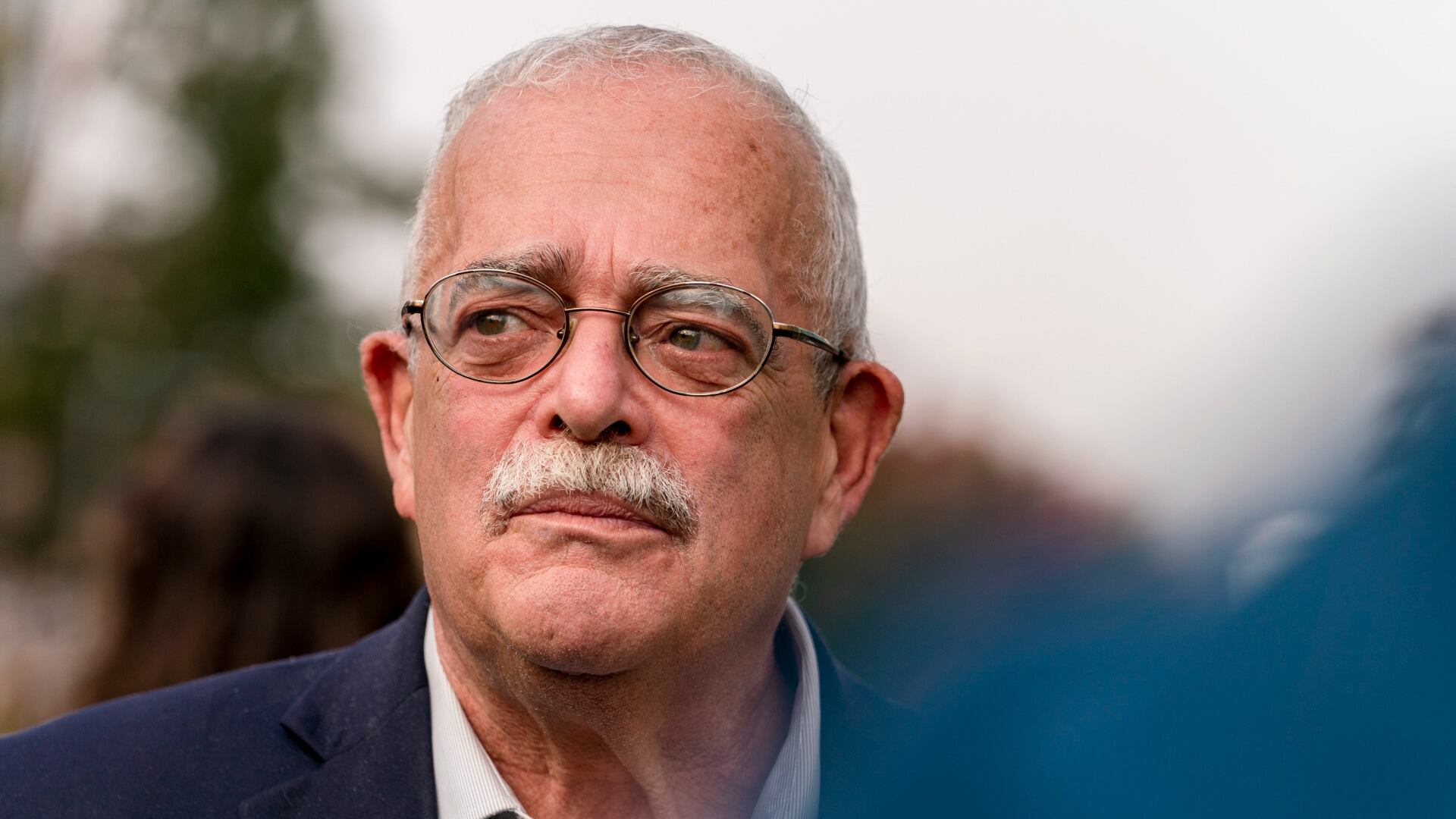
U.S. Rep. Gerry Connolly of Virginia says a man with a baseball bat walked into his Fairfax office, asked for him, and then assaulted two members of his staff.
Thanks to recent advances in artificial intelligence, tools that can create lifelike photos, video and audio are now cheap and readily available.
In front of an exuberant crowd, North Carolina’s Democratic governor vetoed legislation Saturday that would have banned nearly all abortions in his state after 12 weeks of pregnancy.
Turkey’s presidential elections appeared to be heading toward a second-round runoff on Monday, with President Recep Tayyip Erdogan, who has ruled his country with a firm grip for 20 years, leading over his chief challenger, but falling short of the votes needed for an outright win.