House Republicans made post-midnight changes to their sweeping debt ceiling package to win over holdouts, as Speaker Kevin McCarthy pushed ahead Wednesday with plans to launch debate and round up support from his slim majority for a vote this week.
Facing a revolt from Midwestern Republicans over doing away with biofuel tax credits that were just passed into law last year by President Joe Biden, Republicans relented and allowed the tax credits to stay on the books.
Republicans also agreed to more quickly launch the bolstered work requirements for recipients of government aid, starting in 2024 as proposed by another holdout, Freedom Caucus' Rep. Matt Gaetz, R-Fla., who has led previous challenges to McCarthy.
The changes were approved at a 2 a.m. session of the House Rules Committee despite earlier repeated insistence by McCarthy and his leadership team that there would be no changes.
The floor debate is expected to launch at noon Wednesday, a final vote on the sprawling package likely pushes to Thursday.
Republicans hold a five-seat majority and face several absences this week, leaving McCarthy with almost no votes to spare.
“This week, we will pass the bill on this floor,” McCarthy told reporters late Tuesday.
The top Democrat on the panel, Rep. Jim McGovern, derided the “midnight seance" that produced the final package, particularly “cruelly” imposing stricter work requirements on recipients of food stamps and other government aid.
“Taking food away from people is a rotten thing to do,” said McGovern of Massachusetts in the early hours of Wednesday morning.
While the 320-page package has almost no chance of becoming law, McCarthy is using it as a strategy to shake up the debate. Biden has so far refused to engage with House Republicans on what the White House calls “hostage taking” over the debt ceiling, and threatened to veto the package, which couples a debt ceiling increase with restrictions on federal spending. McCarthy hopes passage will kickstart talks with Democrats.
But McCarthy acknowledged after closed-door meetings late Tuesday that not all House Republicans were fully on board with the proposal. He insisted that passing this bill would be merely a starting point for negotiations with Biden and Democrats, and not the final product.
“There’s a number of members that will vote for it going forward and say there are some concerns they have,” he said. But he said they will also say they are ready to vote anyway: “They want to make sure the negotiation goes forward.”
It’s a first big test for the president and the Republican speaker, coming at a time of increased political anxiety about the need to raise the federal debt limit, now at $31 trillion, to keep paying the country’s already accrued debts.
The Treasury Department is taking “extraordinary measures” to pay the bills, but funding is expected to run out this summer. Economists and experts warn that even the threat of a federal debt default would send shockwaves through the economy.
In exchange for raising the debt limit by $1.5 trillion into 2024, the bill would rollback federal spending to fiscal 2022 levels and cap future spending increases at 1% a year for the next decade.
The package would also impose tougher work requirements on recipients of food stamps and government aid, halt Biden’s plans to forgive up to $20,000 in student loans and end the landmark renewable energy tax breaks Biden signed into law last year. It would tack on a sweeping Republican bill to boost oil, gas and coal production.
A nonpartisan Congressional Budget Office analysis released Tuesday showed the Republican plan would reduce federal deficits by $4.8 trillion over the decade if the proposed changes were enacted into law.
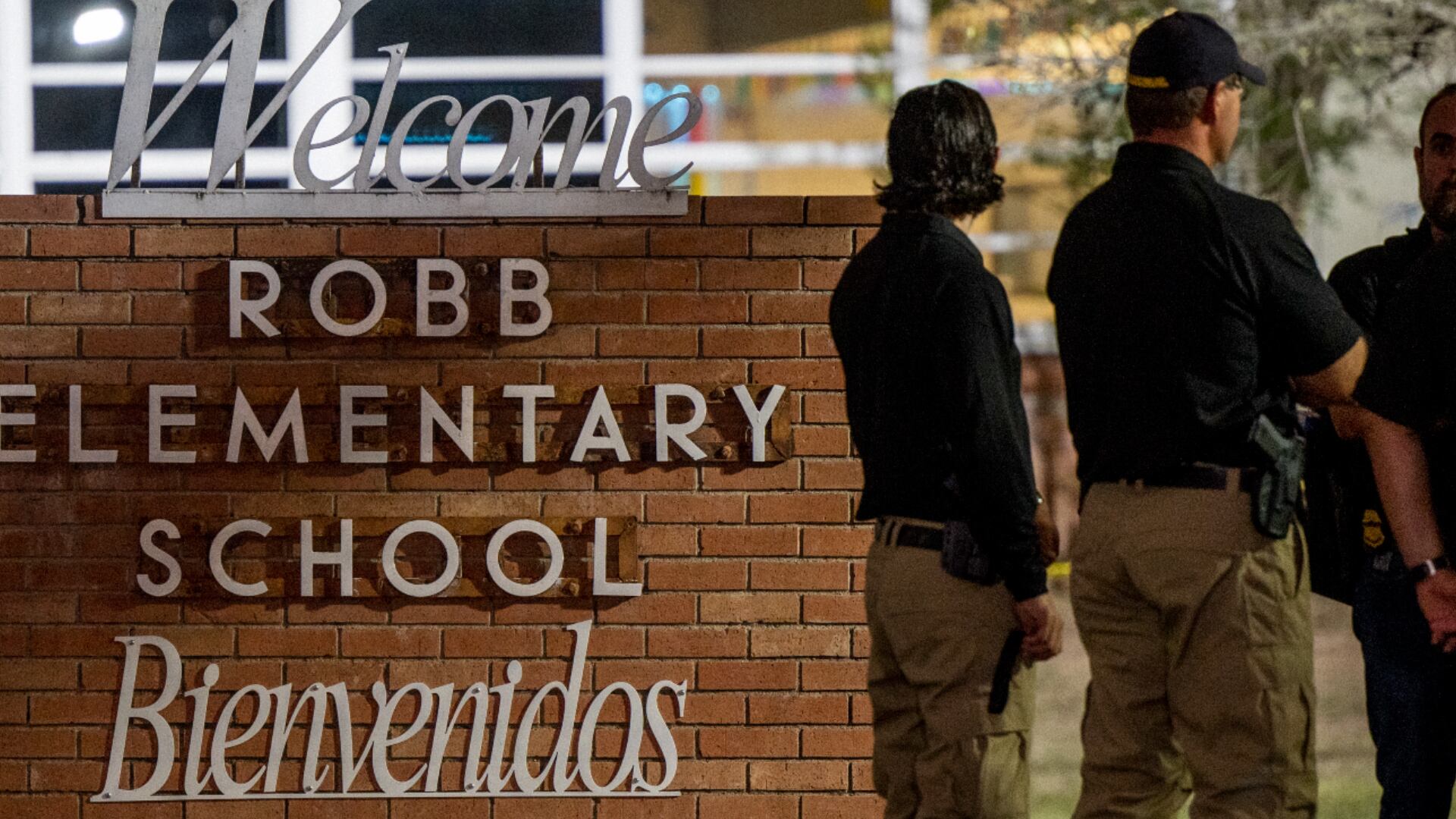
The Robb Elementary School mass shooting killing 19 children and two adults in Uvalde, Texas pm Tuesday was the deadliest school shooting since the 2012 Sandy Hook massacre in Newtown, Connecticut, and came just 10 days after the grocery store shooting in Buffalo, New York. Nelson Vergara, the founder and CEO of 360 Protective Solutions, joined Cheddar’s Opening Bell to discuss. "Right now what law enforcement is concentrating on is trying to trace his steps as to what motivated the gunman to act the way he did. What it boils down to just trying to figure out what led to his motivation to do such a horrific act.”
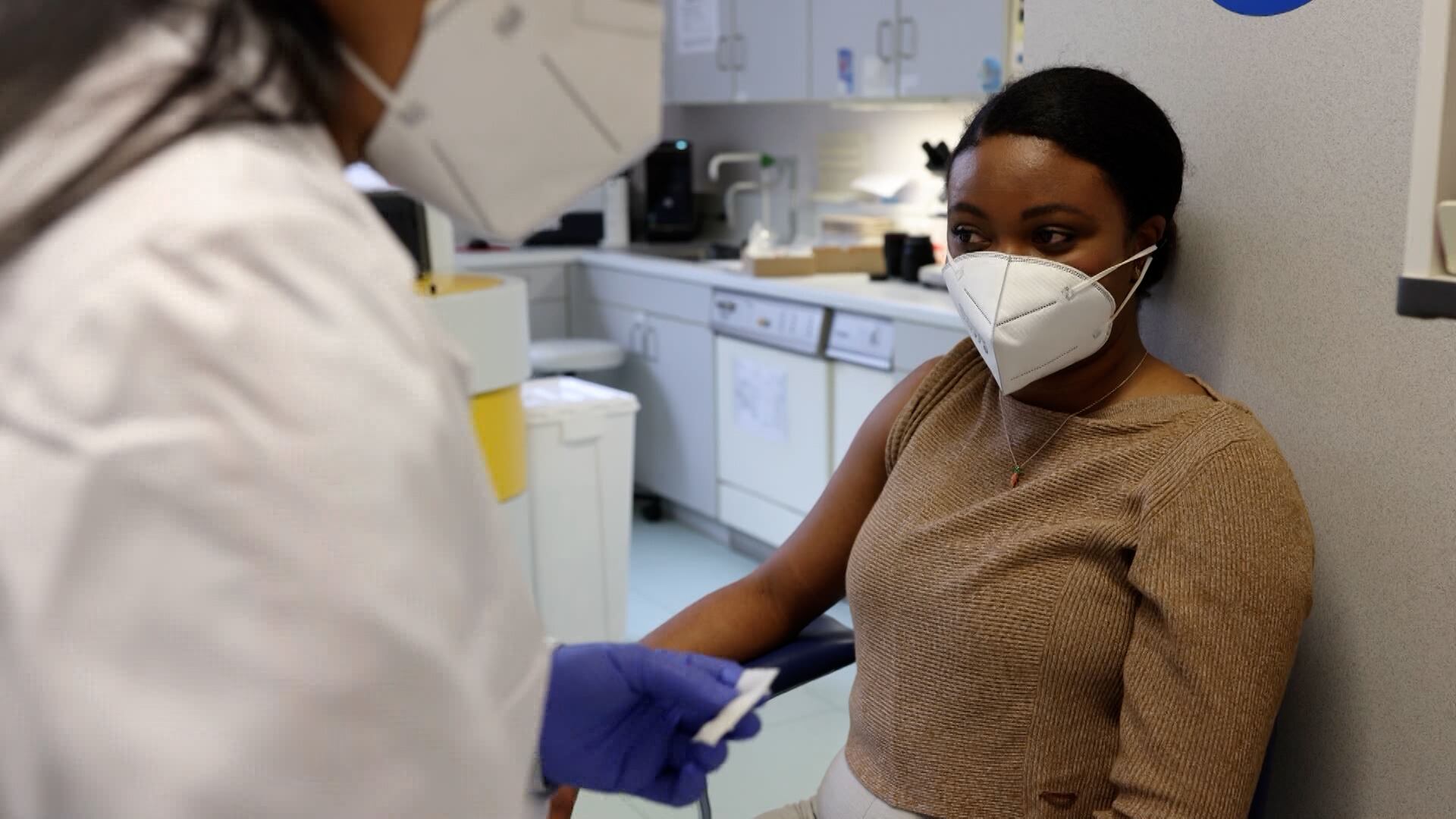
An recently conducted AP-NORC poll found that majorities of the Black and Hispanic populations in the U.S. still find themselves either somewhat worried or extremely worried over the pandemic, while more than half of white Americans responded with either being not too worried or not worried at all. Dr. Chris Pernell, the chief strategic integration and health equity officer at University Hospital, joined Cheddar News to talk about how perceptions of COVID-19 differ between groups of Americans. "We’re still seeing people get infected, and because of the toll of the disproportionate impact, we have concerns among the Black and brown community about whether or not they have an increased risk of exposure because of where they work, because of the use of public transportation, because they live in homes that they may not be able to safely quarantine and or isolate in, and because they have at baseline chronic health conditions that may make coronavirus more severe in those persons," she said.
Judith Enck, a former regional administrator for the EPA and the president of Beyond Plastics, joined Cheddar News to talk about the role of plastics in the climate crisis and California's investigation of ExxonMobil and other oil companies for misleading the public on the ability to recycle plastics. "The reason why petrochemical companies like Exxon have gotten away with selling more and more plastic is that they've lied to the public and told us don't worry about all those negative upstream impacts and downstream impacts of plastics. Just be sure to recycle it. Well, guess what? Plastics largely are not recycled," Enck said.
The ongoing war in Ukraine and the Fed's hawkish stance toward reining in inflation might be causing a frenzy among investors. Craig Erlam, a senior market analyst at foreign exchange OANDA, joined Cheddar News to talk about the current "mixed bag" markets. "It's hard to read too much into it. These are just the market conditions we have right now," he said. "Ultimately we're a little directionless at times overall, but these intraday moves are causing a lot of volatility this week."
Catching you up on what you need to know on April 29, 2022, with President Biden asking Congress for a $33 billion aid package for Ukraine, a shrinking GDP potentially leading to a recession, Beijing banning weddings and funerals while closings schools amid COVID, and more.
Buying a new home is tough right now; but for first-time buyers, it's an especially challenging time, with obstacles like rising mortgage rates and record-breaking home prices. The housing market is not expected to get much friendlier, as mortgage rates are expected to continue to climb as the Federal Reserve proceeds with its plans for rate hikes in an effort to stifle inflation. Jonathan Miller, President and CEO of real estate appraiser Miller Samuel, joins Cheddar News' Closing Bell to discuss.
Tyler Moran, former senior adviser to President Biden on migration, joins Cheddar Politics to discuss the recent controversy around the administration's decision to end the use of Title 42, a public health order allowing the U.S. to expel migrants without going through the asylum process.
Christian Heyne, vice president of policy at the gun safety group Brady, joins Cheddar Politics to discuss President Biden's executive action on so-called "ghost guns," and to reflect on the Brooklyn subway shooting.
Jasmine Burney-Clark, founder of Equal Ground Education Fund and Action Fund, joins Cheddar Politics to discuss the redistricting process in Florida, and how the state's Republican Gov. Ron DeSantis proposed a map reducing the power of Black Floridians.