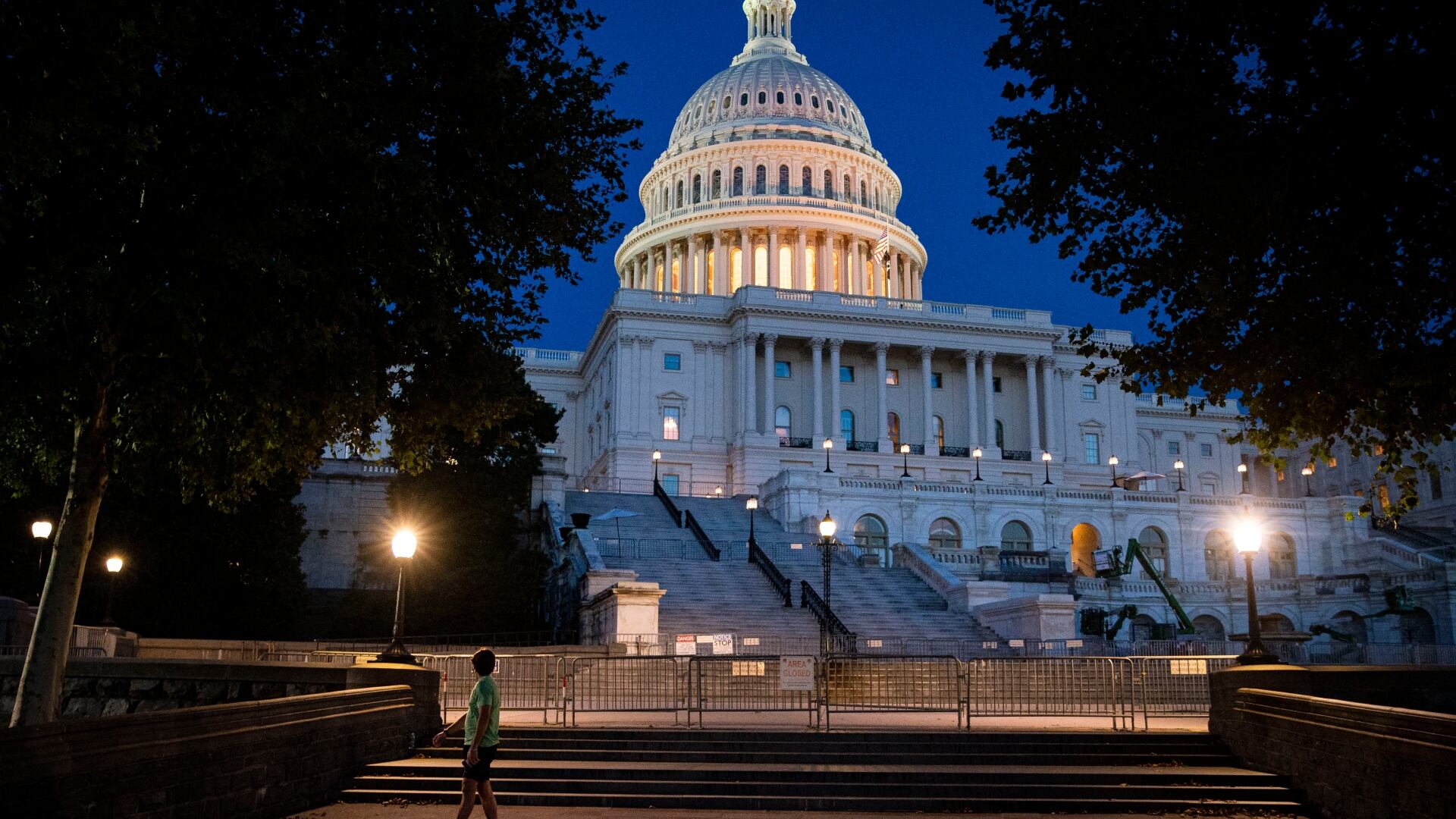
House Republicans made post-midnight changes to their sweeping debt ceiling package to win over holdouts, as Speaker Kevin McCarthy pushed ahead Wednesday with plans to launch debate and round up support from his slim majority for a vote this week.
Facing a revolt from Midwestern Republicans over doing away with biofuel tax credits that were just passed into law last year by President Joe Biden, Republicans relented and allowed the tax credits to stay on the books.
Republicans also agreed to more quickly launch the bolstered work requirements for recipients of government aid, starting in 2024 as proposed by another holdout, Freedom Caucus' Rep. Matt Gaetz, R-Fla., who has led previous challenges to McCarthy.
The changes were approved at a 2 a.m. session of the House Rules Committee despite earlier repeated insistence by McCarthy and his leadership team that there would be no changes.
The floor debate is expected to launch at noon Wednesday, a final vote on the sprawling package likely pushes to Thursday.
Republicans hold a five-seat majority and face several absences this week, leaving McCarthy with almost no votes to spare.
“This week, we will pass the bill on this floor,” McCarthy told reporters late Tuesday.
The top Democrat on the panel, Rep. Jim McGovern, derided the “midnight seance" that produced the final package, particularly “cruelly” imposing stricter work requirements on recipients of food stamps and other government aid.
“Taking food away from people is a rotten thing to do,” said McGovern of Massachusetts in the early hours of Wednesday morning.
While the 320-page package has almost no chance of becoming law, McCarthy is using it as a strategy to shake up the debate. Biden has so far refused to engage with House Republicans on what the White House calls “hostage taking” over the debt ceiling, and threatened to veto the package, which couples a debt ceiling increase with restrictions on federal spending. McCarthy hopes passage will kickstart talks with Democrats.
But McCarthy acknowledged after closed-door meetings late Tuesday that not all House Republicans were fully on board with the proposal. He insisted that passing this bill would be merely a starting point for negotiations with Biden and Democrats, and not the final product.
“There’s a number of members that will vote for it going forward and say there are some concerns they have,” he said. But he said they will also say they are ready to vote anyway: “They want to make sure the negotiation goes forward.”
It’s a first big test for the president and the Republican speaker, coming at a time of increased political anxiety about the need to raise the federal debt limit, now at $31 trillion, to keep paying the country’s already accrued debts.
The Treasury Department is taking “extraordinary measures” to pay the bills, but funding is expected to run out this summer. Economists and experts warn that even the threat of a federal debt default would send shockwaves through the economy.
In exchange for raising the debt limit by $1.5 trillion into 2024, the bill would rollback federal spending to fiscal 2022 levels and cap future spending increases at 1% a year for the next decade.
The package would also impose tougher work requirements on recipients of food stamps and government aid, halt Biden’s plans to forgive up to $20,000 in student loans and end the landmark renewable energy tax breaks Biden signed into law last year. It would tack on a sweeping Republican bill to boost oil, gas and coal production.
A nonpartisan Congressional Budget Office analysis released Tuesday showed the Republican plan would reduce federal deficits by $4.8 trillion over the decade if the proposed changes were enacted into law.