Retail sales fell in May, dragged down by a decline in auto sales and a shift by Americans to spend more on vacations and other services instead of goods.
Total sales dropped a seasonal adjusted 1.3% in May from the month before, the U.S. Commerce Department said Tuesday. Wall Street analysts expected a smaller decline of 0.5%.
Economists expected retail sales to drop last month because of the lack of cars available for sale due to a worldwide shortage of chips, which are needed to power in-car screens and other features. Sales at auto dealerships fell 3.7% last month, according to the Commerce Department.
Another reason for the decrease: As more people become vaccinated and head out more, Americans are spending more of their money on haircuts, trips and other services that are not included in Tuesday's report. Sales fell at furniture, electronics and home building stores last month.
“Consumer spending growth through the rest of the year will shift to services from goods,” wrote PNC chief economist Gus Faucher.
Sales at restaurants rose nearly 2%, according to Tuesday's report. And those seeking a new outfit to go out in helped sales at clothing stores rise 3%.
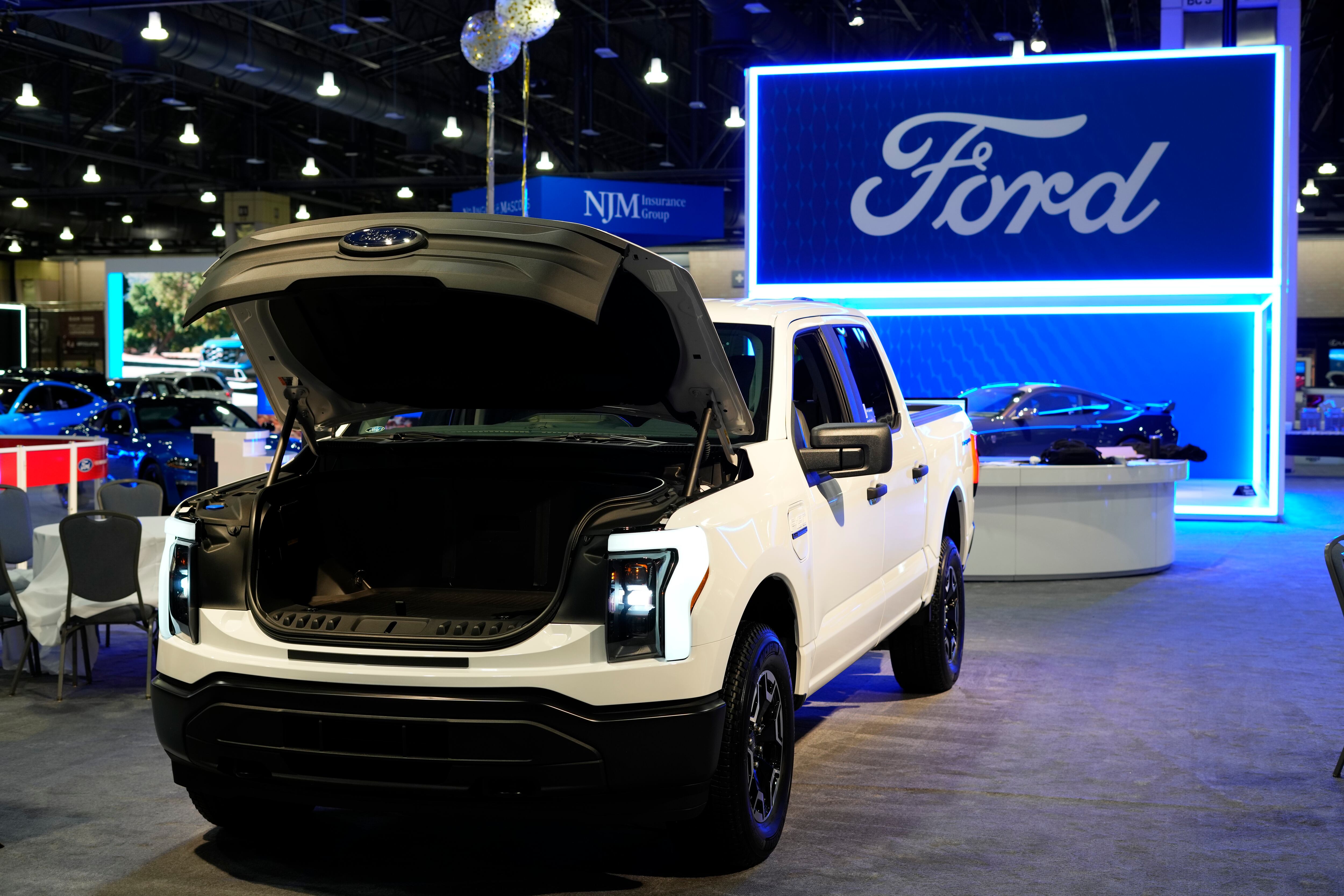
Ford says it’s reducing production of the F-150 Lightning electric pickup vehicle as it adjusts to weaker-than-expected electric vehicle sales growth. The automaker said about 1,400 workers will be impacted by the move.
Walmart Inc. is raising the starting base pay for store managers, while redesigning its bonus plan that will put more of an emphasis on profits for these leaders.
Despite concerns about shipping delays in the Red Sea, RSM Chief Economist Joe Brusuelas says there are still reasons to be optimistic about the state of the U.S. economy.
Dan Ives, Managing Director and Senior Equity Analyst at Wedbush Securities dives deeper into a report by the International Data Corporation (IDC) that Apple has ended Samsung's 12-year reign as the world's largest smartphone seller.
Artificial intelligence is the biggest buzzword at the World Economic Forum’s annual meeting in Davos. Advances in generative AI stunned the world last year, and the elite crowd is angling to take advantage of its promise and minimize its risks.
Smartphones could get much smarter this year as the next wave of artificial intelligence seeps into the devices that accompany people almost everywhere they go.
In an annual assessment of global inequalities, Oxfam International said the first trillionaire could emerge within the next decade — as the anti-poverty organization pointed to the growing wealth gap that skyrocketed globally during the pandemic.