The co-founder of the high-end skills class startup Masterclass has launched a new education company called Outlier.org. Despite .org the domain, it's a for-profit venture that aims to replace universities' introductory-level courses with highly-produced educational online content.
"I think that the first two years of college — so the first 25 courses — amount to about a $50 billion-a-year spend by students. In those first two years, the brand name really doesn't matter that much. They're very skills-based competencies that you're going for," the company's founder and CEO Aaron Rasmussen told Cheddar.
"There are a million students a year taking Calculus I at an average of $2,500 per course. That means Calculus I is a $2.5 billion a year industry, and 40 percent of those students fail. So we're wasting a billion dollars a year."
In addition to video lectures, Outlier promises interactive content, unlimited practice questions, and a full refund of the $400 per-class price if the students don't pass. Outlier says its course credits are granted by the University of Pittsburgh, making them transferable to other schools (that recognizes that university's credits).
Class can be taken at any time and from anywhere, but the company says that students will be matched to study groups based on their time zones. The courses will begin this fall with two classes: introductory psychology and introductory calculus.
Students also have the option to switch between lecturers and styles. For instance, calculus students will be able to watch lectures from the British mathematician Hannah Fry, Massachusetts Institute of Technology doctoral student John Urschel (also a retired Baltimore Ravens football player), and Professor Tim Chartier at Davidson College.
But why would the top schools help facilitate a startup that aims to eat up its bread-and-butter introductory courses?
"It's probably not going to affect the top 100 universities that much. In fact, not a ton of those students are even taking calculus because they will have taken it in high school. I'm worried about the other 3,500 universities," said Rasmussen.
Dave Long, CEO and Co-Founder of Orangetheory Fitness joins Cheddar to chat trends in the industry for 2024. He updates us on the company's plans to expand and what the state of the economy has meant for business.
One of the world's largest renewable energy developers will be getting hundreds of wind turbines from General Electric spinoff GE Vernova as part of a record equipment order and long-term service deal.
A moon landing attempt by a private US company appears doomed because of a fuel leak on the newly launched spacecraft. Astrobotic Technology managed to orient the lander toward the sun Monday so its solar panel could capture sunlight and charge its onboard battery.
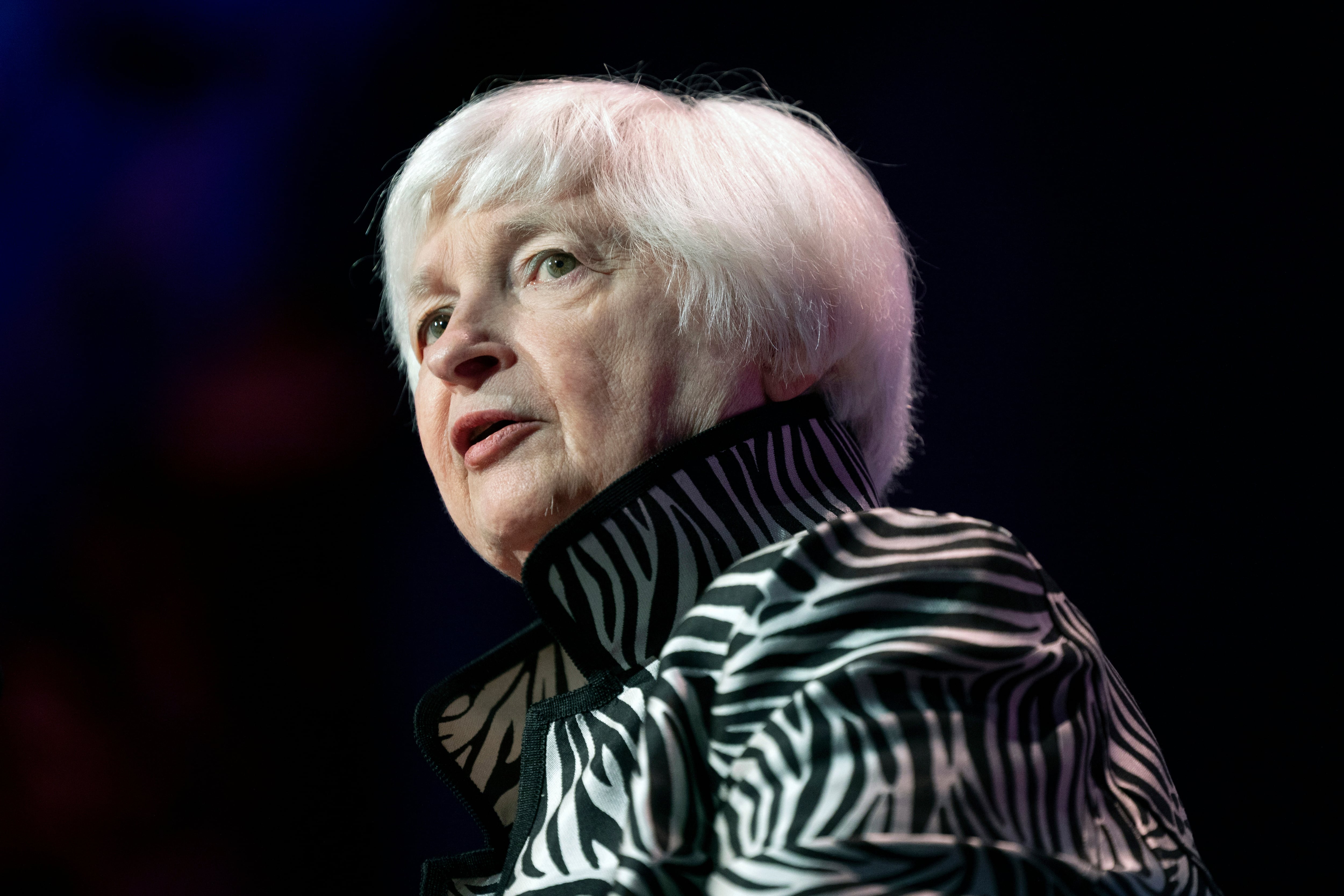
Treasury Secretary Janet Yellen has announced that 100,000 businesses have signed up for a new database that collects ownership information intended to help unmask shell company owners. Yellen says the database will send the message that “the United States is not a haven for dirty money.”
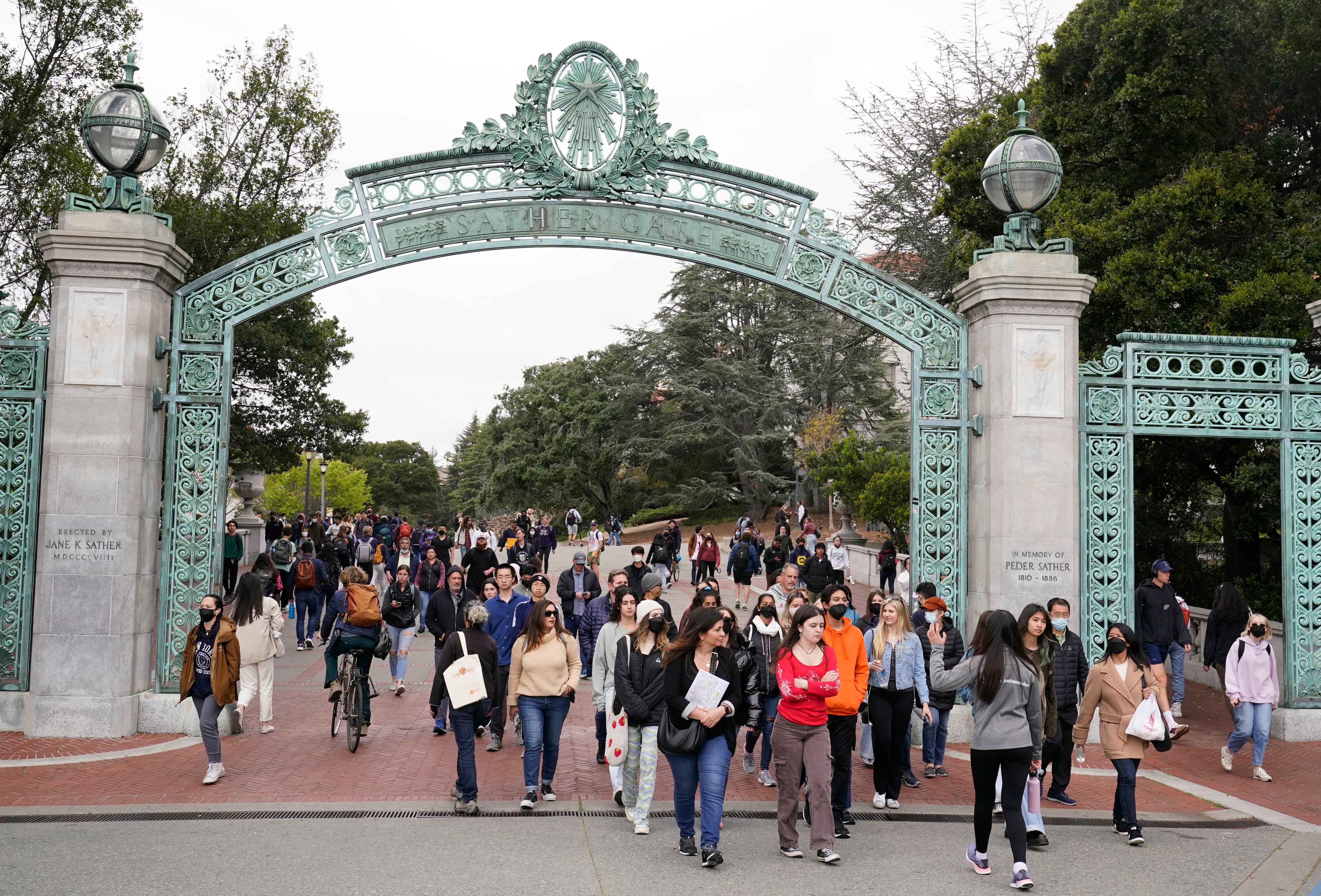
A new version of the federal student aid application known as the FAFSA is available for the 2024-2025 school year, but only on a limited basis as the U.S. Department of Education works on a redesign meant to make it easier to apply.
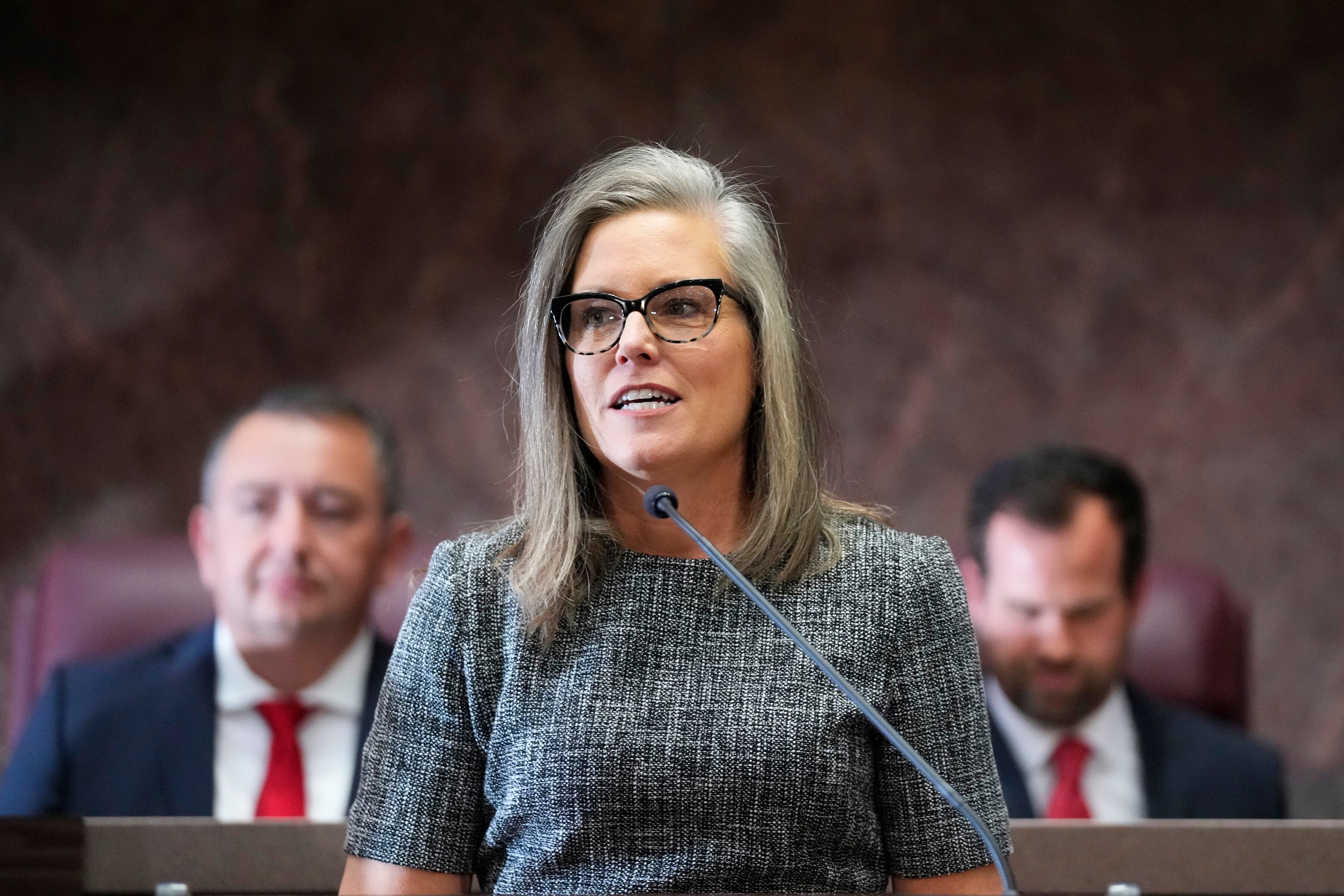
A steep budget deficit caused by plummeting tax revenues and escalating school voucher costs will be in focus Monday as Democratic Gov. Katie Hobbs and the Republican-controlled Arizona Legislature return for a new session at the state Capitol.
The first U.S. lunar lander in more than 50 years is on its way to the moon. The private lander from Astrobotic Technology blasted off Monday from Cape Canaveral, Florida, catching a ride on United Launch Alliance's brand new rocket Vulcan.
Global prices for food commodities like grain and vegetable oil fell last year from record highs in 2022, when Russia’s war in Ukraine, drought and other factors helped worsen hunger worldwide, the U.N. Food and Agriculture Organization said Friday.
Wall Street is drifting higher after reports showed the job market remains solid, but key parts of the economy still don’t look like they’re overheating.