Mashable's Miriam Kramer on Falcon Heavy Launch: "Awe Inspiring"
SpaceX launched its Falcon Heavy rocket Tuesday, making history by sending the largest rocket into space since 1975. CEO Elon Musk tweeting in response to President Trump, "An exciting future lies ahead." Mashable's Deputy Science Editor Miriam Kramer explains what the scene was like on the ground at Cape Canaveral, FL.
"It definitely felt like a historic moment," said Kramer. "It was pretty incredible to see this giant thing fly into space."
Aboard the rocket was Musk's original Tesla roadster. On whether this was as PR stunt, Kramer says it added pizzazz. She said just because it was a publicity stunt doesn't mean it's bad. "I think the Tesla is really fun, and space needs to be a little more fun," said Kramer.
After Facebook and its family of platforms were down for nearly eight hours on Monday, other social media platforms like Snapchat saw a surge in usage. The social media platform already popular with teens saw a 20 percent jump in activity during Facebook's global outage.
Google's users will now have extensive greener options. The updated services across platforms will allow users to look for eco-friendly routes in Google Maps, book flights with low carbon emissions, and reduce energy usage at home with Nest thermostats.
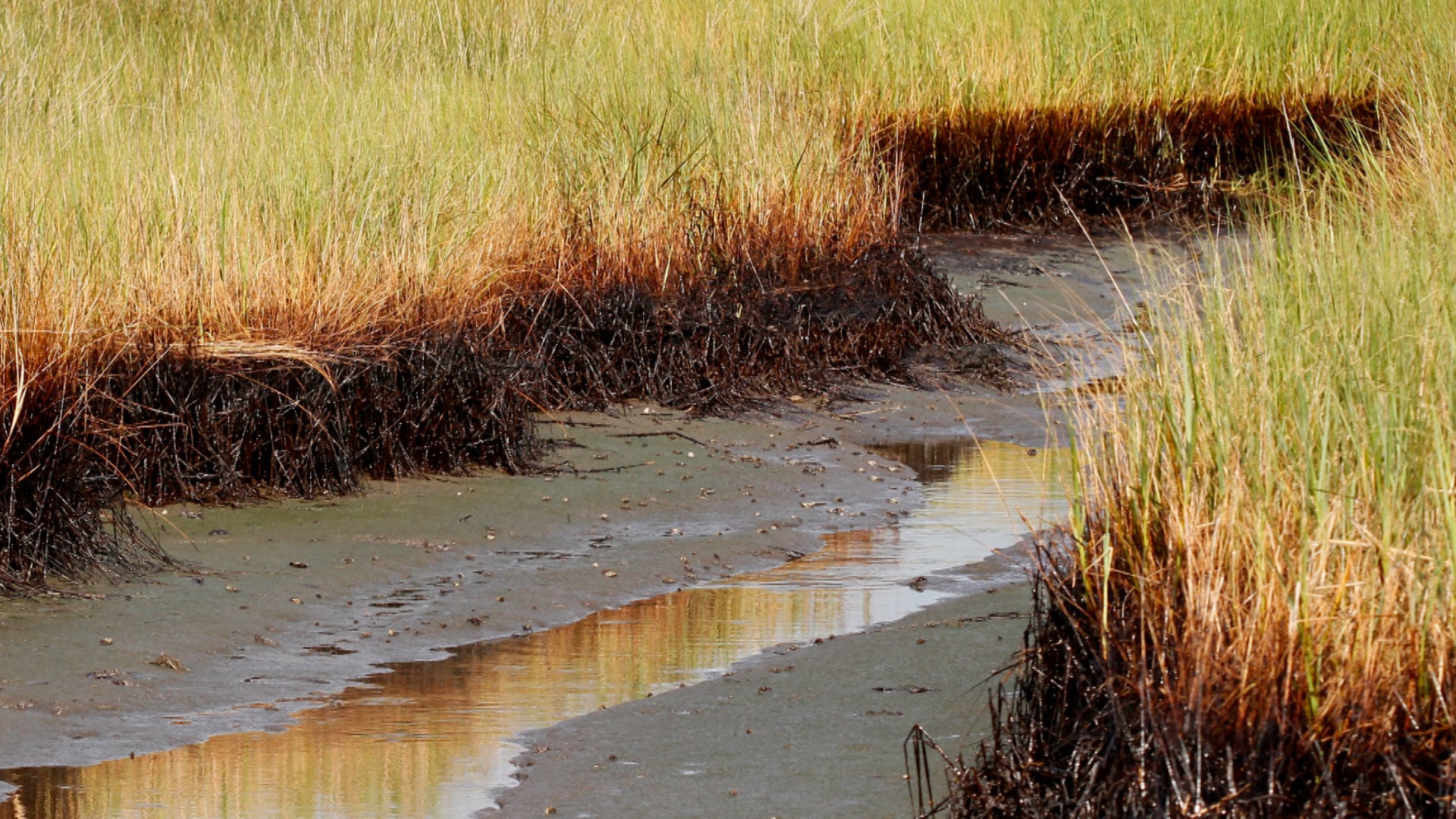
The recent California oil spill has wreaked havoc on the shores of Huntington Beach as wildlife habitats and potentially some people have been exposed to the 140,000+ gallons of oil in the ocean. Cheddar News was joined by Dr. Deborah Bronsan, President of Deborah Bronson & Associates to learn more about the environmental dangers and how the area can recover from this tragedy.
Shares for Netflix ($NFLZ) surged on survey data that showed people still saw the streaming platform as offering the best content compared to its competitors. A report by investment banking company Cowen Inc. reported the findings, rating it an outperform, and expects Netflix to garner 3.6 million new subscribers in Q3.
Banks are calling on Apple to lower fees for processing payments. The current model allows the tech giant to collect 0.15 percent on each transaction processed through Apple Pay.