Mashable's Miriam Kramer on Falcon Heavy Launch: "Awe Inspiring"
SpaceX launched its Falcon Heavy rocket Tuesday, making history by sending the largest rocket into space since 1975. CEO Elon Musk tweeting in response to President Trump, "An exciting future lies ahead." Mashable's Deputy Science Editor Miriam Kramer explains what the scene was like on the ground at Cape Canaveral, FL.
"It definitely felt like a historic moment," said Kramer. "It was pretty incredible to see this giant thing fly into space."
Aboard the rocket was Musk's original Tesla roadster. On whether this was as PR stunt, Kramer says it added pizzazz. She said just because it was a publicity stunt doesn't mean it's bad. "I think the Tesla is really fun, and space needs to be a little more fun," said Kramer.
Ahead of Instagram head Adam Mosseri's congressional hearing on the mental impact of the social platform on teens, the company announced a number of updates aimed at teen safety.
Developers for the video game "Call of Duty: Warzone" staged a walkout in protest of 12 quality assurance testers being laid off by parent company Activision Blizzard. This marks the latest work stoppage for the embattled game publishing giant.
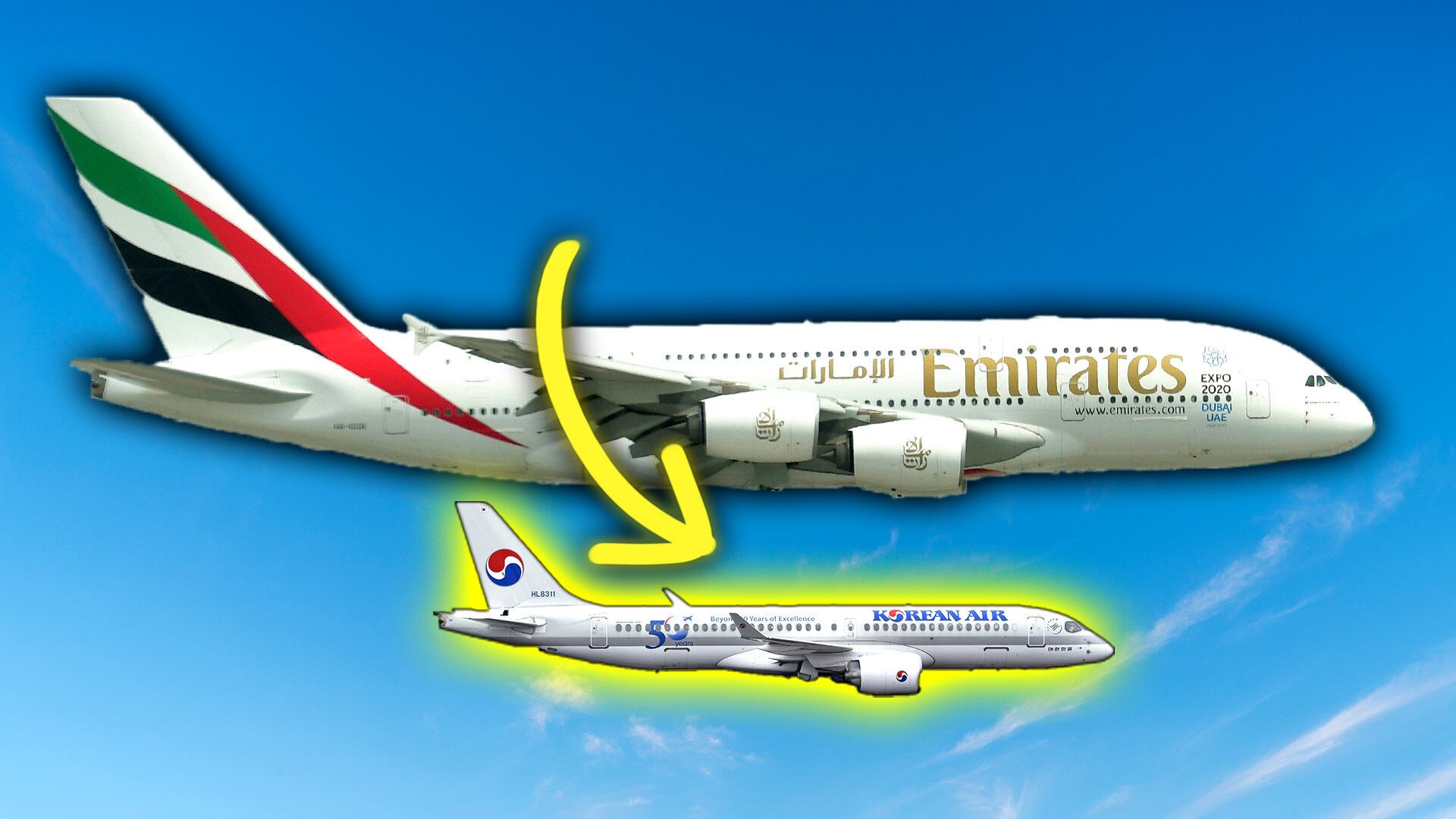
Earlier this year, JetBlue flew its inaugural flight into the United Kingdom. It was a game changer — not only did the airline enter the transatlantic market, but the plane that completed the flight was a single-aisle jet. For decades, flying the distance was synonymous with jumbo jets, but today narrow-body aircraft are now proving they are up for the task — and maybe even the best option. In this episode, Cheddar examines why airlines are betting on narrow-body aircraft.
2022 is just around the corner and one of the world's most famous trendspotters says that there is a wide-ranging mix of trends coming up in the new year that could impact businesses, culture, and our society at large.
Trendspotter and cultural zeitgeist analyst Marian Salzman, joined Cheddar to discuss more.
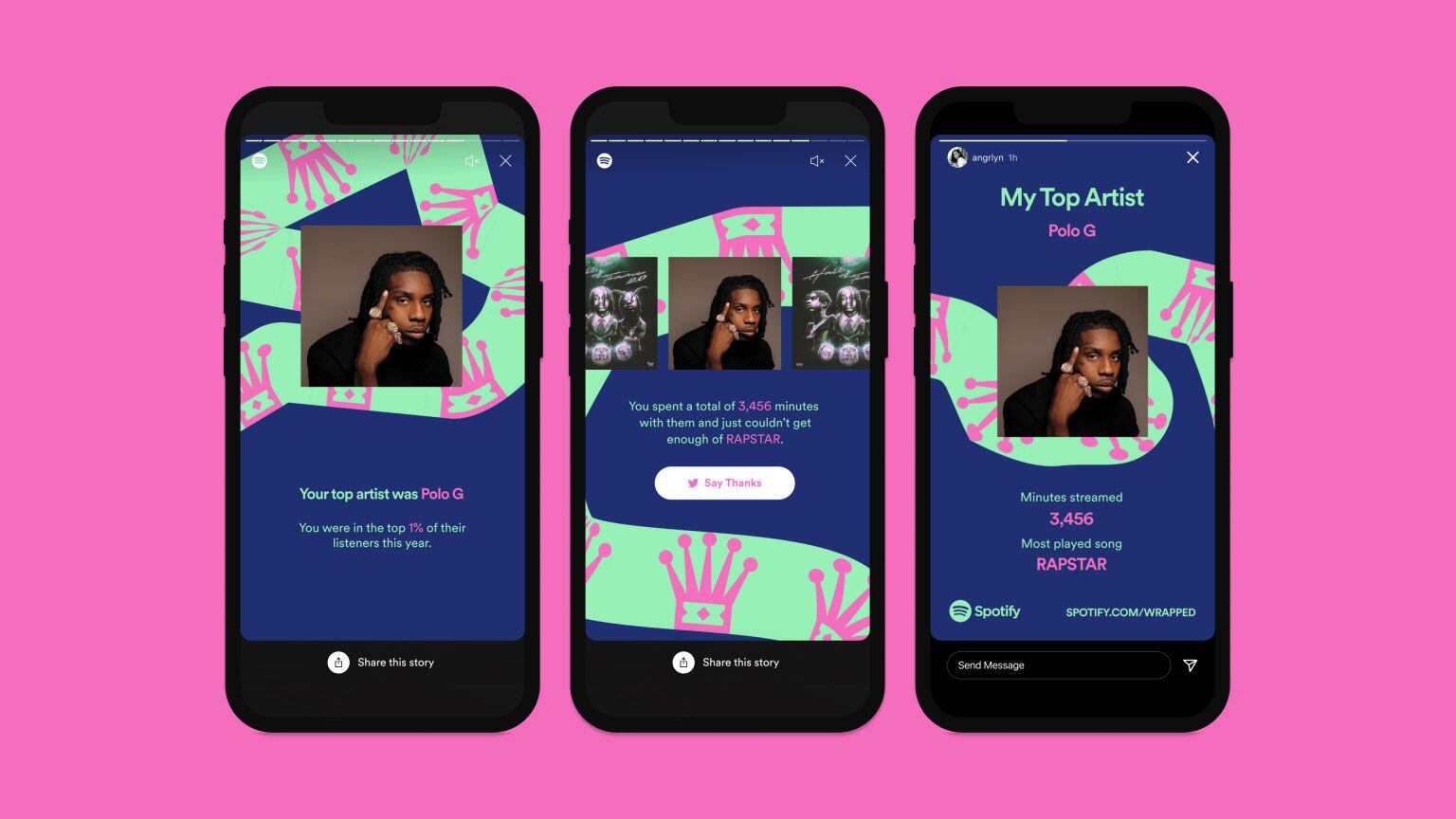
Spotify has just officially released its 2021 'Wrapped'. For the past few years, the streaming giant has been presenting customers with their listening habits from the prior year, including favorite artists, most listened to the genre, podcasts, songs you name it. However, critics say this method just shows how apps can collect our data. CEO of Prevailion Karim Hijazi, joined Cheddar to discuss more.
Recent internal documents obtained by the New York Times reveal how exactly TikTok's algorithm works. The report highlights how the app is mainly focused on retaining two metrics which are retention and time spent. In addition, the document titled, "TikTok Algo 101" details how the algorithm understands human nature from when we get bored to our sensitivity and culture ques. It means the app monitors will kind of videos you like. Professor of Computer Science at the University of California in San Diego Julian McCauley, joined Cheddar to discuss more.
Carlo and Baker discuss the sweeping new vaccine mandate in NYC that will target all private businesses. Plus, Trump's media venture gets its CEO and more.