In Maryland, the Montgomery County Council has introduced a resolution deeming racism a public health crisis.
In an interview with Cheddar, councilmember Will Jawando says disparities the black community faces are staggering. Recent social uprisings might have lit the flame under Jawando to introduce the resolution but the issue of racial inequality goes back hundreds of years, he said.
"Racism is the direct result, for 401 years, we've been either property or legally discriminated against for most of that time," Jawando told Cheddar.
In Montgomery County, systemic racism is not limited to just over-assertive and sometimes lethal policing of the black community, he said. It's also running rampant in the healthcare system. As COVID-19 continues to ravage communities of color nationwide, 18 percent of the black population in his county makes up a quarter of the deaths related to the virus.
For Jawando, racism in the Washington DC suburb is simply a reflection of society on a smaller scale.
"If you look at maternal health and childbirth, black women die at three times the rate," he said. "When they come in with problems, often doctors — look at Serena Williams — don't believe that they're sick."
Introducing the resolution, which he expects to pass next week, is a first step for curing the public health crisis in his county, Jawando said, but he hopes the measure is eventually recognized on both the state and federal levels. He also supports other methods of combating racism including the growing call to defund police departments nationwide.
"We shouldn't have stats driven by policing," he explained. "De-escalation, that should be rewarded just as much as we reward arrests and tickets."
Sophia Amoruso, founder and former CEO of Nasty Gal, sat down with Cheddar and talked about her approach to business and how she wants to empower other women to take risks in their professional lives. Her newest venture, Girlboss, curates information and resources for women about careers, money, and wellness.
Cheddar's J.D. Durkin videotaped the scene as a pair of sexual assault survivors angrily confronted Sen. Jeff Flake (R-AZ) in a Senate elevator after he indicated he would vote yes to confirm Judge Brett Kavanaugh to the Supreme Court.
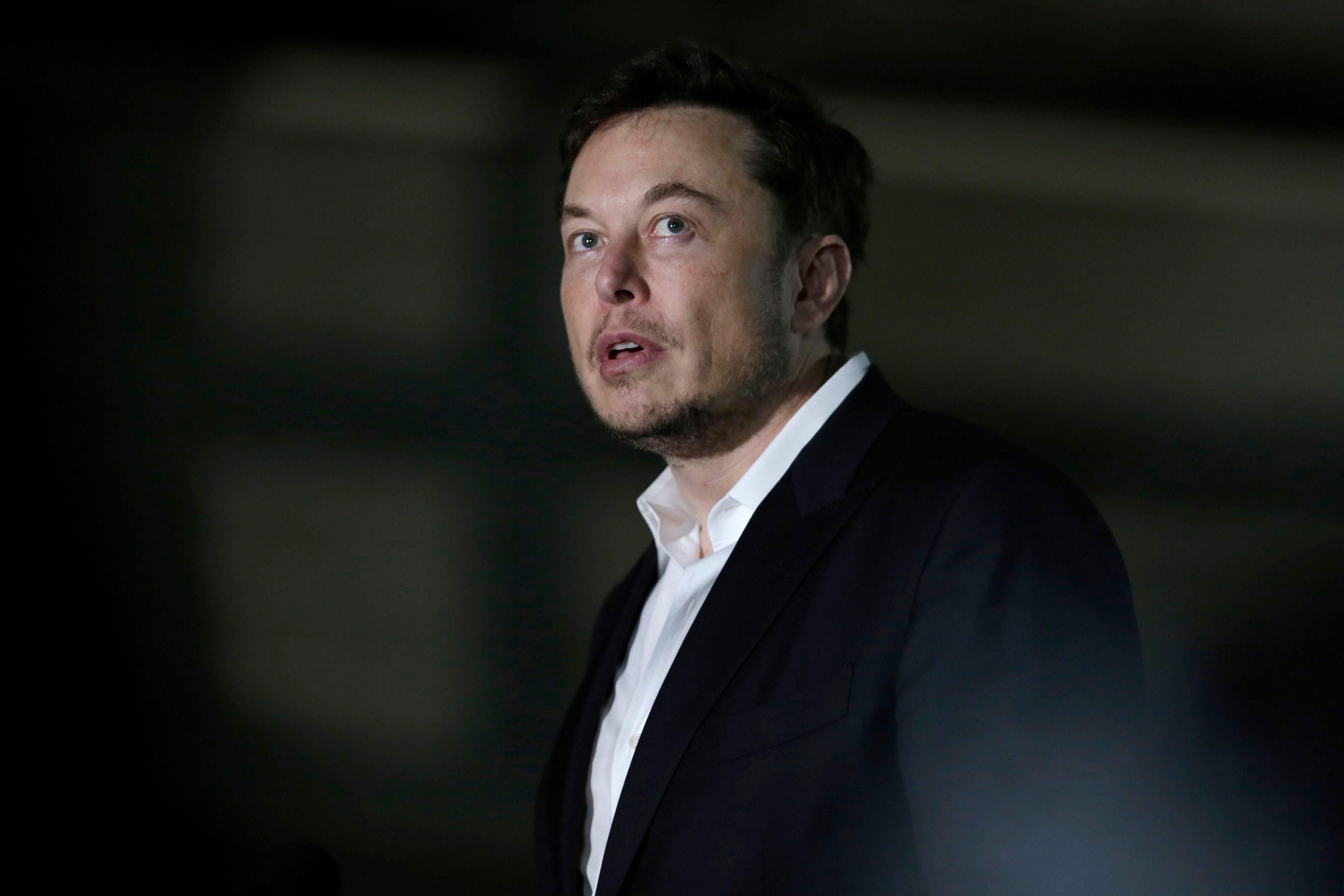
Shares of the EV maker fell by more than 14 percent, their biggest one-day drop since January 2012. The sell-off was prompted by Thursday's fraud charges filed by the SEC against CEO Elon Musk.
These are the headlines you Need 2 Know.
Shares of Tesla dropped after hours Thursday after the Securities and Exchange Commission filed a [lawsuit] (https://www.scribd.com/document/389617044/SEC-vs-MUSK#from_embed) against CEO Elon Musk in federal court, alleging that the billionaire founder committed securities fraud when he tweeted about taking the company private with "funding secured" on Aug. 7. In the complaint, the SEC seeks to bar Musk from being an officer of a public company.
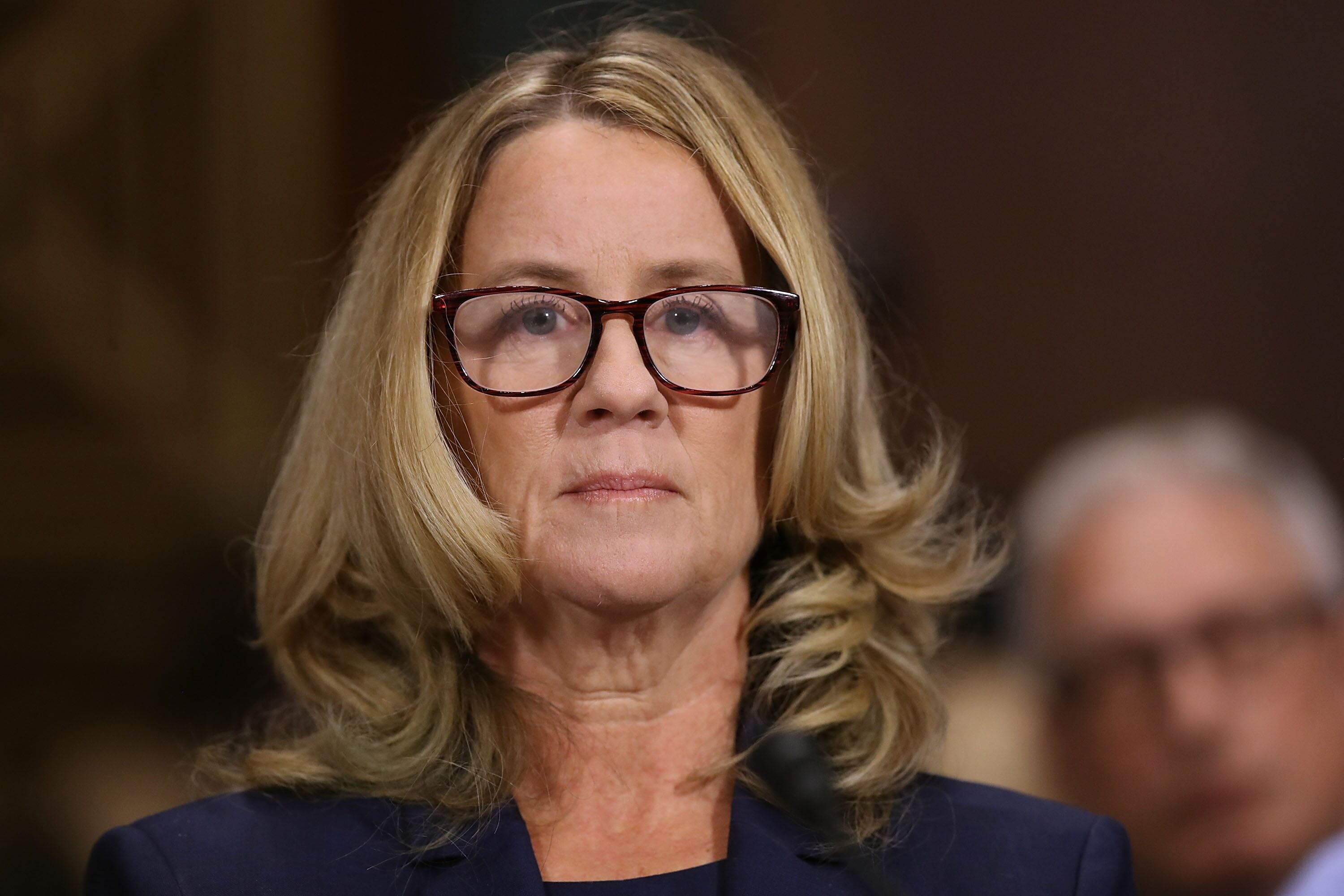
Supreme Court nominee Brett Kavanaugh was both furious and emotional in testimony Thursday afternoon in front of the Senate Judiciary Committee. He emphatically denied the sexual assault accusations against him, which were detailed from the same chair by Dr. Christine Blasey Ford earlier in the day.
"My family and my name have been totally and permanently destroyed," Kavanaugh said.
Rep. Nita Lowey played a key role in the Anita Hill hearings in 1991 when then-Supreme Court nominee Clarence Thomas was accused of sexual harassment. On Thursday, Lowey was present for Christine Blasey Ford's testimony about current nominee Brett Kavanaugh's alleged sexual assault and spoke of the differences between the two eras.
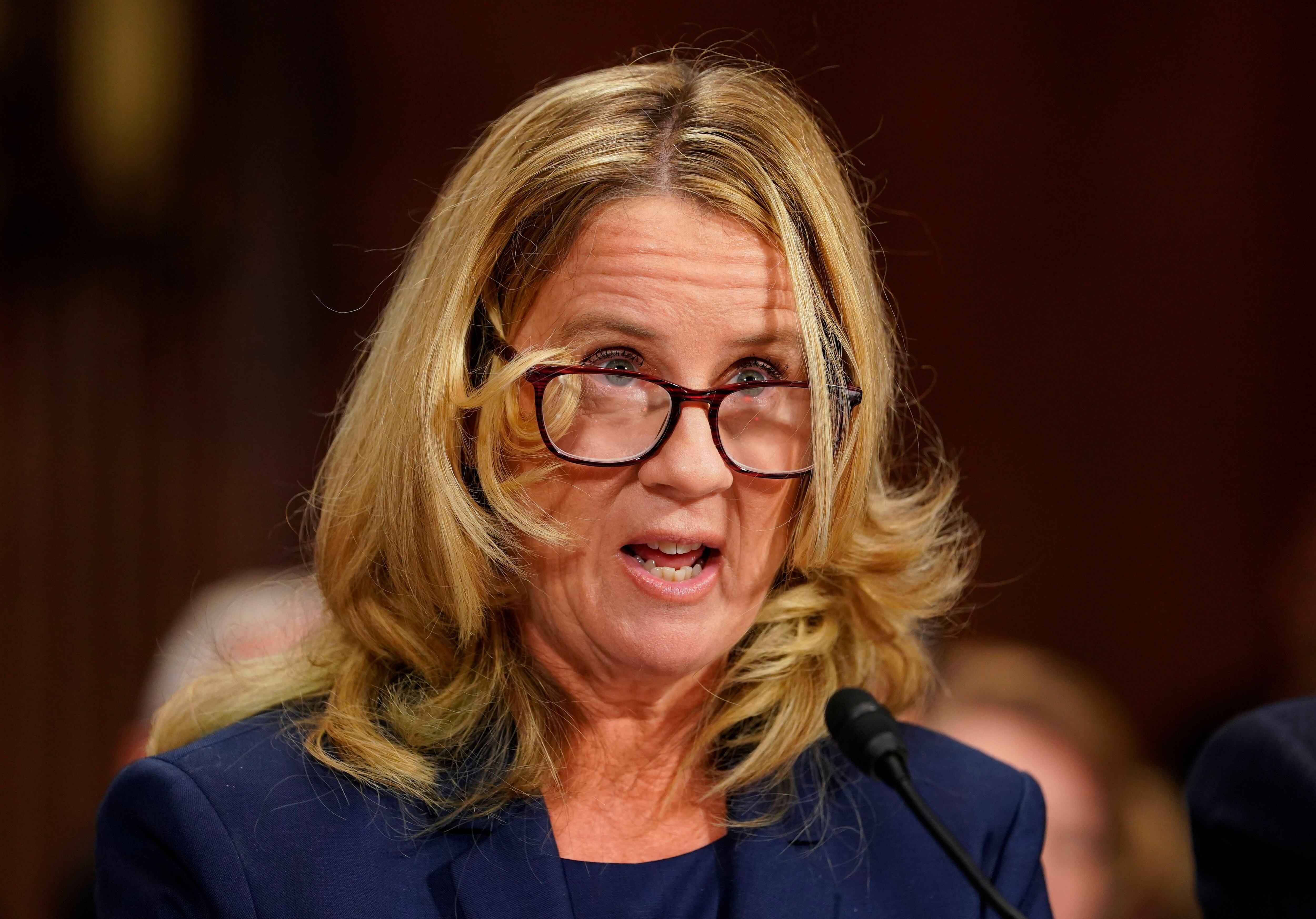
Prof. Christine Blasey Ford spoke to the Senate Judiciary Committee about her memories from the night of her alleged assault. She said the memory that has stuck with her the most is the laughter from Supreme Court nominee Brett Kavanaugh and Mark Judge as Kavanaugh was on top of her.
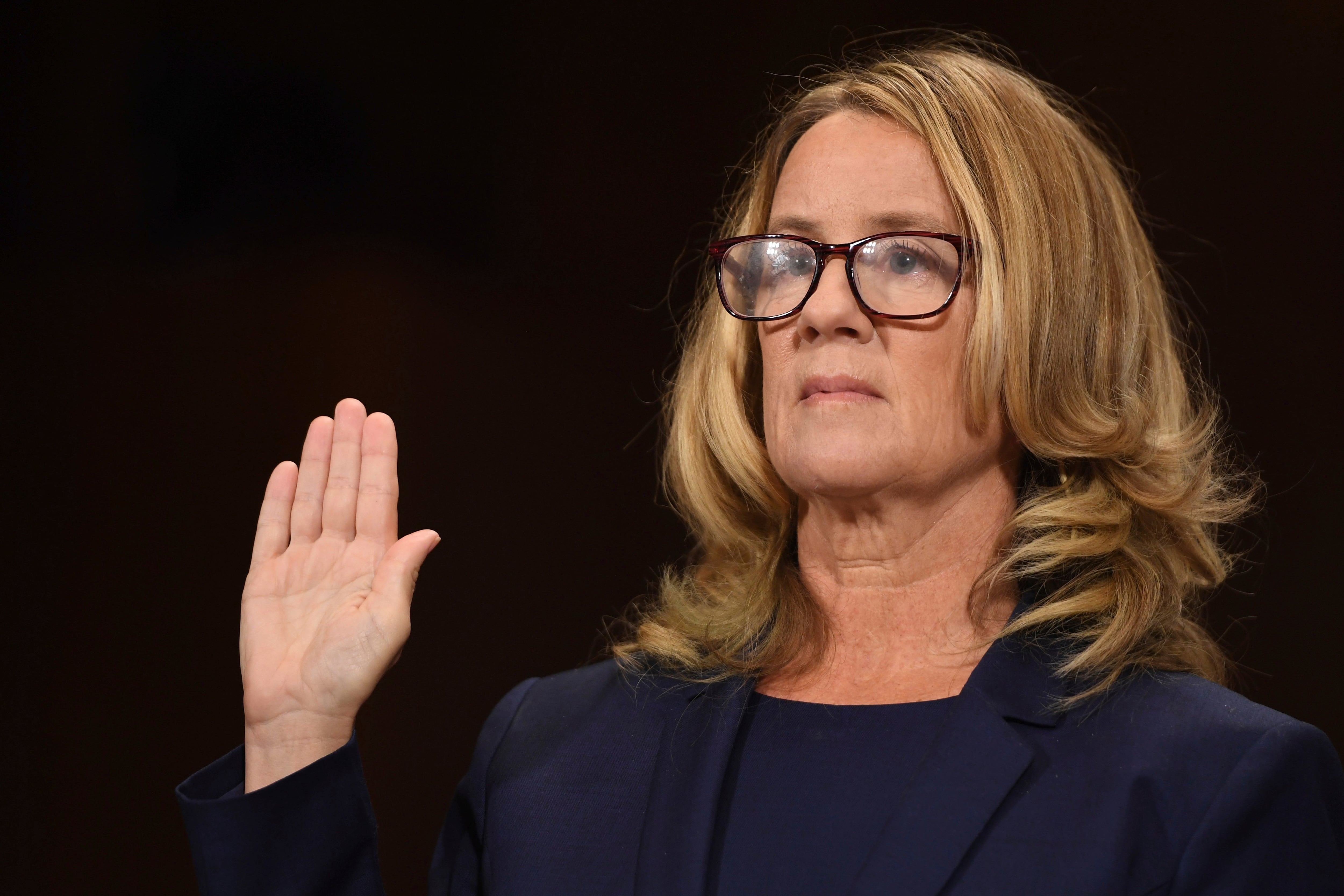
On Thursday morning Prof. Christine Blasey Ford appeared in front of the Senate Judiciary Committee to testify on her alleged sexual assault by Supreme Court nominee Brett Kavanaugh.
These are the headlines you Need 2 Know.