In Maryland, the Montgomery County Council has introduced a resolution deeming racism a public health crisis.
In an interview with Cheddar, councilmember Will Jawando says disparities the black community faces are staggering. Recent social uprisings might have lit the flame under Jawando to introduce the resolution but the issue of racial inequality goes back hundreds of years, he said.
"Racism is the direct result, for 401 years, we've been either property or legally discriminated against for most of that time," Jawando told Cheddar.
In Montgomery County, systemic racism is not limited to just over-assertive and sometimes lethal policing of the black community, he said. It's also running rampant in the healthcare system. As COVID-19 continues to ravage communities of color nationwide, 18 percent of the black population in his county makes up a quarter of the deaths related to the virus.
For Jawando, racism in the Washington DC suburb is simply a reflection of society on a smaller scale.
"If you look at maternal health and childbirth, black women die at three times the rate," he said. "When they come in with problems, often doctors — look at Serena Williams — don't believe that they're sick."
Introducing the resolution, which he expects to pass next week, is a first step for curing the public health crisis in his county, Jawando said, but he hopes the measure is eventually recognized on both the state and federal levels. He also supports other methods of combating racism including the growing call to defund police departments nationwide.
"We shouldn't have stats driven by policing," he explained. "De-escalation, that should be rewarded just as much as we reward arrests and tickets."
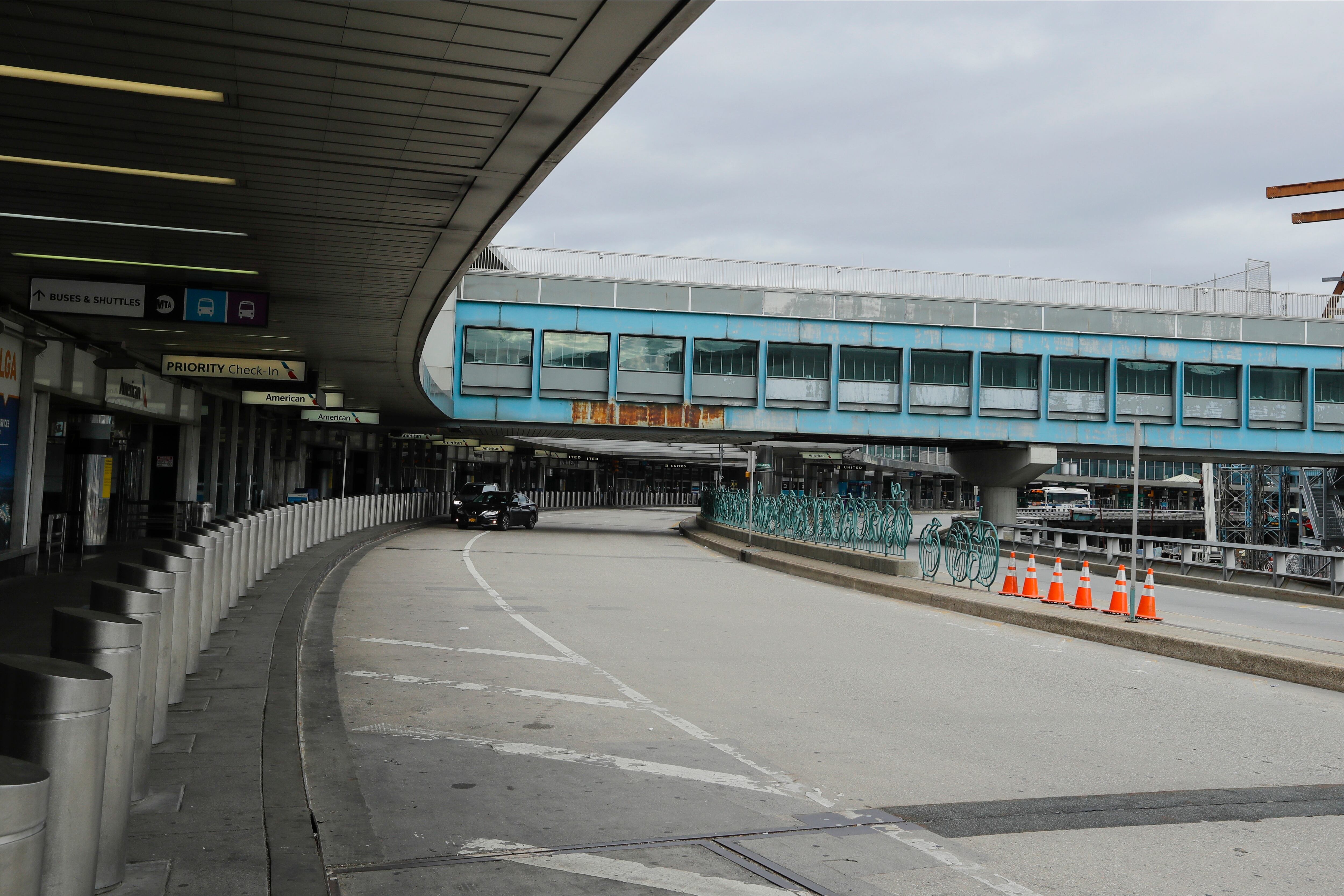
The Transportation Department on Tuesday finalized guidance requiring airlines to maintain a minimum level of service to be eligible for some $50 billion in federal aid that was included in the $2 trillion relief package that President Trump signed March 2
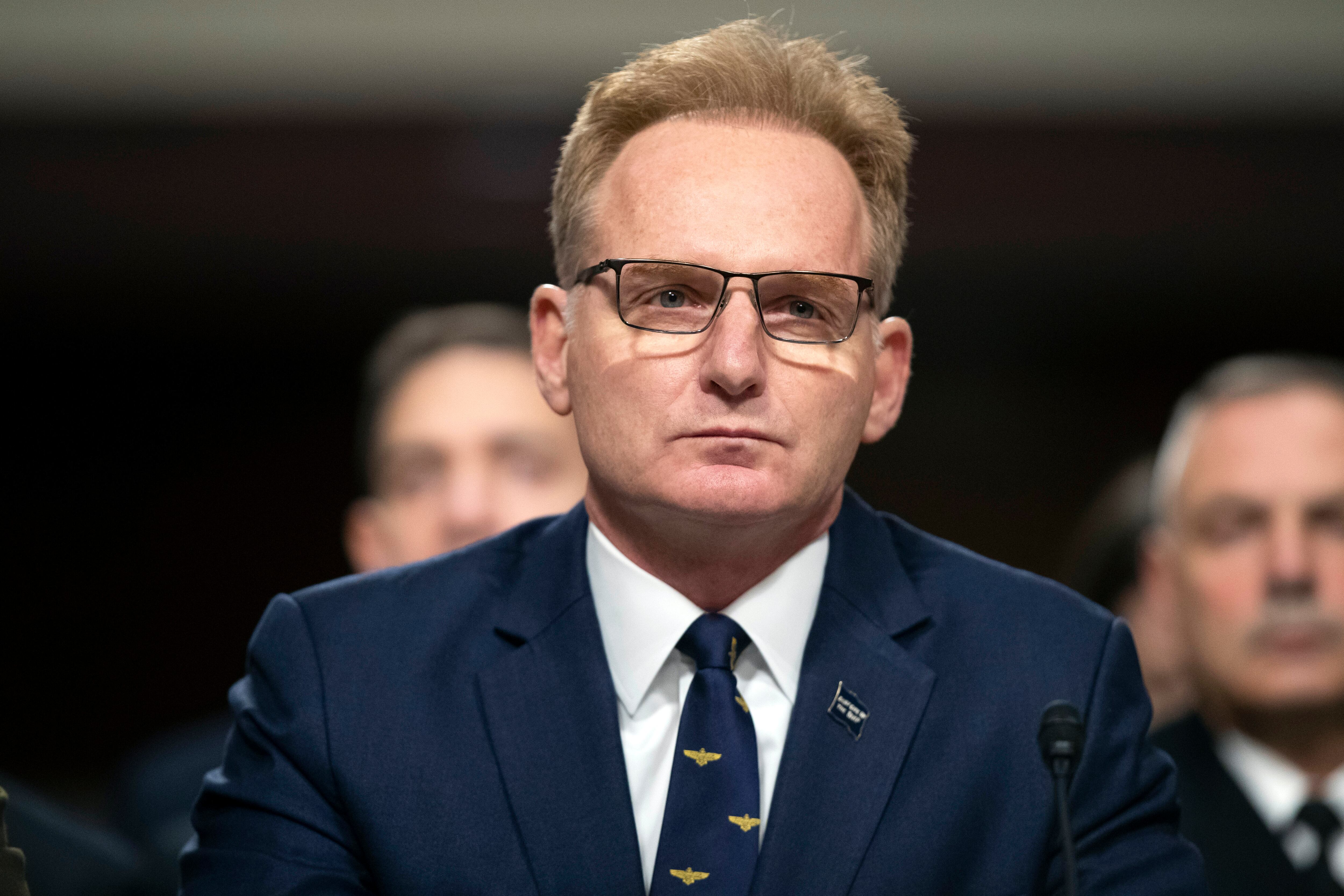
The Navy's acting secretary has been forced to apologize after a profanity-laden broadside in which he called the fired commander of the coronavirus-stricken USS Theodore Roosevelt "too naive or too stupid.”
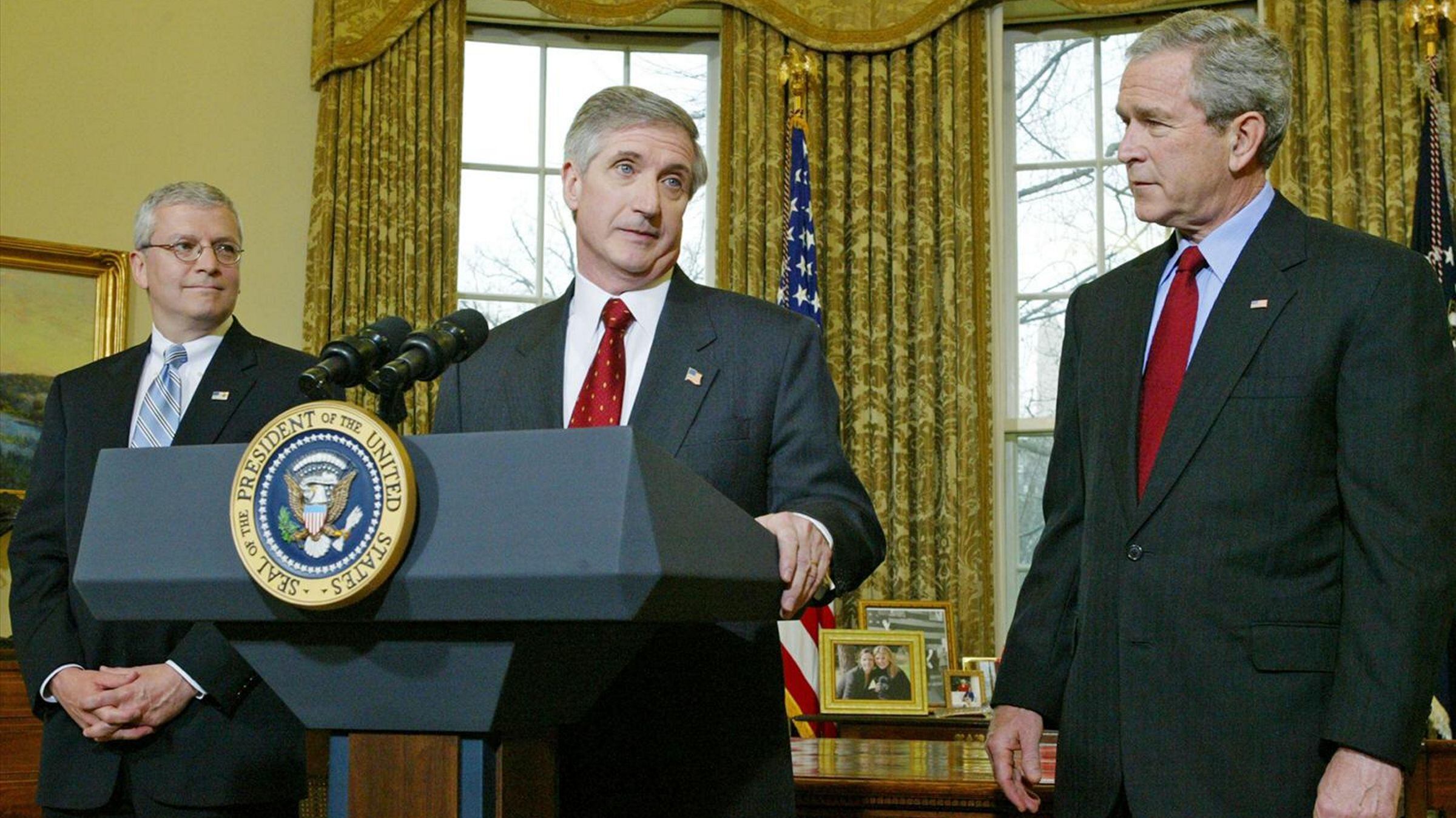
Andy Card, the White House chief of staff who famously informed President George W. Bush of the Sept. 11, 2001 attacks, offered some pointers on how to handle a national crisis.
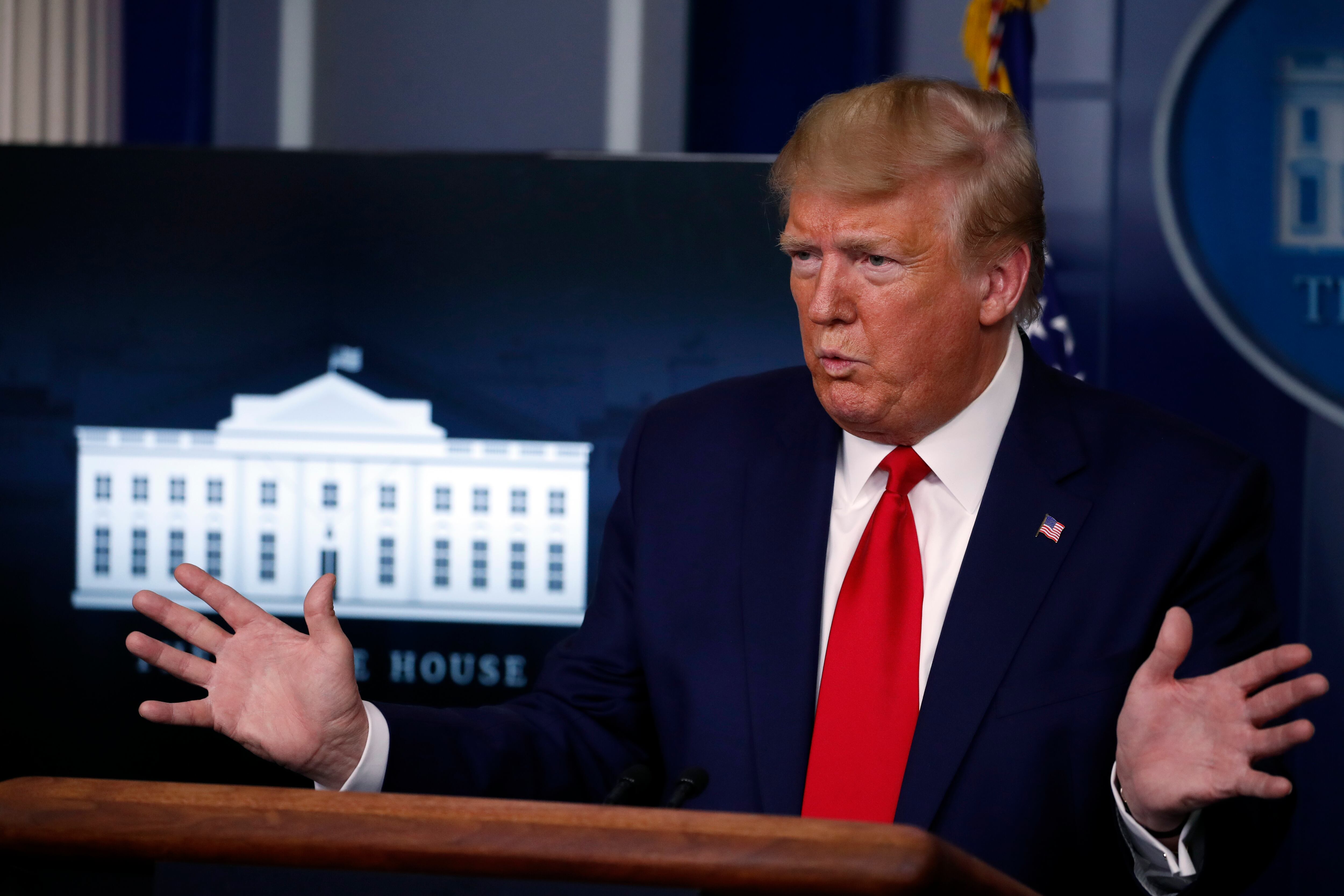
President Donald Trump on Monday disputed the veracity of a federal survey that found hospitals faced severe shortages of coronavirus test supplies, questioning whether its conclusions were skewed by politics.
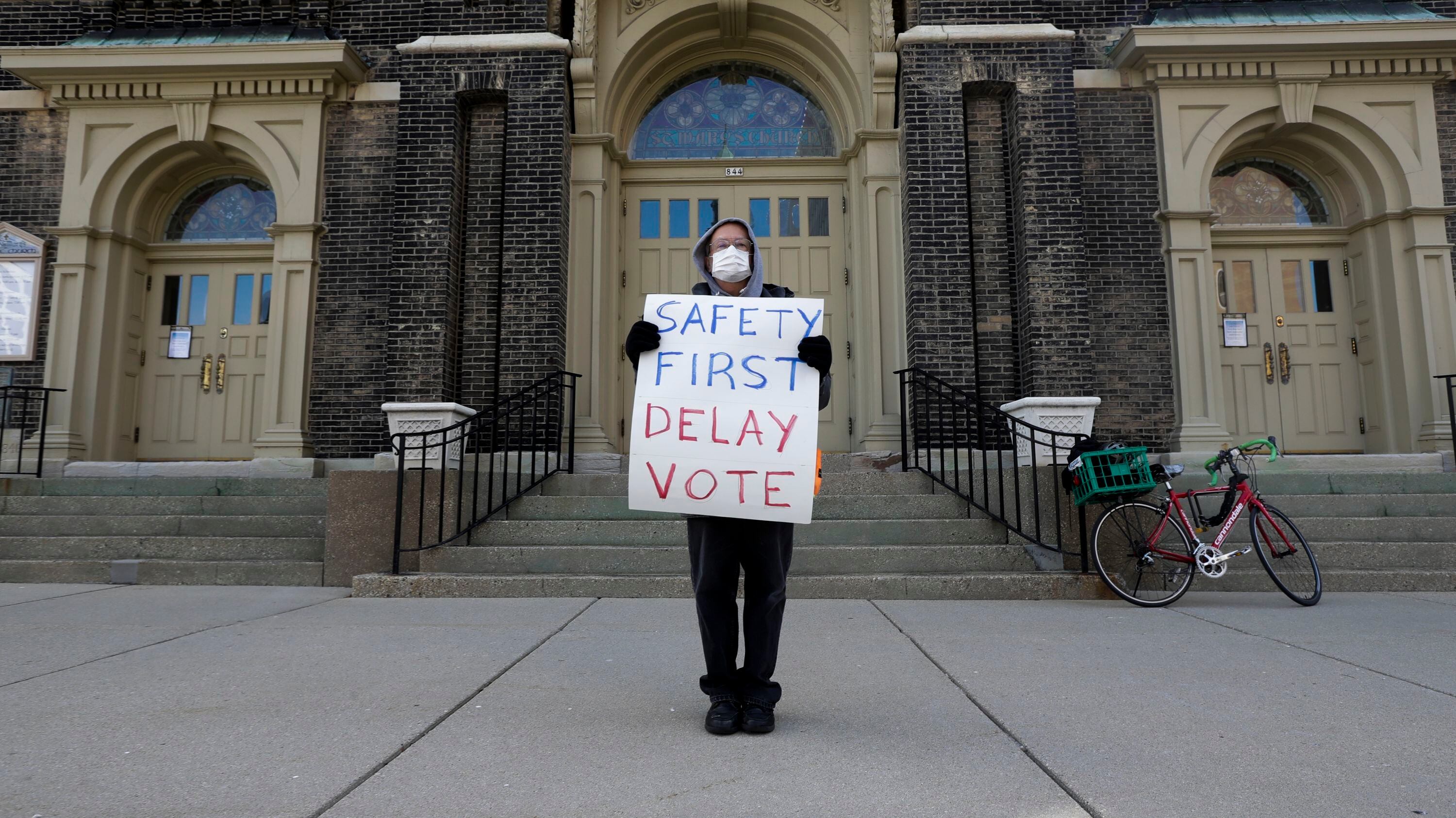
Wisconsin’s presidential primary election will proceed Tuesday under an order from the state Supreme Court that came just hours after Democratic Gov. Tony Evers tried to postpone voting as part of a last-ditch effort amid growing fears over the coronavirus.
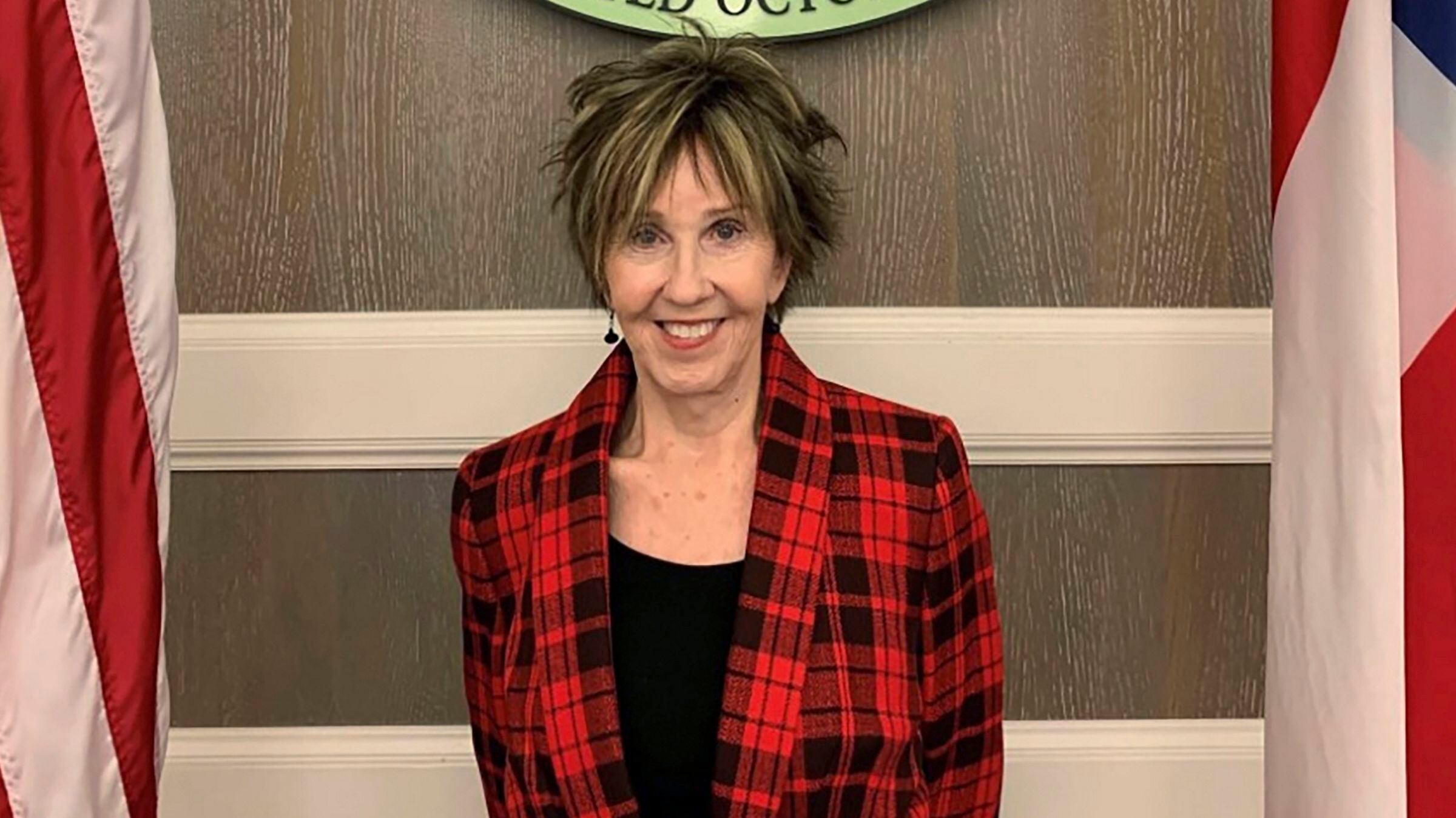
The city's Mayor Shirley Sessions, who called the governor's decision "reckless," told Cheddar Monday that she vows to fight back against this exception to his mandate.
New Jersey Gov. Phil Murphy delivered a message of cautious optimism on Monday while relaying the latest COVID-19 data gathered by the state.
Announcing 599 deaths in the last 24 hours, Cuomo called the fatality number “effectively flat for two days,” which he said hints at a possible flattening of New York’s curve, along with fewer hospital and ICU admissions
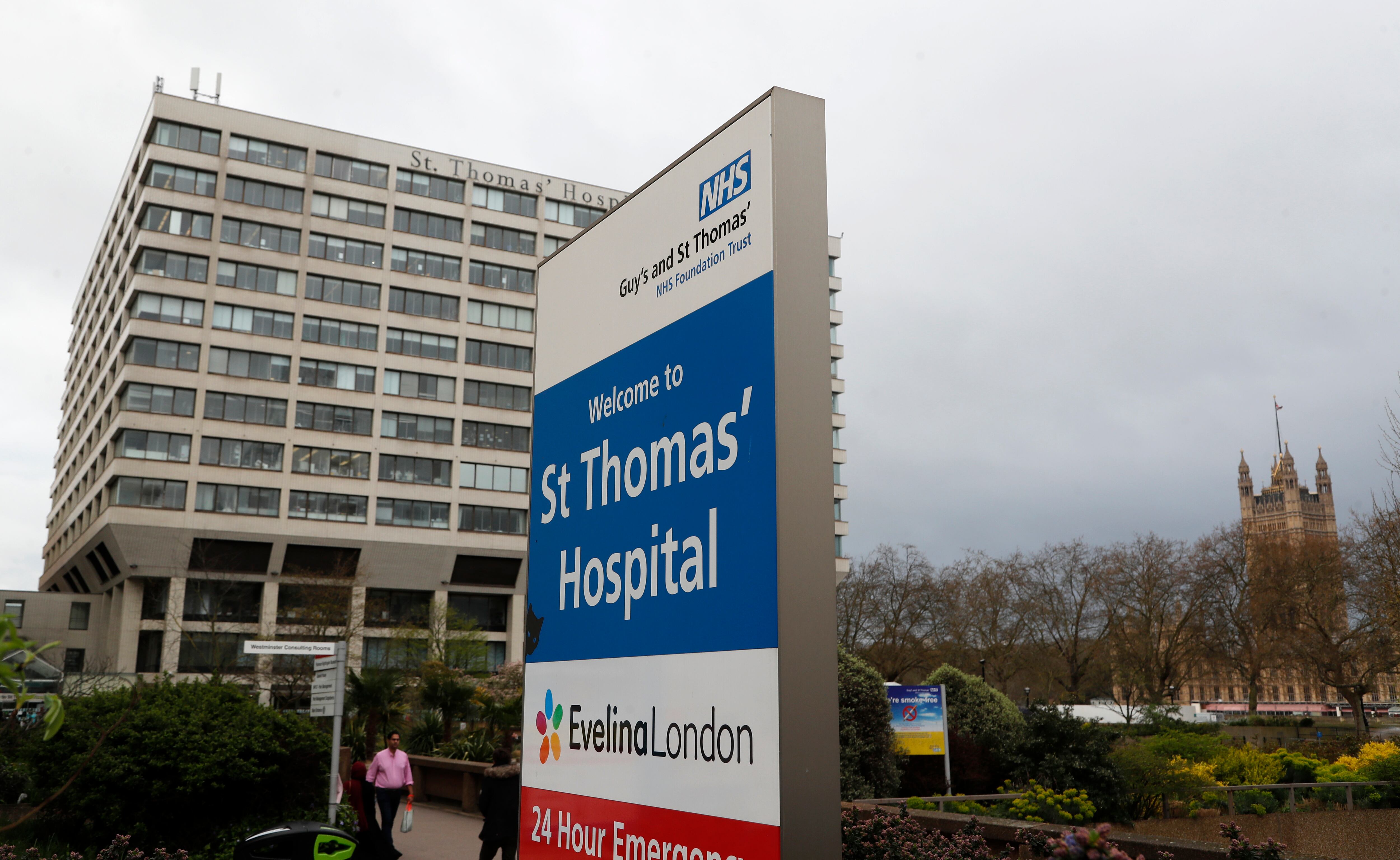
British Prime Minister Boris Johnson was moved to the intensive care unit of a London hospital after his coronavirus symptoms worsened Monday, just a day after he was admitted for what were said to be routine tests.
A look at the provisions for student loans in the recently passed CARES Act.