In Maryland, the Montgomery County Council has introduced a resolution deeming racism a public health crisis.
In an interview with Cheddar, councilmember Will Jawando says disparities the black community faces are staggering. Recent social uprisings might have lit the flame under Jawando to introduce the resolution but the issue of racial inequality goes back hundreds of years, he said.
"Racism is the direct result, for 401 years, we've been either property or legally discriminated against for most of that time," Jawando told Cheddar.
In Montgomery County, systemic racism is not limited to just over-assertive and sometimes lethal policing of the black community, he said. It's also running rampant in the healthcare system. As COVID-19 continues to ravage communities of color nationwide, 18 percent of the black population in his county makes up a quarter of the deaths related to the virus.
For Jawando, racism in the Washington DC suburb is simply a reflection of society on a smaller scale.
"If you look at maternal health and childbirth, black women die at three times the rate," he said. "When they come in with problems, often doctors — look at Serena Williams — don't believe that they're sick."
Introducing the resolution, which he expects to pass next week, is a first step for curing the public health crisis in his county, Jawando said, but he hopes the measure is eventually recognized on both the state and federal levels. He also supports other methods of combating racism including the growing call to defund police departments nationwide.
"We shouldn't have stats driven by policing," he explained. "De-escalation, that should be rewarded just as much as we reward arrests and tickets."
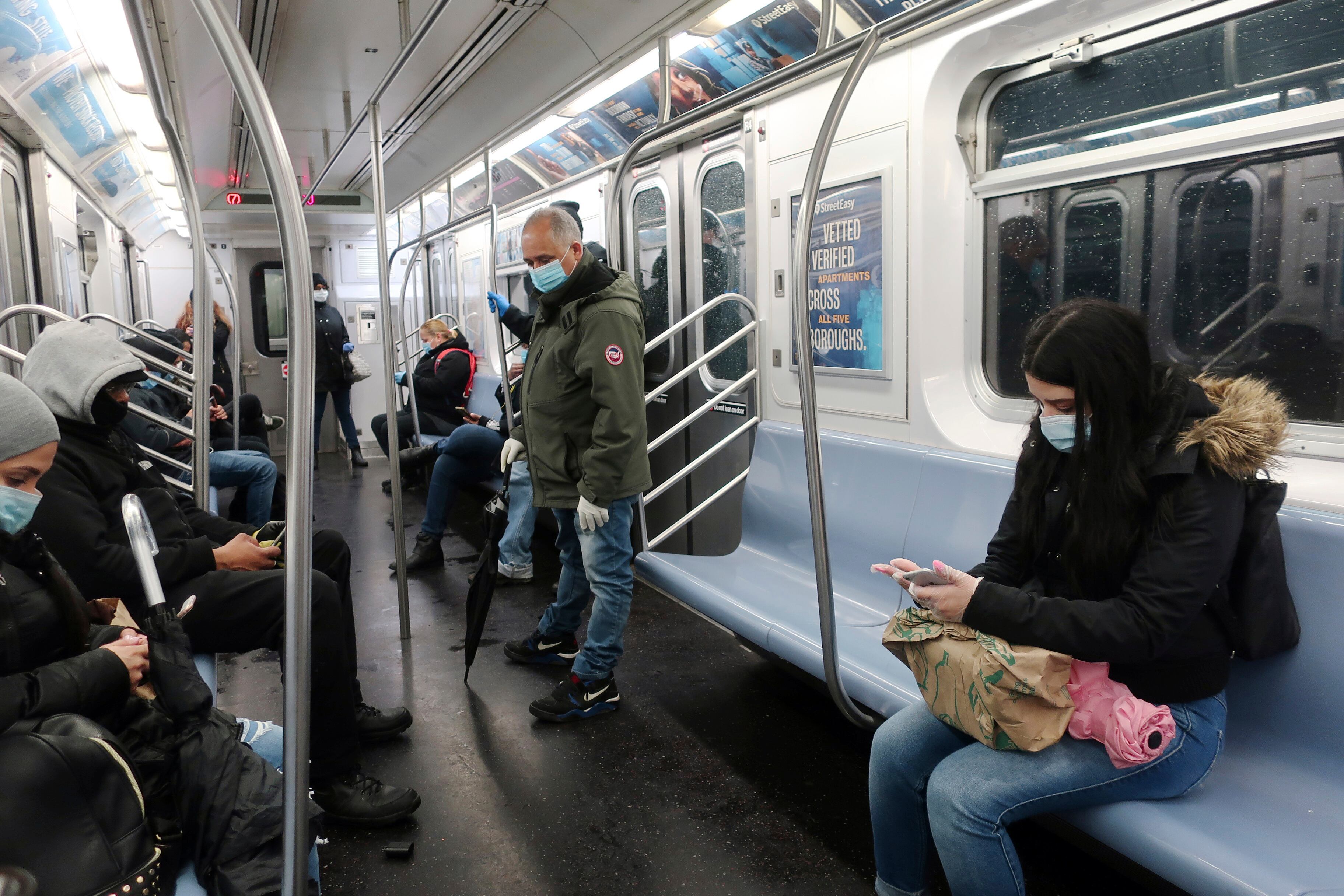
Tom Prendergast, the former chairman of the MTA, spoke to Cheddar to offer advice and possible solutions to the paradox of how to run the country's largest public transit network at levels that would help NYC "reopen," while also keeping the millions of daily riders safe.
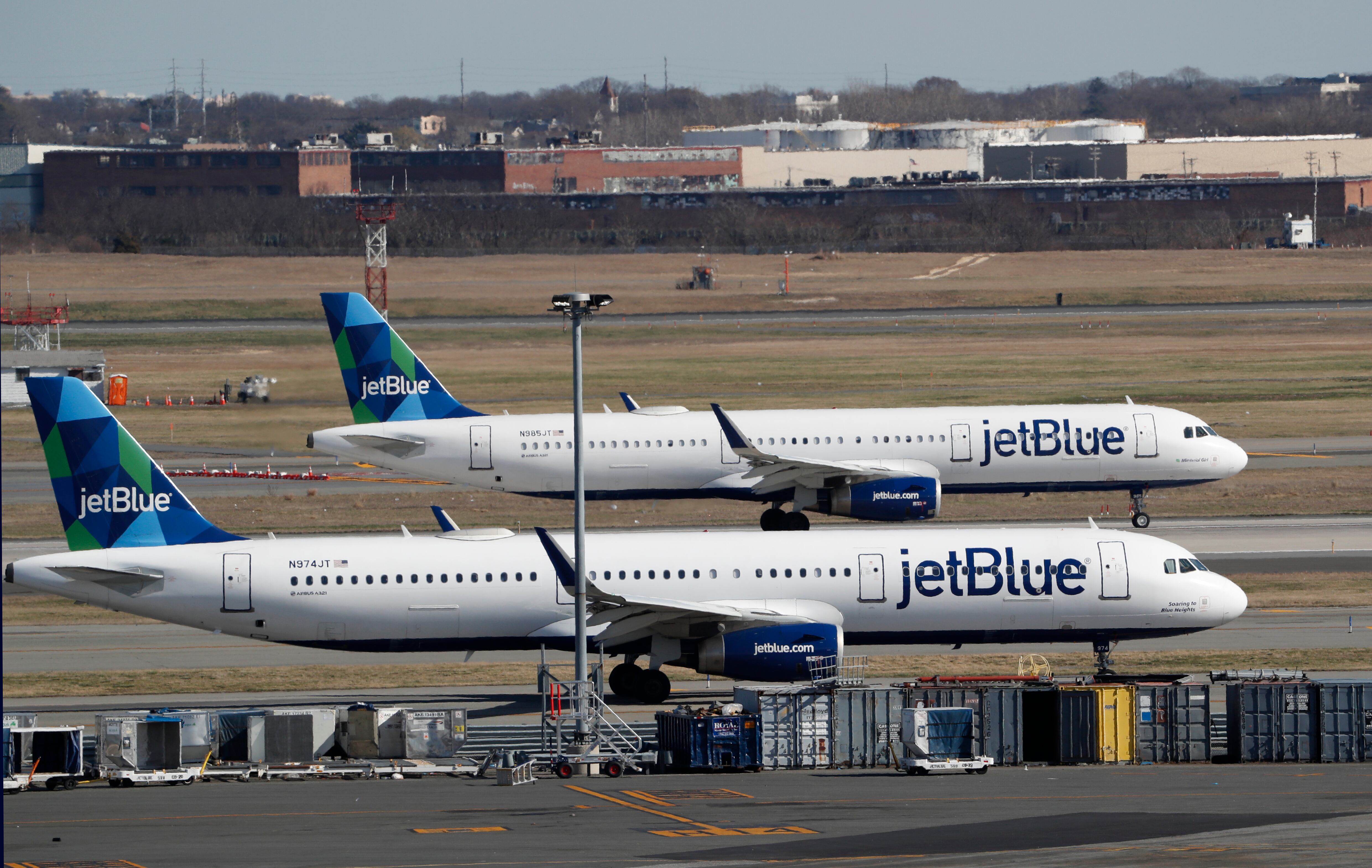
JetBlue Chairman Joel Peterson said he hoped to avoid furloughs and pay cuts that have been announced by other airlines such as United that would take place after a federally imposed deadline as a stipulation of the airline bailouts.
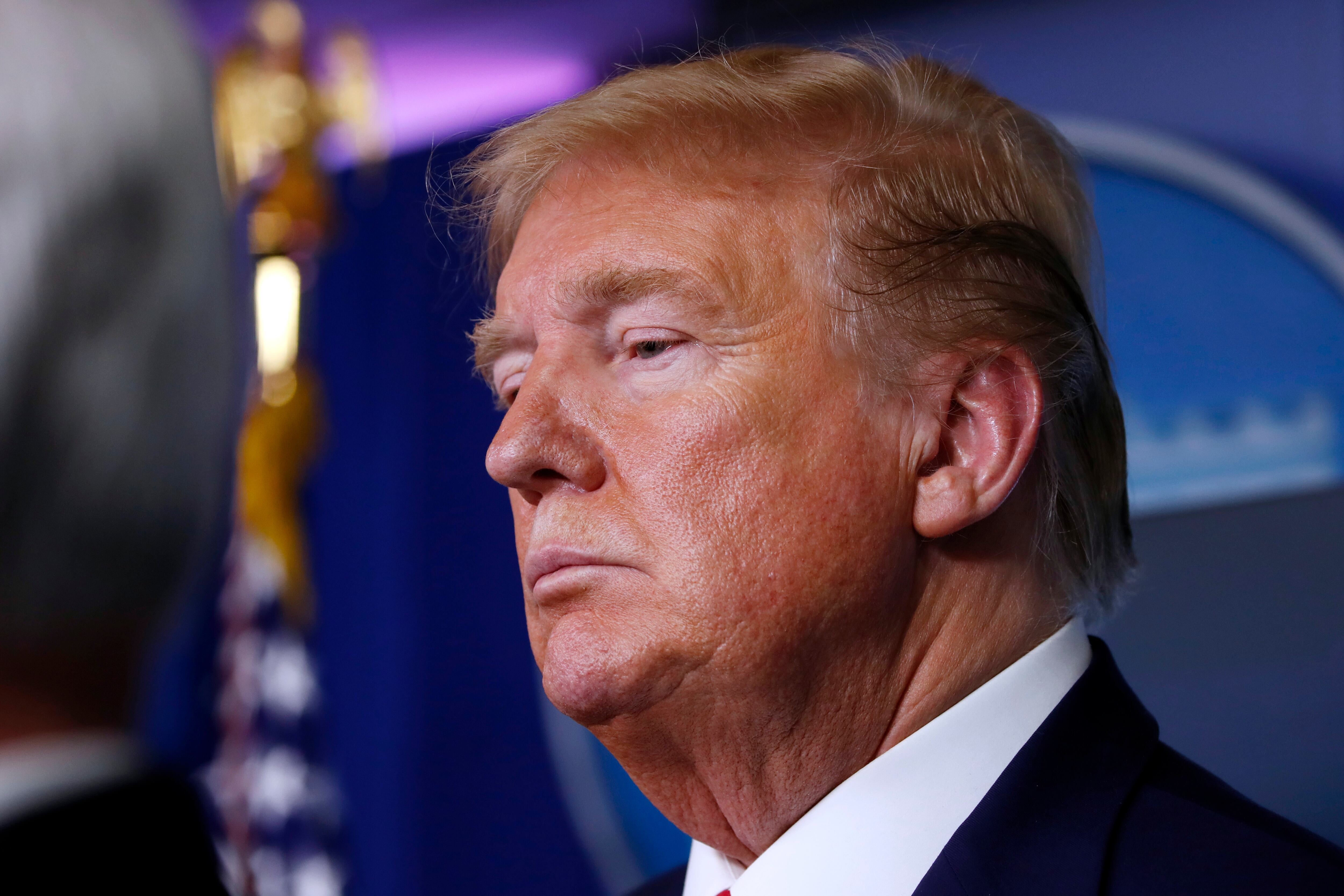
President Donald Trump said that he will sign an executive order “to temporarily suspend immigration into the United States” because of the coronavirus.
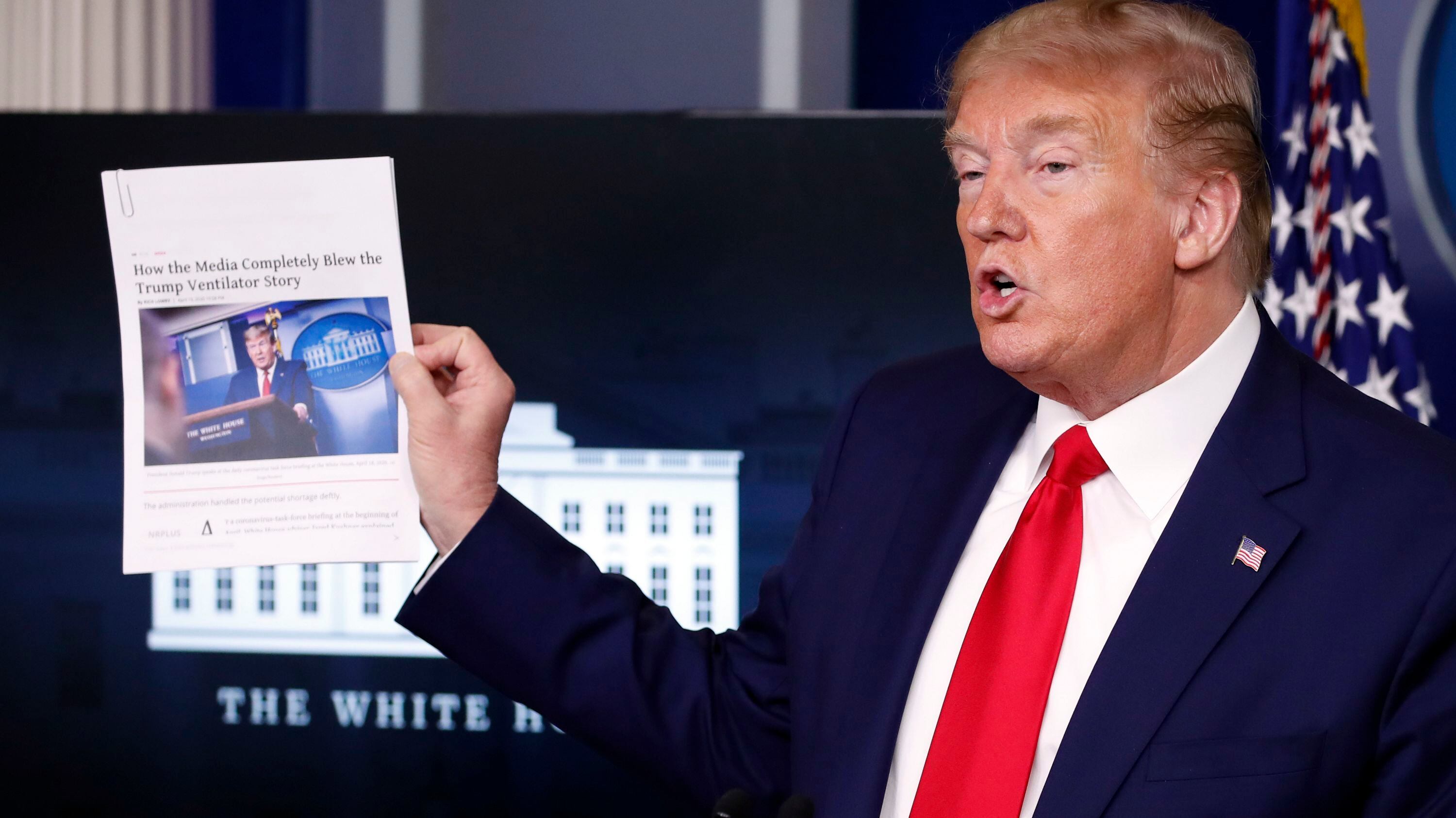
A chorus of governors from both parties pushed back hard Monday after President Donald Trump accused Democrats of playing “a very dangerous political game” by insisting there is a shortage of tests for coronavirus. The governors countered that the White House must do more to help states do the testing that's needed before they can ease up on stay-at-home orders.
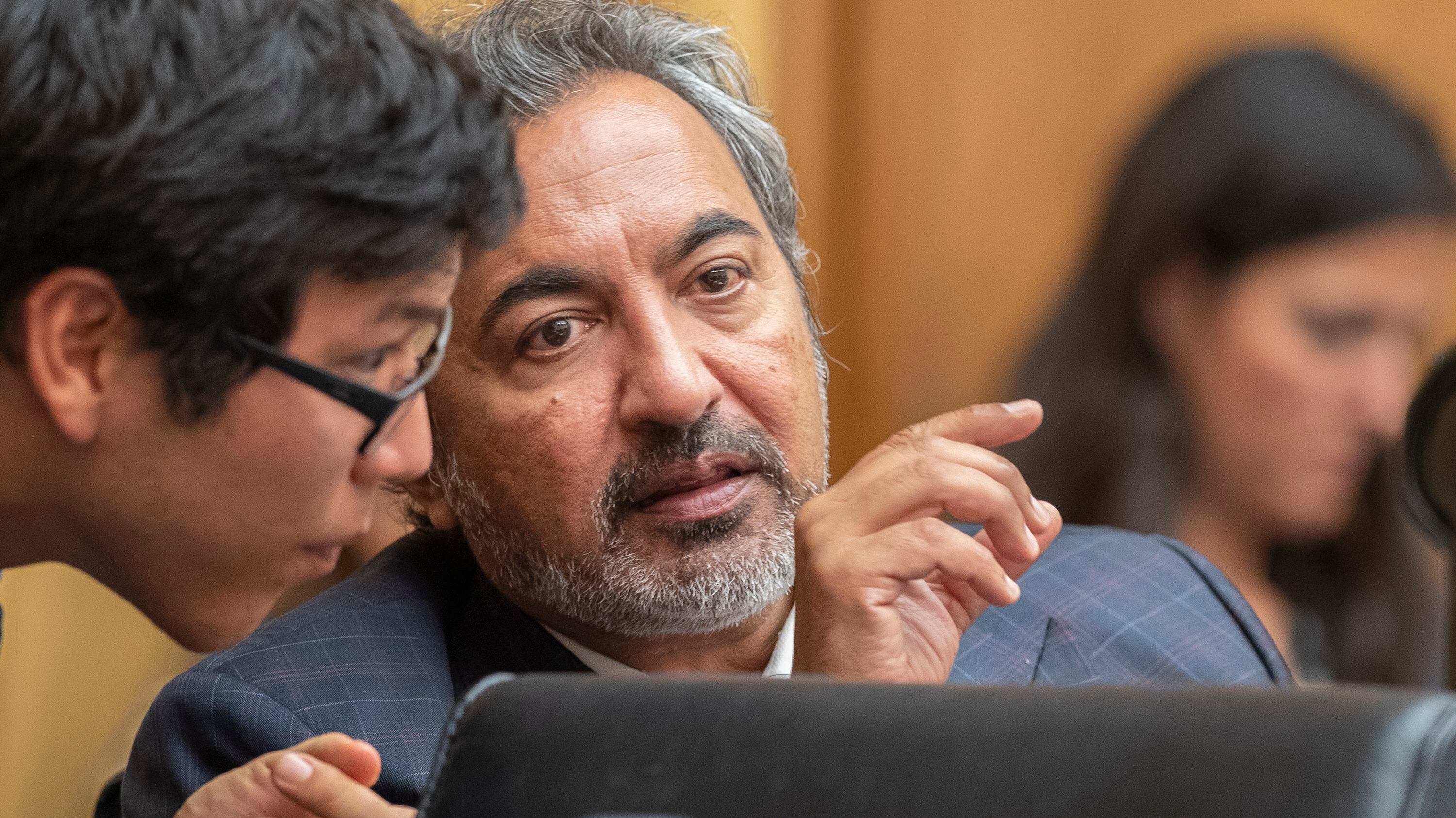
Rep. Ami Bera (D-Calif. 7th District), a doctor himself, added his voice to the chorus of experts on Monday, giving the commander-in-chief a C-minus.
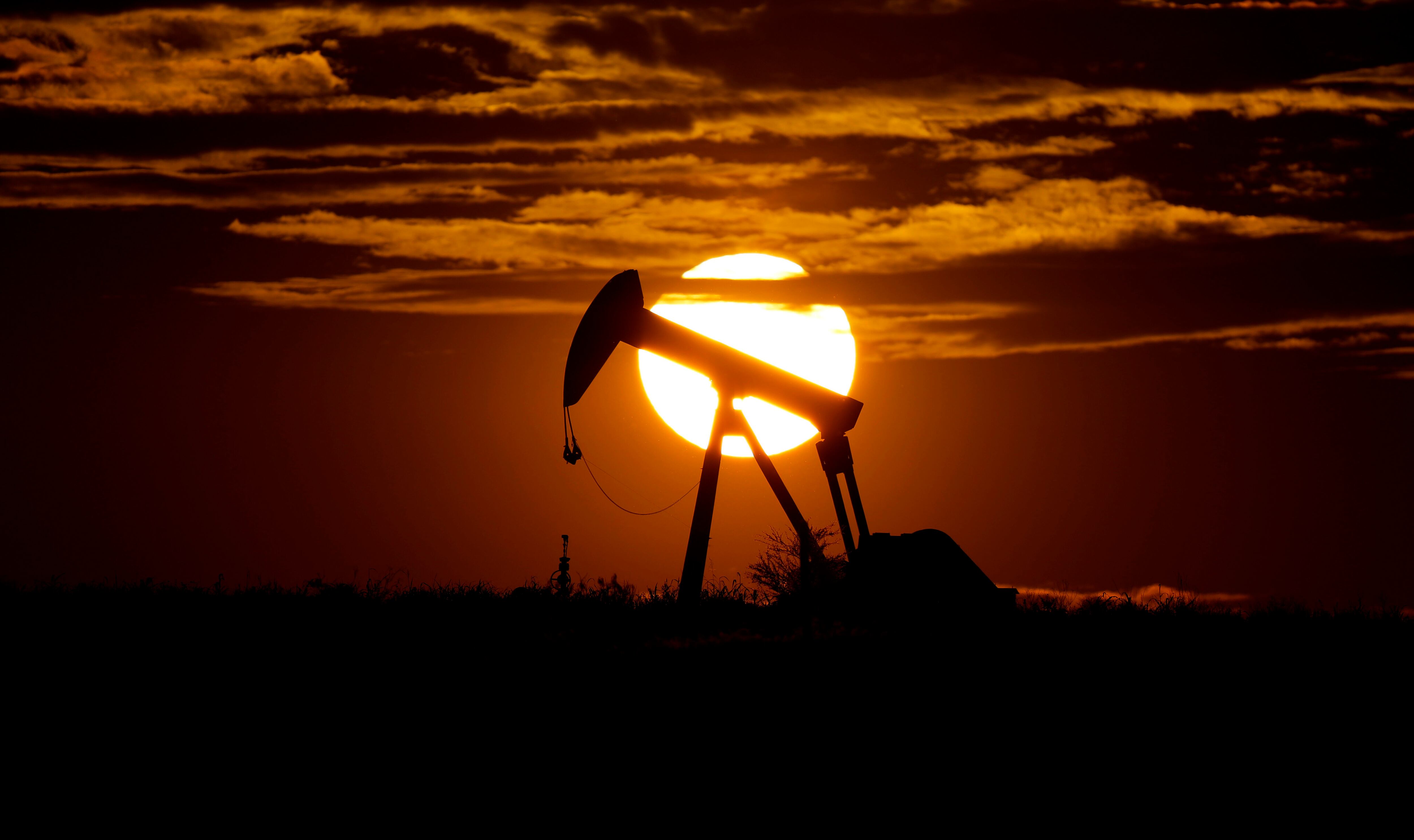
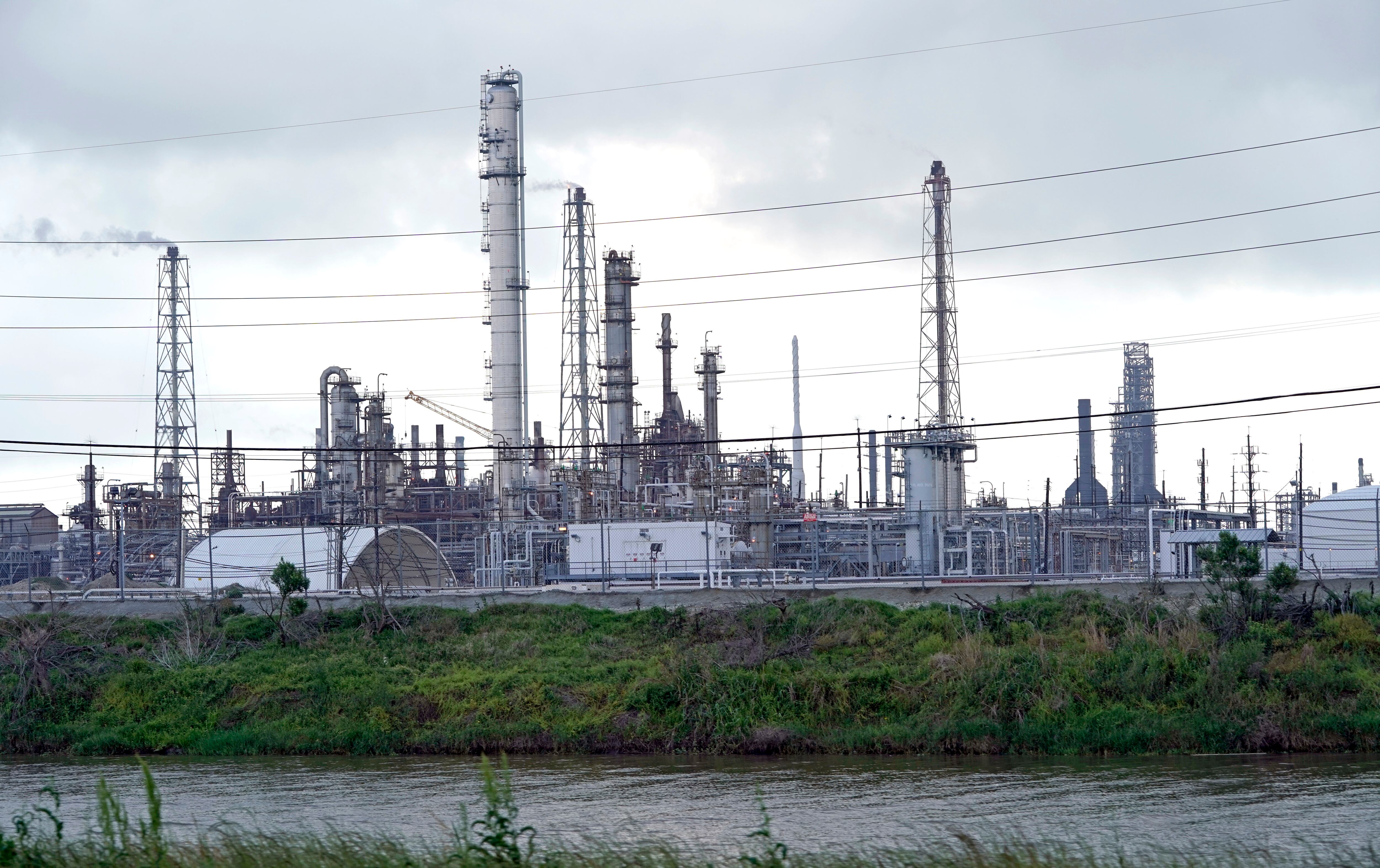
Oil prices plunged below zero on Monday as demand for energy collapses amid the coronavirus pandemic and traders didn’t want to get stuck owning crude oil with nowhere to store it. A barrel of benchmark U.S. oil for May delivery fell to negative $3.70 per barrel.
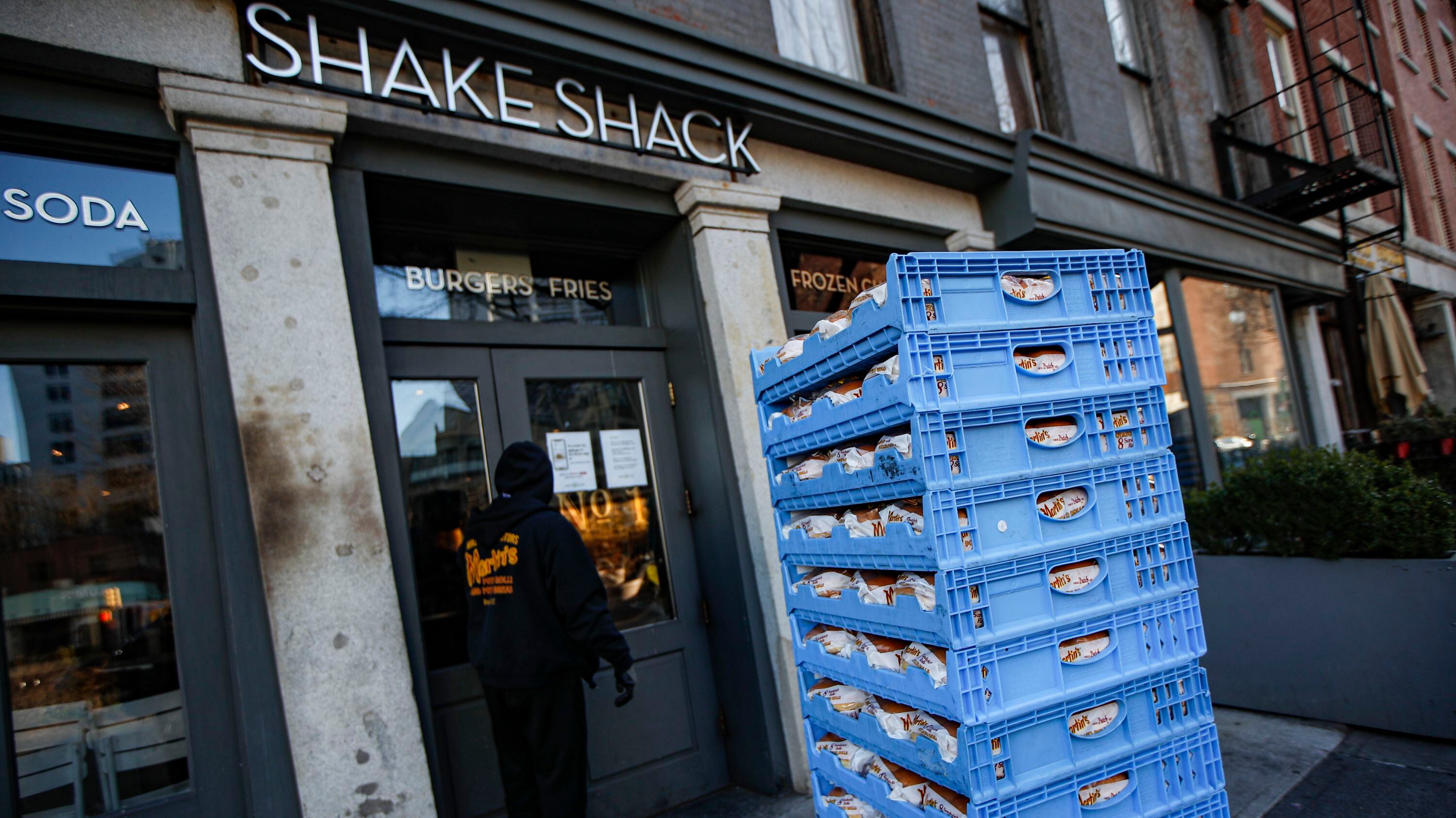
Shake Shack, one of the chains that received money, said Monday it will return its loan to give smaller restaurants a chance to get government money. Congress and the White House are close to an agreement that would add $300 billion to the program.
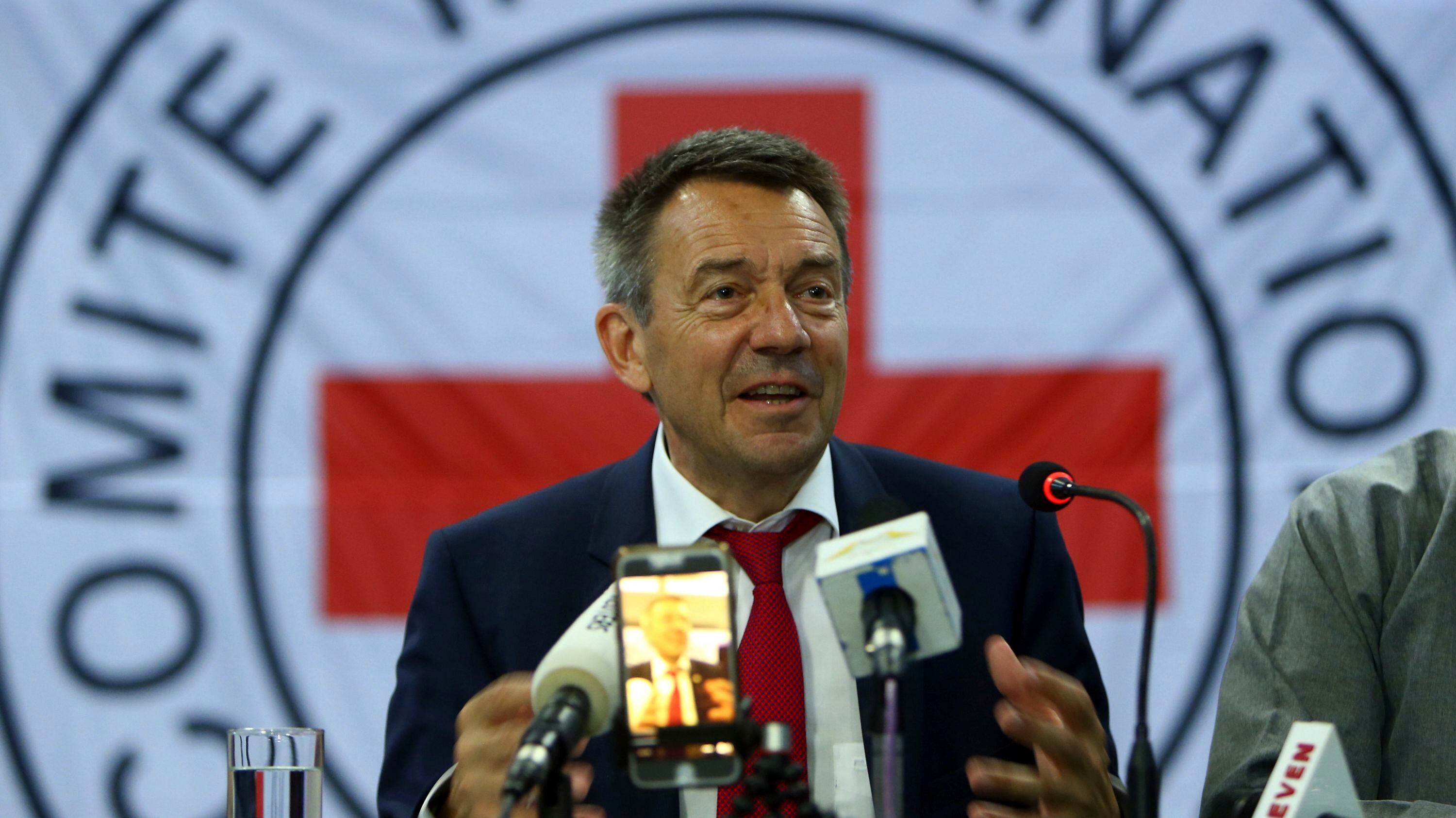
Peter Maurer, president of the International Committee of the Red Cross (ICRC), told Cheddar Monday that the countries that drew the most concerns could take this opportunity to build better health systems going forward.
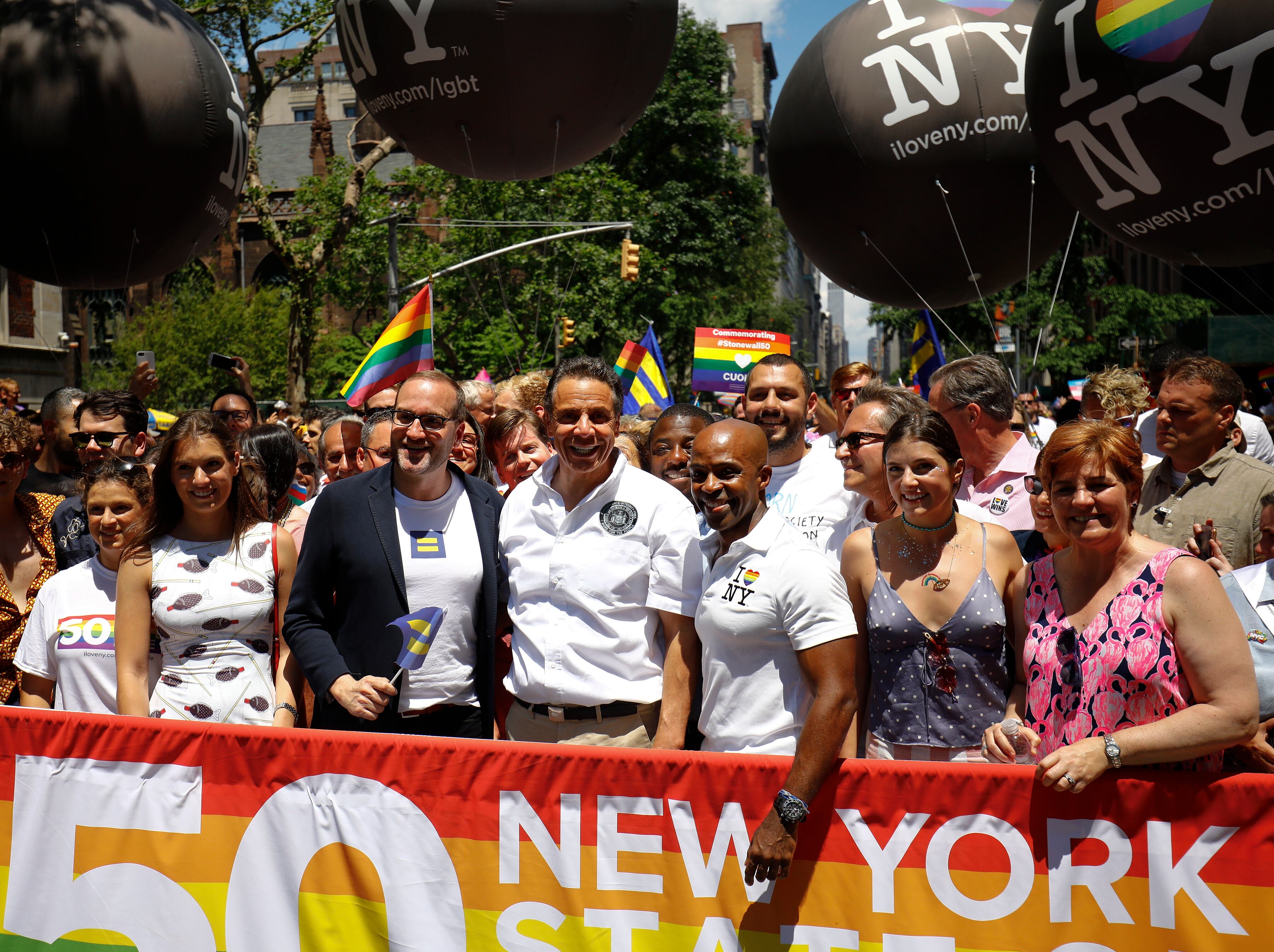
New York City won’t allow public events in June, including three of the city’s major annual celebrations: the National Puerto Rican Day Parade, the Celebrate Israel parade, and the Pride parade on its 50th anniversary.
Stocks are falling in early trading on Wall Street as oil prices collapse and momentum from a recent rally faded. Crude prices are plummeting amid concerns that storage facilities are close to being full.