In Maryland, the Montgomery County Council has introduced a resolution deeming racism a public health crisis.
In an interview with Cheddar, councilmember Will Jawando says disparities the black community faces are staggering. Recent social uprisings might have lit the flame under Jawando to introduce the resolution but the issue of racial inequality goes back hundreds of years, he said.
"Racism is the direct result, for 401 years, we've been either property or legally discriminated against for most of that time," Jawando told Cheddar.
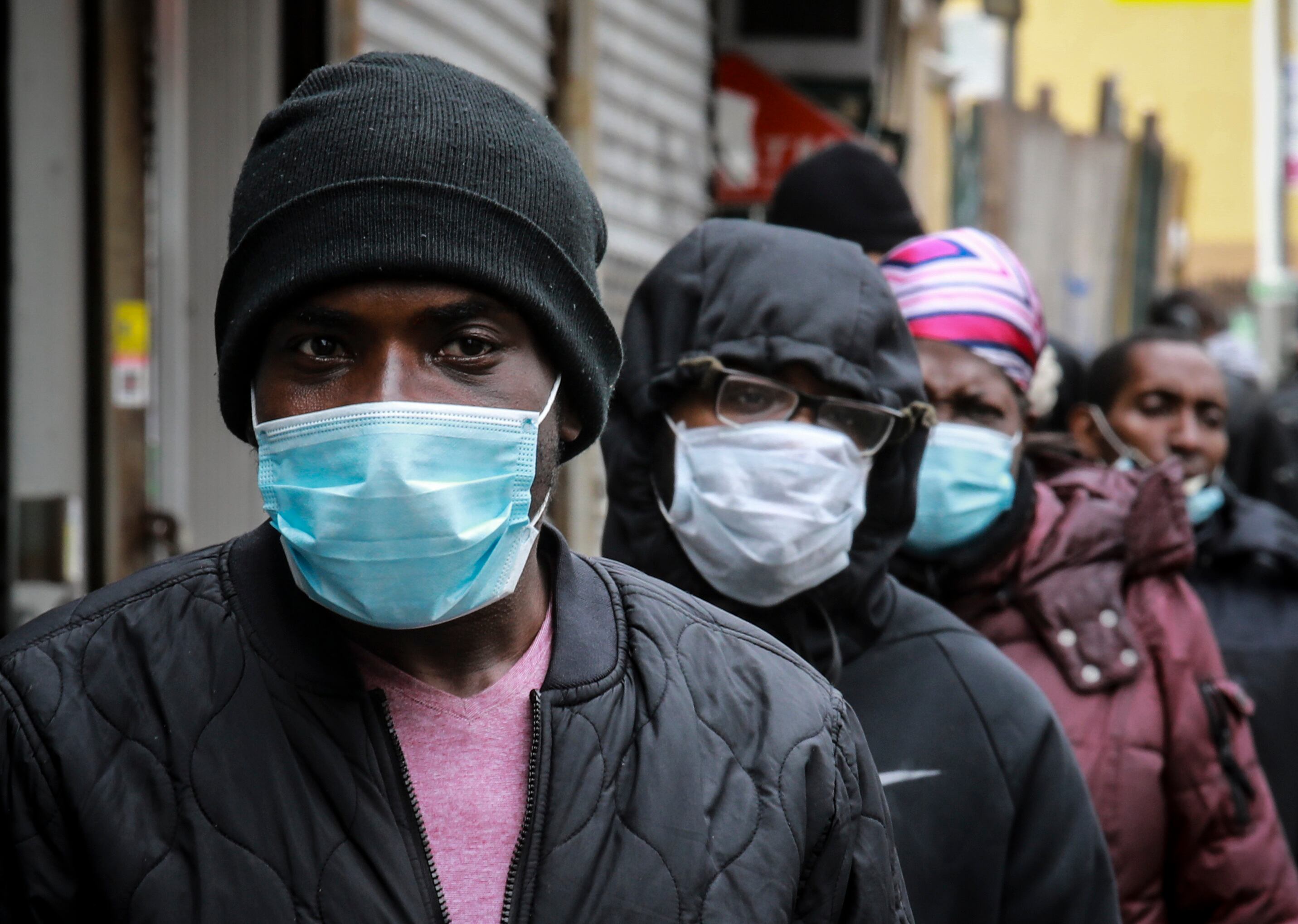
In Montgomery County, systemic racism is not limited to just over-assertive and sometimes lethal policing of the black community, he said. It's also running rampant in the healthcare system. As COVID-19 continues to ravage communities of color nationwide, 18 percent of the black population in his county makes up a quarter of the deaths related to the virus.
For Jawando, racism in the Washington DC suburb is simply a reflection of society on a smaller scale.
"If you look at maternal health and childbirth, black women die at three times the rate," he said. "When they come in with problems, often doctors — look at Serena Williams — don't believe that they're sick."
Introducing the resolution, which he expects to pass next week, is a first step for curing the public health crisis in his county, Jawando said, but he hopes the measure is eventually recognized on both the state and federal levels. He also supports other methods of combating racism including the growing call to defund police departments nationwide.
"We shouldn't have stats driven by policing," he explained. "De-escalation, that should be rewarded just as much as we reward arrests and tickets."
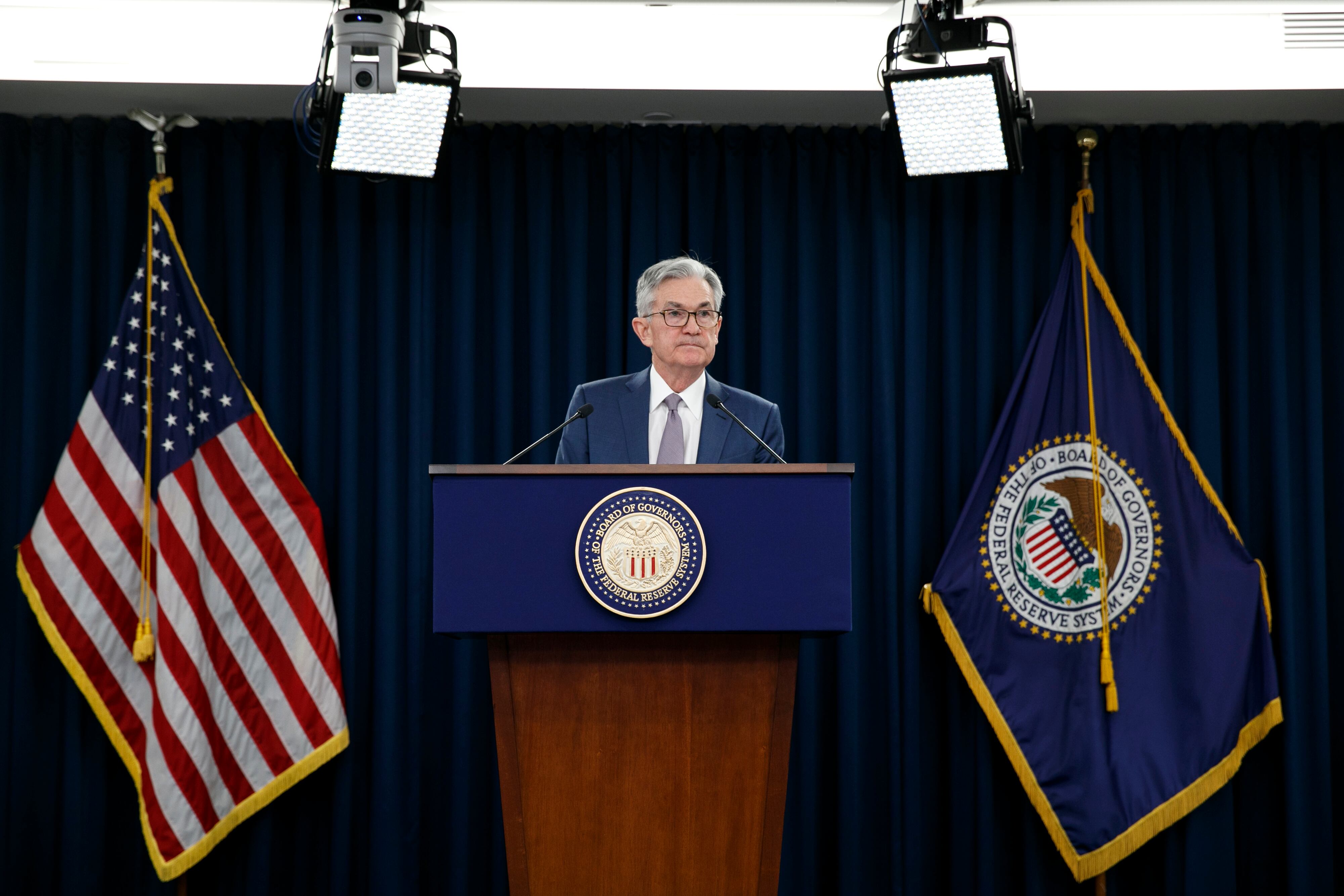
The Federal Reserve says it will keep its key short-term interest rate near zero for the foreseeable future as part of its extraordinary efforts to bolster an economy that is sinking into its worst crisis since the 1930s.
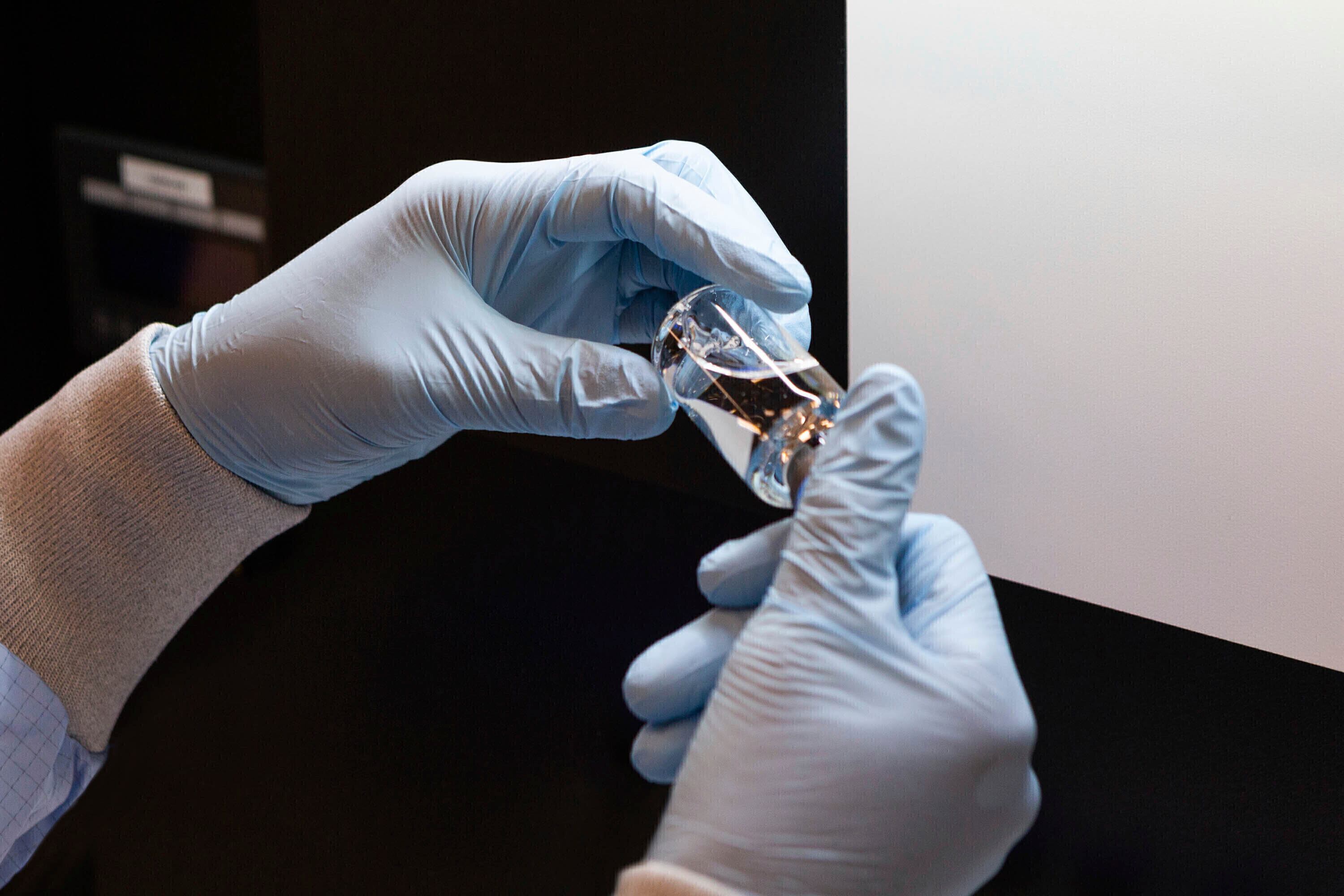
The National Institute of Allergy and Infectious Diseases (NIAID) on Wednesday announced the results of a study looking into a potential COVID-19 treatment that it says shows promise.
Julie Menin, director of New York City Census 2020, told Cheddar Wednesday that the pandemic is a stark reminder that the census is important.
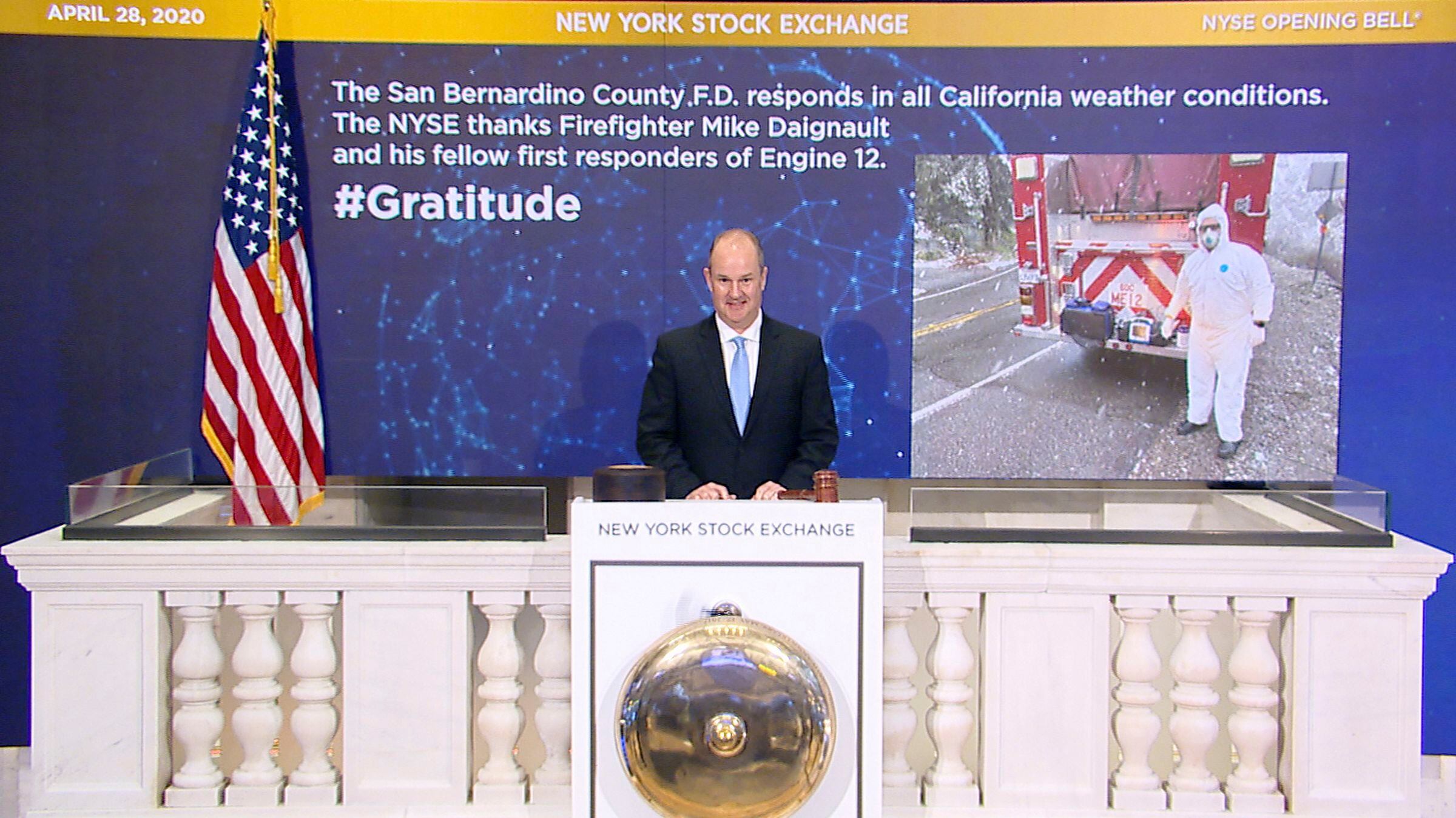
Stocks charged higher around the world Wednesday following an encouraging report on a possible treatment for COVID-19.
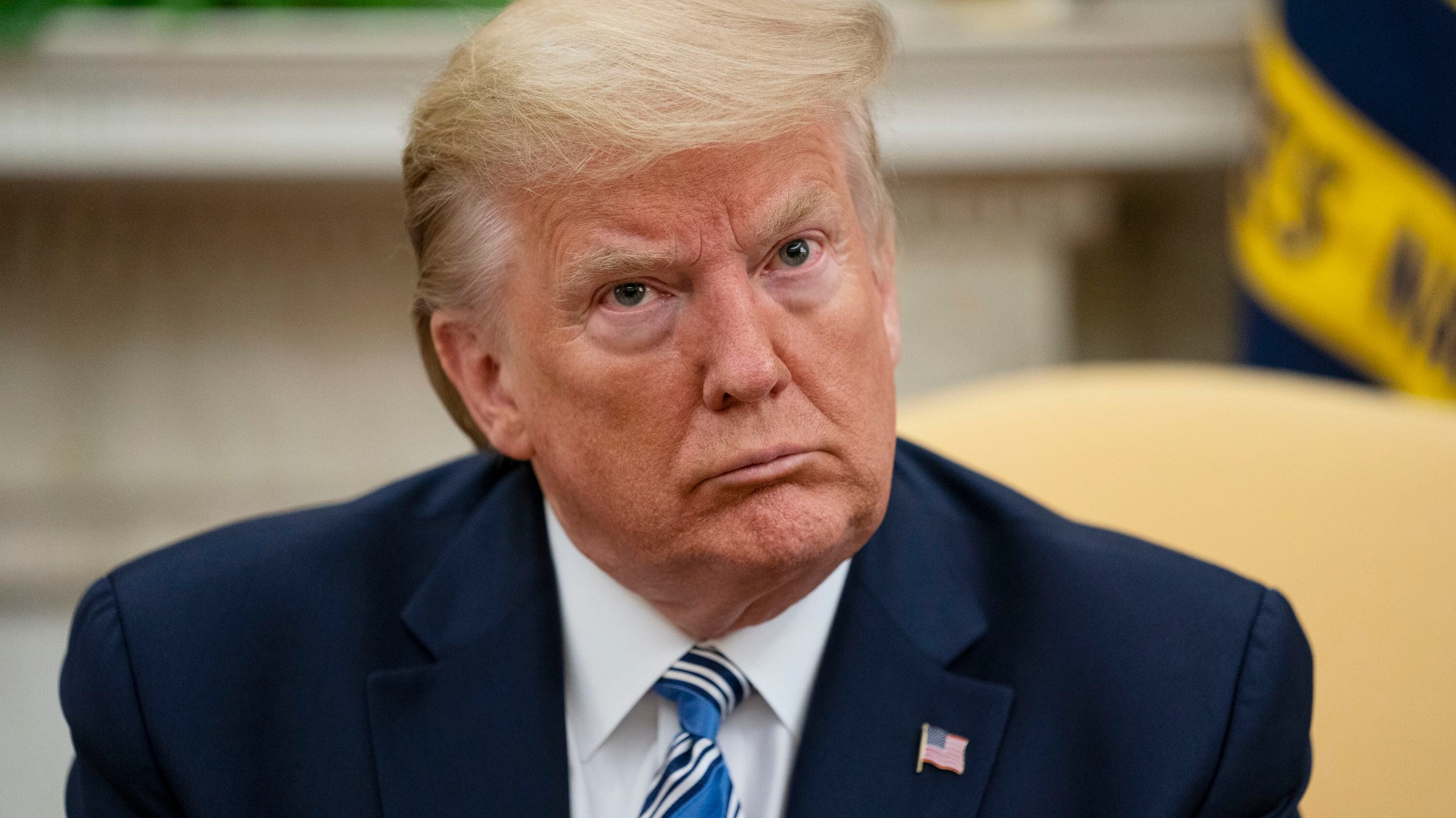
President Donald Trump will take executive action Tuesday to order meat processing plants to stay open amid concerns over growing coronavirus cases and the impact on the nation’s food supply.
Stocks gave up an early gain on Wall Street and are mixed in afternoon trading Tuesday. The day’s leaderboard looks like nearly the mirror opposite of stocks’ performance through the market’s sell-off this year.
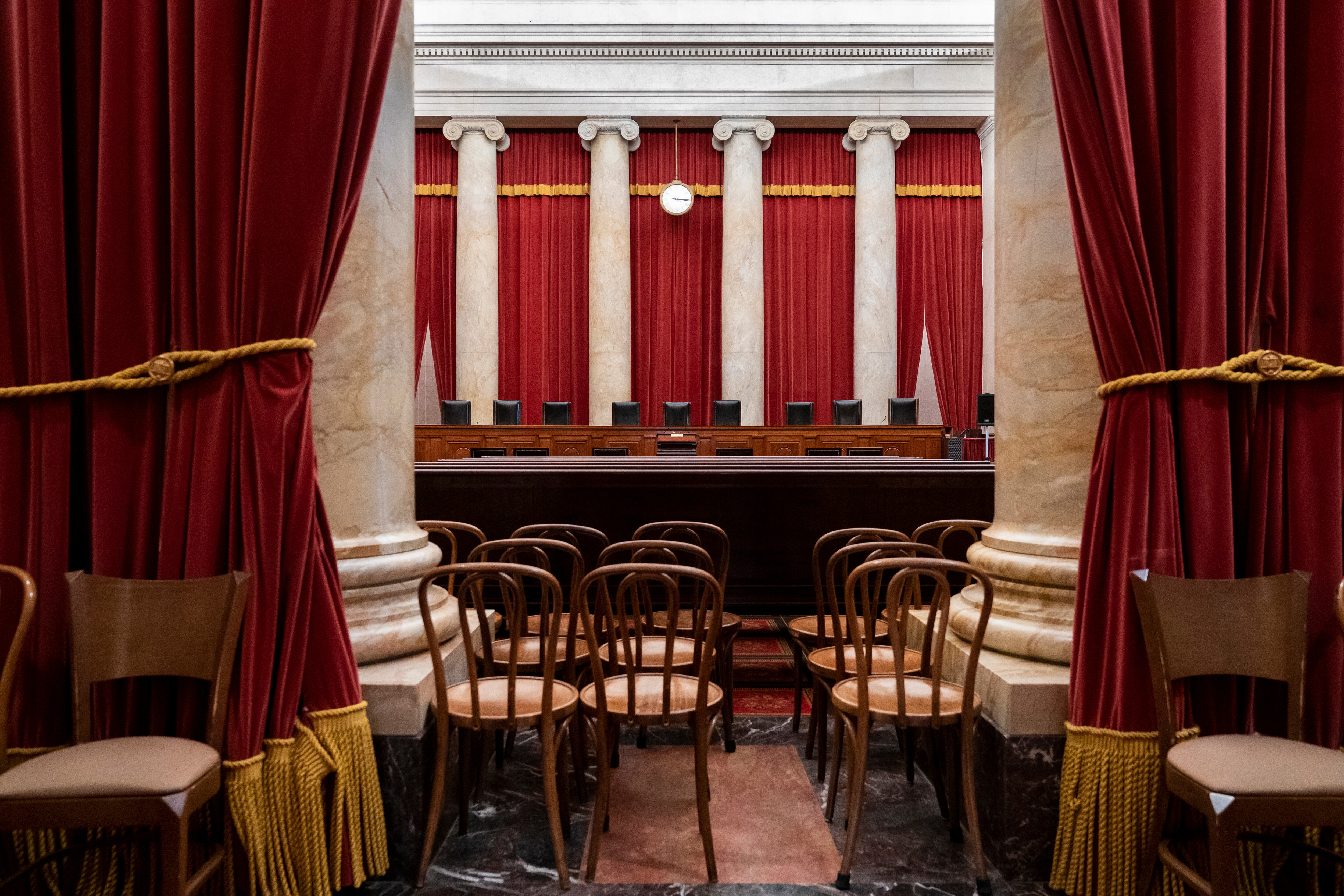
Because of the coronavirus pandemic the high court is, for the first time in its 230-year history, holding arguments by telephone.
Dr. Richard Besser, president and CEO of the non-profit healthcare organization, the Robert Wood Johnson Foundation, talks about how the pandemic has exposed the harsh inequalities driving poorer health outcomes in the U.S.
Banks trying to submit applications for thousands of small businesses seeking coronavirus relief loans have hit a bottleneck for a second day at the Small Business Administration.
Stocks gave up an early gain on Wall Street and were mixed in late morning trading Tuesday while the price of oil continued its wild ride.