In Maryland, the Montgomery County Council has introduced a resolution deeming racism a public health crisis.
In an interview with Cheddar, councilmember Will Jawando says disparities the black community faces are staggering. Recent social uprisings might have lit the flame under Jawando to introduce the resolution but the issue of racial inequality goes back hundreds of years, he said.
"Racism is the direct result, for 401 years, we've been either property or legally discriminated against for most of that time," Jawando told Cheddar.
In Montgomery County, systemic racism is not limited to just over-assertive and sometimes lethal policing of the black community, he said. It's also running rampant in the healthcare system. As COVID-19 continues to ravage communities of color nationwide, 18 percent of the black population in his county makes up a quarter of the deaths related to the virus.
For Jawando, racism in the Washington DC suburb is simply a reflection of society on a smaller scale.
"If you look at maternal health and childbirth, black women die at three times the rate," he said. "When they come in with problems, often doctors — look at Serena Williams — don't believe that they're sick."
Introducing the resolution, which he expects to pass next week, is a first step for curing the public health crisis in his county, Jawando said, but he hopes the measure is eventually recognized on both the state and federal levels. He also supports other methods of combating racism including the growing call to defund police departments nationwide.
"We shouldn't have stats driven by policing," he explained. "De-escalation, that should be rewarded just as much as we reward arrests and tickets."
The entrepreneur sued the New York State Board of Elections in April after it canceled the state's presidential primary by stripping Sen. Bernie Sander's name from the ballot.
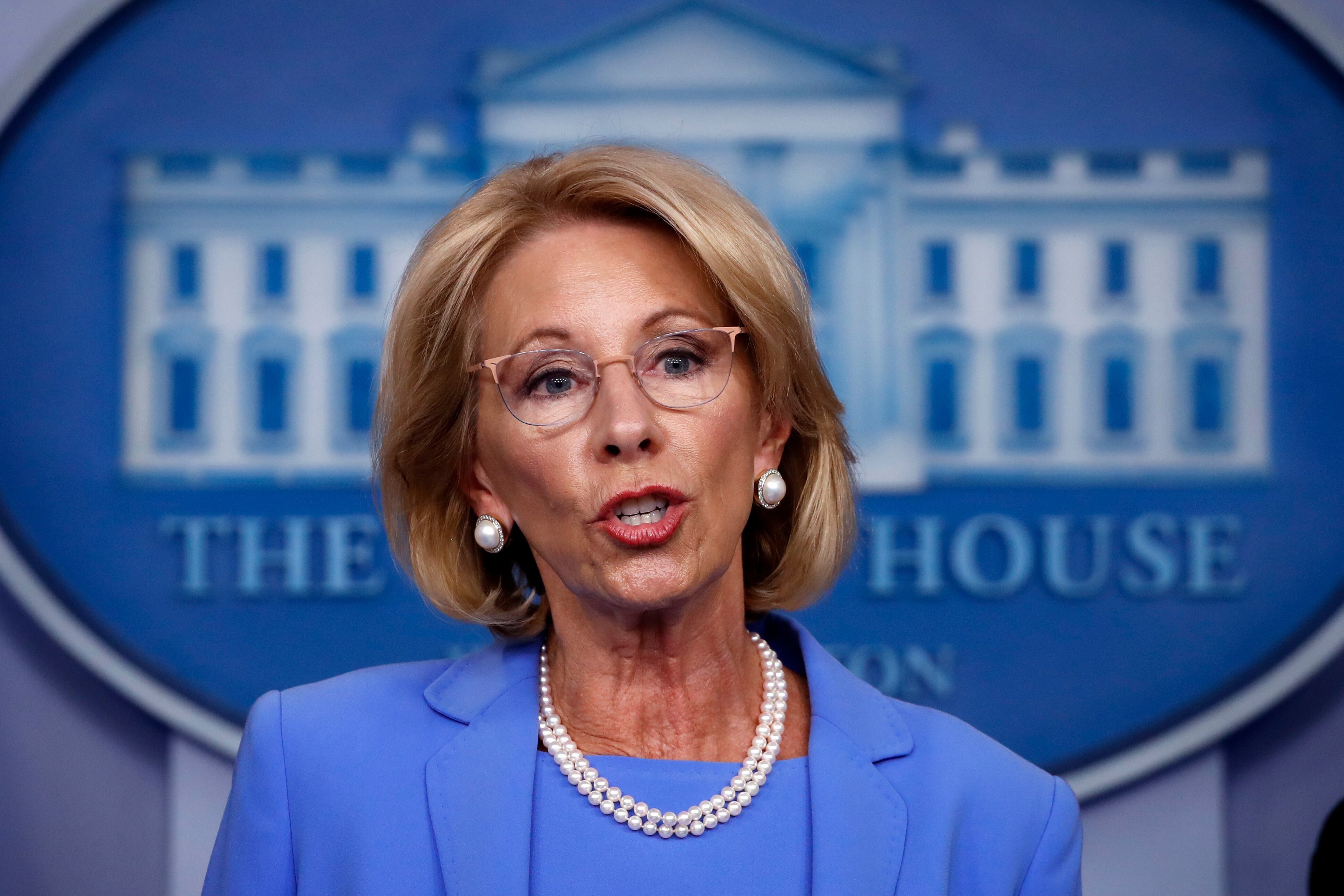
The U.S. Education Department has finalized campus sexual assault rules that bolster the rights of students who are accused of assault and harassment, reduce legal liabilities for schools and colleges, and narrow the scope of cases they will be required to investigate.
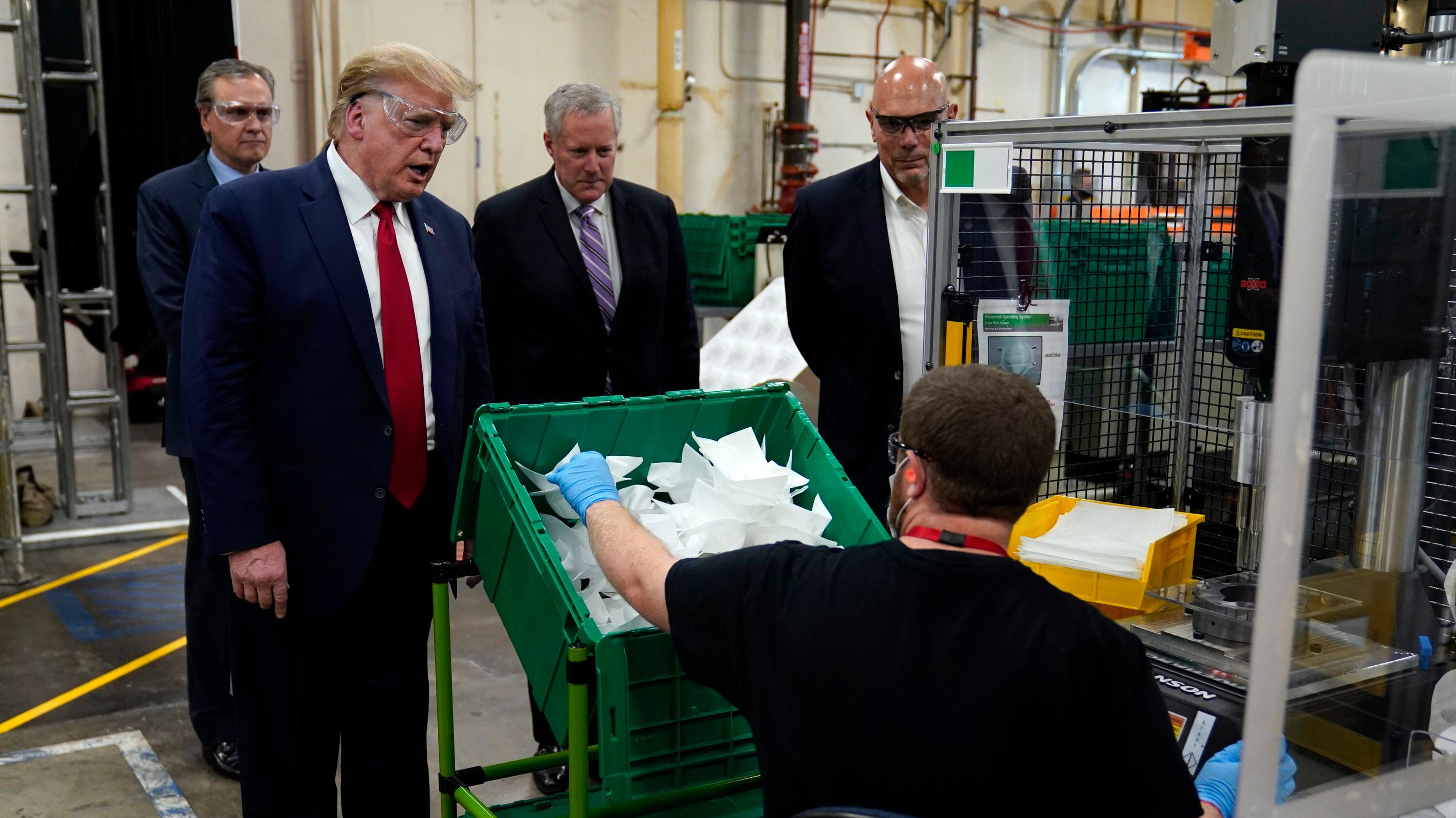
One day after saying that the COVID-19 task force would be winding down, President Donald Trump says it would continue on indefinitely, but focus on rebooting the economy.
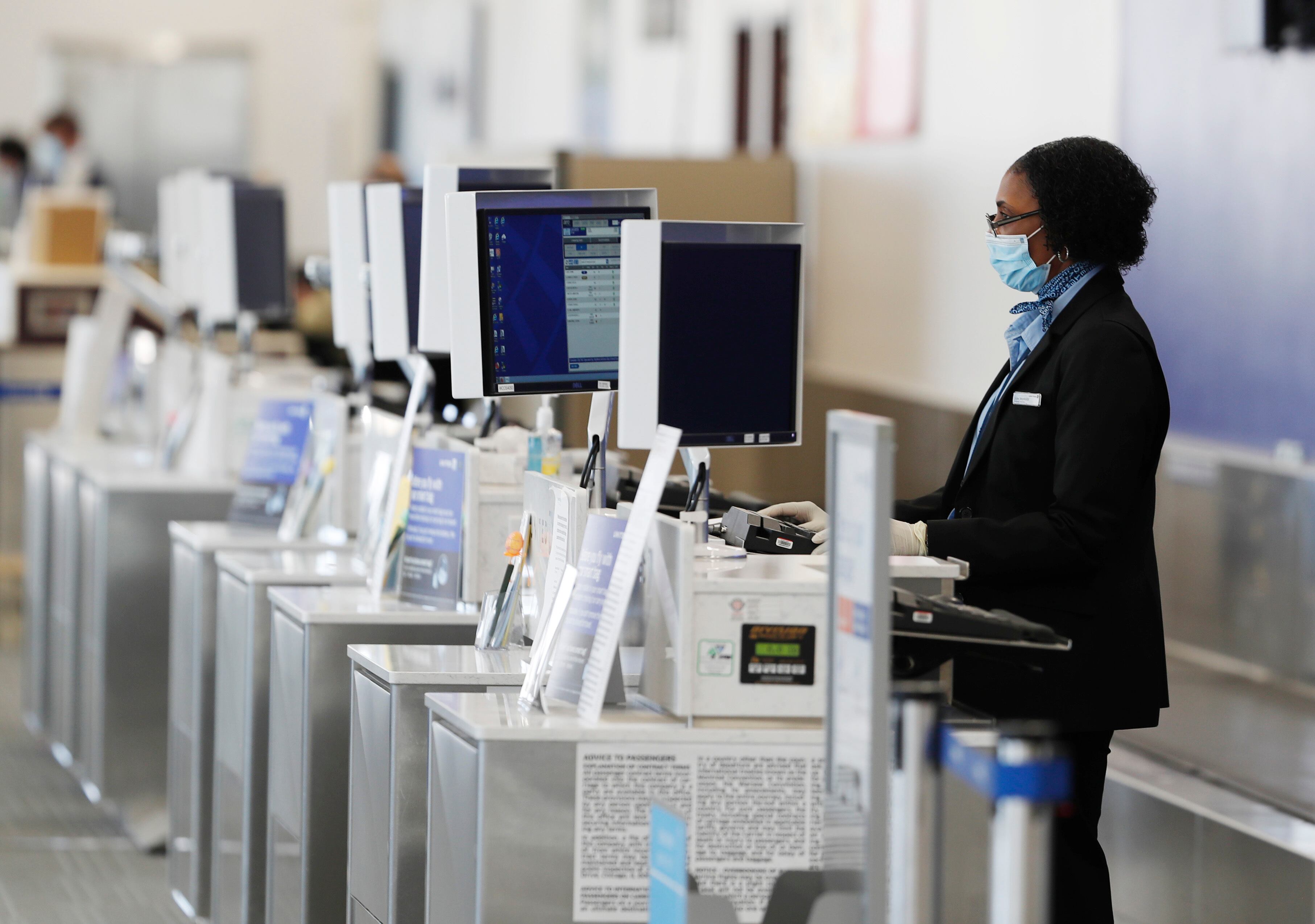
David Banmiller, an airline industry insider and former CEO of Pan Am, doesn't like referring to the $25 billion of relief the airline industry got from the federal government as a 'bailout.'
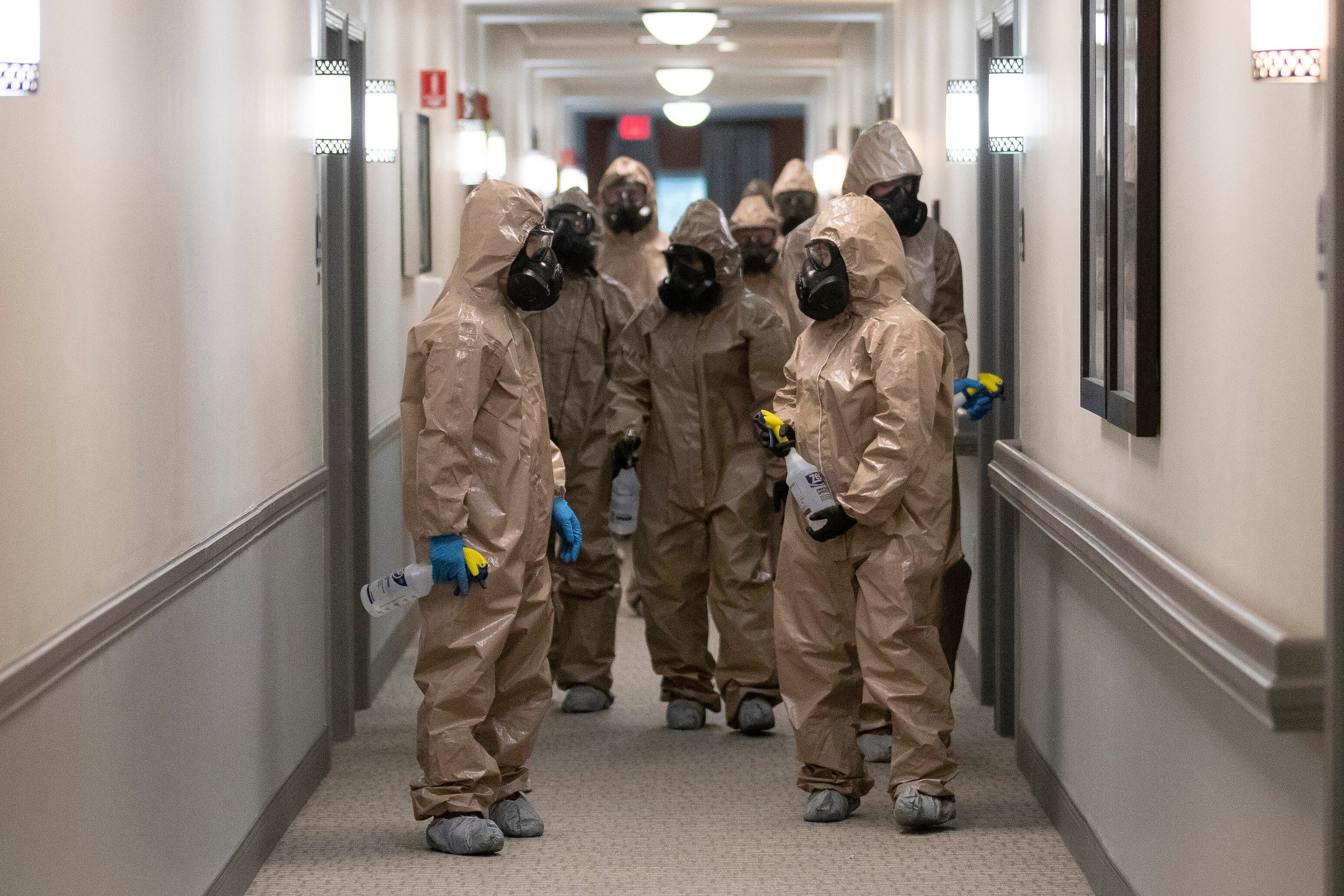
An Associated Press analysis finds that taking the New York metropolitan area’s progress against the coronavirus out of the equation shows the rest of the U.S. moving in the wrong direction, with the infection rate rising even as states move to lift their lockdowns.
Stocks closed higher on Wall Street but gave up about half of their early gains in a late-afternoon bout of selling. The S&P 500 rose 0.9% Tuesday after being up 2% earlier.
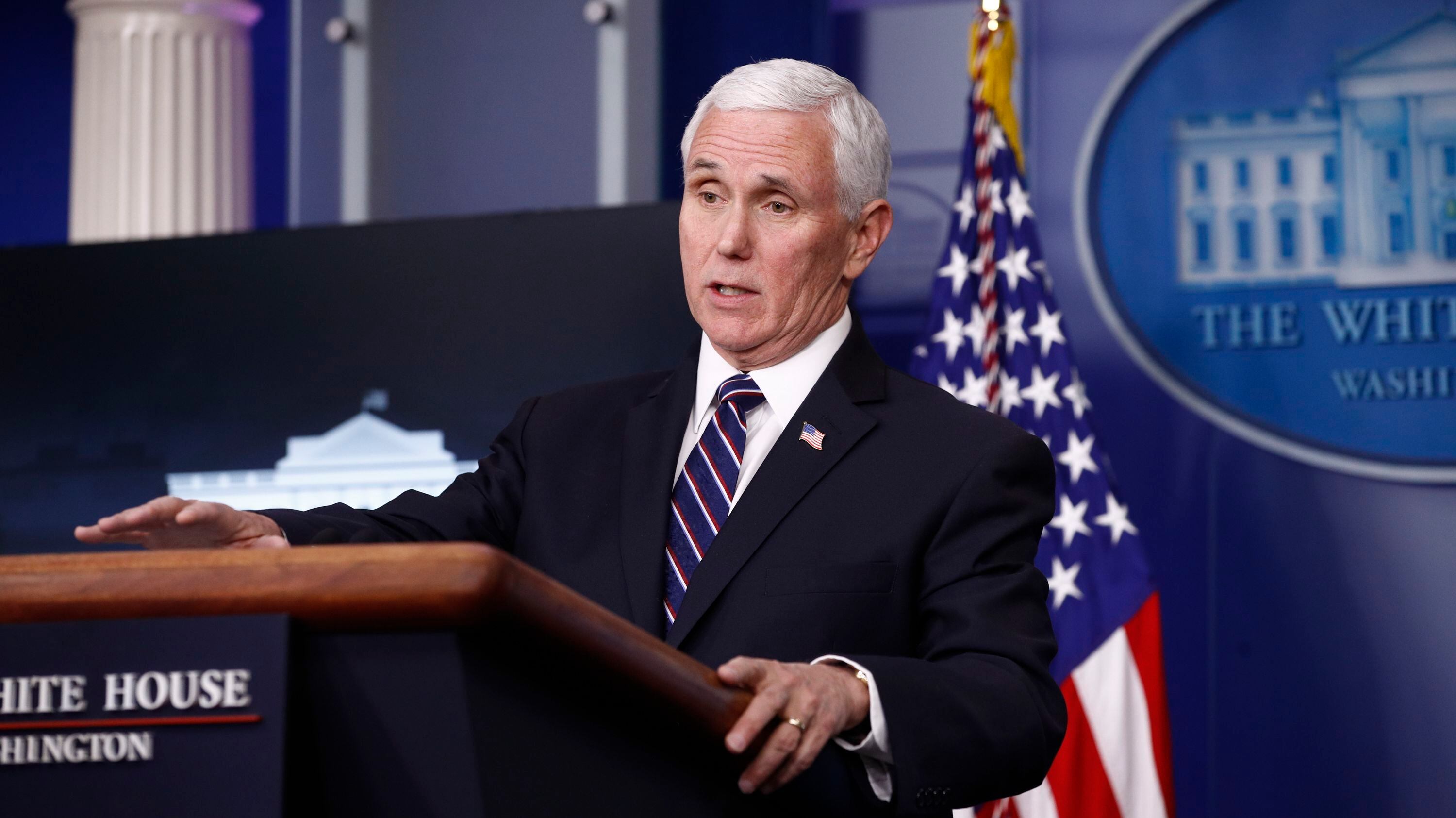
Vice President Mike Pence says the White House coronavirus task force could wind down its work by early June.
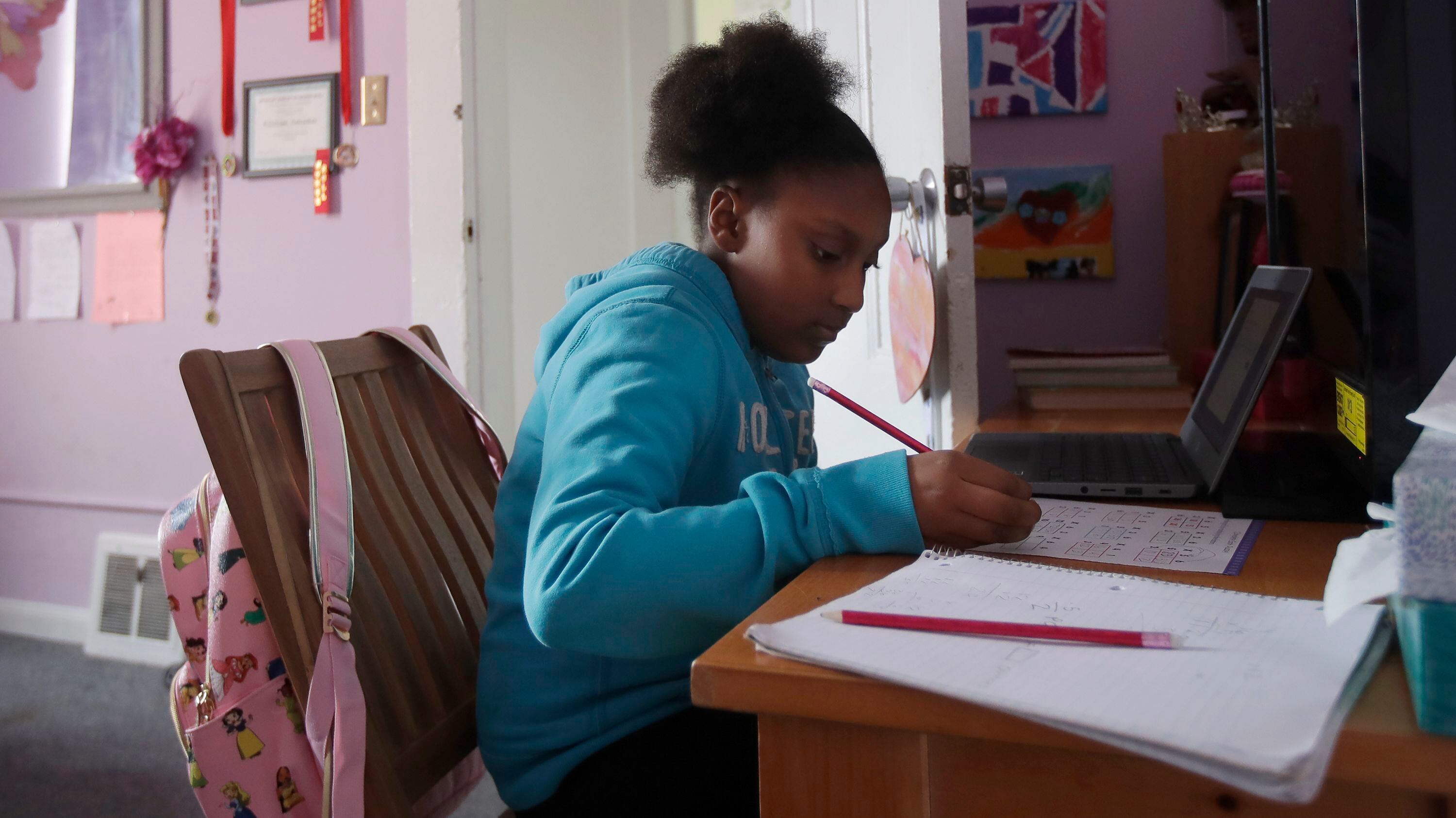
Randi Weingarten, president of the American Federation of Teachers, told Cheddar on Tuesday that they were not prepared to switch so quickly and have been working well with what they have, but online learning simply isn't the same as teaching in person.
The trip means a small army of advisers, logistical experts and security staff will also resume regularly hitting the road and taking a measure of risk to assist Trump.
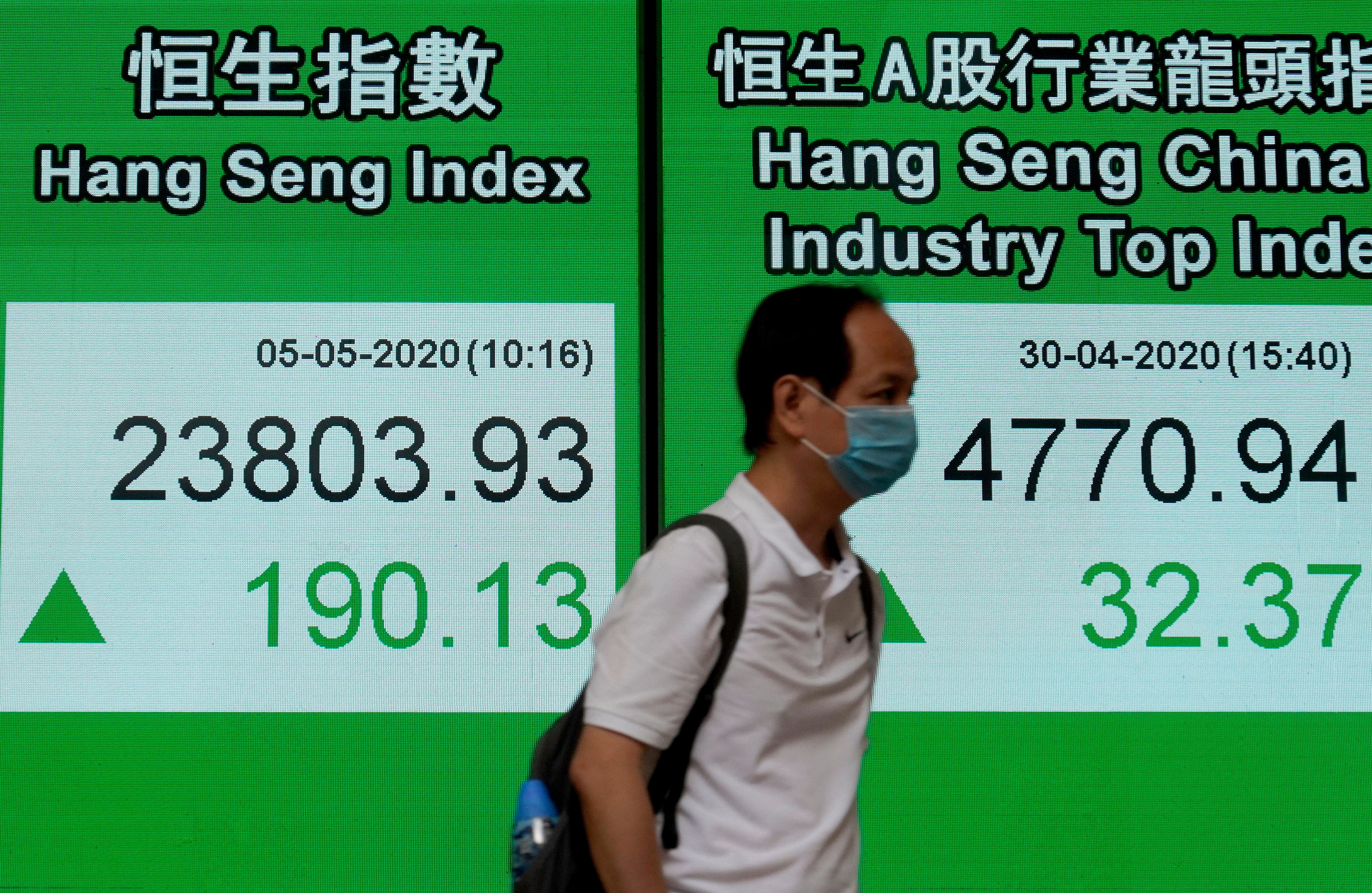
Stocks are rallying worldwide on Tuesday as more countries relaxed restrictions on businesses, raising hopes for a recovery from the historic plunge sweeping the global economy.