In Maryland, the Montgomery County Council has introduced a resolution deeming racism a public health crisis.
In an interview with Cheddar, councilmember Will Jawando says disparities the black community faces are staggering. Recent social uprisings might have lit the flame under Jawando to introduce the resolution but the issue of racial inequality goes back hundreds of years, he said.
"Racism is the direct result, for 401 years, we've been either property or legally discriminated against for most of that time," Jawando told Cheddar.
In Montgomery County, systemic racism is not limited to just over-assertive and sometimes lethal policing of the black community, he said. It's also running rampant in the healthcare system. As COVID-19 continues to ravage communities of color nationwide, 18 percent of the black population in his county makes up a quarter of the deaths related to the virus.
For Jawando, racism in the Washington DC suburb is simply a reflection of society on a smaller scale.
"If you look at maternal health and childbirth, black women die at three times the rate," he said. "When they come in with problems, often doctors — look at Serena Williams — don't believe that they're sick."
Introducing the resolution, which he expects to pass next week, is a first step for curing the public health crisis in his county, Jawando said, but he hopes the measure is eventually recognized on both the state and federal levels. He also supports other methods of combating racism including the growing call to defund police departments nationwide.
"We shouldn't have stats driven by policing," he explained. "De-escalation, that should be rewarded just as much as we reward arrests and tickets."
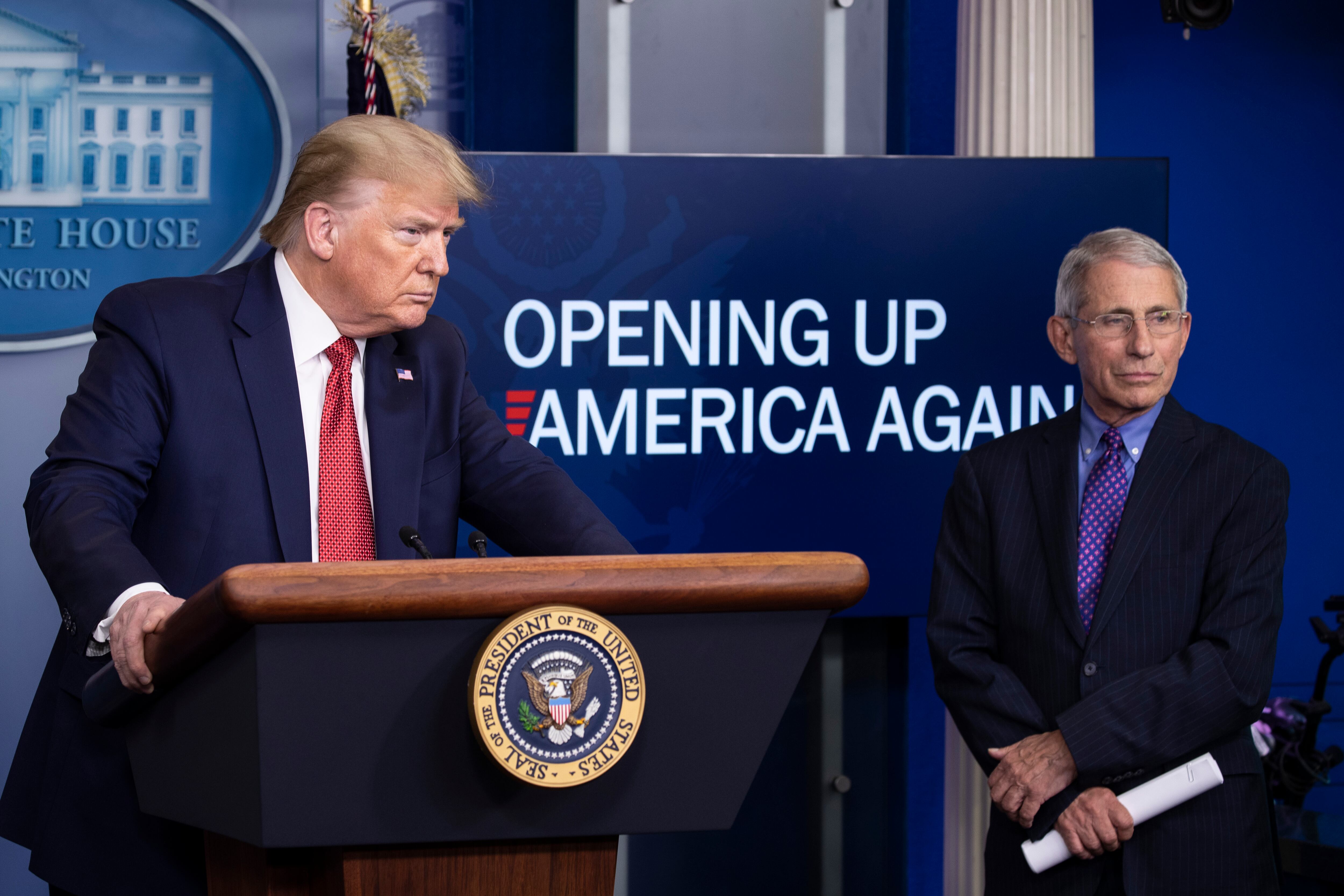
Dr. Anthony Fauci, the nation’s top infectious disease expert, is warning Congress and the nation of what he calls "really serious” consequences of suffering, death and deeper economic damage if state and local officials lift stay-at-home orders too quickly.
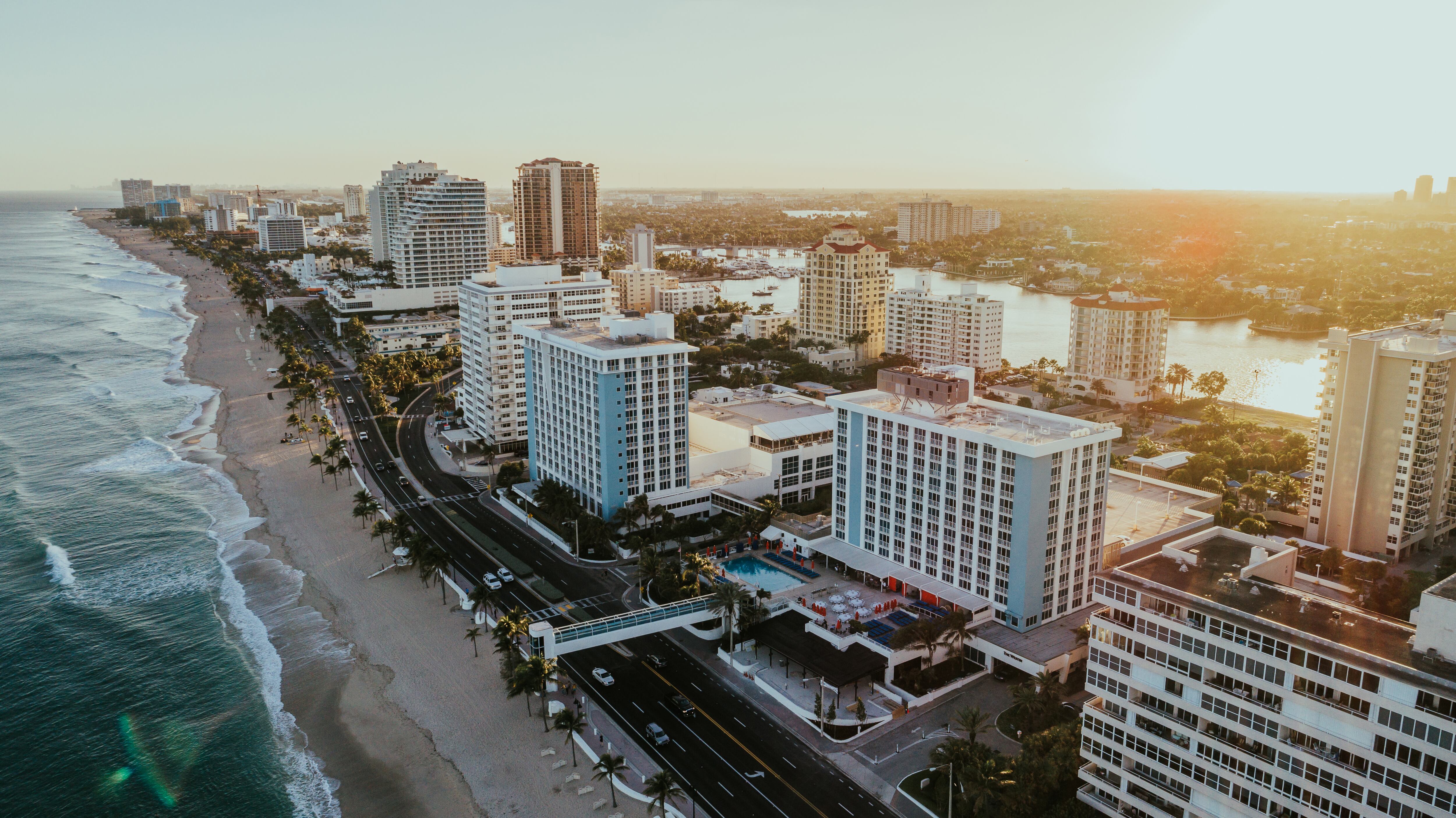
Broward County Mayor Dale V.C. Holness told Cheddar Monday many of the counties in South Florida have been working together to decide on a reopening date for their communities.
Dr. Beth Cameron, who is currently vice president of global biology programs at the Nuclear Threat Initiative, was previously a senior director in the White House pandemic office under the National Security Council.
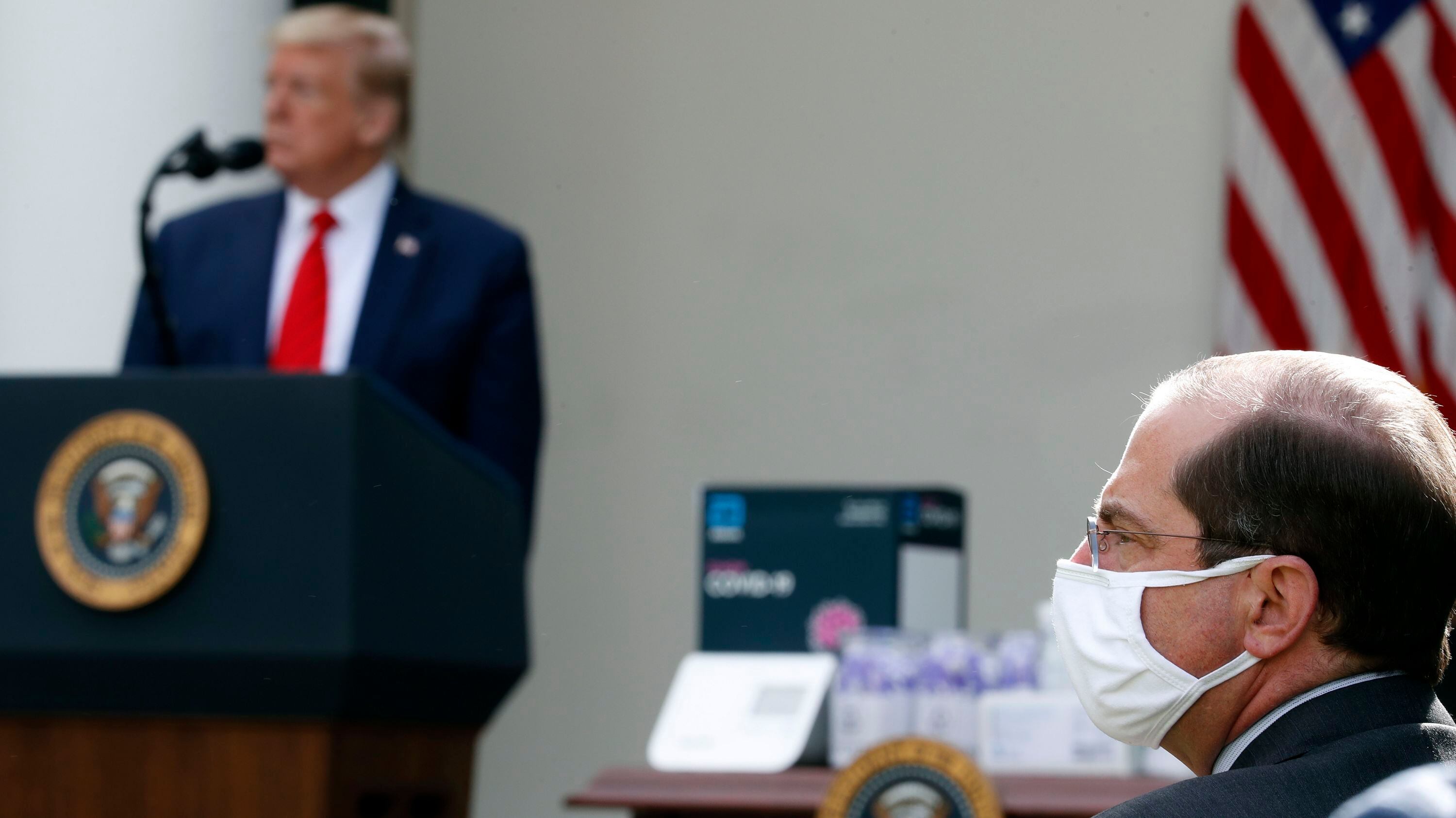
The White House is requiring everyone who enters the West Wing to wear a mask or face covering.
Tesla CEO Elon Musk confirmed on Twitter Monday that the company has restarted its California factory in violation of local government orders.
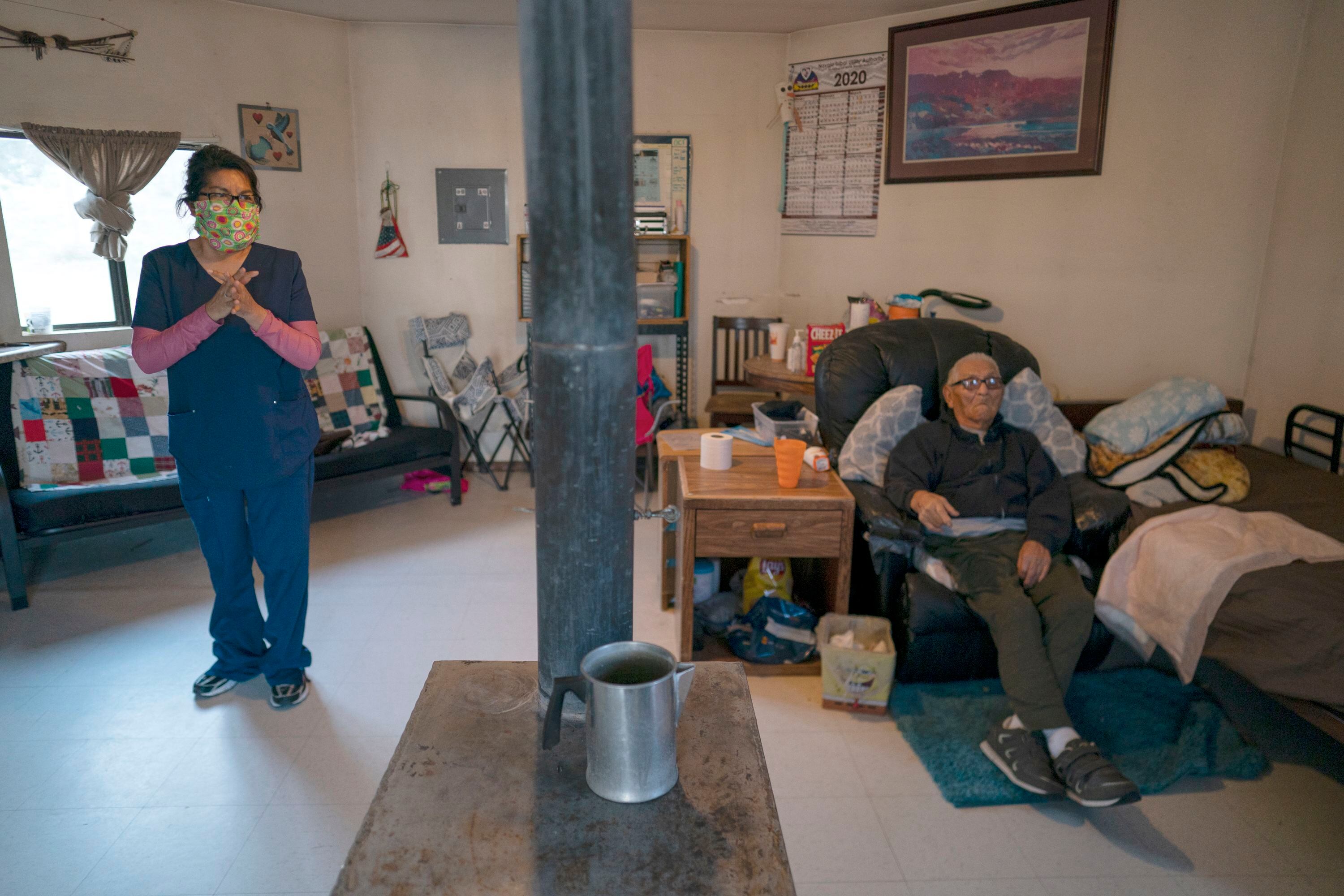
The Navajo reservation spans three western U.S. states and has some of the highest rates of coronavirus in the country. With roughly 175,000 people living there, the tribe has seen 3,122 cases. At least 100 people have died.
Stocks are dipping in early trading on Wall Street Monday and giving back some of the strong gains made last week.
Coronavirus has forced New York City teachers to fundamentally change how they educate students. Now they're fighting for their own vision of how and when schools should reopen.
From Wall Street to Silicon Valley, these are the top stories that moved markets and had investors, business leaders, and entrepreneurs talking this week on Cheddar.
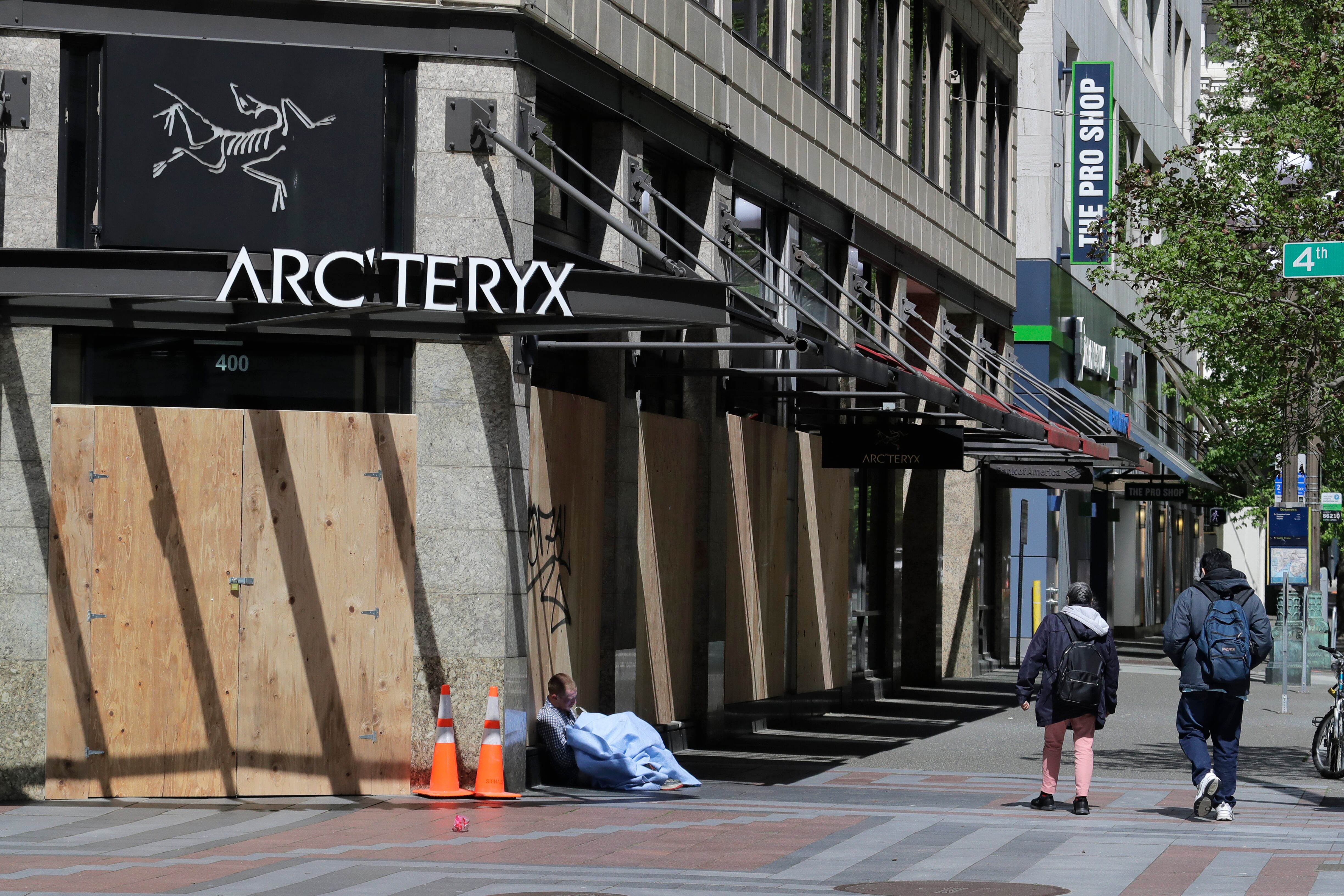
Businesses from coast-to-coast were forced to closed their doors when the coronavirus outbreak arrived in the U.S. Practically overnight, 33 million Americans (so far) suddenly lost their livelihoods. Cheddar is speaking to some of these workers who have found themselves unexpectedly unemployed in today's turbulent environment.